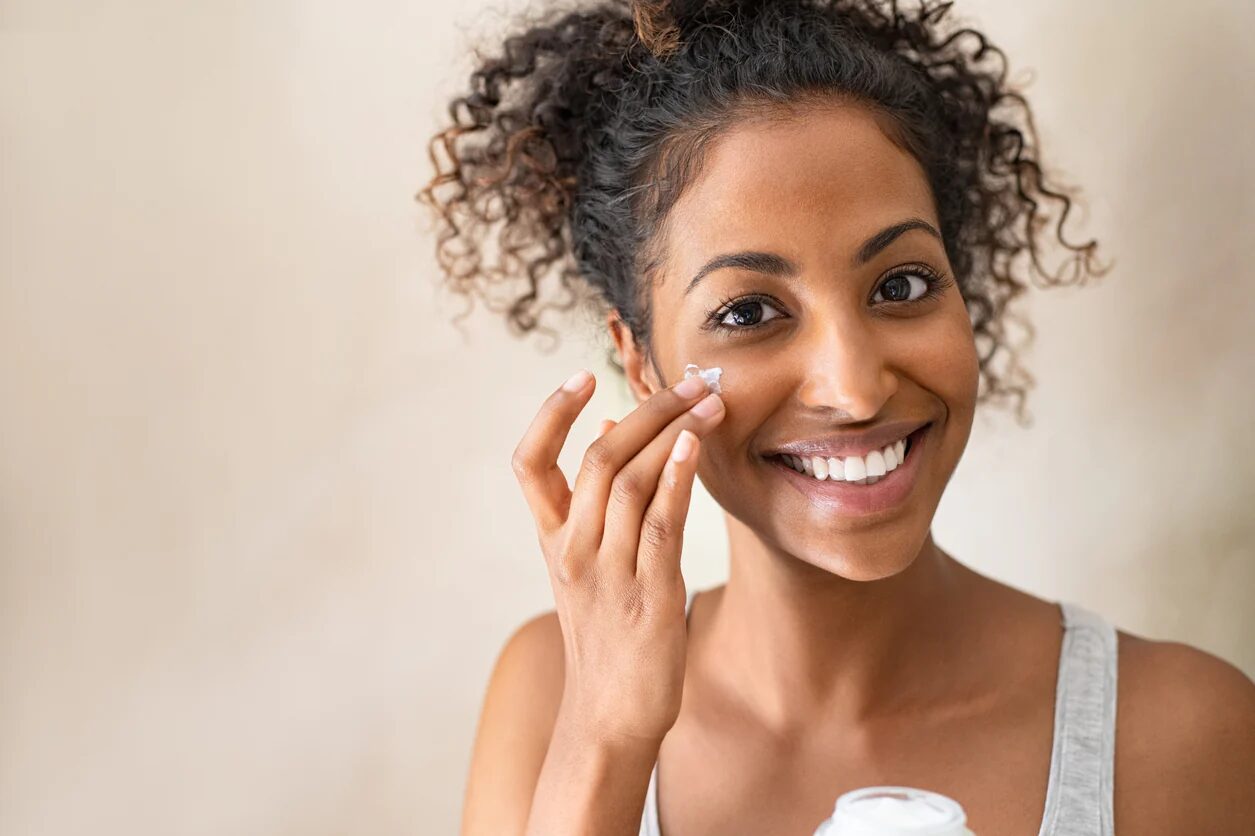
The beauty industry is experiencing a sensory revolution. After decades of prioritizing visual aesthetics—glossy finishes, vibrant colors, Instagram-worthy packaging—consumers now crave tactile experiences that engage touch as deeply as sight. This texture renaissance signals a fundamental shift from surface beauty to embodied luxury.
Touch, our most primal sense, carries emotional weight that vision cannot match. When fingertips encounter the cool slip of a glass serum bottle or the weighted luxury of a metal compact, neural pathways fire differently than when processing visual stimuli alone. Beauty brands finally recognize this neurological truth.
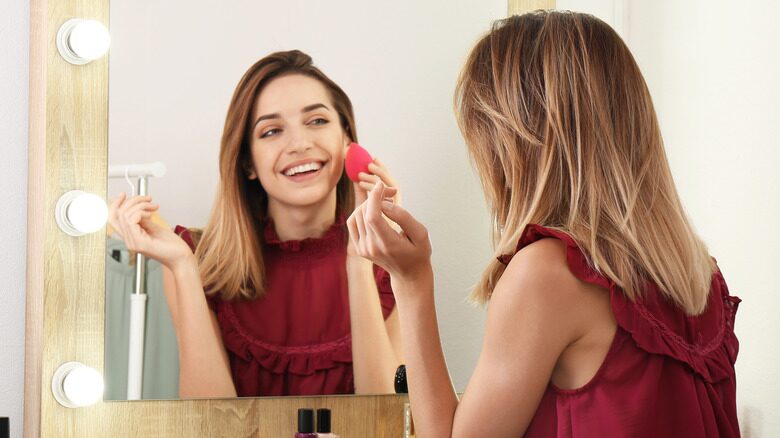
The Neuroscience of Tactile Luxury
Touch operates through our largest organ—the skin. Unlike other senses, tactile experiences create immediate emotional responses. When we encounter pleasing textures, the brain releases oxytocin, the same hormone associated with bonding and pleasure.
Dr. Rachel Herz’s research at Brown University reveals that tactile memories form faster and last longer than visual ones. This explains why the velvet touch of Tom Ford’s lipstick cases creates stronger brand loyalty than striking packaging alone ever could.
Luxury brands intuitively understood this connection long before science confirmed it. Chanel’s quilted leather patterns weren’t just visual signatures—they provided distinctive tactile experiences that fingers remember long after eyes look away.
The Texture Hierarchy
Not all textures carry equal psychological weight. Premium materials command respect through touch:
Cool Metal: Suggests precision, permanence, professional quality. Think Dyson Supersonic’s weighted handle or Byredo’s aluminum perfume cases.
Smooth Glass: Conveys purity, cleanliness, medical-grade efficacy. Laboratory-inspired packaging from The Ordinary capitalizes on this association.
Soft Velvet: Implies indulgence, femininity, vintage glamour. Guerlain’s meteorites compacts use this texture to justify premium pricing.
Textured Rubber: Communicates modernity, grip, utility. Fenty Beauty’s magnetic closure compacts feature subtle rubber texturing for enhanced functionality.
Formula Innovation Through Touch
Product textures now drive innovation more than visual appeal. Consumers seek formulations that feel as luxurious as they perform. This demand pushes chemists to create entirely new sensory experiences.
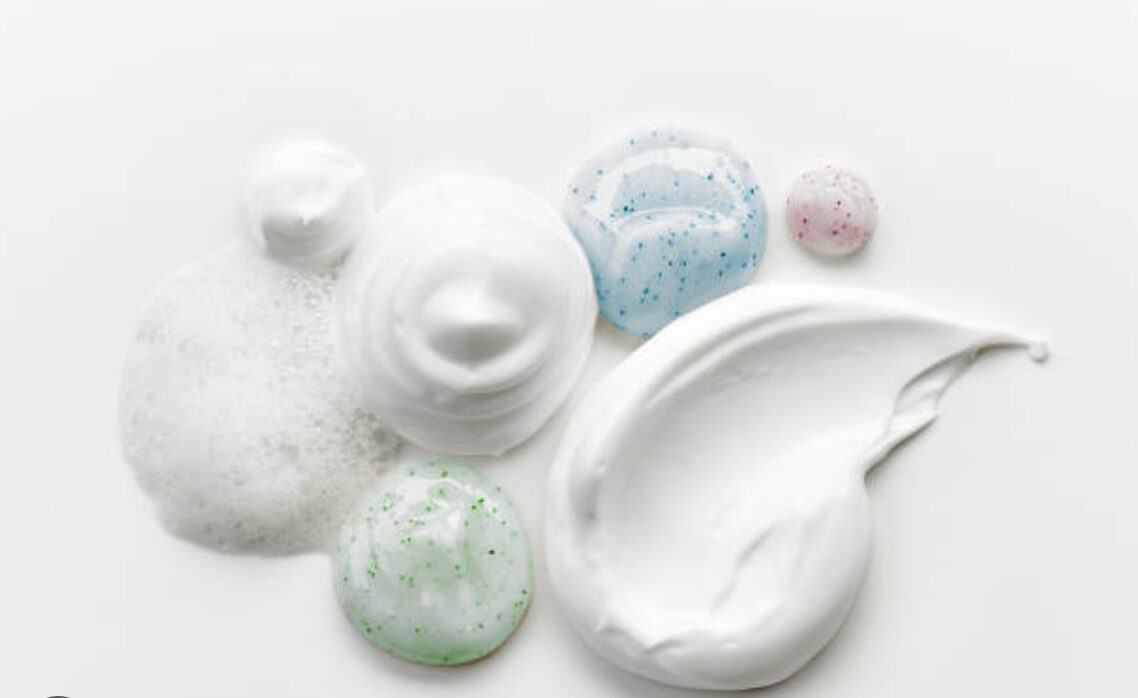
Bouncy Textures: Korean beauty pioneered gel-creams that literally bounce when touched. Laneige’s Water Sleeping Mask creates this tactile novelty that transforms routine application into playful ritual.
Temperature-Reactive Formulas: Products that warm or cool upon contact add unexpected sensory dimensions. Clarins’ warming cleansing gel transforms from room temperature to comfortably warm when massaged into skin.
Transformative Textures: Formulations that change consistency during application fascinate touch-seeking consumers. Drunk Elephant’s D-Bronzi Anti-Pollution Sunshine Drops shift from serum to powder finish upon blending.
Packaging as Tactile Theater
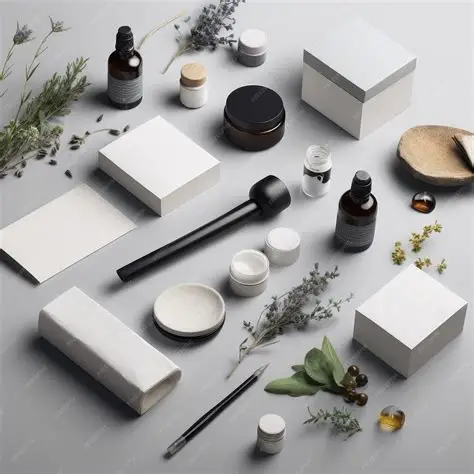
Premium beauty packaging now functions as tactile theater. Each interaction should feel intentional, luxurious, memorable. Brands invest as much in texture engineering as formula development.
Magnetic Closures: The satisfying snap of magnetic compacts provides immediate tactile gratification. Rare Beauty’s soft pinch liquid blush uses this closure system to enhance the unboxing experience.
Weighted Components: Heavier packaging suggests premium quality through proprietary psychology. Jo Malone’s cologne bottles achieve perfect weight distribution to feel substantial yet elegant in hand.
Surface Treatments: Matte finishes, soft-touch coatings, and subtle textures transform basic packaging into tactile luxury. NARS’ rubber-finish compacts pioneered this approach, making every application feel professional.
The Unboxing Evolution
Unboxing experiences now prioritize touch over visual surprise. Luxury brands understand that tactile memories last longer than visual ones.
Hermès Beauty’s lipstick cases require specific finger pressure to open, creating ritualistic interaction. This deliberate resistance makes the reveal feel earned rather than casual.
La Mer’s face creams arrive nestled in weighted glass jars that feel substantial before you even see the product. The tactile experience begins before application, building anticipation through touch.
Texture Trends Defining 2025
- 🔸 Bouncy Gels: Hydrating formulas that spring back when pressed
- 🔸 Powder-to-Cream: Dry textures that melt into oils upon warming
- 🔸 Weighted Tools: Applicators designed for substantial hand-feel
- 🔸 Temperature Play: Products that respond to body heat
The Ritual of Touch
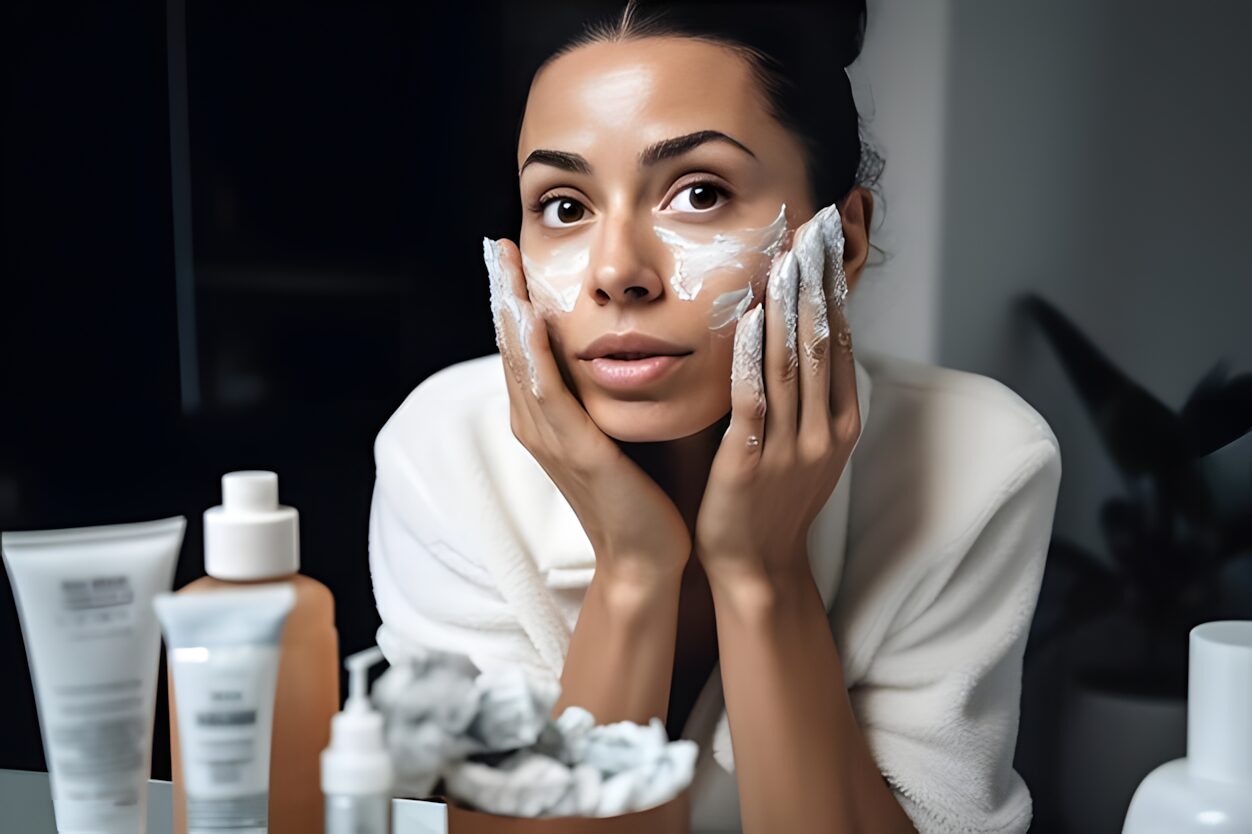
Application techniques increasingly emphasize tactile engagement. Beauty routines transform from quick efficiency to mindful ceremonies centered on touch.
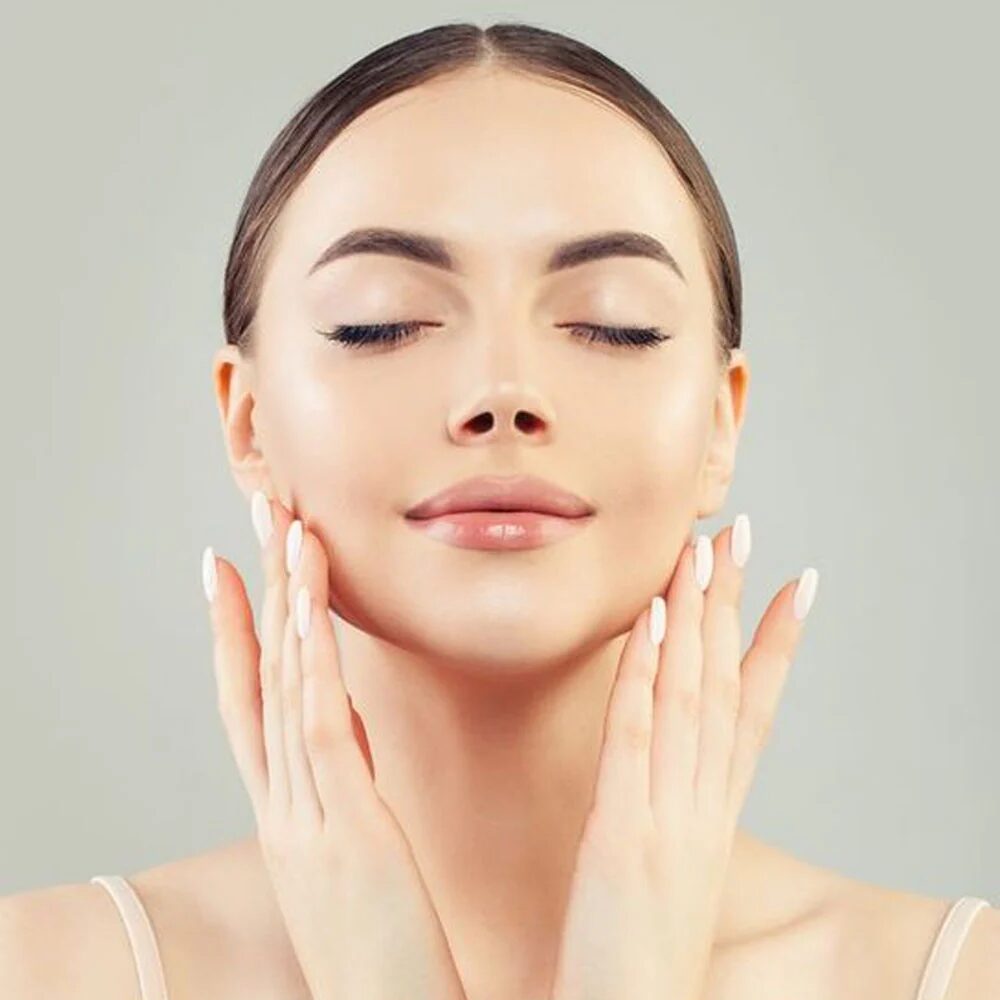
Facial Massage Integration: Skincare applications now incorporate massage techniques that maximize tactile pleasure while enhancing product absorption. Gua sha tools and jade rollers extend this sensory experience.
Layering for Texture: Consumers build skincare routines specifically for textural variety. Light serums, bouncy gels, rich creams create tactile journeys from thinnest to thickest consistency.
Tool Innovation: Beauty tools prioritize hand-feel alongside functionality. Beautyblender’s varying densities provide different tactile feedback. Each squeeze offers unique resistance and recovery.
Cultural Shifts Driving Touch
Digital fatigue drives consumers toward tactile experiences. Screen-dominated lives create hunger for physical sensation. Beauty products offer accessible luxury through touch when other premium experiences feel unattainable.
Wellness culture embraces touch as therapeutic tool. Self-massage techniques, mindful application, and textural awareness align with broader wellness trends emphasizing mind-body connection.
Minimalism influences texture appreciation. With fewer products in simplified routines, each remaining item must justify its presence through superior sensory experience. Quality replaces quantity through enhanced tactile luxury.
Global Texture Influences
Japanese Aesthetics: The concept of “mono no aware”—finding beauty in impermanence—influences texture appreciation. Subtle variations in surface feeling create emotional resonance.
Scandinavian Design: Nordic emphasis on natural materials drives texture innovation using organic compounds, wooden applicators, and stone-inspired surfaces.
French Luxury Heritage: Traditional French parfumerie values tactile elegance. Weight, balance, and surface quality receive equal attention to visual aesthetics.
Professional Applications
Makeup artists now select products based on tactile properties alongside performance. Textures that feel pleasant during application reduce client anxiety and enhance overall service experience.
Foundation Textures: Silky foundations that blend effortlessly create positive associations. Clients remember how products felt on their skin long after seeing results.
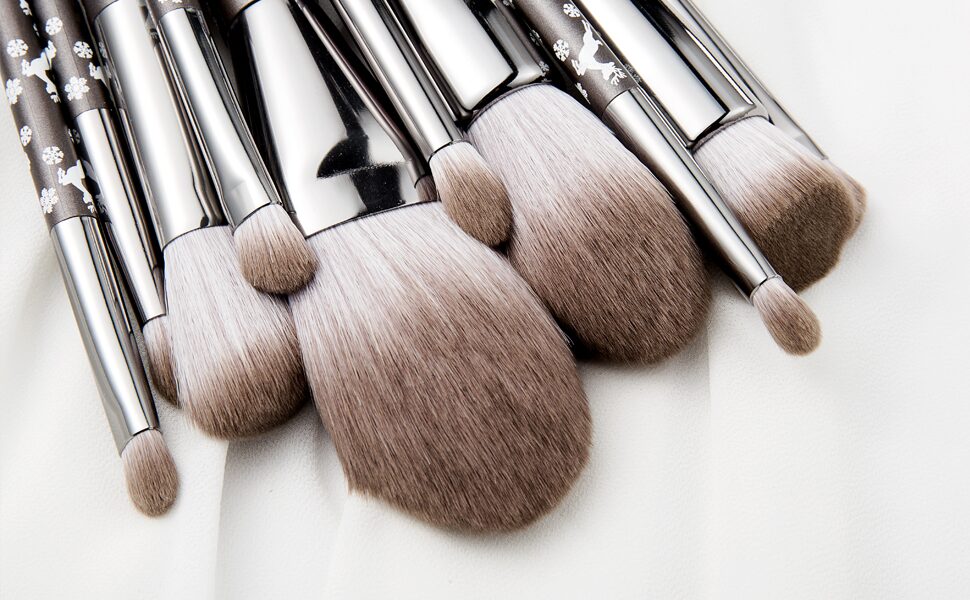
Brush Selection: Natural vs. synthetic bristles provide different tactile experiences. Professionals choose textures that enhance client comfort during lengthy applications.
Setting Powders: Finely-milled powders that feel weightless yet substantial justify premium pricing through superior tactile experience.
Technology Meets Touch
Smart beauty devices incorporate tactile feedback systems. Sonic cleansing brushes adjust vibration patterns based on skin response. LED therapy masks feature weighted designs that feel secure during treatment.
App-connected devices provide haptic feedback coordinated with skincare routines. Users receive gentle vibration cues for massage timing or product application intervals.
Virtual reality beauty experiences now include haptic elements. Users can “feel” product textures through advanced controllers before making purchase decisions.
The Luxury Evolution
Texture-driven luxury transcends traditional price points. Affordable brands create premium tactile experiences that compete with expensive alternatives.
CeraVe’s Psychology: Medical-grade packaging feels professional despite drugstore pricing. Pump dispensers provide controlled, hygienic application that suggests clinical efficacy.
E.l.f.’s Innovation: Strategic texture choices in affordable makeup create premium perception. Their Holy Hydra! moisturizer feels identical to products costing five times more.
The Inkey List’s Approach: Laboratory-inspired packaging with perfect tactile weight suggests scientific credibility despite accessible pricing.
Future Tactile Innovations
Emerging technologies promise even more sophisticated tactile experiences. Shape-memory materials could create packaging that adapts to hand temperature. Programmable textures might change based on environmental conditions or user preferences.
Bioresponsive materials react to skin pH, temperature, or moisture levels. These smart textures could indicate optimal application timing or product efficacy through tactile feedback.
3D printing enables custom texture creation. Personalized applicators with user-specific tactile preferences could enhance individual beauty routines through bespoke sensory experiences.
Embracing Sensory Beauty
The texture renaissance invites deeper engagement with beauty routines. Instead of rushing through applications, consumers slow down to appreciate sensory details. This mindfulness transforms daily maintenance into luxury ritual.
Touch connects us to products, brands, and ourselves in ways that pure visual appeal cannot achieve. As beauty evolves beyond Instagram aesthetics, tactile luxury offers authentic sensory satisfaction that screens cannot replicate.
The future belongs to brands that understand touch’s emotional power. They create products that feel as extraordinary as they look, transforming routine into ritual through the simple magic of texture.
Begin your texture journey today: Close your eyes during your next skincare routine. Focus entirely on how each product feels against your skin. Notice temperature, weight, absorption speed. Discover the luxury that was always at your fingertips.