A 2025 survey by stylist Allison Bornstein found that 78 percent of clients who felt their outfits looked “off” were wearing the correct size. The problem wasn’t fit. It was proportion. The same sweater that looks elegant on one person appears shapeless on another, not because of body differences, but because of how it relates to what’s worn below. A midi skirt that creates beautiful balance with ankle boots turns frumpy with knee-high styles. These aren’t random outcomes. They follow predictable visual principles that most people never learn. Understanding proportion transforms how you shop, style, and feel in clothes—without changing a single thing about your body.
The Mathematics Behind Better Outfits
Fashion proportion operates on visual weight distribution. Your eye reads an outfit as sections: top, bottom, and the space between. When these sections create imbalance, the entire outfit fails regardless of how expensive or well-fitted individual pieces are. A voluminous sweater paired with voluminous pants creates visual confusion because both sections compete for attention. Your eye doesn’t know where to land.
The solution involves strategic volume placement. If the top is oversized, the bottom should be streamlined. If you wear wide-leg trousers, pair them with a fitted or structured top. This isn’t about making yourself look smaller—it’s about creating coherent visual flow that guides the eye intentionally rather than randomly. Start applying this immediately: review your favorite outfits and notice the volume balance. Then check the outfits you never wear. The volume distribution likely explains the difference.
Color affects proportion perception as much as actual garment shape. Dark colors recede visually while light colors advance. A black top with white pants makes your lower half appear larger proportionally, even if the actual volume is identical to the reverse combination. This doesn’t mean avoiding certain colors—it means understanding their visual impact and styling accordingly. If you wear a bright bottom, consider adding visual interest to your top through texture, pattern, or accessories to maintain balance.
Where Your Waist Actually Lives
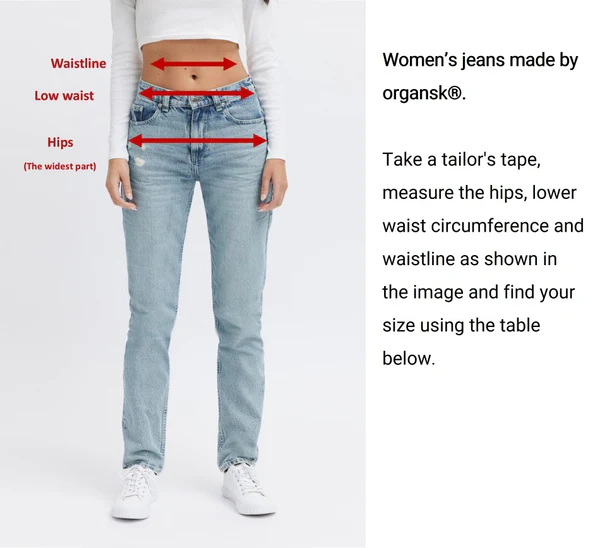
Most people define their waist incorrectly, which ruins proportion before they start dressing. Your natural waist—the narrowest point of your torso—sits higher than where pants typically hit. This distinction matters enormously. High-waisted pants that actually hit your natural waist create a long leg line and defined torso. “High-waisted” pants that hit two inches below your natural waist shorten your legs and make your torso appear boxy.
Find your natural waist by bending sideways. The crease that forms is your waist. Measure from there to your shoulders, then from there to your feet. Most people discover their legs are proportionally longer than they assumed. This knowledge changes how you shop. That “midi” skirt hitting mid-calf actually functions as a maxi on your proportions, cutting your leg line at the widest point of your calf. A true midi should end at the narrowest part of your leg—typically between knee and mid-calf depending on your height.
Defining your waist adds structure to any outfit. This doesn’t require belts on everything, though strategic belt use works. Tucking a shirt creates waist definition. Half-tucking creates it while maintaining casual ease. Color-blocking with your top and bottom meeting at your natural waist creates it through visual contrast. Even loose, unstructured clothing benefits from waist awareness—knowing where it is helps you choose tops and dresses that skim rather than obscure that point. Try this today: take three outfits you already own and add waist definition through tucking or belting. Note how it changes the proportion.
The Vertical Line Strategy
Creating vertical lines elongates your silhouette regardless of height or size. Vertical lines guide the eye up and down rather than side to side, producing a longer, leaner visual effect. This principle applies dozens of ways. Monochromatic dressing creates an unbroken vertical line from head to toe. Long cardigans, open blazers, and dusters create vertical columns. Even the structure of your neckline affects vertical flow—V-necks and scoop necks create downward lines while crew necks and turtlenecks create horizontal breaks.
Layering offers powerful vertical opportunities when done strategically. An open coat over a dress creates two strong vertical lines at the coat edges. A long pendant necklace adds a vertical element to an otherwise plain outfit. Vertical stripes obviously create this effect, but so do vertical seams, front-zip details, and button-front styling. The key is maintaining that line without interruption—tucking your shirt into high-waisted pants continues the vertical line where a bloused, untucked top breaks it at your widest point.
- Match your shoe color to your pants or tights to extend the leg line visually
- Choose pointed-toe shoes over round toes—they continue the leg line rather than stopping it
- Wear your coat open rather than buttoned to maintain vertical column
- Select V-neck or scoop-neck tops over crew necks when you want elongation
Avoid accidentally creating horizontal breaks that shorten your frame. The wrong hemline creates a horizontal line at an unflattering point. Cropped tops work beautifully with high-waisted bottoms because they create a horizontal break at the narrowest point. That same crop top with low-rise jeans creates the break at hip level, visually widening and shortening simultaneously. Ankle straps on shoes create horizontal lines across the narrowest part of your leg—they’re beautiful but not elongating. Save them for when you want visual interest over maximum height effect.
Volume Balancing Formulas That Always Work
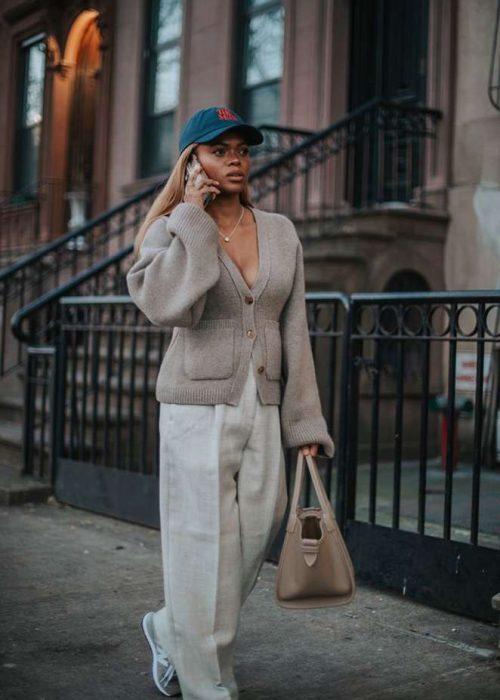
Certain proportion combinations consistently create balanced, polished looks. Mastering these formulas eliminates guesswork. Formula one: fitted top, relaxed bottom. This works with slim turtlenecks and wide-leg trousers, bodycons and full skirts, or simple tanks and loose linen pants. The fitted top provides structure while the relaxed bottom adds movement and ease. This combination suits most body types because it defines the upper body while providing comfort below.
Formula two: structured bottom, soft top. Tailored trousers with flowing blouses, pencil skirts with drapey knits, or crisp denim with slouchy sweaters all follow this principle. The structured bottom provides shape foundation while the soft top adds feminine drape. This formula particularly excels for creating hourglass effects regardless of your natural shape—the structure below defines your lower body while the soft fabric above skims your torso. Try this combination with pieces you already own: pair your most structured pants with your softest, most drapey top.
Formula three: volume top, streamlined bottom. Oversized sweaters with leggings, voluminous blouses with pencil skirts, or relaxed blazers with skinny jeans exemplify this approach. The volume provides visual interest and comfort while the streamlined bottom prevents shapelessness. This is particularly effective in 2026 as relaxed, oversized silhouettes dominate runways. Make them wearable by pairing with your slimmest bottoms—straight-leg jeans, slim trousers, or fitted midi skirts all work.
“There are no wrong clothes, only wrong expectations. Great style comes from understanding proportions and preference, not following body type rules” — Stylist Allison Bornstein
Formula four: monochromatic coordination. When you’re uncertain about proportion, wearing a single color from head to toe creates automatic visual coherence. This doesn’t mean boring—play with different textures and shades within your color family. All-black works, but so does tonal beige, various blues, or head-to-toe cream. The unbroken color line creates elegance while allowing you to experiment with actual garment proportions. Use this formula when breaking other proportion rules intentionally—if you want to wear volume on both top and bottom, a column of color makes it work.
The Hemline Height Principle
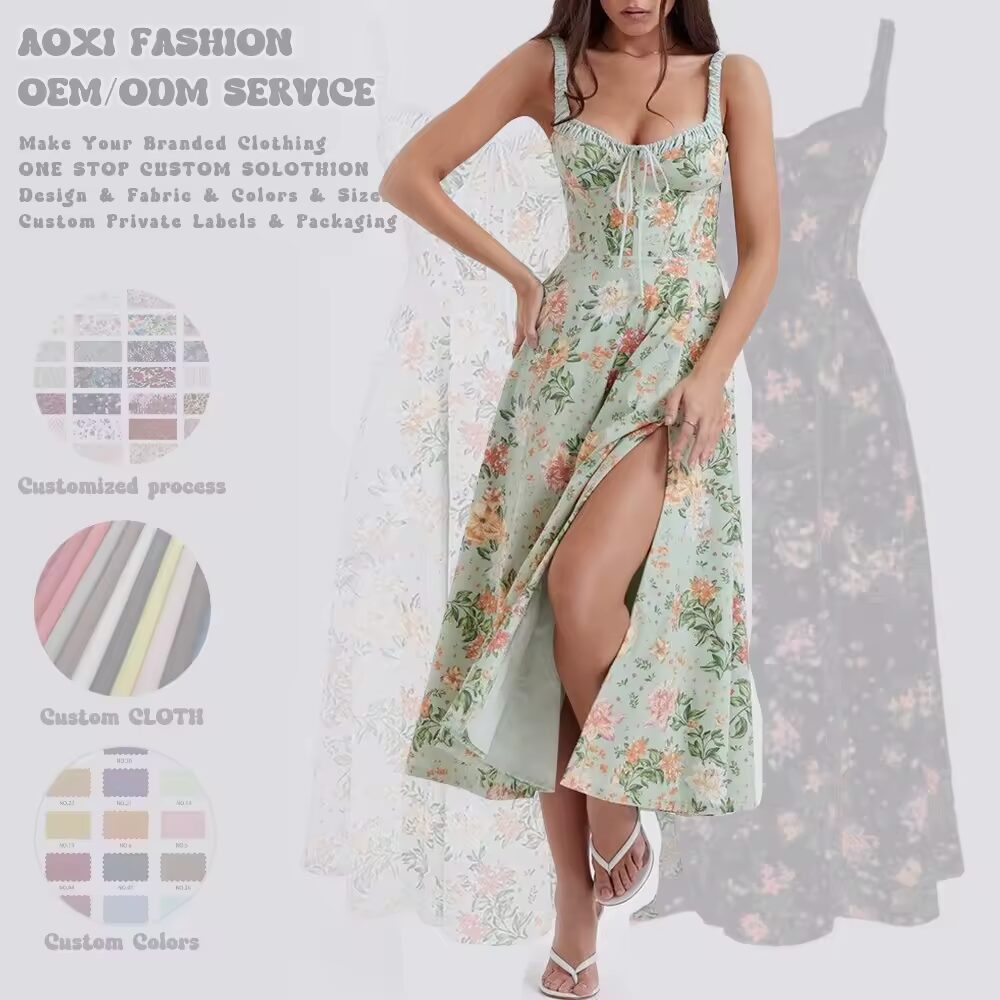
Hemlines create powerful proportion effects that most people ignore. Skirts and dresses should end at the narrowest point of whatever body part they expose, or just above or below the widest point—never at the widest point. This single principle transforms how skirts and dresses look on you. A midi skirt ending mid-calf hits most people at the widest part of their calf, creating visual width. Moving that hem two inches up or down changes everything.
Test your existing skirts and dresses against this principle. Knee-length should hit just above or just below your knee, not directly at it. Ankle-length should end at your ankle bone, not mid-calf. Midi-length varies dramatically based on your leg proportions—there’s no universal “midi” length. The piece should end at the narrowest part between your knee and ankle. This often means hemming purchased skirts, which frustrates people but dramatically improves how the garment looks. A $30 hem alteration makes a $200 skirt look like $500.
Cropped pants follow the same logic. They should end just above your ankle bone to elongate, not at your ankle or mid-calf where they visually shorten. Capris hitting mid-calf work against your proportions unless you’re specifically going for retro styling. Full-length pants should break slightly at your shoe or skim the top of your foot when wearing flats. Too-long pants that puddle at your ankles destroy your proportions regardless of how well everything else fits. Visit a tailor with your most-worn shoes and hem pants specifically for those heel heights.
Shoulder Line Science
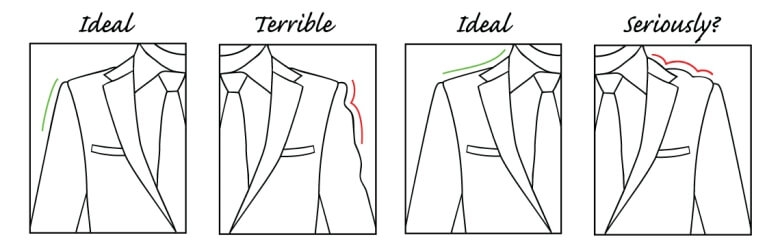
Shoulder fit affects proportion more dramatically than any other single fit point. When jacket or shirt shoulders extend beyond your natural shoulder line, the garment overwhelms your frame regardless of how the rest fits. When shoulders hit too narrow, you appear cramped and the garment pulls across your back. Correct shoulder fit means the shoulder seam sits exactly where your shoulder rounds into your arm—typically about an inch before where your arm begins.
This matters enormously for jackets and structured tops. An otherwise perfect blazer with shoulders half an inch too wide creates visual imbalance that no alteration can fully fix. Shoulder alterations are expensive and sometimes impossible depending on garment construction. This makes shoulder fit your primary consideration when shopping for anything structured. Everything else—sleeve length, hem, waist—tailors adjust easily. Shoulders they cannot. Try on structured pieces by checking shoulders first, before you even look in the mirror at overall fit.
Contemporary fashion often uses dropped shoulders intentionally. These work beautifully for casual, oversized looks but require understanding what you’re doing. A sweater with shoulders that fall to your upper arm creates specific proportions—relaxed, enveloping, cozy. Pair this with your most streamlined bottom to balance the volume. But that same dropped-shoulder silhouette in a blazer or button-up shirt just looks incorrect unless you’re specifically going for avant-garde styling. Know the difference between intentional proportion play and garments that simply don’t fit your shoulders.
- Direct attention downward with statement shoes or brighter-colored bottoms
- Choose V-necks and scoop necks to soften the shoulder line visually
- Wear flared or A-line skirts to create width at the bottom that balances the top
- Avoid additional shoulder emphasis like puff sleeves, thick shoulder pads, or boat necks
Pattern and Print Proportion
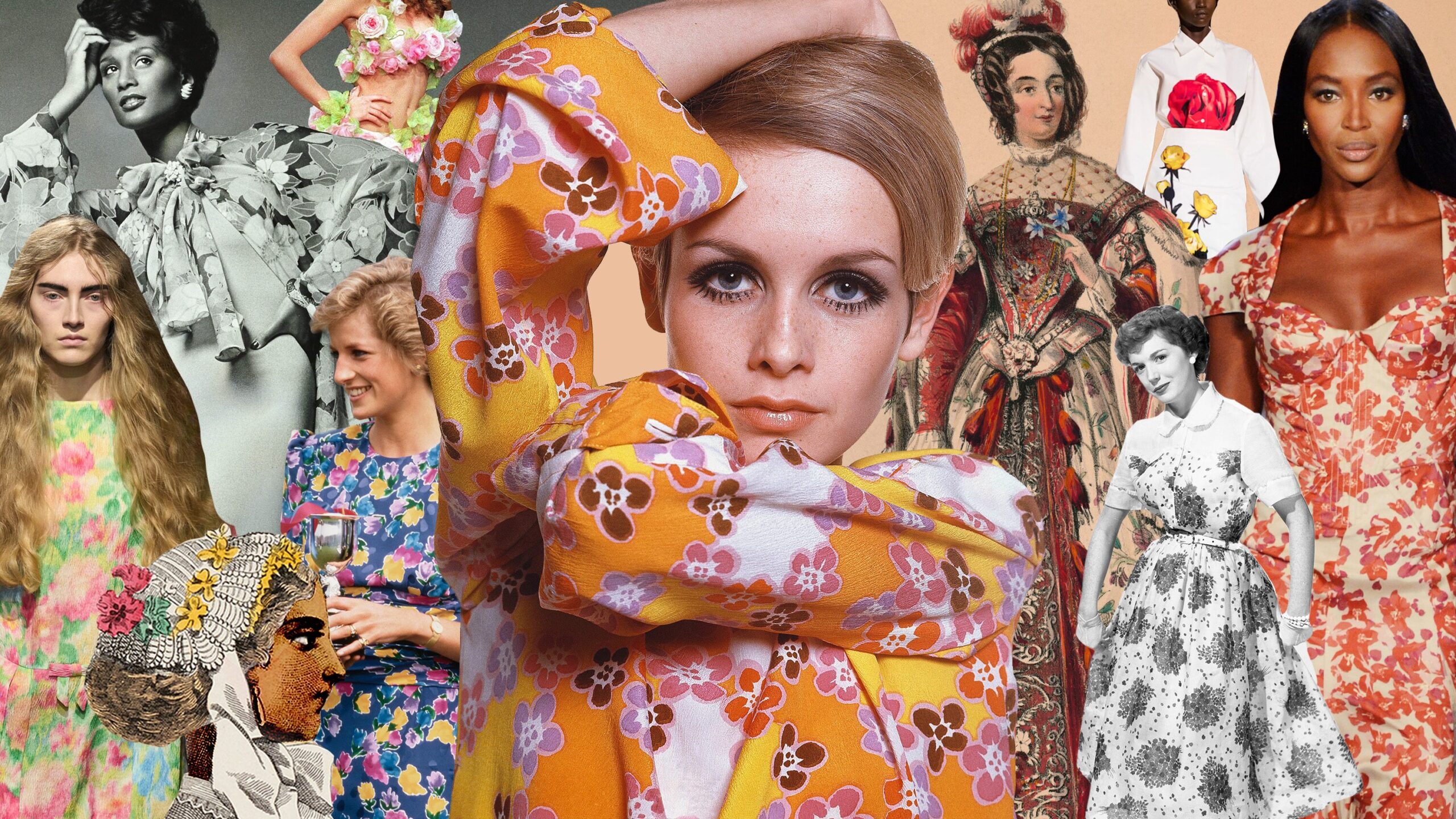
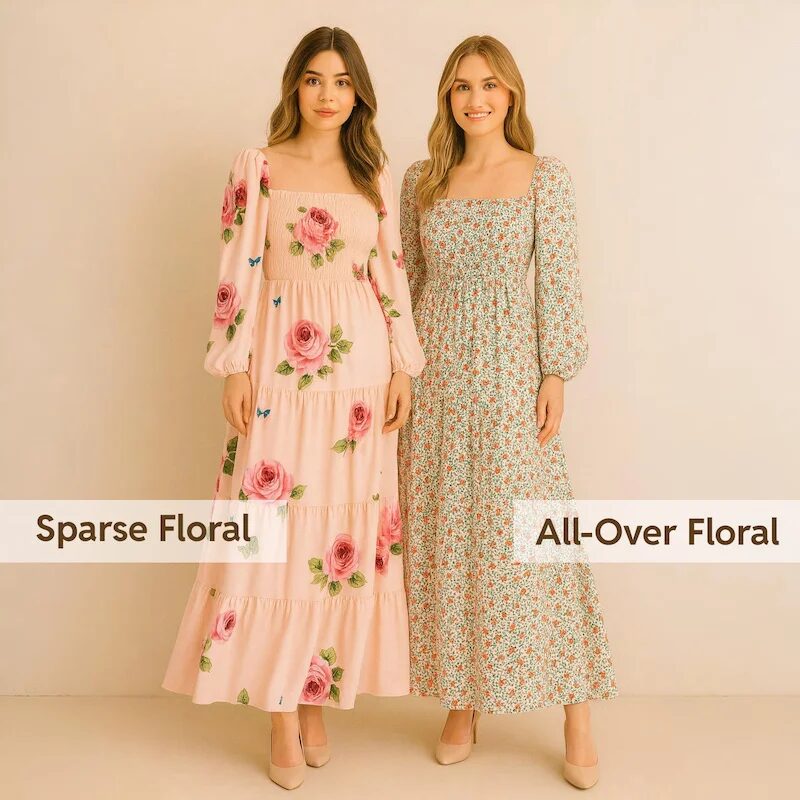
Pattern scale affects how garments read on your body. Large, bold prints make areas appear more prominent while small, delicate prints minimize. This doesn’t mean avoiding large prints if you’re petite or small prints if you’re tall—it means understanding their visual impact and using it intentionally. A large floral print draws attention wherever you place it. Use that strategically to emphasize your favorite features.
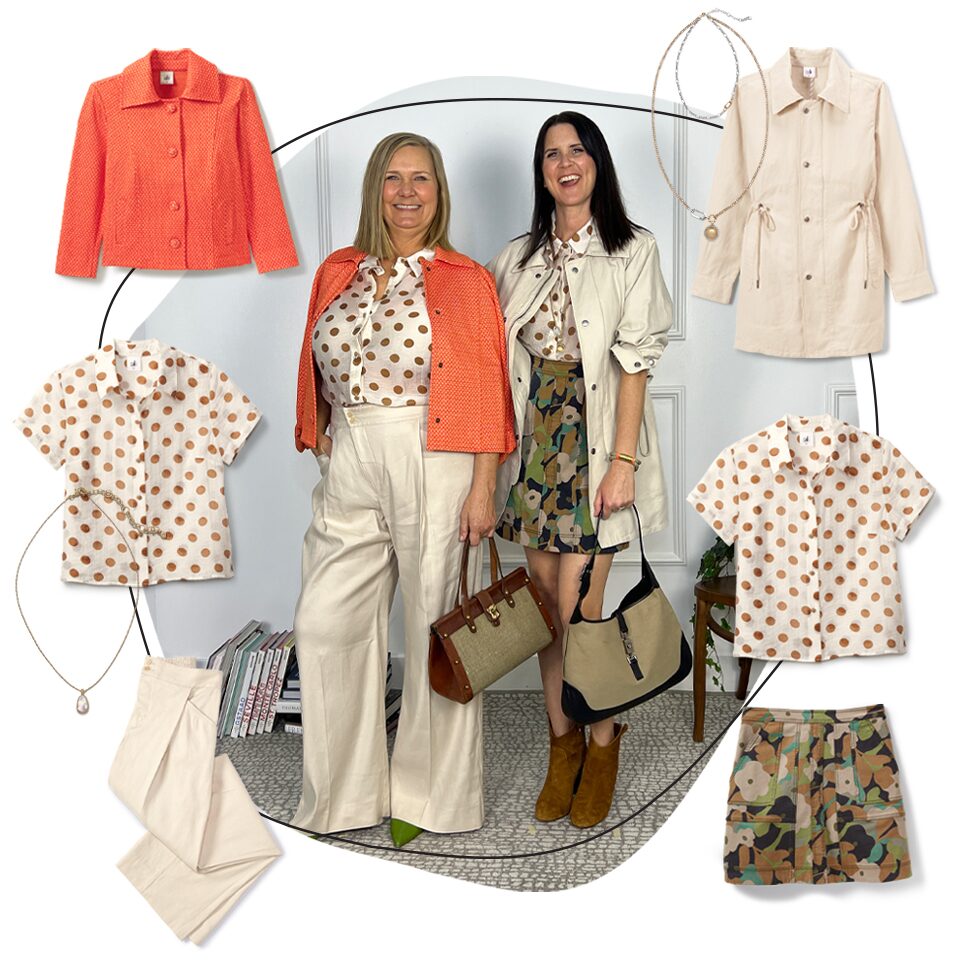
Mixing prints requires proportion awareness. Pairing items of similar visual weight creates cohesion—a chunky knit with substantial denim, or delicate silk with fluid satin. Proportion mistakes happen when visual weights clash: a heavy cable knit with lightweight chiffon, or substantial tweed with flimsy jersey. The materials compete rather than complementing. Check this in your closet: find pieces you never wear together despite liking them individually. The visual weight probably clashes.
Stripe direction completely changes proportion effects. Vertical stripes elongate; horizontal stripes create width. But here’s what fashion advice consistently gets wrong: horizontal stripes don’t automatically make you look wider if proportion and fit are correct. A horizontal-striped top in the right size, paired with appropriate bottoms following the volume formulas above, creates exactly the look you want. The problem isn’t horizontal stripes—it’s horizontal stripes on poorly fitted or poorly proportioned garments. Wear the stripes. Just apply proportion principles while doing it.
Making Proportion Work in Real Life
Theory means nothing without practical application. Start by photographing outfits you wear regularly. Photos reveal proportion issues your mirror doesn’t show because you see yourself three-dimensionally while others see you two-dimensionally, like a photograph. That distinction matters. An outfit that feels fine in the mirror might photograph with proportion problems you never noticed. Review these photos specifically for proportion: where does the eye go first? Does the outfit create visual flow or does it stop at awkward points?
Build a proportion reference file. Save images of people with similar body proportions wearing outfits that work beautifully. This isn’t about copying—it’s about understanding what proportion formulas apply to bodies similar to yours. Notice where hems hit, how volume balances, where waists get defined, what necklines they choose. These patterns reveal what will likely work for you without the trial and error of buying and returning dozens of pieces.
Shop differently with proportion knowledge. Before purchasing anything, ask: what do I already own that will balance this proportionally? An oversized sweater is only useful if you have streamlined bottoms to pair it with. A midi skirt only works if you’ve identified where your mid-calf narrowest point actually falls. This prevents the common mistake of buying individual pieces that look beautiful on the hanger but don’t integrate into your wardrobe proportionally. Every piece should work with at least three items you already own, creating balanced proportions in each combination.
Which proportion rule changed how you see your wardrobe? Share your discovery below.