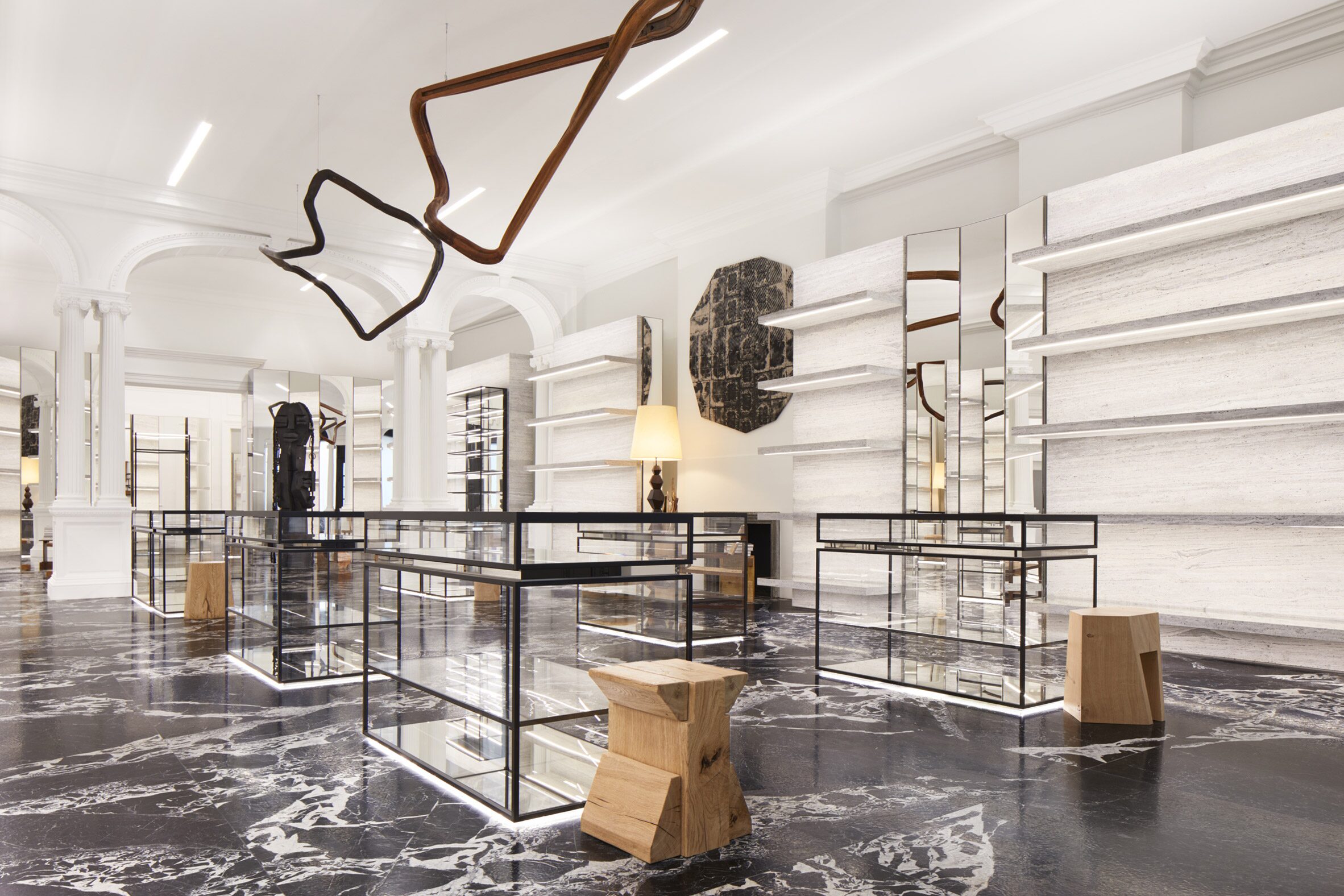
The RealReal reported that 58 percent of American consumers now prefer the secondary luxury market over buying new. Vintage searches increased 30 percent year-over-year across major resale platforms. Approximately one-third of all clothing purchases in the United States are now secondhand. These numbers don’t describe a trend. They document a fundamental recalibration of where fashion derives value. When more people hunt for Phoebe Philo-era Céline than queue for the current collection, when a 1990s Helmut Lang blazer commands higher prices than this season’s designer equivalent, the industry faces an uncomfortable truth: its past has become more compelling than its present.
The Death of Novelty Premium
Fashion’s business model has always depended on newness carrying inherent value. Brands charged premium prices for being first, for offering what no one else possessed yet. Seasonal collections created artificial scarcity that justified markups. This system functioned as long as consumers believed that new automatically meant better. That belief has collapsed.
Resale platforms now actively shape demand rather than merely responding to it. When The RealReal features archive Margiela, searches for vintage Margiela increase across all platforms. When Vestiaire Collective highlights a particular designer’s earlier work, prices rise for those pieces. The secondary market has evolved from passive repository to active tastemaker. This inverts traditional fashion power dynamics. Brands no longer control which pieces matter or when they matter.
This shift accelerates when creative directors change. Consumers rush to acquire “authentic” pieces from previous eras before brands establish new directions. Archive demand no longer follows the traditional fashion calendar. It creates its own cycles based on cultural nostalgia, designer departures, and collective reassessment of past work. Brands designed the system to make last season irrelevant. Instead, consumers decided that last decade matters more than next season. If you’re building a wardrobe with lasting relevance, focus on pieces from creatively stable periods—they maintain clearer identity and stronger resale value.
The Curator Class Rises
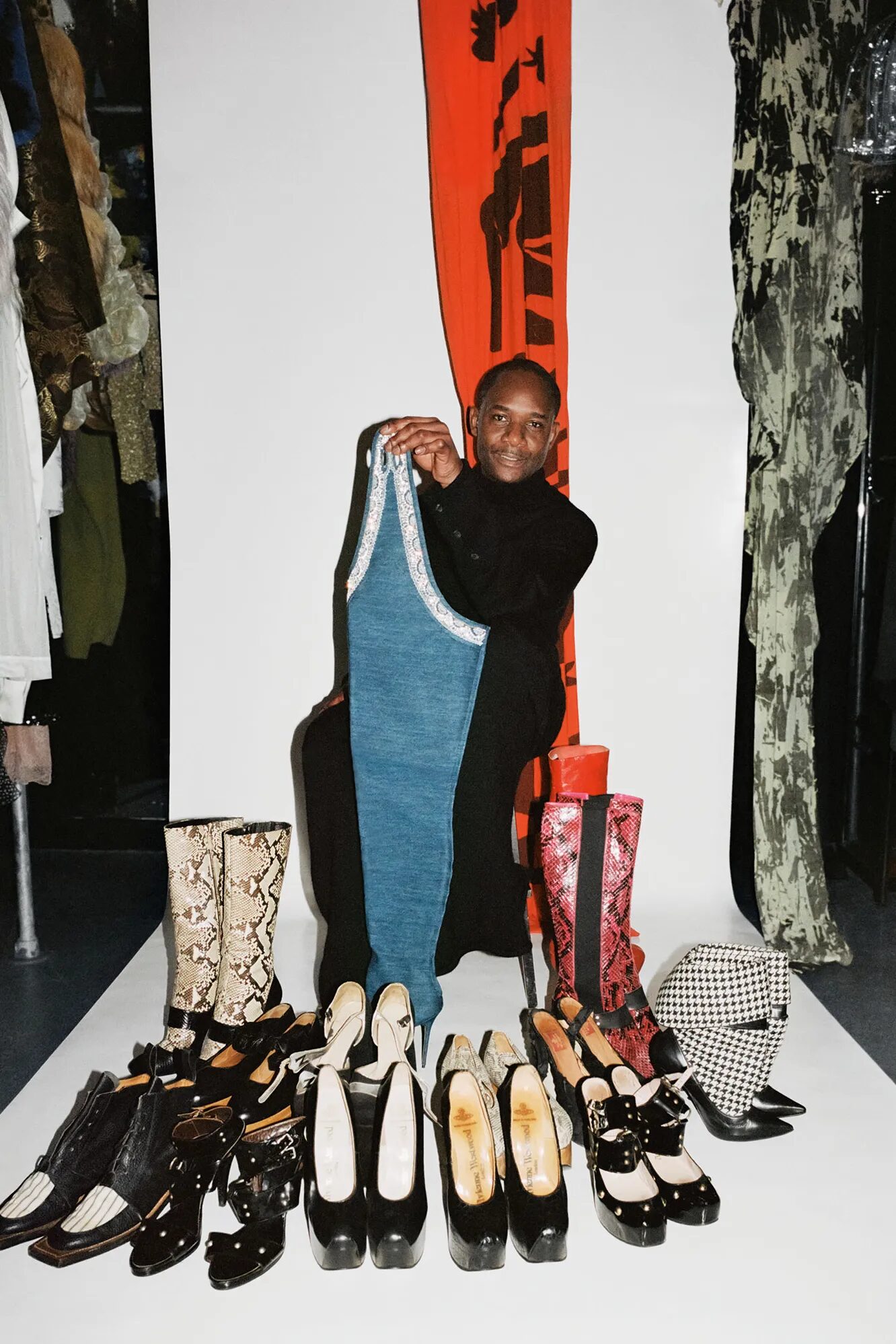
Archive collecting was once niche obsession. Dedicated enthusiasts spent years tracking down specific Raf Simons coats or early Martin Margiela pieces. They possessed specialized knowledge about fabrications, production years, and design evolution. This expertise created barriers that kept archive fashion exclusive. That exclusivity is eroding, but not democratizing. Instead, a new hierarchy has emerged.
The curator class operates differently from traditional luxury consumers. They don’t buy what brands tell them to want. They research. They study fashion history through university archives and museum collections. They understand why a 2003 Prada nylon jacket carries more cultural weight than current season offerings. Their knowledge becomes social capital in ways that simply purchasing expensive items never could. Archive fashion requires more than money—it demands time, research, and genuine understanding.
“Archive clothing is seen as the last bastion of authenticity in fashion—no one owns a piece of archive fashion without dedicating time and energy researching and hunting for it”.
This creates tension between accessibility and gatekeeping. Resale platforms promise to democratize luxury by making it affordable. But archive culture operates on specialist knowledge that maintains exclusivity through different means. You can buy a vintage Helmut Lang piece on Grailed. Understanding why that specific season matters, how it fits into the designer’s evolution, and what makes it culturally significant requires education that most consumers lack. The new luxury isn’t about price—it’s about knowing what to value and why.
The Authentication Crisis No One Wants to Discuss
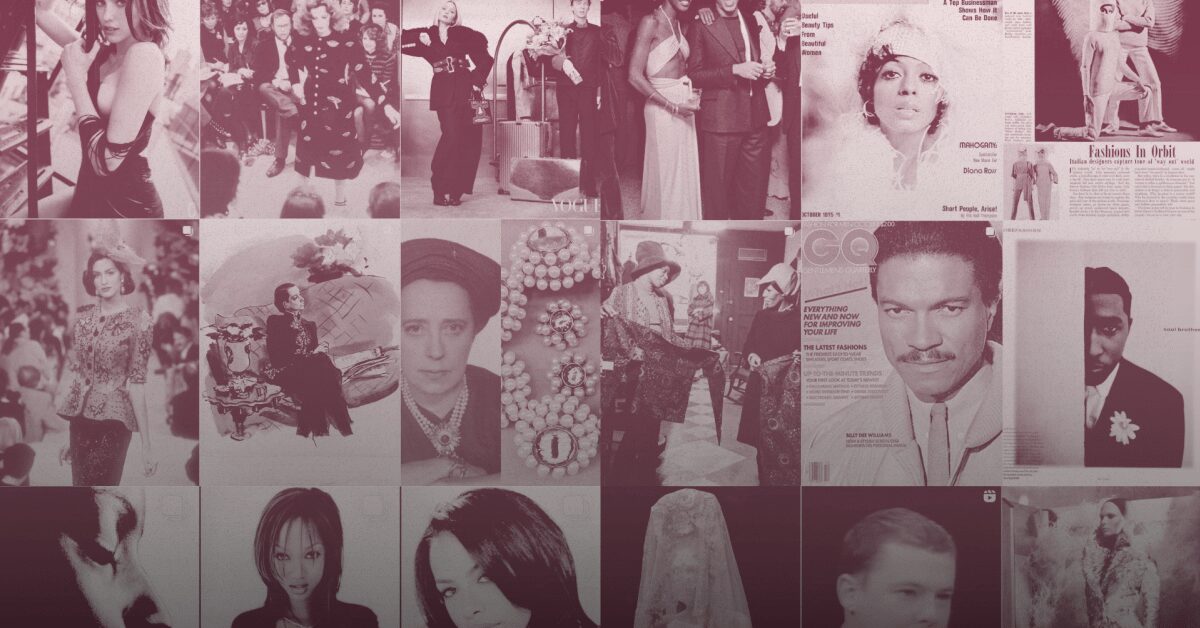
The luxury resale market is projected to reach $50 billion globally by 2028. This explosive growth depends entirely on one fragile system: authentication. When that system fails, the entire market’s credibility collapses. And it’s failing more often than platforms admit.
Vestiaire Collective’s valuation dropped from $1.7 billion in September 2021 to $1.17 billion in February 2024—a 31 percent decline. This happened while the luxury resale market grew at double-digit rates. The discrepancy reveals structural problems that valuations can no longer ignore. Authentication processes prioritize throughput over trust. Platforms scale processing speed because volume drives revenue. But luxury resale depends on certainty, not velocity.
- Buyer purchases Chanel bag, immediately doubts authenticity
- Attempts to resell same bag through same platform
- Platform declares bag fake, then reverses decision weeks later
- Trust destroyed regardless of final authentication result
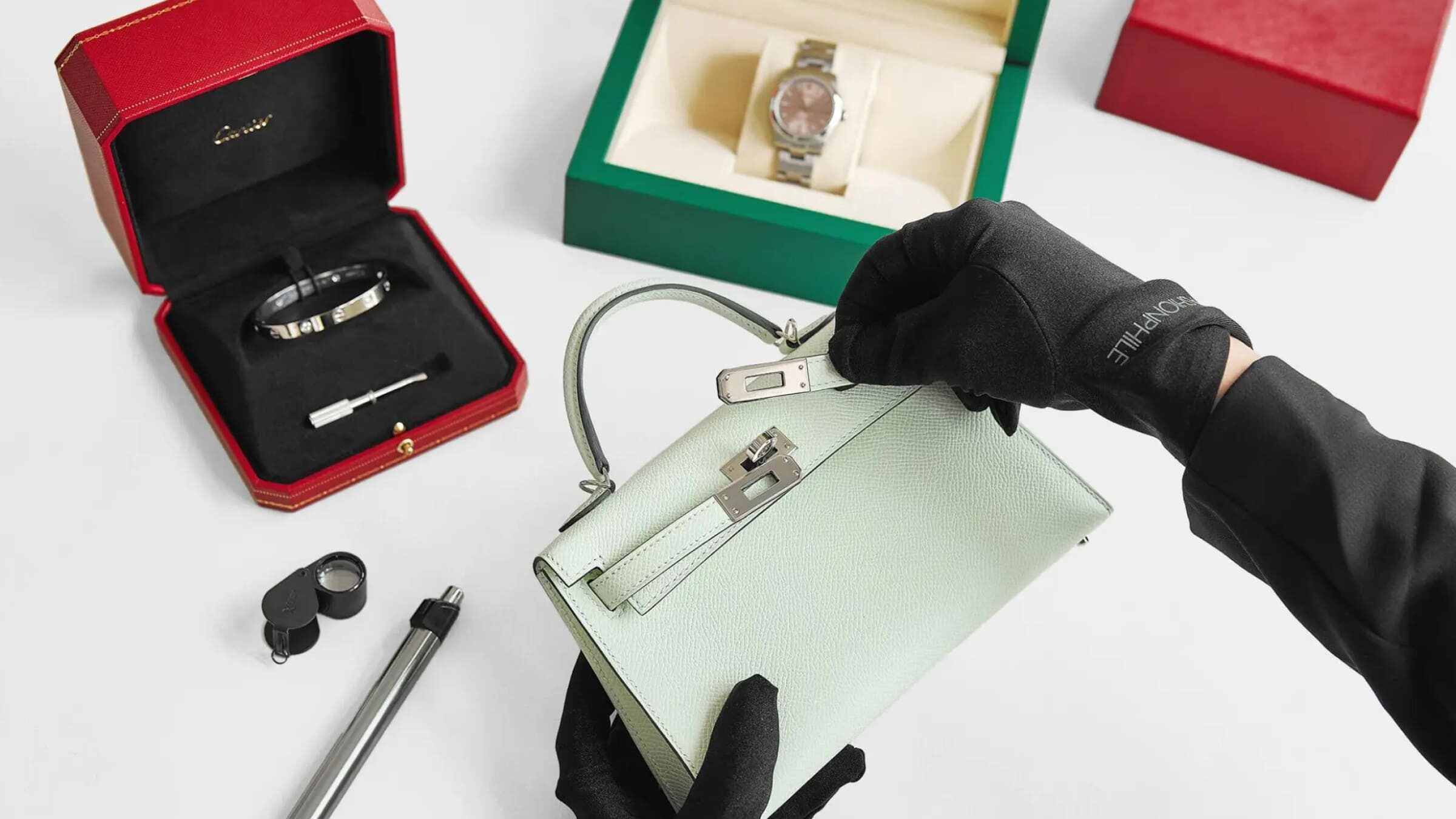
The problem compounds as volume increases. Counterfeiters study authentication criteria and adapt faster than platforms update their standards. High-quality fakes now replicate stitching patterns, hardware weights, and even leather aging. Visual inspection—the method most platforms still use—becomes insufficient. Advanced authentication requires forensic analysis: chemical composition testing, microscopic examination, and institutional expertise. These methods don’t scale efficiently. Platforms face impossible choices between thoroughness and profitability.
Auction houses solved this decades ago by treating authentication as the product itself. A Sotheby’s provenance report carries institutional authority built over centuries. The authentication process isn’t a bottleneck—it’s what justifies commission rates and establishes trust. Resale platforms haven’t learned this lesson. They treat authentication as operations rather than brand content. Until they change this approach, the sector remains vulnerable to systemic trust collapse. When purchasing vintage or resale pieces, prioritize platforms that provide detailed authentication documentation—it’s the only leverage you have if authenticity is later questioned.
What Brands Lose When Archives Gain Power
The shift to archive-driven consumption fundamentally challenges brand authority. Fashion houses spent decades building systems that ensured they controlled the narrative. They decided which pieces mattered through editorial placements and celebrity dressing. They determined when items became irrelevant by launching new collections. Resale markets operate outside this control structure.
Brands now watch consumers assign value to pieces they’ve long abandoned. A collection that performed poorly at retail sometimes becomes cult grail five years later. Designers who left brands in difficult circumstances see their work appreciated only after departure. This delayed recognition undermines the urgency brands need to drive full-price sales. Why buy current season at full markup when you can acquire better-designed pieces from previous eras at lower cost?
Some brands attempt to reclaim control through official resale programs. Gucci, Burberry, and others have launched authenticated pre-owned platforms. These initiatives serve multiple purposes: capturing resale revenue, maintaining quality control, and influencing which archive pieces gain prominence. But brand-operated resale creates inherent conflicts. Do they authenticate pieces that might compete with current collections? Do they reject items that carry controversial associations? The tension between commercial interests and authentication integrity never fully resolves.
Private brand archives present similar complications. Fashion houses maintain extensive collections of past work—Prada preserves 53,000 garments spanning decades. These archives serve design teams as research tools and marketing departments as heritage assets. But they also document creative directions that current leadership may prefer to minimize. Opening archives to researchers or public viewing means surrendering control over interpretation. A brand might want to emphasize certain eras while downplaying others. Scholars and collectors have different priorities. They’re interested in complete creative evolution, not curated brand mythology.
The Cultural Shift Behind Market Numbers
Numbers describe what’s happening. They don’t explain why. The migration from new fashion to archive collecting reflects deeper cultural recalibration about value, identity, and time. Younger consumers particularly question whether newness itself carries meaning. They’ve watched fast fashion cycles accelerate to the point of absurdity. They’ve seen trends appear and disappear within weeks. This constant churn creates exhaustion rather than excitement.
Archive fashion offers antidote to relentless temporality. A 1998 Helmut Lang piece existed before you discovered it. It will exist after you pass it to someone else. This permanence provides anchor in a culture of constant flux. Wearing archive fashion becomes act of curation rather than consumption. You’re not buying into a trend. You’re selecting from fashion history based on personal aesthetic judgment.
This shift also challenges luxury’s traditional value propositions. Brands built prestige on exclusivity through price barriers. But when archive pieces often cost less than current collections while carrying more cultural capital, price no longer correlates with status. The new luxury hierarchy values knowledge, research, and taste over purchasing power alone. Anyone with sufficient funds can buy a Gucci handbag. Understanding why a specific season of Tom Ford-era Gucci matters requires engagement that money can’t purchase directly.
Environmental consciousness provides convenient justification, but sustainability alone doesn’t explain archive culture’s rise. Consumers who genuinely prioritized environmental impact would wear clothes until they physically deteriorated, not cycle through vintage purchases. Archive collecting is consumption—just redirected consumption. The appeal lies in participating in fashion culture without supporting systems that feel increasingly hollow. When current collections seem uninspired, archives offer access to fashion’s more compelling moments.
The Paradox Brands Can’t Resolve
Fashion brands face structural paradox they cannot solve within existing business models. They must convince consumers that new collections deserve premium prices while simultaneously operating resale platforms that assign value to old collections. They need to make current work feel urgent while acknowledging that previous eras produced superior design. They want to benefit from heritage while avoiding comparison to their own better past.
This paradox intensifies as creative director turnover accelerates. When brands cycle through leadership every few years, they can’t build the coherent multi-decade bodies of work that become valuable archives. Collectors seek designers who developed recognizable vocabularies over extended periods. Phoebe Philo’s Céline resonates because she had a decade to refine her vision. Three-year creative director stints don’t produce that kind of depth. Brands are simultaneously creating the conditions that make archive fashion appealing while destroying the creative continuity that makes archives valuable.
Regulatory pressure will compound these tensions. Governments increasingly mandate circular fashion practices. Brands that actively participate in resale may influence these regulations. But circular systems work against planned obsolescence that fashion historically depended upon. A truly circular model would prioritize durability and timelessness—exactly the qualities that reduce frequent purchasing. Brands must choose between genuinely embracing circularity and maintaining growth targets based on constant consumption. Most will attempt uncomfortable middle ground that satisfies neither objective.
What Comes After the Archive Boom
Archive culture has reached saturation in specific segments. Core collectors already own key pieces. Prices for top-tier vintage items now rival or exceed current season luxury. The next phase either expands the definition of what constitutes valuable archive fashion or faces correction as speculative fervor cools. Both possibilities carry implications for how fashion operates.
Expansion means consumers start valuing more recent work, shorter-lived brands, or previously overlooked designers. This democratizes archive culture while diluting the expertise that gave it meaning. When everything potentially becomes collectible archive, nothing holds special status. The knowledge hierarchy collapses and archive fashion becomes another form of consumption rather than alternative to it. Some platforms already show this pattern—promoting pieces as “archive” simply because they’re not current season, regardless of actual cultural or design significance.
Correction would force honest assessment of which fashion actually deserves long-term attention. Most clothing, even from prestigious designers, doesn’t merit preservation. It was mediocre when produced. Time doesn’t improve mediocre design. A genuine archive culture would acknowledge this and focus on truly significant work. But that selectivity conflicts with resale platforms’ need for inventory and revenue. The tension between curatorial standards and commercial imperatives never fully resolves.
The most likely outcome involves fragmentation. A small segment continues serious archive collecting based on knowledge and historical significance. A larger market treats “vintage” as aesthetic category rather than historical practice—buying old clothes because they look different, not because they represent important design moments. And luxury brands keep trying to have everything simultaneously: new product urgency, heritage authority, resale revenue, and circular credentials. None of these groups will be fully satisfied. But fashion has always thrived on contradiction. This might be the most productive contradiction yet.
If you could own only one piece—a current season designer item at full price or an archive piece from fashion’s most significant era—which would you choose and why?