Sephora removed 43 “regenerative” skincare products from shelves in February 2025. The FTC issued warnings to 12 biotech beauty brands for unsubstantiated claims. Consumer Reports found that 78% of tested regenerative serums showed no measurable difference from standard formulations. These numbers expose an uncomfortable truth. The regenerative beauty movement promised revolution but delivered expensive disappointment.
The concept sounded compelling. Biotech labs would engineer ingredients that rebuild skin at cellular levels. Fermented compounds would communicate with your dermis. Peptide sequences would reprogram aging processes. Marketing materials featured microscope imagery and lab-coat scientists. Consumers paid $200-500 per product. Results rarely matched the investment.
The disconnect between promise and performance stems from fundamental misunderstandings about skin biology. Brands exploited scientific terminology without scientific rigor. They confused innovation with effectiveness. They prioritized patents over performance. The regenerative beauty bubble has burst. Understanding why helps identify what actually works.
The Science Behind Regenerative Beauty Claims
Regenerative beauty borrows language from medical regenerative medicine. The field uses stem cells and growth factors to repair damaged tissue. These treatments require clinical administration. They target serious medical conditions. Cosmetic products can’t replicate these processes through topical application.
The skin barrier exists for protection. It prevents external substances from penetrating deeply. Most biotech ingredients remain on the surface. They can’t reach the dermal layers where regeneration occurs. This fundamental limitation undermines nearly every regenerative claim.
Molecular weight matters critically. Ingredients larger than 500 daltons struggle to penetrate intact skin. Most biotech peptides range from 1,000 to 3,000 daltons. They’re too large for meaningful absorption. Brands rarely discuss this inconvenient fact. They focus on laboratory results using isolated skin cells instead.
The fermentation process adds another layer of confusion. Fermenting ingredients creates smaller molecular fragments. However, smaller doesn’t automatically mean more effective. The skin recognizes and processes specific molecular structures. Random fermentation byproducts don’t necessarily trigger beneficial responses. They might do nothing at all.
Growth factors represent the most overhyped category. These proteins signal cellular behavior in living systems. In skincare formulations, they’re unstable. They degrade quickly. They require specific conditions to maintain activity. Most products can’t provide these conditions. Testing rarely confirms that growth factors remain active after manufacturing, shipping, and storage.
Why Premium Price Tags Don’t Guarantee Results
Augustinus Bader’s cult favorite cream costs $285 per 50ml. The brand claims TFC8 technology triggers cellular renewal. Independent testing by cosmetic chemist Michelle Wong found the formula contains standard ingredients at typical concentrations. The proprietary complex showed no unique benefits over well-formulated drugstore alternatives.
OneSkin’s OS-01 peptide positions itself as scientifically validated. The company published research showing benefits in lab conditions. However, the studies used concentrations far higher than the retail product contains. The marketed formulation uses approximately 10% of the tested dose. This gap renders the research essentially irrelevant to consumer outcomes.
Dr. Barbara Sturm’s molecular cosmetics line ranges from $145 to $900 per product. The brand emphasizes anti-inflammatory properties and cellular optimization. Dermatologist Dr. Shereene Idriss analyzed the formulations publicly. She identified standard moisturizing ingredients dressed in scientific language. The premium pricing reflects branding, not formulation superiority.
Biossance’s squalane-based line represents a more honest approach. They use biotech fermentation to create sustainable squalane. The ingredient itself performs identically to traditional sources. The innovation lies in production methods, not skin benefits. Their pricing ($40-70) reflects realistic value rather than inflated biotech premiums.
Consumer psychology explains the pricing strategy. Higher prices signal quality and innovation. Buyers assume expensive products work better. This halo effect allows brands to charge premiums without superior results. The placebo effect further complicates assessment. Believing a product works can create perceived improvements regardless of actual efficacy.
Save your money on unproven biotech claims. Stick with ingredients that have decades of research behind them. Retinoids cost $15-80 and deliver proven anti-aging results. Vitamin C serums range from $20-60 and offer verified brightening benefits. These basics outperform regenerative alternatives consistently.
Ingredients That Actually Work: Evidence-Based Alternatives
Retinoids remain the gold standard for anti-aging. Over 50 years of research confirms their effectiveness. They increase cell turnover, boost collagen production, and reduce fine lines. Prescription tretinoin (0.025%-0.1%) delivers strongest results. Over-the-counter retinol (0.1%-1%) offers gentler alternatives.
Start with 0.25% retinol three times weekly. Your skin needs adjustment time. Increase frequency gradually over three months. Eventually, you can use it nightly. Pair with a basic moisturizer. Apply retinoid first, wait 20 minutes, then moisturize. This method maximizes effectiveness while minimizing irritation.
Vitamin C (L-ascorbic acid) provides antioxidant protection and brightening. Research shows 10-20% concentrations deliver optimal results. Lower percentages lack efficacy. Higher concentrations increase irritation without added benefits. Look for formulations with pH below 3.5 for stability and penetration.
Apply vitamin C in the morning before sunscreen. It enhances sun protection when layered correctly. Store products in opaque, airlock containers. Light and air degrade vitamin C rapidly. Replace opened products every three months regardless of remaining product. Oxidized vitamin C turns yellow-brown and becomes ineffective.
Niacinamide (vitamin B3) addresses multiple concerns simultaneously. It reduces inflammation, regulates oil production, and improves barrier function. Research supports 5% concentration as effective. Higher amounts don’t improve results. This ingredient works for all skin types without irritation risk.
Use niacinamide morning and evening. It layers well with other actives. Combine it with retinoids for enhanced tolerance. Pair it with vitamin C despite old myths about incompatibility. Modern formulations work together without issues. The versatility makes niacinamide essential for evidence-based routines.
- Morning: Vitamin C 15% + Niacinamide 5% + SPF 50
- Evening: Retinol 0.5-1% + Basic moisturizer
- Weekly: Glycolic acid 10% (exfoliation)
- Budget: $80-120 total for 3-month supply
Glycolic acid exfoliates effectively at 10% concentration. It removes dead skin cells. It improves texture and brightness. Use it twice weekly initially. Increase to three times after skin adapts. Never use on the same night as retinoids. Combining these acids causes excessive irritation.
Ceramides and peptides serve supporting roles. Ceramides strengthen the barrier. Look for formulations containing ceramides 1, 3, and 6-II. Peptides may offer mild benefits. Don’t expect dramatic anti-aging results. Use them in moisturizers for hydration plus potential modest improvements.
How to Build an Effective Anti-Aging Routine Without Biotech Hype
Step 1: Morning Protection Protocol
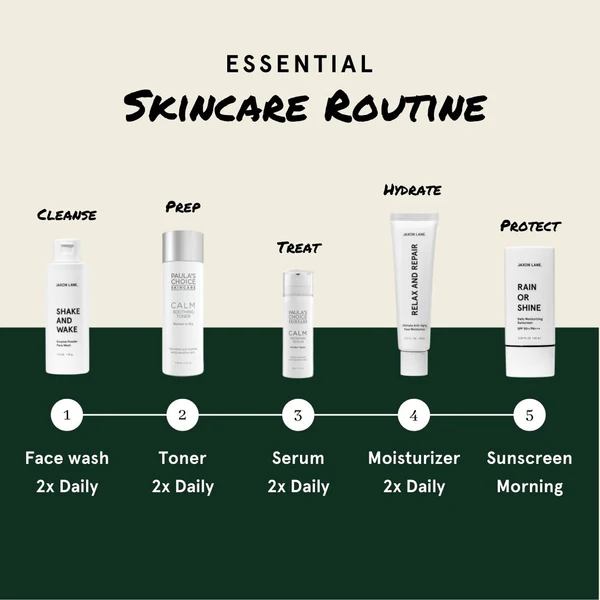
Cleanse with a gentle, pH-balanced cleanser. Pat skin dry rather than rubbing. Apply 3-4 drops of vitamin C serum. Spread evenly across face and neck. Wait 60 seconds for absorption. Follow with niacinamide serum if desired. Wait another 60 seconds. Apply moisturizer appropriate for your skin type. Finish with SPF 50 sunscreen. Use at least 1/4 teaspoon for adequate protection.
This sequence maximizes ingredient effectiveness. Active ingredients go on first. They need direct skin contact. Moisturizer and sunscreen seal everything in. They create a protective barrier. Never skip sunscreen. UV damage undermines all other efforts. Reapply every two hours when outdoors.
Step 2: Evening Repair Sequence
Double cleanse at night. Use oil-based cleanser first to remove makeup and sunscreen. Follow with water-based cleanser for thorough cleaning. This two-step process prevents pore congestion. Pat skin dry completely. Apply retinoid while skin is still slightly damp. This enhances penetration. Use a pea-sized amount for entire face. Spread from center outward.
Wait 20-30 minutes before moisturizing. This buffer time prevents dilution. It reduces irritation for sensitive skin. Apply generous moisturizer. Look for formulations with ceramides and hyaluronic acid. These ingredients support barrier repair. Add facial oil if your skin needs extra hydration. Press it gently into skin rather than rubbing.
Step 3: Weekly Enhancement
Exfoliate with glycolic acid Sunday and Wednesday evenings. Skip retinoid on exfoliation nights. Apply glycolic acid after cleansing. Leave on for 5-10 minutes. Follow with moisturizer. This schedule prevents over-exfoliation. It maintains gentle but effective treatment.
Use a hydrating mask Friday evenings. Look for ingredients like honey, aloe, or oat extract. Leave on for 15-20 minutes. Rinse with lukewarm water. Apply your regular evening routine. Masks boost hydration. They calm inflammation from the week’s active ingredients.
Step 4: Adjustments for Different Skin Types
Oily skin needs lighter textures. Choose gel-based vitamin C serums. Select oil-free moisturizers. Use retinoids nightly after adjustment period. Your sebum production tolerates active ingredients better. Avoid heavy occlusive products. They trap oil and cause breakouts.
Dry skin requires richer formulations. Look for cream-based vitamin C products. Select moisturizers with shea butter or squalane. Start retinoids twice weekly. Increase very gradually. Add a facial oil in winter. Layer it over moisturizer for extra protection. Never skip moisturizer even with oily-looking skin.
Sensitive skin demands careful introduction. Begin with 0.25% retinol once weekly. Increase frequency monthly. Choose fragrance-free products exclusively. Avoid essential oils entirely. They cause unnecessary irritation. Patch test new products on your jawline. Wait 48 hours before full application.
Common Regenerative Beauty Myths Debunked
Myth: Bioengineered ingredients penetrate deeper than traditional ones
Reality: Penetration depends on molecular weight and formulation vehicle, not production method. A bioengineered peptide faces the same barrier limitations as a traditional one. The skin doesn’t care whether an ingredient came from a lab or a plant. It responds to molecular structure and concentration.
Laboratory studies often use damaged skin models. These allow penetration that intact, healthy skin prevents. Brands cite these studies without mentioning the conditions. They create false expectations. Real-world performance differs dramatically from laboratory results.
Myth: Fermented ingredients are automatically more effective
Reality: Fermentation creates molecular fragments through breakdown. These fragments aren’t necessarily beneficial. Some might trigger inflammation. Others might do nothing at all. The process lacks precision. You can’t predict outcomes reliably.
Traditional ingredients undergo rigorous testing. Researchers identify active compounds. They standardize concentrations. They verify stability. Fermented ingredients skip these steps. They rely on process claims rather than outcome evidence. This creates unnecessary uncertainty.
Myth: Growth factors in skincare regenerate skin cells
Reality: Topical growth factors can’t penetrate to dermal layers where cell regeneration occurs. Even if they could, they degrade too quickly in cosmetic formulations. They require refrigeration and specific pH ranges. Most products can’t maintain these conditions. The growth factors become inactive before you open the jar.
Medical growth factor treatments use injections or microneedling. These methods deliver ingredients past the barrier. They maintain cold chain throughout. Cosmetic products can’t replicate these conditions. The comparison misleads consumers.
Myth: Expensive products work better than affordable alternatives
Reality: Ingredient effectiveness depends on concentration, formulation, and stability, not price. A $15 retinol can outperform a $300 peptide serum. Research focuses on active ingredients, not brand names. The Ordinary’s 1% retinol ($6.80) contains the same active as luxury alternatives. The difference lies in packaging and marketing.
“The regenerative beauty movement confused innovation with effectiveness. Having a patent doesn’t guarantee skin benefits. Having research showing laboratory activity doesn’t translate to consumer results.” — Dr. Michelle Wong, Cosmetic Chemist and Lab Muffin Beauty Science founder
Dermatologists consistently recommend the same basic ingredients. Retinoids, vitamin C, niacinamide, and sunscreen. These work regardless of price point. Focus on proper formulation rather than marketing hype. Your skin responds to chemistry, not advertising budgets.
Smart Shopping: What to Look For Instead
Prioritize Proven Ingredients Over Proprietary Complexes
When ingredient lists feature registered trademarks, approach skeptically. Brands create proprietary names to hide simple formulations. “Advanced Peptide Complex™” might just be standard matrixyl. “Cellular Renewal Technology™” could be basic retinol. Demand transparency. Choose brands that clearly identify active ingredients and concentrations.
The Ordinary exemplifies this transparency. Their product names state exactly what they contain. “Retinol 1% in Squalane” tells you everything you need to know. Compare this to vague claims like “Age-Defying Regenerative Serum.” The clarity helps informed decisions. It prevents expensive mistakes.
Check Third-Party Testing and Certifications
Look for products tested by independent laboratories. Consumer Reports and Cosmetic Ingredient Review provide unbiased assessments. Dermatologist testing should mean clinical trials, not just dermatologist endorsement. The difference matters significantly. Anyone can pay a dermatologist to attach their name. Proper testing requires controlled studies with measurable outcomes.
USP verification and NSF certification indicate quality control. These organizations test for purity and potency. They verify that products contain stated amounts of active ingredients. Many expensive brands skip this verification. They rely on in-house testing instead. Third-party confirmation provides crucial accountability.
Read Beyond Marketing Materials
Product descriptions focus on aspirational language. They avoid specific claims that require substantiation. Phrases like “helps support,” “works to improve,” and “promotes healthy-looking” mean nothing concrete. They’re designed to suggest benefits without making verifiable promises. Smart consumers ignore these phrases entirely.
Look for specific concentrations. “Contains vitamin C” differs dramatically from “15% L-ascorbic acid.” The latter provides actionable information. The former could mean 0.1% or 20%. Without concentration data, you can’t assess potential effectiveness. Brands hiding concentrations usually have something to hide.
Calculate Cost Per Use
A $200 serum lasting 90 days costs $2.22 daily. A $30 serum lasting 60 days costs $0.50 daily. If both contain the same active ingredients at similar concentrations, the cheaper option delivers better value. Luxury packaging and marketing shouldn’t command 300% premiums. Calculate cost per day or per use rather than per bottle. This reveals true value.
Consider that dermatologists often prescribe generic tretinoin for $30-50 per tube. It lasts 3-4 months. That’s approximately $0.35 per day for the most effective anti-aging ingredient available. No regenerative biotech product offers comparable value or effectiveness.
The regenerative beauty movement promised scientific breakthroughs but delivered expensive disappointments. The disconnect between laboratory research and practical outcomes revealed fundamental problems with the category. Brands prioritized novel production methods over proven effectiveness. They confused innovation with results. They exploited consumer trust in scientific terminology.
Your skin doesn’t need regeneration through topical products. It needs protection, hydration, and gentle enhancement of natural processes. Sunscreen prevents the majority of aging. Retinoids enhance natural cell turnover. Antioxidants protect against environmental damage. These basics work better than any regenerative technology currently available.
The future of effective skincare lies not in biotech laboratories but in simplified, evidence-based routines. Choose ingredients with decades of research behind them. Demand transparency about concentrations and formulations. Calculate value based on active ingredients rather than marketing promises. Your skin—and wallet—will thank you.
Which proven skincare ingredient has delivered the best results in your routine, and are you ready to stop chasing biotech promises for evidence-based alternatives?