Charlotte Tilbury’s latest campaign metrics reveal a 340% surge in searches for “velvet skin finish” since December 2025. The glazed donut era has officially ended. In its place emerges a sophisticated texture that makeup artists describe as “touchably soft” rather than reflective. This shift represents more than aesthetic preference—it signals beauty’s evolution toward wearability, skin health, and a finish that photographs as beautifully as it feels.
The Science Behind the Blur
Velvet skin combines matte sophistication with subtle luminosity. The finish eliminates surface shine while maintaining dimensional radiance beneath. Dermatologists advocate for this approach because it doesn’t rely on occlusive silicones that trap oil and bacteria. Instead, modern formulations use light-diffusing microspheres and skin-identical lipids.
The texture achieves what heavy matte makeup from 2014 could not—breathability. Your skin continues its natural functions while appearing perfected. Niacinamide-infused blurring serums treat inflammation as they create that soft-focus effect. Pomegranate extract provides antioxidant protection alongside visual refinement.
Start with a hydrating serum containing hyaluronic acid before any blurring products. This creates the inner glow that distinguishes velvet skin from flat matte finishes. Layer a barrier-repair moisturizer next—ceramides and peptides maintain that plush texture throughout wear.
Why the Glossy Era Ended
Glazed skin dominated 2023-2025, but dermatologists noticed consequences. The heavy layering of oils and illuminating products often emphasized texture irregularities. Patients with active breakouts or enlarged pores found the trend unflattering. The velvet movement offers solution—it gently blurs rather than highlights imperfections.
Celebrity makeup artist Christian Briceno confirms the industry pivot. “Makeup in 2026 shifts away from shiny, glazed appearances,” he states. The new aesthetic feels more refined. Skin appears healthy without looking coated in product.
Social media analytics support this transition. TikTok’s #cloudkin hashtag accumulated 2.8 billion views by January 2026, predominantly featuring blurred finishes. Instagram beauty content shows 67% decrease in highlighter application tutorials compared to last year.
For oily skin types, velvet formulations provide all-day confidence without constant blotting. Choose foundations with salicylic acid if you’re prone to congestion—they’ll control sebum while creating that signature blur. Dry skin benefits from cream-to-powder blushes that melt seamlessly without emphasizing flakiness.
The Product Architecture
Building velvet skin requires strategic layering. Each product serves dual purpose—skincare benefit and visual refinement. This approach satisfies 2026’s demand for multifunctional beauty.
Primers now incorporate peptides alongside blurring microspheres. These signal collagen production while smoothing texture optically. Tarte’s Timeless Smoothing Primer exemplifies this hybrid category. It fills pores temporarily while strengthening barrier function long-term.
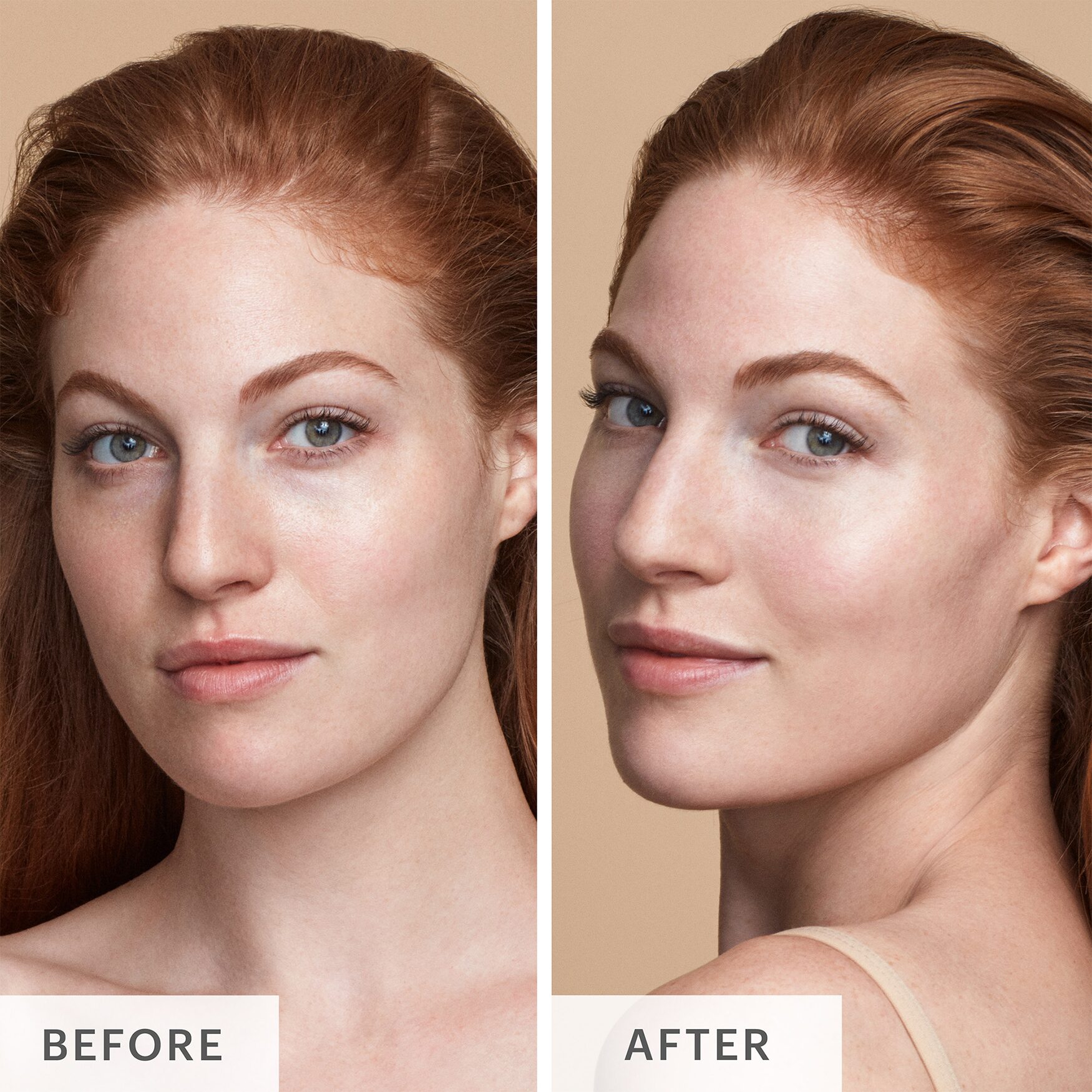
Foundations have evolved beyond simple coverage. Formulations blend serum technology with pigment. Anastasia Beverly Hills’ Beauty Balm Serum Boosted Skin Tint delivers that coveted finish—present but imperceptible. The coverage remains sheer to light, allowing skin’s natural variation to show through softly.
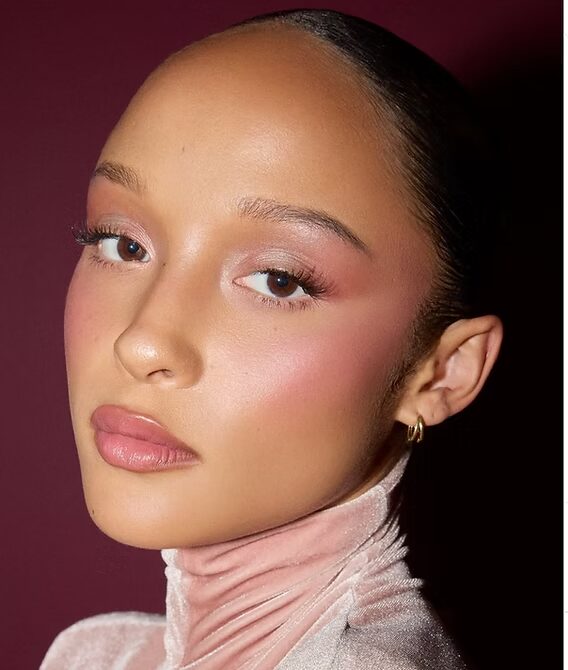
Blushes define the velvet movement most clearly. Color maintains intensity but edges dissolve into skin rather than sitting atop it. Serum blushes from brands like Anastasia incorporate niacinamide and fruit extracts. Apply with fingertips using pressing motions—this technique melds pigment with your natural flush.
- Oily skin: Gel-based primers with salicylic acid, powder-finish foundations
- Dry skin: Serum blushes, tinted moisturizers with hyaluronic acid
- Combination skin: Powder-cream hybrids that adapt to zones
- Mature skin: Peptide-rich formulas that blur without settling into lines
Application Techniques That Matter
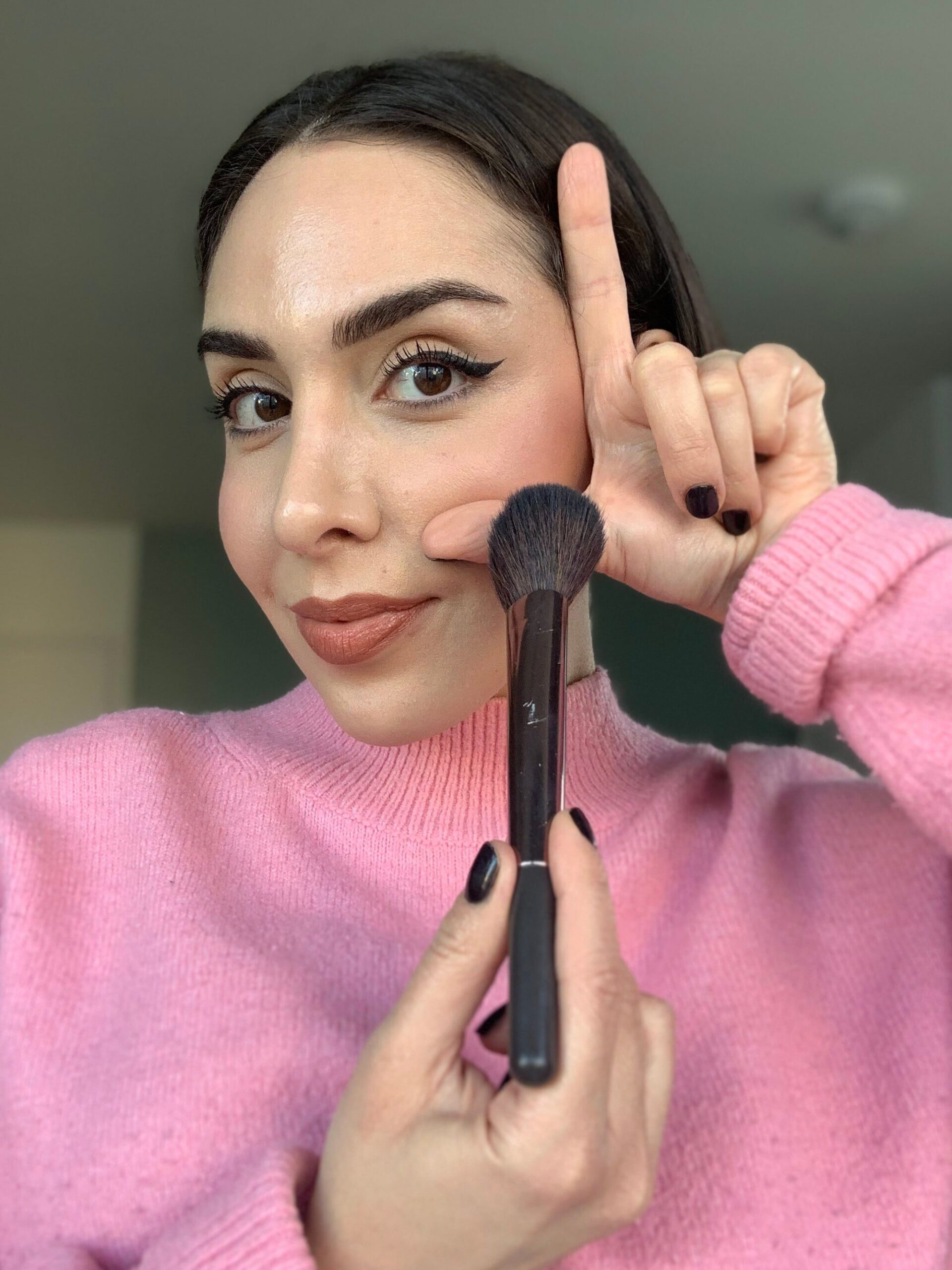
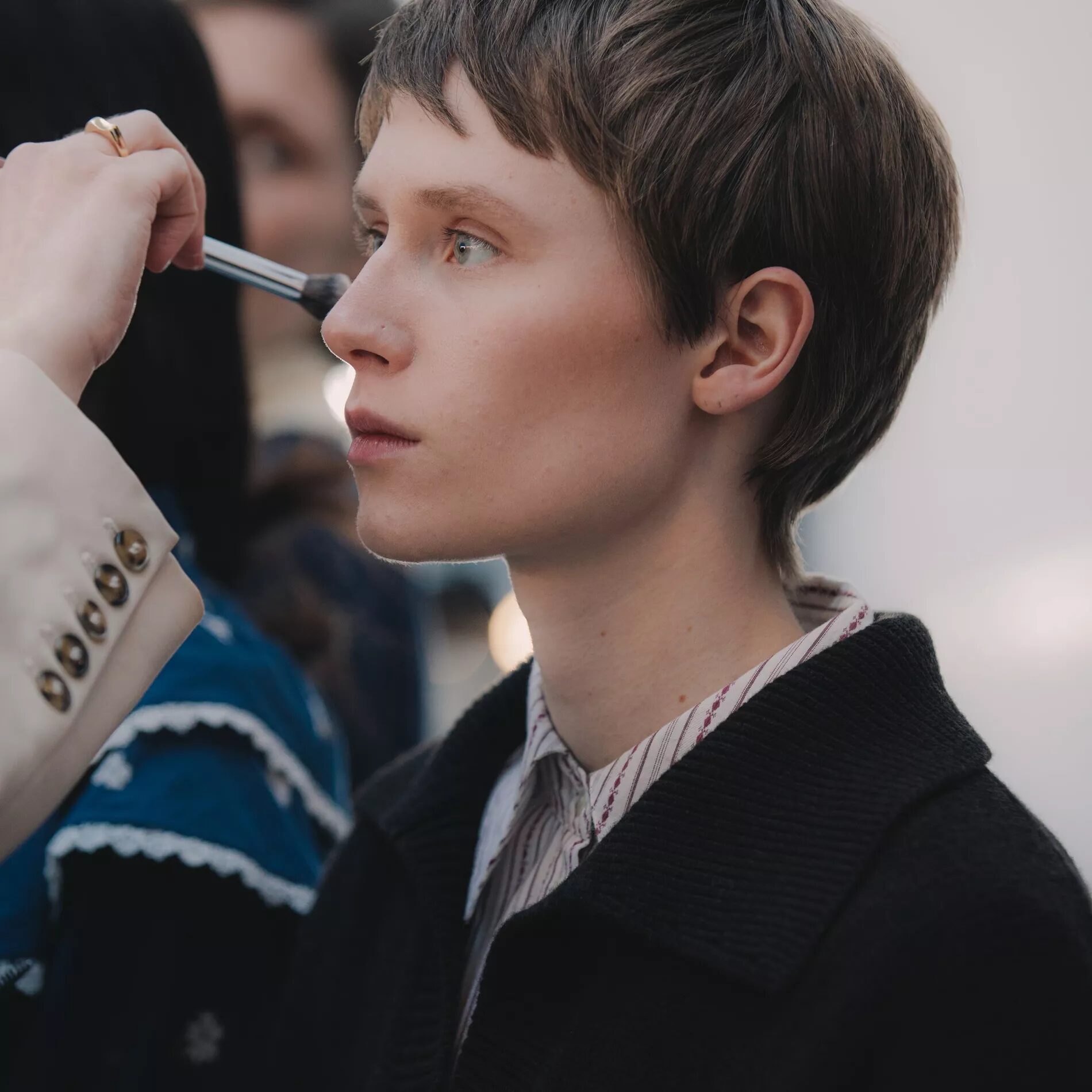
Tools determine success as much as products. Fingertips warm cream formulas, helping them fuse with skin. This creates that “melted into skin” effect makeup artists describe. Brushes can leave demarcation lines that contradict the blurred aesthetic.
Start foundation application at face center, blending outward with pressing motions. Build coverage only where needed—full-face opacity destroys dimensional quality. The goal is evening tone without masking skin entirely.
Blush placement evolved for velvet skin. Draping technique returns—sweeping color from cheekbone to temple creates soft gradation. This differs from 2025’s concentrated “apple of cheek” application. The extended placement catches light along face contours without defined edges.
Setting requires restraint. Heavy powdering negates the soft texture you’ve created. Instead, press translucent powder only into t-zone if needed. Brands like Danessa Myricks offer blurring balm powders that set without mattifying completely.
Skincare Foundation for Lasting Blur
Surface treatments alone won’t achieve authentic velvet texture. The skin beneath requires preparation. Peptides emerge as 2026’s hero ingredient class for this exact reason.
“Peptides function as communicators,” explains Dr. Brendan Khong. They prompt collagen and elastin synthesis while reducing inflammation. This creates the plump, even foundation that holds velvet makeup beautifully. Incorporate a peptide serum both morning and evening.
Barrier health determines how makeup wears. Compromised barriers look flaky or irritated under even the finest formulas. Ceramide moisturizers repair and maintain barrier integrity. Niacinamide addresses both oil control and inflammation—essential for that balanced velvet appearance.
Exfoliation strategy shifts for velvet skin goals. Harsh scrubs and daily acids disrupt texture. Instead, use gentle enzyme treatments twice weekly. This removes dead cells without triggering the irritation that creates makeup application challenges.
“We’re moving away from harsh exfoliation and overly complex routines toward barrier-repairing, microbiome-friendly, and restorative skincare.” — Dr. Brendan Khong
Target products with prebiotics if you struggle with sensitivity. These support skin’s microbiome, reducing reactivity that manifests as redness or uneven texture. Your velvet finish will last longer when underlying skin remains calm.
Color Theory for Velvet Makeup
Velvet skin thrives with specific color approaches. Tone-on-tone makeup dominates—coordinating blush, lip, and eye shades in the same color family. This monochrome strategy enhances the soft-focus effect. Contrast creates sharpness that contradicts velvet’s essence.
Warm terracottas, muted plums, and brick tones replace the cool pinks of previous years. These earthy shades blend naturally with varied skin tones. They provide color payoff without appearing painted on.
Lip formulas evolved to support the trend. Velvet lipsticks—neither fully matte nor glossy—offer the perfect complement. They feel comfortable, appear sophisticated, and maintain the blurred aesthetic across your entire face. Brands reformulate bullet lipsticks with that signature soft texture.
For evening, deepen tone-on-tone shades rather than introducing new colors. A terracotta blush intensifies to burnt sienna. Plum lips darken to wine. This maintains cohesion while adding drama appropriate for low lighting.
When experimenting with 2026’s colorful mascara trend, pair it thoughtfully with velvet skin. A single pop of navy or forest green on lashes reads as modern against the neutral base. Avoid combining multiple trends—velvet skin provides the sophisticated canvas for one statement element.
The Longevity Advantage
Velvet formulations wear differently than their glossy predecessors. Without heavy oils, they resist midday separation. Makeup maintains its blurred integrity rather than sliding into creases or oxidizing dramatically.
Setting spray choice matters. Traditional alcohol-heavy formulas can disturb the soft finish. Instead, opt for hydrating mists with film-forming polymers. These lock makeup without altering texture.
Blotting technique requires update for velvet maintenance. Press—don’t swipe—blotting papers against shiny zones. This absorbs excess oil without removing the blurred powder that creates the effect. Carry a pressed powder compact for targeted touch-ups rather than reapplying full-face.
Removal proves gentler with velvet products. Modern formulations don’t require harsh cleansing because they lack the tenacious oils of glazed skin products. A micellar water or gentle cleansing balm dissolves everything thoroughly. This protects barrier health, creating better skin for tomorrow’s application.
Expert Perspectives on the Movement
Makeup artist Drita Paljevic identifies velvet skin as part of 2026’s broader shift. “The atmosphere is ethereal, futuristic, and effortlessly fresh,” she observes. The finish supports other makeup trends—bold lips, graphic liner—by providing refined neutrality as backdrop.
Dermatology perspectives validate the trend. Dr. Wass Taktik notes patients increasingly prioritize long-term skin vitality. They want treatments and products that appear natural rather than offering quick fixes. Velvet formulations align with this philosophy—they enhance without transforming.
Aesthetician Melanie Abeyta connects velvet skin to personalized beauty’s rise. “These platforms connect directly to professional-grade recommendations,” she explains. AI skin analysis identifies your specific texture concerns. Product suggestions target those issues while delivering the velvet aesthetic you desire.
The trend also reflects economic considerations. Velvet skin requires fewer products than heavily layered glazed looks. A well-chosen primer, foundation, and blush create complete faces. This efficiency appeals to consumers reconsidering excessive consumption.
Adapting Velvet Skin to Your Features
Face shape influences velvet application strategy. Rounded faces benefit from concentrated color on upper cheekbones, creating lift through soft shadows. Angular faces require blush extended toward temples to soften sharp contours.
Skin texture variations need different approaches. Enlarged pores respond well to pore-filling primers before foundation. Smooth skin may skip primer entirely, using only serum-foundation for that barely-there velvet.
Age considerations matter. Mature skin achieves velvet texture through hydrating formulas that don’t settle into expression lines. MAC Mineralize Skinfinish Natural blurs without emphasizing texture. Apply it over cream products to set them softly rather than using heavy powder.
Hyperpigmentation requires strategic concealing within the velvet framework. Use lightweight concealer only on spots needing correction. Blend edges thoroughly so coverage appears blurred rather than patchy. The surrounding velvet skin makes targeted concealing less obvious.
Seasonal Adaptations
Winter velvet skin incorporates deeper tones but maintains soft texture. The blurred finish prevents rich colors from appearing harsh. Berry blushes and chocolate lips work beautifully against the sophisticated base.
Summer requires adjusting for heat and humidity. Gel-based products resist breaking down in warm conditions. Setting spray becomes essential for extending that fresh-applied blur. Choose formulas with humidity-resistant technology specifically.
Spring welcomes lighter color intensities within the velvet framework. Peachy blushes and soft coral lips maintain the season’s freshness. The blurred application keeps everything wearable rather than costume-like.
Autumn’s return to muted tones feels natural with velvet skin. Brick, terracotta, and warm browns complement the season’s aesthetic. These shades blur beautifully, creating that cozy yet polished appearance.
Your velvet skin journey begins with one product change. Which will you try first—a blurring serum blush or a peptide-infused primer? Share your velvet skin experiments and tag us @chicradar for feature opportunities.