ChicRadar may earn a commission when you shop through links on this page, at no extra cost to you.
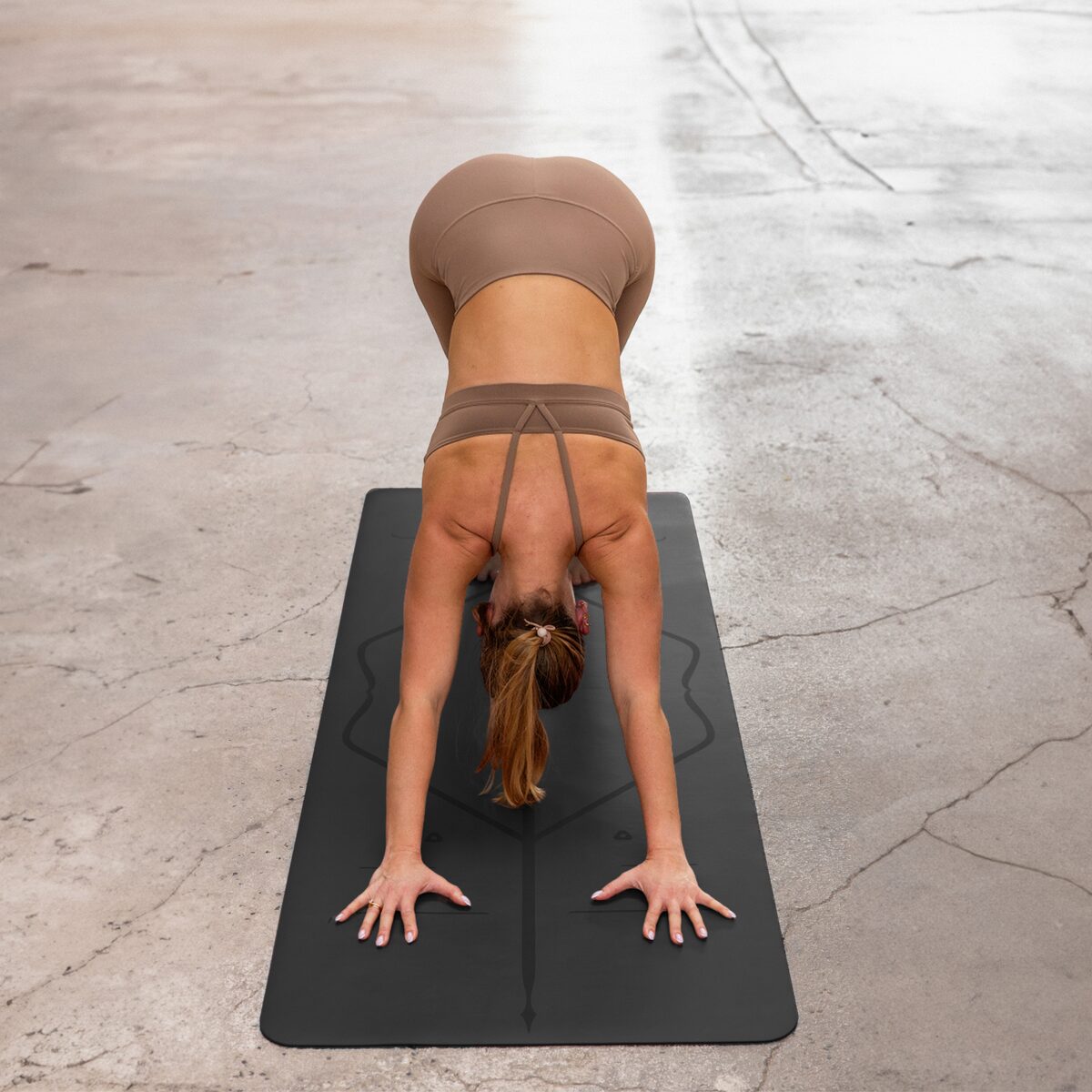
Class begins with both hands on the floor. One palm lands a little farther forward. You shift it back, then wonder where it was in the last round. The lines on a Liforme yoga mat give you a place to look. They stay in view as you move through a sequence. Choosing between the Classic and Classic Travel comes down to where that sequence happens most often. The Classic gives you more room and padding. The Travel sheds about two pounds. Start with the mat you’ll be happy to unroll on an ordinary day.
Start With the Floor You Practice On
Think about the surface under your mat. At home, that might mean cool tile or a flat stretch of wood. At the studio, the floor might feel different from the one in your living room. A thin mat lets you feel more of the firm surface beneath it. A thicker mat adds material between you and the floor. The difference is easiest to imagine when you lower a knee during a slow lunge.
Now think about space. Lay out your current mat. Step back as you would in a lunge. Notice whether your heel stays on the surface and whether your hands have room to move sideways. Both Liforme models have similar proportions. The Classic is 5 centimeters longer and 2 centimeters wider than the Travel. That difference is small on paper. It can matter if you already practice close to the edge.
Finally, picture the walk to class. A mat that lives beside the sofa can be heavier. One that goes up stairs and across town adds weight to everything else you carry. If you usually bring a water bottle and a change of clothes, include those in the decision. A purchase feels different over a mile than it does on a product page.
What the Lines on a Liforme Yoga Mat Do
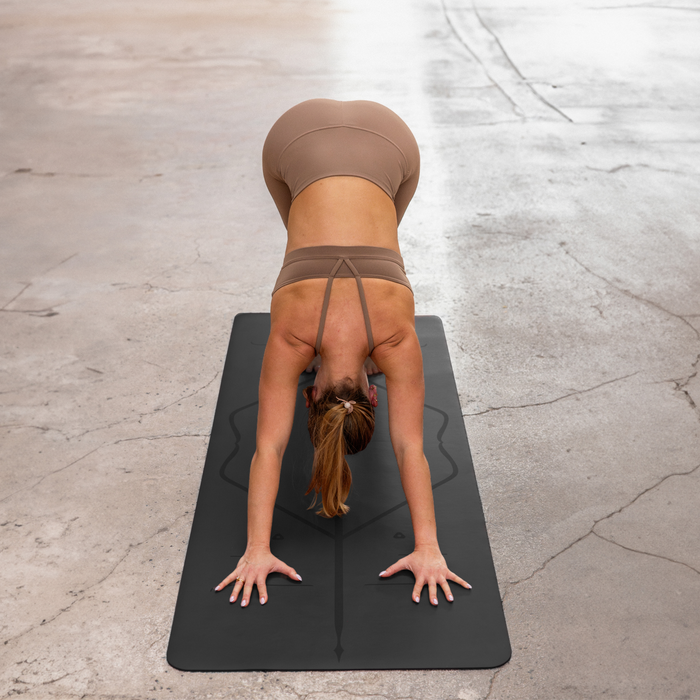
The fine marks on the black mat are easy to pick out from above. Liforme calls the layout AlignForMe. A line runs along the middle. Other marks provide reference points for your hands and feet. Use the center as a starting point. In downward-facing dog, glance down to see whether your palms are roughly the same distance from it. The marks also give you a way to repeat a placement that worked earlier in the sequence. See Liforme’s alignment guide.
Use the marks where they help. Let your hands settle comfortably. During a standing sequence, check where each foot lands. The marks make differences easier to see. There may be a good reason for those differences. Use what you see alongside how the pose feels and any guidance from your teacher. A small adjustment can be worth exploring on the next repetition.
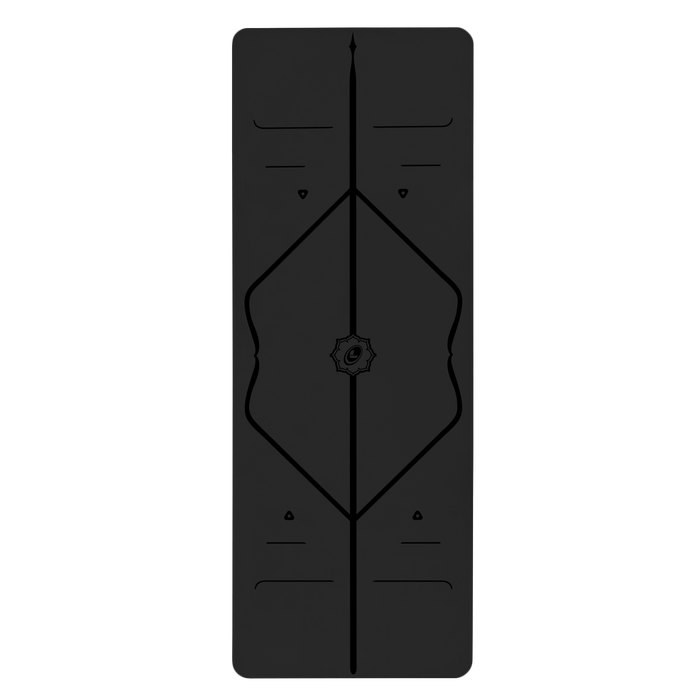
Both models have a GripForMe top surface over a natural rubber base. Liforme describes the top layer as moisture-absorbing. That design is relevant if your palms get damp during faster flows. Think about when you lose your footing or reset a hand. A student who mostly takes slow classes may care more about how the mat feels under a knee. The placement marks are the main reason to consider either model if your existing mat already feels steady.
Liforme Classic Yoga Mat for a Regular Practice
The Classic measures 185 by 68 centimeters, about 72.8 by 26.8 inches. Liforme lists it at about 4.2 millimeters thick and 5.5 pounds. Its footprint suits a practice where you regularly reach from one end to the other. A wide step back takes up room. So does a rest with your arms open. Measure the space you have, especially if you roll the mat out between furniture.
Choose the Classic if you practice mostly on a hard floor. Picture the pressure of a shin against wood when you’re setting up a low lunge. Extra padding can matter over a series of seated or kneeling poses. The Classic also makes sense when you already know you prefer more space near the sides. If your setup stays in one spot, the extra weight matters less.
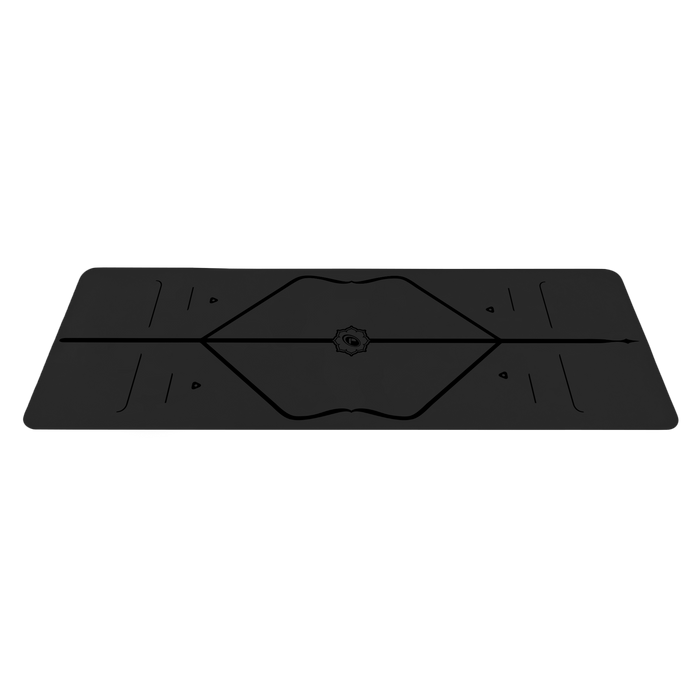
Think about storage, too. Liforme advises letting the surface dry flat, then rolling the mat with the colored side out. Make sure you have somewhere to leave it open after class. A shared room needs two spots. Find one for the mat to dry and another for the roll. Keep the mat out of direct sun while it dries.
Liforme Classic Travel Yoga Mat for the Walk to Class
The Classic Travel measures 180 by 66 centimeters, about 70.9 by 26 inches. It keeps the alignment guides and rolls into its own carry bag. At about 3.5 pounds, it weighs roughly two pounds less than the Classic. You may notice that difference on your shoulder if your trip to class includes a long walk. It also helps if you regularly carry a second bag.
The thinner surface is the compromise. At about 2 millimeters, there is less padding between your knees and a hard studio floor. Stand and picture how much of your session takes place there. If you mainly practice standing flows and carry your own mat every week, the lower weight may matter more. If you spend long stretches kneeling on tile, give the thicker mat more consideration.
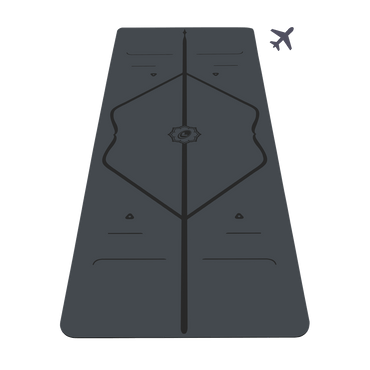
Picture the walk to class and the floor when you arrive. Both belong in the decision.
For a trip, compare the rolled mat with your actual luggage. Check the available space. Liforme recommends rolling its mats, so make room for the roll when you pack. If you practice away from home only occasionally, ask the studio about its mats before buying a second one. The same principle applies to building a wardrobe around what you use. Start with the gear you’ll reach for most often.
Before You Spend on a Liforme Mat
Start with the mat you have. Use it through a full session. Notice what you adjust twice. If you keep repositioning your hands in the same sequence, the etched guides may be worth paying for. If you consistently feel the floor through the mat under your knee, prioritize thickness. If the roll spends the week at home because it feels heavy on the walk, prioritize weight.
Before deciding on a color, trace both mat sizes on the floor with a tape measure. Stand inside each outline. Take a step back and place your hands where you usually put them. The extra centimeters count most if your heel or fingertips nearly touch the edge. Next, think about the surface you can clear at home without moving furniture. Our guide to proportion starts from a similar idea. How something fits is easier to judge in context.
- The 4.2 mm Classic offers more space and padding for home or studio practice.
- The 2 mm Classic Travel weighs about two pounds less and feels firmer over a hard floor.
- Both models use Liforme’s alignment guides. Consider whether you’ll look at the marks during your usual practice.
Keep the choice simple. If you practice at home and feel the hard floor in kneeling poses, start with the Classic. You get more padding and a little more room. If your mat goes with you every week, give the Travel a close look. The weight savings will matter each time you carry it. Your current mat may already feel steady and leave you enough space. If so, wait until it gives you a reason to replace it. Check the measurements before choosing a color. Then check the current price and delivery for your address. Both are easier to compare once you know which model suits your routine.
Shop Liforme and compare available mats.
What would help you more this week, extra padding or a lighter walk to class?