Burton outfitted the 1966 England World Cup winners. The same brand supplied suits for Euro 1996 and the 2002 World Cup squad. For 120 years, Burton has represented accessible British menswear—sharp tailoring without luxury price tags. Yet most men under 30 have never stepped into a Burton store. The brand transformed from high street institution to online-only retailer after Arcadia’s 2020 collapse. This shift created an identity crisis. Is Burton still relevant in 2025, or has fast fashion rendered traditional value menswear obsolete?
The answer lies in understanding what Burton does exceptionally well. They offer entry-level formal wear at prices that make professional dressing accessible. A complete two-piece suit costs £79. Dress shirts start at £18. Smart shoes begin at £35. For young professionals building first wardrobes, Burton provides essential foundations without financial strain. The quality matches the price—adequate for starting out, not built to last decades. But that honest value proposition serves a genuine market need.
Burton’s current challenge is perception. The brand feels dated to Gen Z shoppers raised on Zara and ASOS. The Boohoo Group acquisition in 2021 aimed to modernize operations but damaged customer service reputation. Yet Burton’s core offering remains sound. Understanding when Burton works—and when to look elsewhere—helps men build smarter wardrobes at every budget level.
From Victorian Tailor to Digital Retailer: Burton’s 120-Year Journey
Montague Maurice Burton opened The Cross-Tailoring Company in Chesterfield, England, in 1903. His vision was democratic. Quality suits shouldn’t require aristocratic budgets. Burton pioneered ready-to-wear tailoring for working and middle-class men. By 1929, the company operated 400 stores, factories, and mills. It listed on the London Stock Exchange. Burton had become Britain’s largest multiple tailor.
World War II cemented Burton’s industrial significance. The company manufactured over 2 million military uniforms. This production scale drove innovations in mass tailoring techniques. Post-war Burton expanded rapidly. They introduced new fits for changing body types. They adapted styles for younger customers. By the 1960s, Burton dominated British menswear with over 600 locations.
The 1966 World Cup partnership elevated Burton’s cultural position. Dressing England’s victorious squad linked the brand to national pride. Burton maintained football connections through Euro 1996 and the 2002 World Cup. These partnerships reinforced Burton’s identity as the everyman’s tailor—outfitting heroes and ordinary men alike.
Corporate ownership changes began in the 1970s. Burton became part of larger retail groups. The Arcadia Group consolidated Burton with Topshop, Dorothy Perkins, and Miss Selfridge under Philip Green’s ownership in 2002. This era brought modernization but also financial engineering that weakened the company. When Arcadia collapsed in 2020, Burton’s future looked uncertain.
Boohoo Group (now Debenhams Group) acquired Burton for £25 million in 2021. They closed all physical stores immediately. Burton became online-only, selling through burton.co.uk and partner platforms like Debenhams.com and Sainsbury’s Tu Clothing. This digital transformation reduced overhead dramatically. It also severed Burton’s physical connection to customers. The brand now exists primarily as a digital label within a larger e-commerce operation.
What Burton Does Best: The Core Product Range
Suits and Formal Wear (£79-£200)
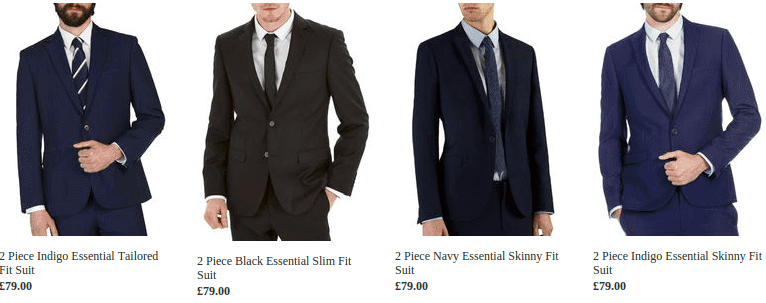
Burton’s foundation remains tailored clothing. Their suit range spans three price tiers. The Essential Collection starts at £79 for two-piece suits in black, navy, and charcoal. These use polyester-viscose blends that wear adequately for 18-24 months with regular use. Expect some shine in direct sunlight. Seams are finished acceptably. Construction is basic but functional.
Mid-tier suits (£120-£150) incorporate wool blends. These feel noticeably better. They drape more naturally. They resist wrinkles better than synthetic options. Burton’s Italian wool suits at £150-£200 offer genuine quality at this price point. One hundred percent wool construction provides years of wear with proper care.
Fit options include skinny, slim, and tailored cuts. Slim fit dominates sales. Skinny fit suits younger, very lean builds. Tailored fit runs slightly looser for comfort. Burton specializes in slim-cut clothing. If you prefer relaxed fits, look elsewhere. Their house style emphasizes contemporary proportions throughout.
Three-piece suit options add waistcoats for £30-40 extra. Wedding suit collections expand color choices. Burgundy, blue, and subtle checks appear seasonally. Burton understands occasion dressing. They provide affordable options for events requiring formal attire without lasting investment value.
Browse Burton’s complete suit collection at Burton’s to compare current styles and pricing across all ranges.
Shirts and Smart-Casual Tops (£18-£45)
Burton’s shirt range emphasizes practicality over fashion innovation. Easy-iron cotton-polyester blends dominate. These wrinkle less than pure cotton. They cost less too. Expect £18-£28 for basic dress shirts. These work fine under suit jackets where only collars and cuffs show. The fabric feels slightly stiff compared to quality cotton. But at this price point, compromises are expected.
Slim-fit shirts run small. Size up if between sizes. Burton cuts aggressively to achieve the slim silhouette. Collar sizes follow standard UK sizing. Quality control can be inconsistent—check stitching and button attachment before removing tags.
Casual shirts include Oxford button-downs, denims, and patterned options. These range £24-£45. The casual line offers better value than dress shirts. Materials feel more substantial. Designs show more personality. A £35 Burton casual shirt competes well with ASOS and River Island equivalents.
Polo shirts and basic tees round out the casual offerings. Nothing revolutionary here. Solid colors, standard fits, predictable quality. Think wardrobe fillers rather than statement pieces. They serve their purpose without inspiring excitement.
Trousers and Casual Bottoms (£25-£55)
Chinos and dress trousers form Burton’s trouser foundation. Slim and skinny fits dominate again. Essential dress trousers start at £25. These pair adequately with suit jackets for mix-and-match separates. Fabric quality is basic. Expect fading after 20-30 washes. But at £25, replacement costs remain manageable.
Stretch chinos (£35-£45) offer better value and comfort. The elastane content improves mobility significantly. Colors include navy, stone, khaki, and burgundy. These work for smart-casual offices where jeans aren’t acceptable. The stretch factor makes them surprisingly comfortable for all-day wear.
Burton’s jeans selection runs £30-£50. Standard washes in slim and skinny cuts. Nothing innovative compared to specialist denim brands. But they fill the need for affordable jeans that look presentable. Quality sits between Topman and Levi’s 511s—closer to the former than the latter.
Outerwear and Shoes (£40-£120)
Overcoats and blazers extend Burton’s formal range. Wool-blend overcoats run £80-£120. These provide adequate warmth and professional appearance for 2-3 seasons. Don’t expect luxury fabrics or exceptional construction. View them as functional rather than investment pieces.
Casual jackets include bombers, harringtons, and denim trucker styles. Prices range £45-£75. Quality varies significantly by item. Some feel surprisingly substantial. Others disappoint immediately. Reading customer reviews before purchasing helps avoid poor items.
Burton’s shoe range emphasizes formal styles. Oxford and Derby shoes in black and brown leather start at £40. These serve adequately for office wear. Break-in periods can be uncomfortable due to stiffer leather. Budget for quality insoles to improve comfort. Don’t expect these to last more than 12-18 months with daily wear.
Casual footwear includes canvas trainers and loafers. Nothing distinctive here. Burton isn’t a shoe destination. Purchase footwear elsewhere unless you need something immediately to complete an order.
Burton’s Market Position: When It Works and When It Doesn’t
Ideal Burton Customer Profile
Burton serves specific needs exceptionally well. First job out of university? Burton provides complete professional wardrobes under £300. Two suits, four shirts, two pairs of trousers, one pair of shoes—everything needed to start working in business-casual environments. The clothing won’t impress fashion-conscious colleagues. But it meets dress codes without draining early-career salaries.
Budget-conscious shoppers find value in Burton’s price consistency. Sales happen frequently, but even full-price items remain affordable. You won’t find £500 suits marked down to £150. Instead, Burton offers honest £100 suits that perform adequately at that price point. This transparency helps planning and budgeting.
Younger men with slim builds appreciate Burton’s house fit. If Zara and ASOS fit you well, Burton’s proportions will too. The brand understands contemporary slim aesthetics. Older men or those with athletic builds often find Burton too narrow through chest and shoulders.
Occasion dressing represents another sweet spot. Need a wedding suit you’ll wear once? Burton’s £120 options make sense. Buying expensive suits for single-use occasions rarely justifies the investment. Burton provides presentable options without guilt about cost-per-wear ratios.
When to Look Elsewhere
Burton’s limitations are equally clear. Quality-focused buyers won’t find satisfaction here. The materials and construction can’t compete with Reiss, Ted Baker, or traditional tailors. If you’re investing in pieces to wear for 5+ years, spend more elsewhere. Burton excels at accessible, not exceptional.
Style-conscious dressers often find Burton too conservative. The designs rarely push boundaries. Colors stay safe. Cuts remain predictable. If fashion excites you, Burton will bore you. The brand follows trends cautiously rather than setting them.
Larger or more athletic builds struggle with Burton sizing. Slim and skinny fits dominate overwhelmingly. The brand assumes lean, contemporary proportions. If you need room through shoulders, chest, or thighs, Burton’s cuts will frustrate you. Brands like Charles Tyrwhitt or M&S offer better options for classic fits.
Customer service quality has declined noticeably since the Boohoo acquisition. Trustpilot reviews frequently mention delayed responses, difficult returns, and poor communication. If you value responsive customer support, this reputation should concern you. Order with realistic expectations about post-purchase experience.
- Early-career professionals building first work wardrobes (£200-400 budget)
- Slim-build men needing contemporary fit at accessible prices
- Single-occasion formal wear (weddings, interviews, special events)
- Basic smart-casual essentials that require frequent replacement
Shopping Strategy: Maximizing Value at Burton
Timing Your Purchases
Burton runs near-constant promotions. Full-price purchases rarely make sense. Sign up for email notifications to track discount patterns. Typical offers include 25% off everything, 3-for-2 on shirts, and suit bundle deals. Black Friday and January sales reach 50-70% off. Patience saves significant money.
End-of-season clearances offer best value. Summer suits in September drop to £40-60. Winter coats in March reach similar discounts. If you’re planning ahead for next year’s needs, clearance timing maximizes savings dramatically. Burton’s styles change minimally year-to-year, reducing fashion-obsolescence risk.
Avoid buying shoes and accessories at Burton. Their footwear and belts don’t offer competitive value compared to specialists. Purchase suits and shirts at Burton. Buy shoes at Clarks, belts at Next, and ties anywhere with better selection. This mixing maximizes overall wardrobe value.
Multi-item purchases justify shipping costs. Burton offers free delivery over £60. Structure orders to meet this threshold. Buying single items rarely makes economic sense given return risks and shipping fees.
Fit and Sizing Guidance
Burton’s slim fit runs genuinely slim. Compare measurements against their size charts carefully. Most customers find sizing accurate to charts but smaller than competitors’ equivalents. If you’re between sizes, order the larger option unless you specifically want very fitted clothing.
Suit jackets should allow comfortable shoulder movement without restriction. Test by reaching forward and upward. If the jacket pulls across the back, size up. Remember that slim fit means less ease built into the pattern. You’re not buying for weight fluctuation.
Trouser rise sits relatively low on Burton pieces. This suits contemporary styling but may feel uncomfortable for those accustomed to traditional cuts. The slim leg tapers significantly from knee to ankle. If you dislike tight ankle openings, Burton’s cuts won’t suit you.
Shirt sizing follows standard collar measurements but runs slim through the body. Athletic builds often need to size up for comfortable chest and shoulder fit, then tailor the waist. At Burton’s price points, tailoring often costs more than the garment. Accept the fit or choose different brands.
“Burton taught generations of British men that looking smart doesn’t require wealth. That democratic approach to style remains their greatest strength—and clearest limitation.” — Robert Johnston, British Fashion Historian
Building Complete Outfits
Start with Burton’s suit and shirt foundations. Add quality accessories from elsewhere. This strategy balances affordability with polish. A £120 Burton suit looks significantly better with a £40 proper tie and £60 leather shoes from specialists than with Burton’s complete suit-to-shoes package at the same total cost.
Mix Burton business pieces with quality casual items. Burton dress trousers under a Uniqlo sweater or COS blazer creates smart-casual looks that exceed Burton’s capability alone. Use Burton as the affordable base, then elevate with carefully chosen accent pieces.
Avoid head-to-toe Burton outfits. The cumulative effect highlights the budget aesthetic. Breaking up the look with different brands creates visual interest and disguises individual item limitations. Think of Burton pieces as supporting players, not entire ensembles.
Quality Control Checks
Inspect items immediately upon arrival. Burton’s quality control can be inconsistent. Check for these common issues before wearing:
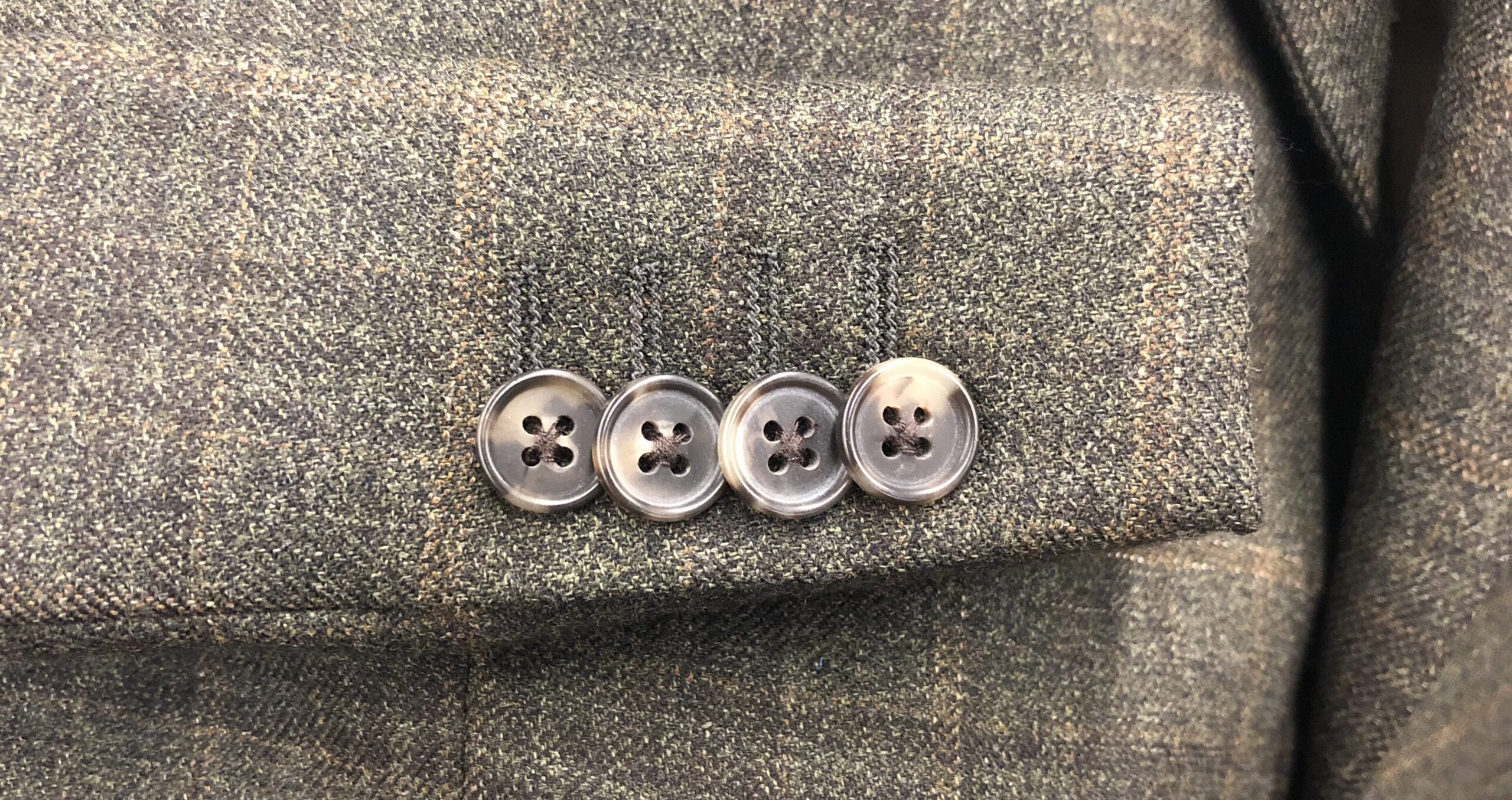
- Loose buttons or weak button attachment
- Uneven hem stitching or puckering at seams
- Misaligned pattern matching at jacket seams
- Shiny fabric patches indicating pressing issues
- Collar points that curl or won’t lie flat
Return items with defects immediately. Don’t assume they’ll improve with wear. Document issues with photos before initiating returns. Burton’s customer service handles returns better when you provide visual evidence of problems.
Burton vs. Competitors: Where It Fits in UK Menswear
Burton vs. Moss Bros
Moss Bros operates in a different tier entirely. Their suit quality, fabric selection, and tailoring service justify 3-4x Burton’s pricing. Moss Bros serves customers seeking investment pieces. Burton serves those needing affordable adequacy. If you can afford Moss Bros, Burton’s limitations will frustrate you. If Burton stretches your budget, Moss Bros sits out of reach.
The comparison matters primarily for suit hire. Moss Bros dominates formal hire for weddings and black-tie events. Burton doesn’t offer hire services. For one-time formal needs under £200, purchasing at Burton often costs less than hiring at Moss Bros while providing a suit for future use.
Burton vs. Next and M&S
Next and Marks & Spencer occupy similar price territory with broader appeals. Next tends toward more fashion-forward styling. M&S emphasizes classic quality at accessible prices. Burton sits between them—more conservative than Next, more affordable than M&S quality lines.
M&S suits (£150-£300) generally outperform Burton’s quality while costing modestly more. If you can stretch budget by £50, M&S often delivers better value long-term. Next’s suits (£100-£200) compete directly with Burton. Choose based on preferred styling—Next for modern edge, Burton for conservative safety.
Burton vs. ASOS and Boohoo
Online fast fashion offers even lower prices than Burton. ASOS suits start at £60. Boohoo reaches £40. Quality drops noticeably below Burton’s already-modest standards. These ultra-budget options work for students or absolute minimum spending. But Burton’s £79 suits feel significantly more substantial than £40 Boohoo equivalents.
ASOS’s advantage is style variety and trend responsiveness. Burton maintains limited, conservative ranges. If you want fashion variety at budget prices, ASOS serves better. If you need reliable business basics, Burton’s focused approach wins.
Investment Value and Longevity Expectations
Burton pieces aren’t investments in traditional sense. Don’t expect items to last decades or appreciate in value. View Burton purchases as consumption with defined useful lifespans. Manage expectations accordingly and avoid disappointment.
Essential polyester suits last 18-30 months with regular weekly wear. Expect visible wear on elbows, seat, and inner thighs by month 24. The low cost makes replacement acceptable. Budget £100 annually for suit rotation if wearing weekly. This matches the realistic depreciation rate.
Wool suits perform better—30-48 months with good care. Dry clean sparingly (every 15-20 wears maximum). Brush after wearing. Rotate between multiple suits. These care practices extend life significantly. Even budget wool benefits from respect.
Shirts require replacement annually with weekly rotation. Collars fray, elbows thin, colors fade. Burton’s shirt pricing assumes annual replacement. Stock up during sales to maintain fresh rotation economically. Retiring worn shirts promptly maintains professional appearance.
The best investment approach? Use Burton for your early-career foundation while building savings. As income grows, upgrade selectively to higher-quality pieces. Replace Burton items gradually with Reiss, Ted Baker, or tailor-made pieces. Burton serves as stepping stone, not destination. This progression makes financial and style sense.
Visit Burton’s to explore current collections and seasonal promotions that maximize value when building or refreshing your wardrobe.
Burton UK represents accessible menswear at its most pragmatic. The brand doesn’t chase fashion glory or quality perfection. Instead, it delivers functional professional clothing at prices that don’t require financial sacrifice. For young men building first wardrobes, this honesty has tremendous value. Burton won’t make you the best-dressed man in the office. But it prevents you from being the worst—and that matters more than fashion commentators often acknowledge.
The brand’s digital transformation creates uncertainty about its future. Without physical stores, Burton loses the trying-on advantage that justified its existence against online-pure competitors. The company must compete on price and delivery speed alone. This race-to-bottom dynamic doesn’t favor Burton’s positioning between ultra-cheap fast fashion and quality mid-market brands.
Yet Burton’s heritage and brand recognition provide staying power. Men remember purchasing first work suits at Burton. That nostalgic connection survives store closures. As long as Burton maintains reasonable quality at accessible prices, a market exists for their reliable mediocrity. Sometimes good-enough suits men perfectly well—and Burton has mastered good-enough for 120 years.