ChicRadar may earn a commission when you shop through links on this page, at no extra cost to you.
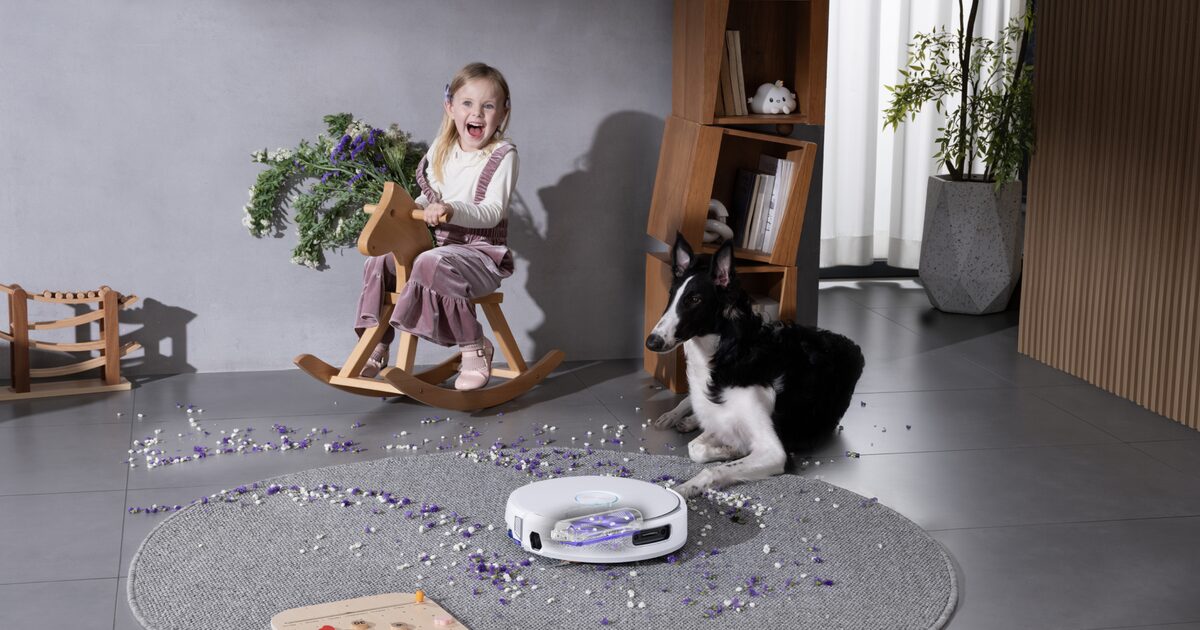
It’s the first wet evening you wear the good boots home. Your wool coat goes on its hook. Your keys land in the dish. Then a grain of grit crunches under your sock, halfway between the door and the kitchen. That little crunch makes a better case for a Narwal robot vacuum than a picture of a spotless apartment ever could. The boots only crossed the hall once. Tomorrow another pair will make the same trip. A machine earns its place here if it can take over that stretch of floor after the boots come off.
What the soles of your boots bring home
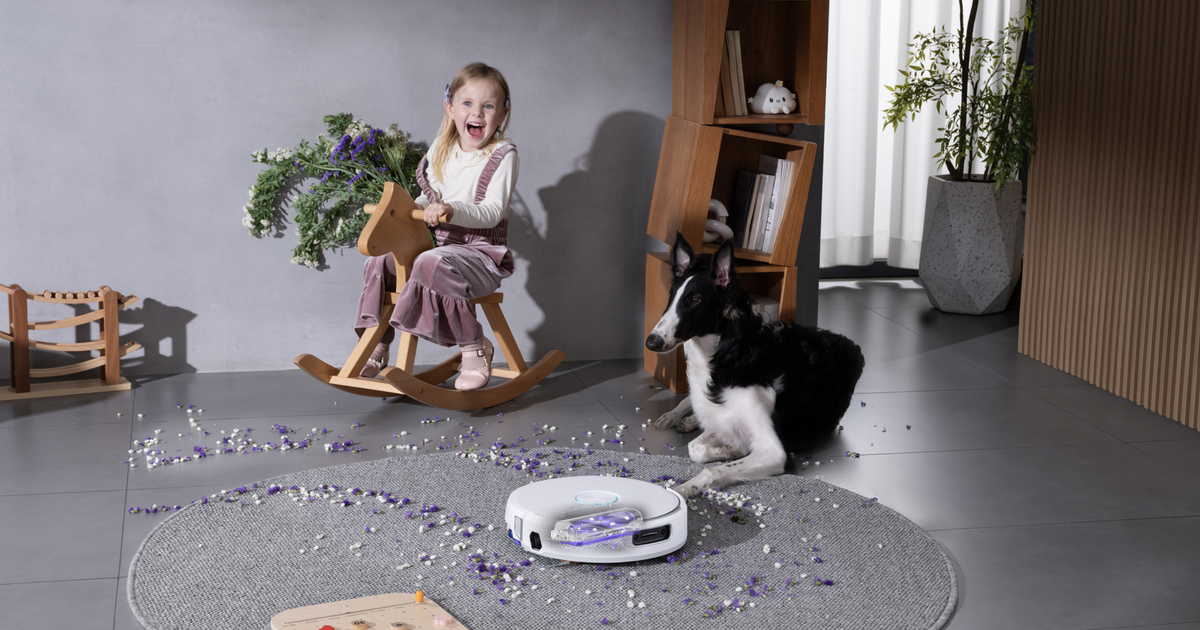
Turn over a lug-soled boot after a walk. The grooves that felt reassuring on the sidewalk can hold tiny stones. That heavy tread is one of the technical details that outdoor clothing brought to city wardrobes. A pebble may stay put until your heel strikes the tile at home. A smooth leather sole leaves a different calling card. Its damp outline can show exactly where you stood to undo your coat. And a pair of sneakers carried home in a canvas tote leaves almost nothing, until you set that bag down.
Look at the hem, too. Wide trousers can brush the wet toe of a boot as you bend for the zipper. A long scarf can slip off one shoulder and into the tray. These are small details, but they decide where the grit travels next. Our three winter outfits for the city commute follow the coat and boots out the door. At home, the first thing to arrange is somewhere dry to stand while taking them off.
Give wet leather and dry socks separate places to land
Picture the hallway with the front door open. Where can you put down a grocery bag and still reach both boot zippers? That spot wants a seat, or at least a clear patch beside the wall. Put a shallow tray within reach. Try it with your longest pair. A beautiful narrow tray loses its appeal when the heel hangs over the edge and drips onto the boards.
A bench makes sense if you wear tall boots. Sit down in your usual coat and test the height. Can you reach the ankle without dragging a sleeve through the tray? Low Chelsea boots ask less of the furniture. A shoehorn hung beside the door might solve the whole problem. And if your hall is also your kitchen, a hook for tomorrow’s bag can free up precious floor space tonight.
Give the clean side a little attention. A pair of slippers feels especially good after a cold platform and a walk home. Place them where you can reach them in socks from the seat. Keep a cloth near the tray for meltwater. With that arrangement, the robot gets the job it suits best. It can follow the dry trail that continues beyond the mat.
Where a Narwal robot vacuum earns its space
Imagine the trail continuing over kitchen tile, around an island, and beneath the breakfast table. That is the layout where we would shortlist the Narwal Flow 2. It vacuums and mops. Narwal describes a moving belt of mop material that refreshes with water as the machine travels. A boot print near the door and another beside the kettle give that design a recognizable job.
There are limits at both ends of this route. Lift the gravel you can pick up. Blot any puddle first. A wet boot can leave a pool behind the heel even after the toe looks dry. Let the boot drain in its tray. Then check that your flooring’s care instructions permit damp cleaning before using the mop. Unsealed boards or a finish that needs dry care belong outside that route.
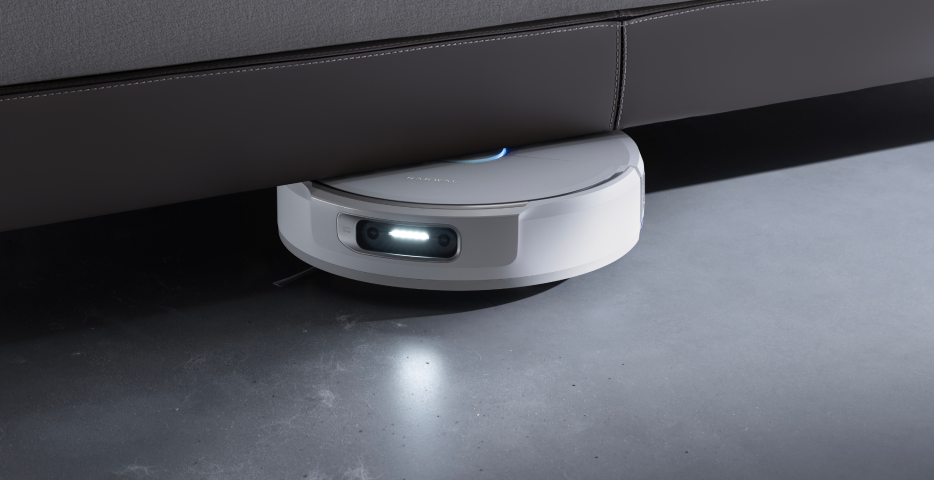
A bench changes the calculation again. Look beneath yours from floor level. Measure the lowest brace, including any lip tucked behind the front edge. The Flow 2 stands about 3.7 inches tall, according to Narwal. A shoe shelf sitting lower than that leaves you with a strip to sweep yourself. If the route still includes the kitchen and dining area, that small strip may be an easy compromise.
Which Narwal suits a hallway with a runner?
A good runner does two jobs here. It warms the first step in socks and gives a plain hallway some color. Before shopping, pinch a corner between finger and thumb. Look at the thickness of the backing and the length of the pile. Check the ends for tassels. Those details tell you more about the fit than the word “rug” on either product page.
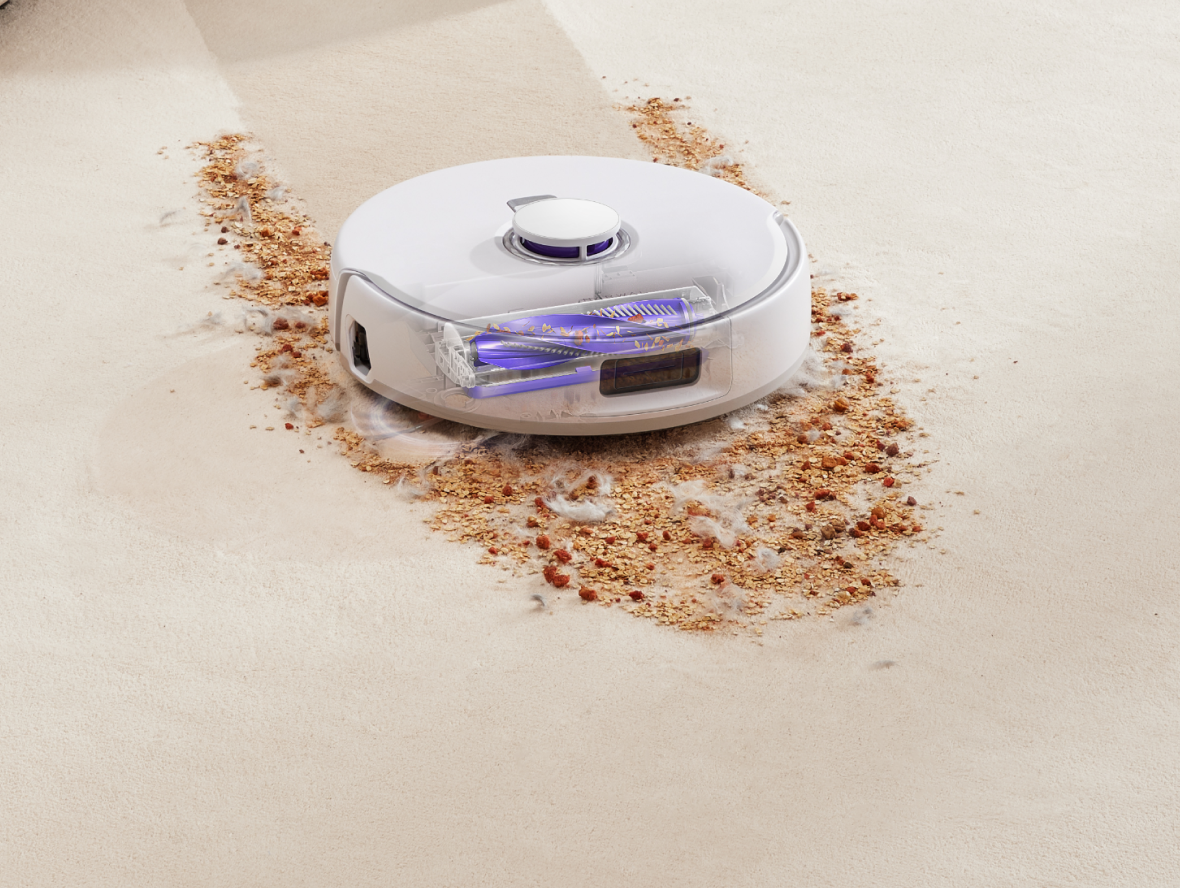
For a hallway with a firmly laid, low-pile runner, we would compare the Freo Z10 Turbo. It uses two spinning mop pads. Narwal says the pads lift when the machine detects compatible carpet. The company specifies pile no longer than 0.28 inches and total carpet thickness under 0.78 inches. Those are different measurements. A short, dense pile can still sit on substantial backing. Check both before you count on the transition.
An heirloom wool runner deserves its own decision. If the ends curl up or the maker specifies dry care, keep it clear of the mop route. That may leave only a narrow ribbon of exposed wood down each side. Consider how long those strips take to sweep. For a more varied floor plan, Narwal’s guide to rugs and hard floors explains what to look for at the join. You can also compare the current Narwal models and prices once you know your measurements.
Make room for the dock before you buy
The easiest dimension to overlook sits above the machine. Imagine fitting the dock beneath a handsome console with a single low drawer. It might slide in neatly. Now picture lifting out the water tank. If the underside of the drawer catches your knuckles, you have found a chore you would inherit with every refill. Leave yourself room to stand, lift and turn toward the sink.
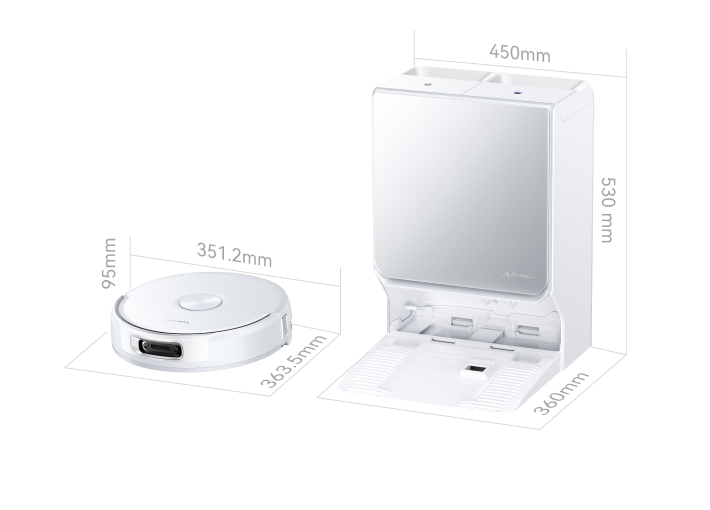
Cut a piece of scrap cardboard to the dock’s footprint. For the Flow 2 basic station, Narwal lists a footprint of about 17.7 by 14.2 inches. Its height is about 20.9 inches. Set the cardboard down with your usual shoes in place. Swing the door open. Carry the laundry basket past it. Then check the path from the proposed dock to an outlet. A cable across the doorway is a good reason to try another wall.
Try looking at that corner from the living room as well. This is a sizeable object you will see every morning. A position beside a cabinet can keep it out of the main sightline while leaving the front accessible. A closed cupboard makes access harder. Most importantly, the spot should work on a rainy Thursday, when the shoe rack is full and the umbrella is open to dry.
Measure the hallway with the boots you own standing exactly where you leave them.
What boot season tells you about the investment
Consider two households with the same boots. In one, the front door opens onto a washable mat and a square of tile. A dustpan hangs inside the cupboard. In the other, each trip to put away groceries leaves grit across the hall and kitchen. The second household gives a robot a longer, more frequent job. The first might get more pleasure from spending the money on resoling a favorite pair.
Count the jobs left in your hands. Someone still hangs up the coats and wipes the tray. Someone also tends the dock and buys replacement supplies. Before ordering, price the bags, filters and mop parts for the exact model you want. Then consider what getting that floor time back would mean on an ordinary weekday. A machine that handles the hall while you make supper offers a benefit you can picture.
- Connected, mop-safe hard floors give the Flow 2 room to work.
- Measure both pile and backing before choosing a Freo Z10 Turbo for a runner.
- Leave enough space above the dock to lift the tanks out comfortably.
The next time you come home in wet boots, leave the shopping decision until you have taken them off. Hang the coat. Put the shoes where they can drain. Walk to the kitchen in clean socks and notice where you feel grit. If that same trail runs through several rooms night after night, a Narwal robot vacuum deserves a place on your shortlist. The Flow 2 would be our pick for connected hard floors that tolerate damp cleaning. The Freo Z10 Turbo merits a look where a suitable low runner breaks up the route. If most of the mess stays inside the tray, keep the tray and enjoy the boots. You can explore Narwal’s US range here. Which stretch of floor would you most like to hand over after your commute?