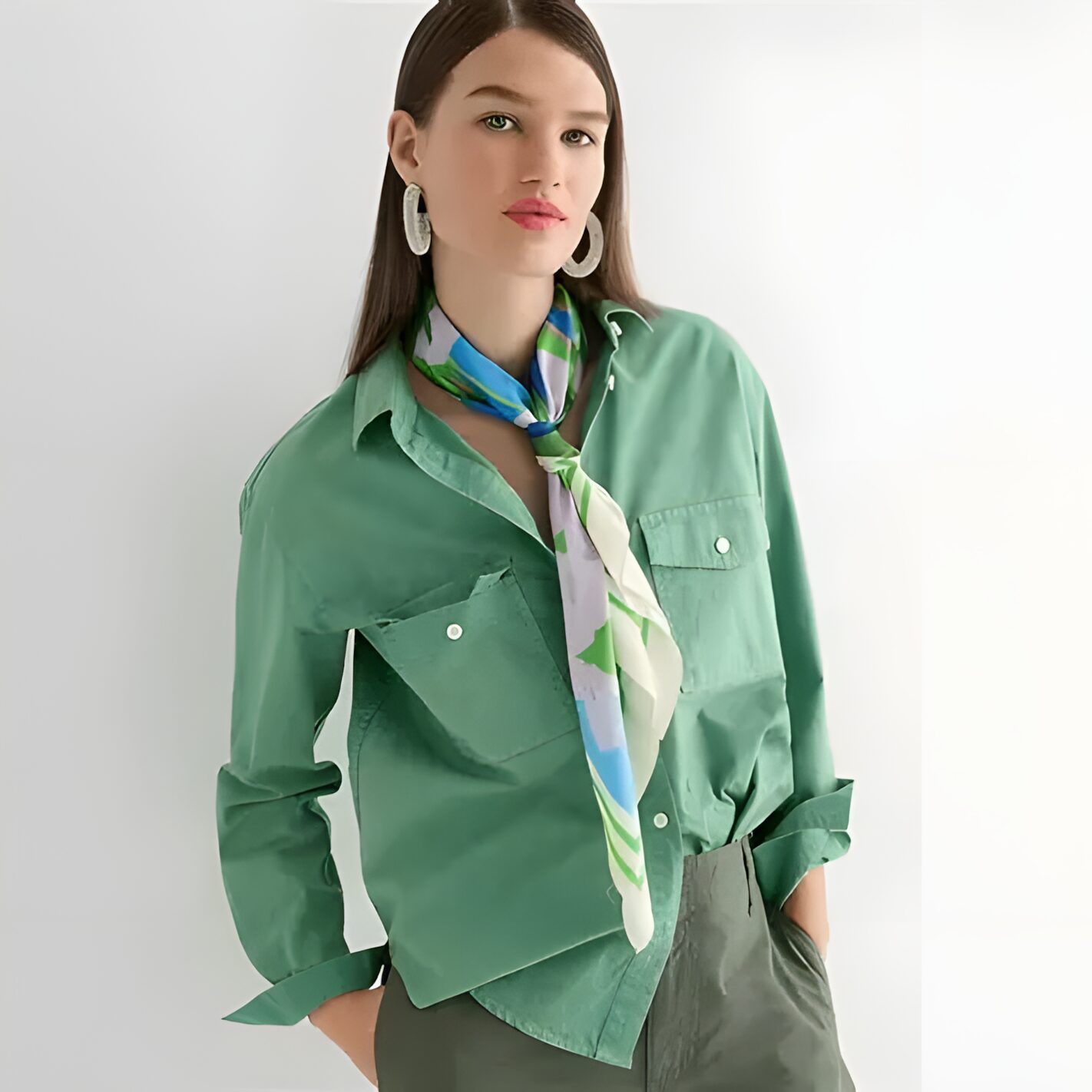
Something revolutionary is happening in the intersection of fame and fashion. While red carpet moments still capture headlines, the real style influence is happening in grocery store aisles, coffee shop lines, and school pickup queues. Today’s most powerful celebrity style moments aren’t about exclusivity—they’re about connection.
This shift represents more than a trend; it’s a fundamental reimagining of how celebrity culture operates. The stars who dominate our style consciousness aren’t those dripping in designer exclusives, but those who’ve mastered the art of aspirational accessibility.
The Great Style Leveling
The old celebrity style playbook is obsolete. Gone are the days when influence meant flaunting pieces that cost more than most people’s rent. Today’s style icons understand that true influence comes from showing us how to look extraordinary with what we can actually afford.
Consider how Emma Stone approaches her off-duty style. She’s frequently photographed in affordable brands, mixed with one or two elevated pieces. This isn’t about budget constraints—it’s strategic relatability. She’s showing her fans that great style isn’t about price tags; it’s about curation.
Similarly, Zendaya’s approach to accessible luxury has redefined what it means to be a fashion icon. Her stylist, Law Roach, frequently incorporates accessible pieces into her looks, proving that high-low mixing isn’t just practical—it’s revolutionary.
The Psychology of Aspirational Accessibility
Why does this approach work so powerfully? Because it taps into something fundamental about human psychology: we don’t want to feel excluded from the things we admire. When celebrities wear completely unattainable pieces, they create distance. When they mix accessible items with investment pieces, they create a bridge.
This strategy acknowledges that most people can’t afford a $3,000 handbag, but they might splurge on a $300 one if it’s styled perfectly with pieces they already own. It’s about creating pathways to aspiration rather than walls.
The authenticity factor matters. Audiences can sense when accessibility is performed versus when it’s genuine. The celebrities who’ve mastered this balance understand that their relationship with fashion should feel like a conversation, not a lecture.
The New Influence Metrics
Beyond the Designer Name-Drop
The most influential celebrity style moments of 2025 aren’t about who wore what designer. They’re about who made fashion feel approachable while maintaining aspiration.
Reese Witherspoon’s genius lies in her curation. Her social media showcases how to mix Draper James pieces with vintage finds and contemporary basics. She’s not just selling clothes; she’s selling a lifestyle that feels attainable.
Ryan Reynolds and Blake Lively’s approach to couple style demonstrates how accessibility works across gender lines. They’re frequently photographed in well-curated but approachable outfits that feel expensive without the astronomical price tags.
The Viral Moment Formula
The celebrity style moments that dominate social media in 2025 follow a specific formula:
One statement piece + accessible basics + unexpected element = viral moment
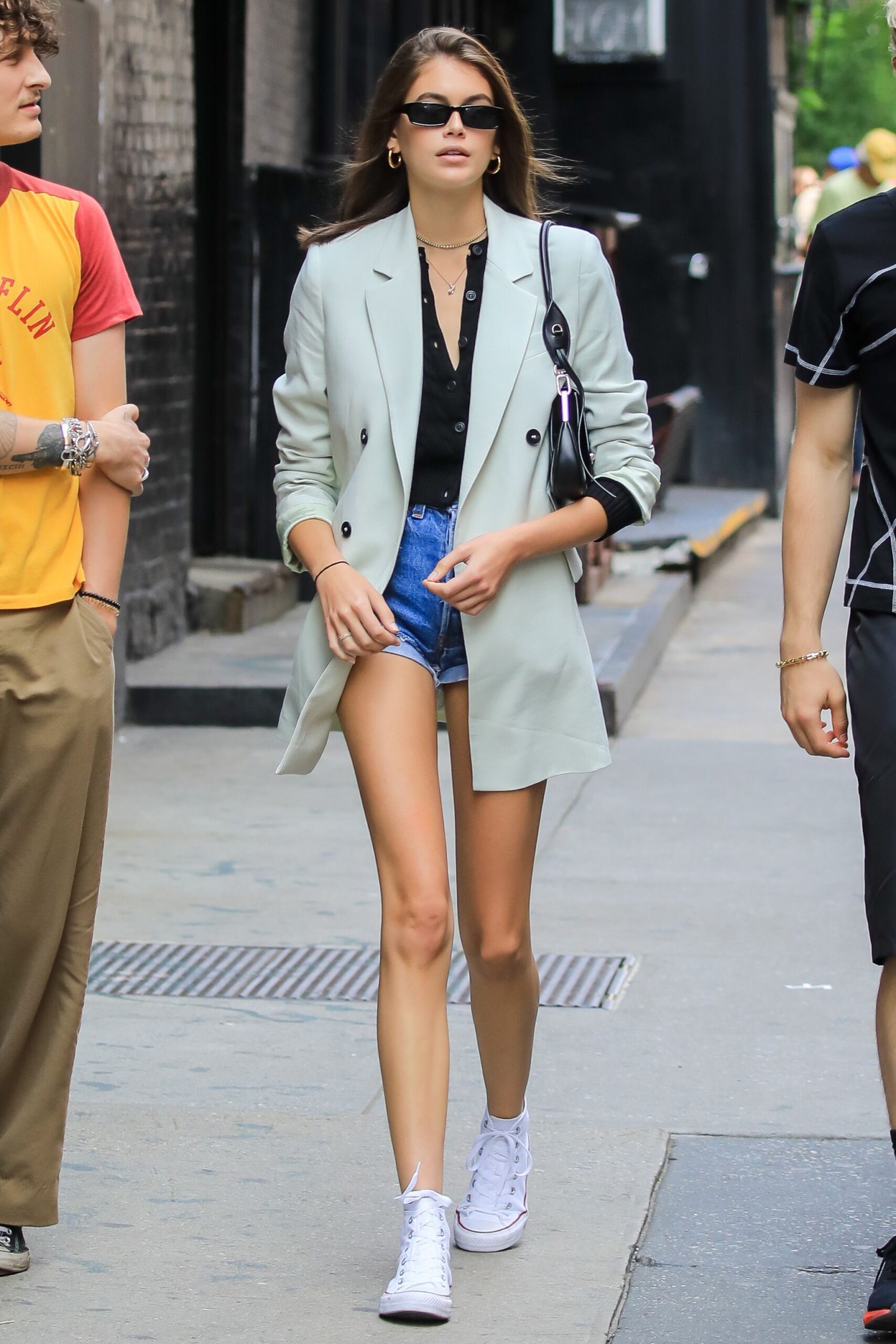
This might be a celebrity wearing a vintage band tee with tailored trousers and a luxury handbag, or mixing a high-street dress with designer shoes and thrifted jewelry.
The Ripple Effect: How Celebrity Accessibility Changes Everything
Brand Strategies Shift
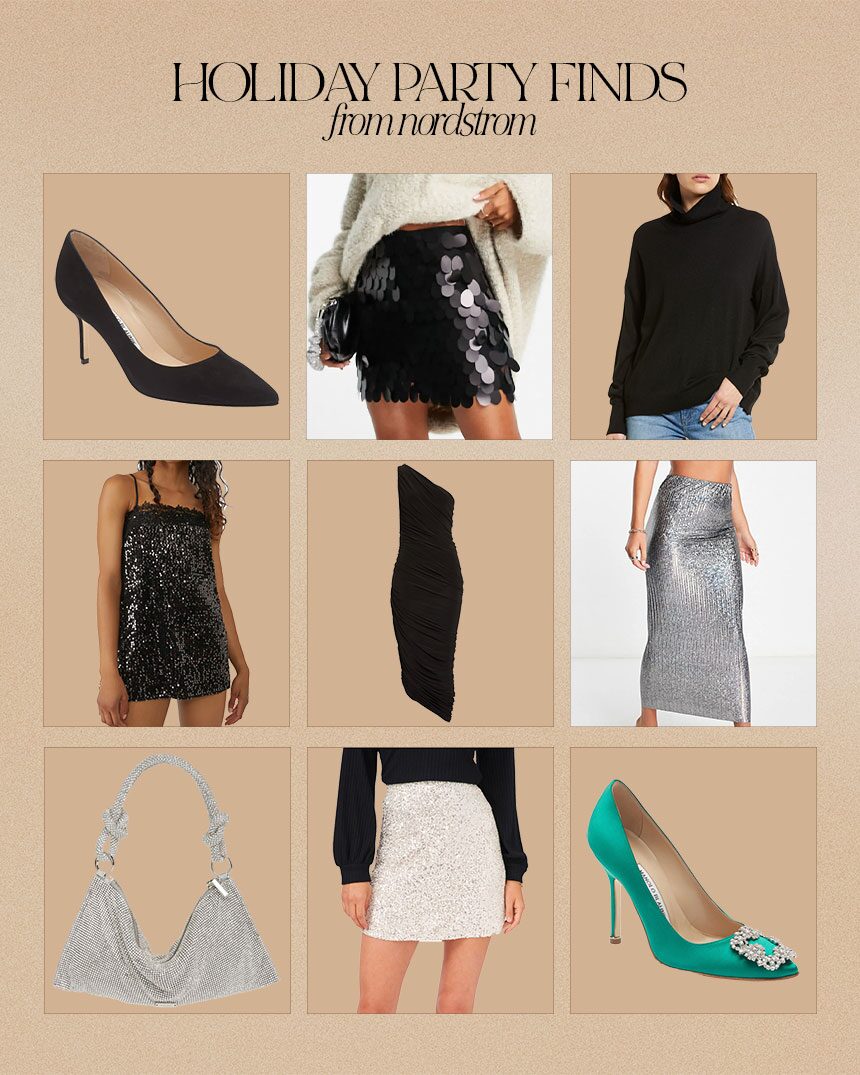
Luxury brands are adapting. They’re creating more accessible lines, collaborating with mass market retailers, and rethinking their celebrity partnerships. The goal isn’t just to dress celebrities in head-to-toe luxury—it’s to show how their pieces integrate into real wardrobes.
Mass market brands are elevating. They’re investing in better quality, more thoughtful design, and celebrity collaborations that feel authentic rather than purely commercial.
Consumer Behavior Evolution
The “get the look” culture has matured. Instead of seeking exact replicas, consumers are learning to decode the principles behind celebrity style choices. They’re asking better questions: “How can I adapt this silhouette?” rather than “Where can I buy this exact outfit?”
Investment purchasing has become more strategic. Consumers are more likely to splurge on pieces they’ve seen styled multiple ways by celebrities, understanding that versatility equals value.
The Celebrity Style Hierarchy of 2025
Tier 1: Stars who make accessibility look aspirational
Tier 2: Stars who occasionally mix high and low
Tier 3: Stars who only wear unattainable pieces
The Democratization Playbook
For the Style-Conscious Consumer
Study the proportions, not the prices. When you see a celebrity look you love, analyze the silhouette, color story, and styling choices rather than focusing on specific brands.
Identify your inspiration’s style DNA. What makes their looks work? Is it the way they mix textures? Their color preferences? Their approach to proportions?
Build your version gradually. Instead of trying to recreate looks exactly, build a wardrobe that captures the essence of your style inspiration’s approach.
The Psychology of Accessible Luxury
The sweet spot exists. The most influential celebrity style finds the perfect balance between aspiration and accessibility. It’s expensive enough to feel special but accessible enough to feel possible.
Quality over quantity messaging resonates. Celebrities who focus on fewer, better pieces that they style repeatedly send a powerful message about sustainable consumption and thoughtful curation.
The Future of Celebrity Style Influence
Technology as Enabler
AI styling tools are democratizing access to the kind of styling expertise that celebrities take for granted. Apps can now analyze celebrity looks and suggest accessible alternatives based on individual budgets and preferences.
Virtual try-on technology allows consumers to see how celebrity-inspired looks might work with their own body types and coloring before making purchases.
Sustainability Considerations
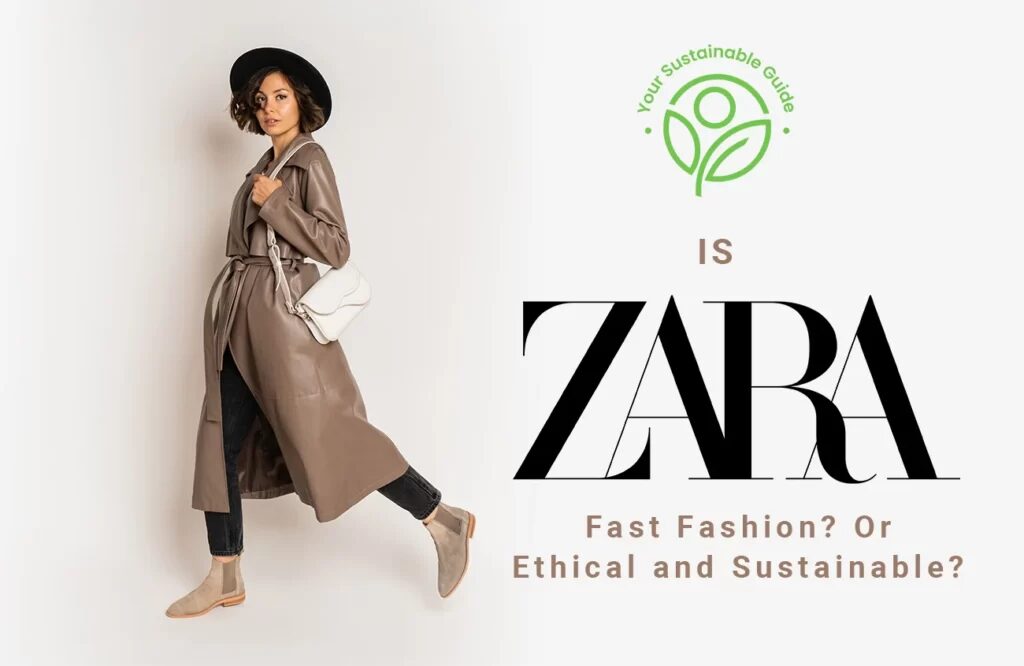
The most forward-thinking celebrity style influences incorporate sustainability messaging. This might mean promoting rental options, vintage shopping, or brands with strong environmental practices.
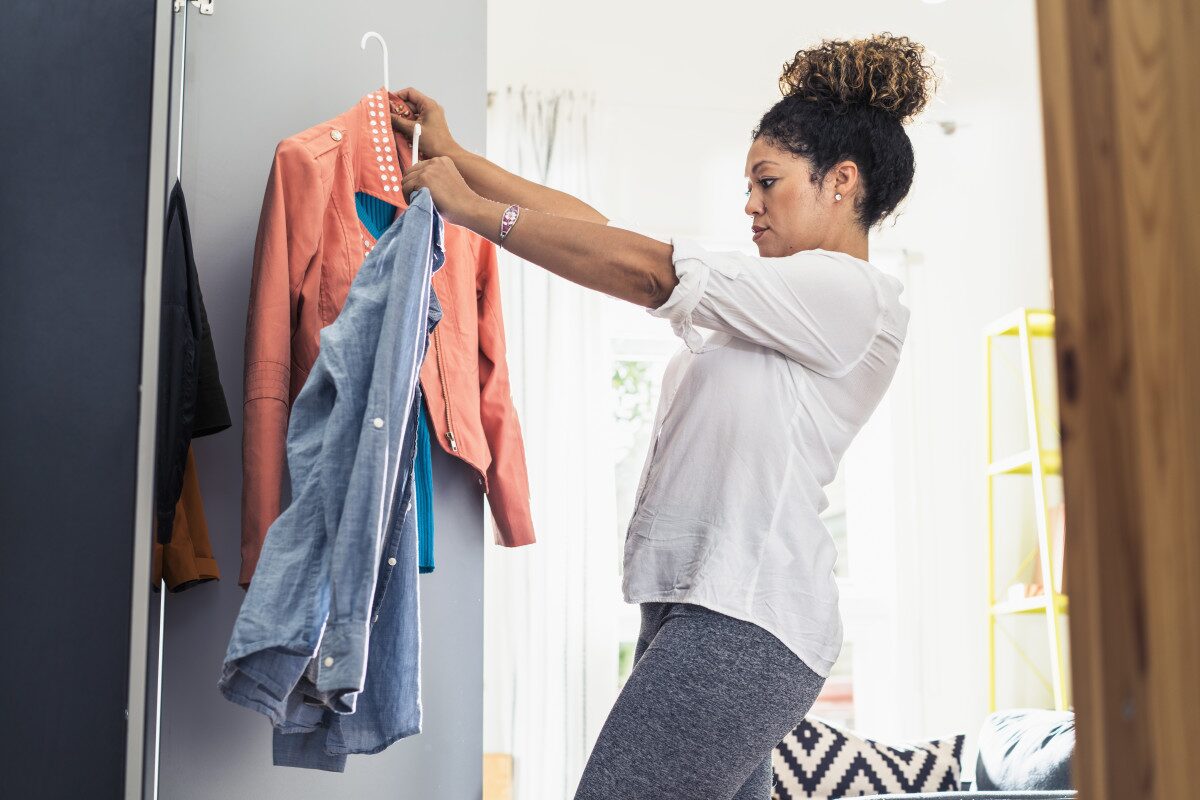
Circular fashion is becoming part of the celebrity style narrative. Stars are increasingly open about rewearing pieces, shopping their own closets, and making conscious consumption choices.
The Authenticity Imperative
What Works vs. What Doesn’t
Authentic accessibility feels effortless. The celebrities who’ve mastered this approach make their style choices feel natural, not calculated.
Performative accessibility falls flat. Audiences can detect when accessibility is just a marketing strategy rather than a genuine approach to style.
Consistency matters. The most influential celebrities maintain their accessible approach across different contexts, not just when they’re being photographed for “candid” moments.
The Business of Accessible Celebrity Style
Economic Impact
The democratization of celebrity style has created new market opportunities. Brands that master the high-low mix are seeing significant growth, while those that remain exclusively high-end are struggling to maintain relevance.
Collaboration economics have shifted. The most successful celebrity partnerships now focus on creating accessible versions of luxury aesthetics rather than simply showcasing expensive pieces.
Looking Forward: The Evolution Continues
The democratization of celebrity style represents more than a fashion trend—it’s a cultural shift toward inclusivity and authenticity. As we move forward, the celebrities who maintain their influence will be those who continue to bridge the gap between aspiration and accessibility.
This evolution benefits everyone: consumers get more relatable style inspiration, brands reach broader audiences, and celebrities build deeper connections with their fans. The result is a fashion ecosystem that’s more inclusive, sustainable, and genuinely inspiring.
The future of celebrity style isn’t about exclusivity—it’s about connection. And that’s a trend worth following.