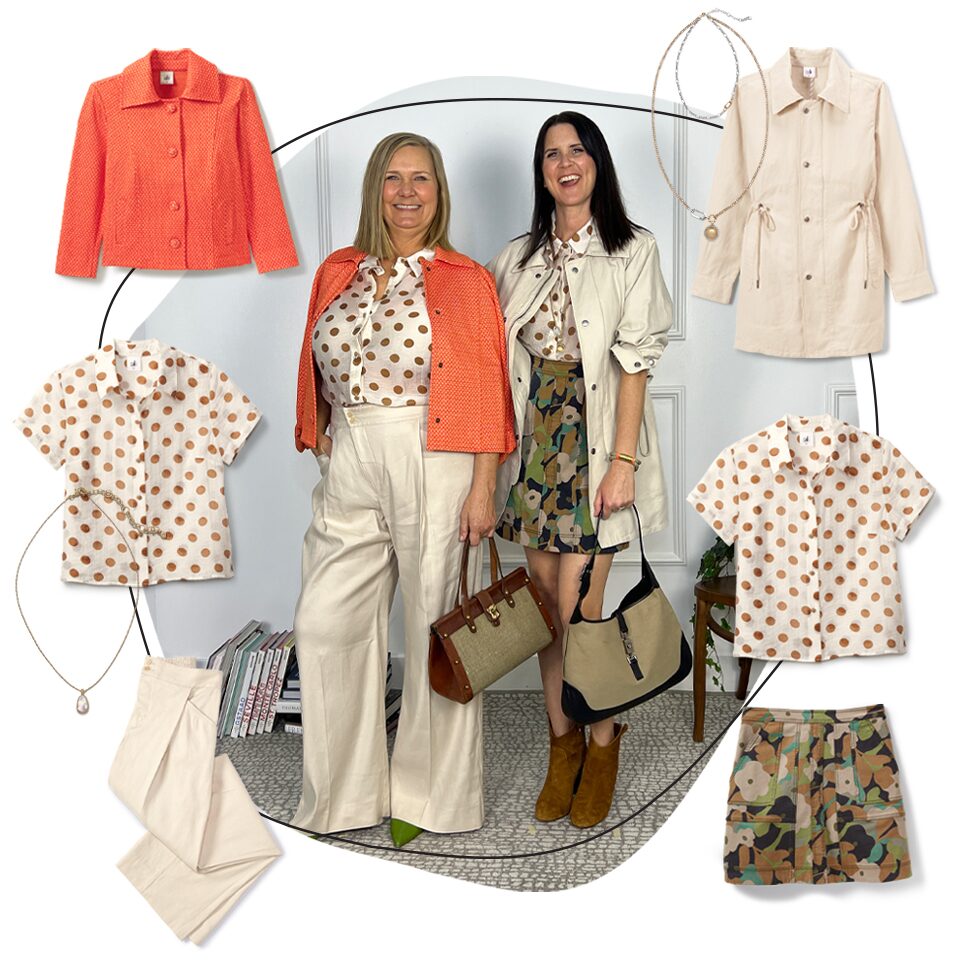
Layering is fashion’s ultimate multitasker. It extends your wardrobe’s lifespan, adapts to changing temperatures, and creates visual interest that elevates even the simplest pieces. Yet many approach layering as an afterthought—grabbing whatever’s handy when the weather turns unpredictable.
In 2025, layering has evolved into a sophisticated art form. It’s about creating intentional, cohesive looks that work harder and look better than single-piece dressing ever could.
The Foundation: Understanding Layering Hierarchy
Successful layering starts with understanding the hierarchy of pieces. Each layer serves a specific purpose and must work harmoniously with the others.
Base Layer: The Foundation
Your base layer should be close-fitting and comfortable. This is typically a fitted tee, tank, or lightweight knit. The key is choosing pieces that lie flat against your body without creating bulk.
Consider fabric choice carefully. Natural fibers like cotton and silk breathe well. Technical fabrics offer moisture-wicking properties for active lifestyles. Avoid thick or textured fabrics at the base layer—they create unnecessary bulk.
Middle Layer: The Workhorse
The middle layer provides warmth and structure. This could be a cardigan, blazer, or button-down shirt. This layer should fit comfortably over your base without being oversized.
The middle layer often defines your look’s style. A blazer makes it professional. A cardigan keeps it casual. A denim jacket adds edge. Choose this layer based on your day’s requirements.
Outer Layer: The Statement
Your outer layer is both functional and aesthetic. Coats, jackets, and outerwear complete your look while providing weather protection.
This layer should accommodate all underlying layers without creating a bulky silhouette. The proportions should feel balanced and intentional.
Mastering Proportions: The Key to Elegant Layering
The Rule of Thirds
Successful layering often follows the rule of thirds. Each layer should be visible and contribute to the overall aesthetic. This means varying lengths strategically.
If wearing a cropped jacket, ensure the layer underneath is longer. If your outer layer is long, make sure middle layers don’t peek out awkwardly. Each layer should have its moment while serving the whole.
Playing with Textures
Texture variation prevents layered looks from appearing flat. Combine smooth with textured, matte with shine, structured with flowing.
A silk blouse under a wool blazer creates interesting texture contrast. A leather jacket over a chunky knit adds visual depth. The key is intentional contrast that enhances rather than competes.
Length Considerations
Layer lengths should create visual interest without appearing accidental. The longest layer typically anchors the look, while shorter layers add structure and definition.
Consider your body proportions when determining layer lengths. Longer torsos can handle more dramatic length differences. Shorter torsos benefit from subtle length variations.
Seasonal Layering Strategies
Spring Transition: Light and Adaptable
Spring layering focuses on adaptability. Temperatures fluctuate dramatically, requiring pieces that can be added or removed easily.
Start with a lightweight base—a cotton tee or silk camisole. Add a light cardigan or blazer for structure. Keep a denim jacket or light trench nearby for temperature drops.
The key is choosing pieces that work independently. Each layer should look polished on its own in case you need to remove outer layers.
Summer Sophistication: Minimal but Effective
Summer layering seems counterintuitive, but it’s often necessary for air-conditioned environments. The goal is staying cool while looking polished.
A sleeveless blouse with a lightweight cardigan works perfectly. The cardigan can be removed outdoors and added back in cold indoor spaces. Choose breathable fabrics that won’t trap heat.
Fall Mastery: The Layering Sweet Spot
Fall offers ideal layering conditions. Temperatures are cool enough to justify multiple layers without overheating.
This is when layering becomes truly artistic. Combine different textures, colors, and proportions. A turtleneck under a slip dress, topped with a blazer and finished with a coat, creates sophisticated visual interest.
Winter Warmth: Function Meets Style
Winter layering prioritizes warmth without sacrificing style. The challenge is avoiding the marshmallow effect while staying comfortable.
Start with moisture-wicking base layers. Add insulating middle layers like wool sweaters or fleece. Finish with weather-appropriate outerwear. The key is choosing pieces that fit well together without creating bulk.
Layering Pro Tip
Always try your layering combinations before wearing them out. What looks good separately might not work together. Test run your layered looks at home first.
Advanced Layering Techniques
The Unexpected Layer
Sometimes the most effective layering involves unexpected pieces. A slip dress over a turtleneck creates interesting contrast. A vest over a dress adds structure and warmth.
These unexpected combinations often become signature looks. They show creativity and style confidence while solving practical problems.
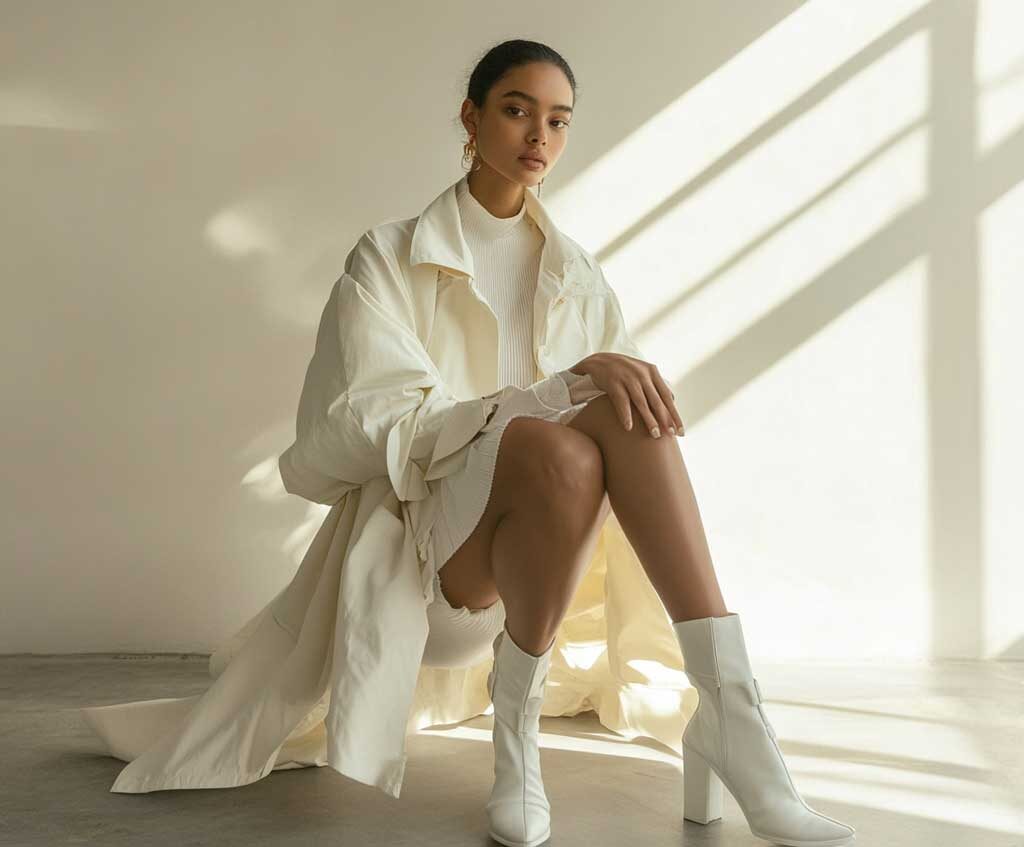
Monochromatic Layering
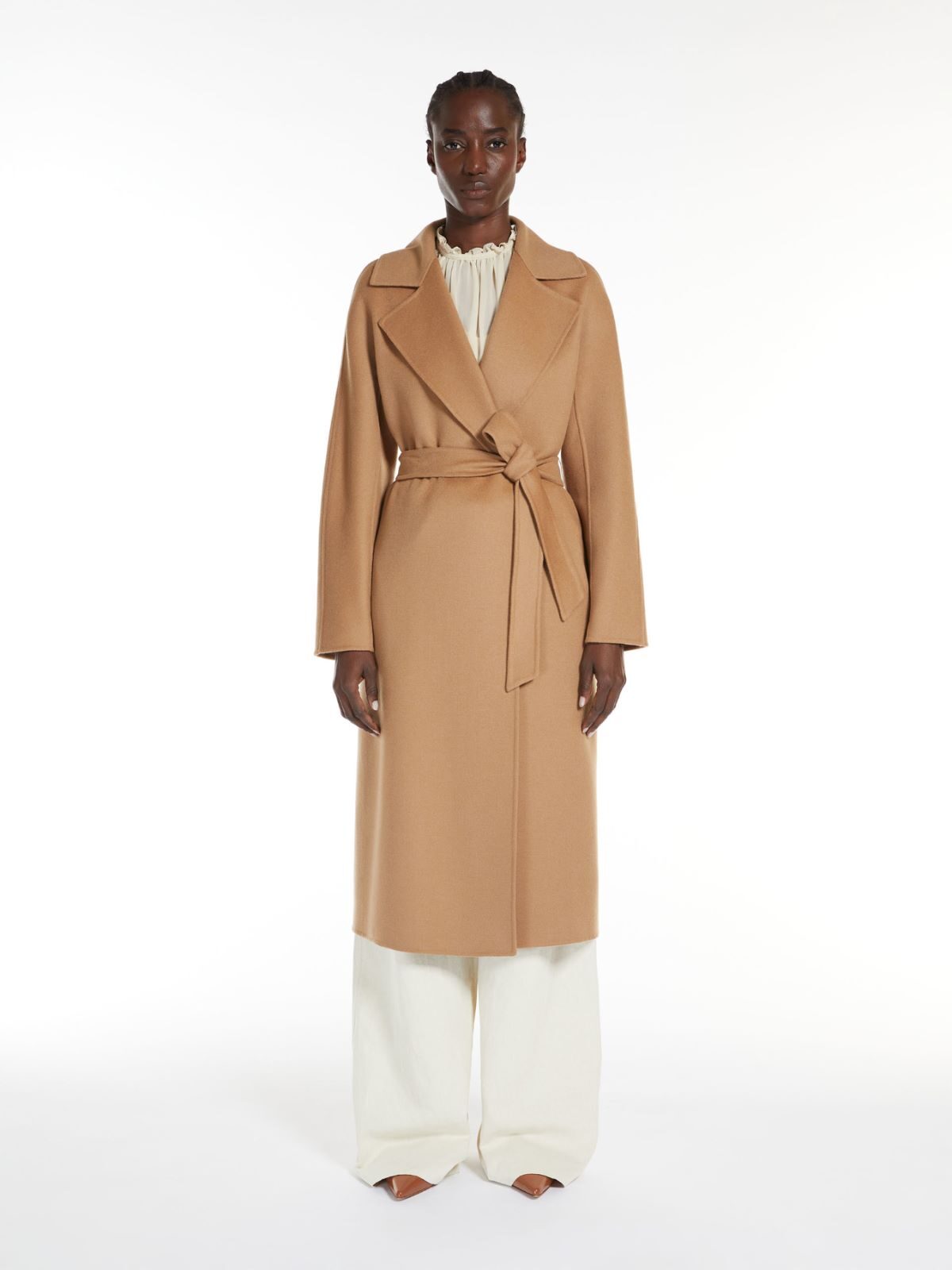
Layering pieces in the same color family creates sophisticated, streamlined looks. The key is varying textures and shades within the color family.
A cream silk camisole, ivory cashmere sweater, and oatmeal wool coat create beautiful tonal variation. Each piece is distinct while contributing to a cohesive whole.
Pattern Mixing in Layers
Advanced layering can incorporate pattern mixing. The key is varying pattern scales and ensuring one pattern dominates.
A striped tee under a plaid blazer works when the stripes are much smaller than the plaid. A floral scarf over a solid coat adds interest without overwhelming.
Fabric Selection for Successful Layering
Natural Fiber Advantages
Natural fibers generally layer better than synthetics. They breathe well, drape beautifully, and feel comfortable against skin.
Cotton, wool, silk, and linen work well in layered looks. They maintain their shape while accommodating movement. They also tend to look more expensive than synthetic alternatives.
Technical Fabrics for Active Lifestyles
For active lifestyles, technical fabrics offer performance benefits. Moisture-wicking base layers keep you comfortable. Insulating middle layers provide warmth without bulk.
The key is choosing technical fabrics that don’t look obviously athletic. Many brands now offer performance fabrics that appear upscale and professional.
Avoiding Fabric Conflicts
Some fabric combinations create problems. Silk and wool can create static. Certain synthetics don’t breathe well when layered. Cotton and polyester can create temperature regulation issues.
Test fabric combinations before committing. Pay attention to how fabrics feel together and how they behave when layered.
Professional Layering: Office-Appropriate Strategies
The Blazer Foundation
A well-fitted blazer forms the foundation of most professional layering looks. It provides structure while allowing for temperature adaptation.
Choose blazers that accommodate layering underneath. Slightly roomier through the body allows for blouses and light sweaters. Ensure armholes aren’t too tight when wearing multiple layers.
Transitional Pieces
Cardigans and light sweaters serve as perfect transitional pieces in professional settings. They provide warmth without the formality of blazers.
Choose cardigans in sophisticated colors and cuts. Avoid overly casual styling. The goal is looking polished while staying comfortable.
Appropriate Proportions
Professional layering requires attention to proportions. Avoid layers that are too bulky or casual. Each piece should contribute to a polished, competent appearance.
Consider your industry’s dress code. Conservative fields require more structured layering. Creative industries allow more experimental approaches.
Accessory Integration in Layered Looks
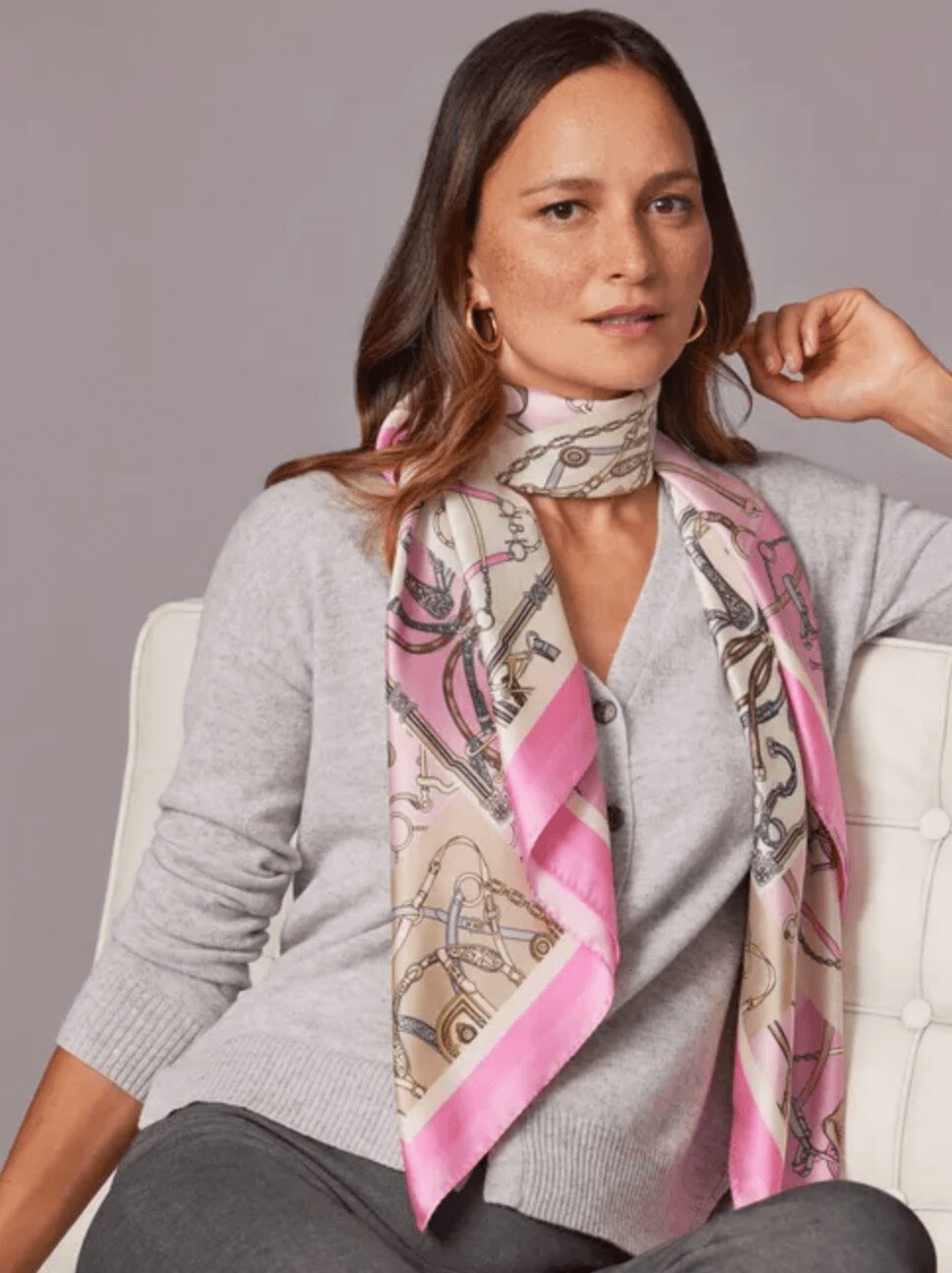
Scarves as Layering Tools
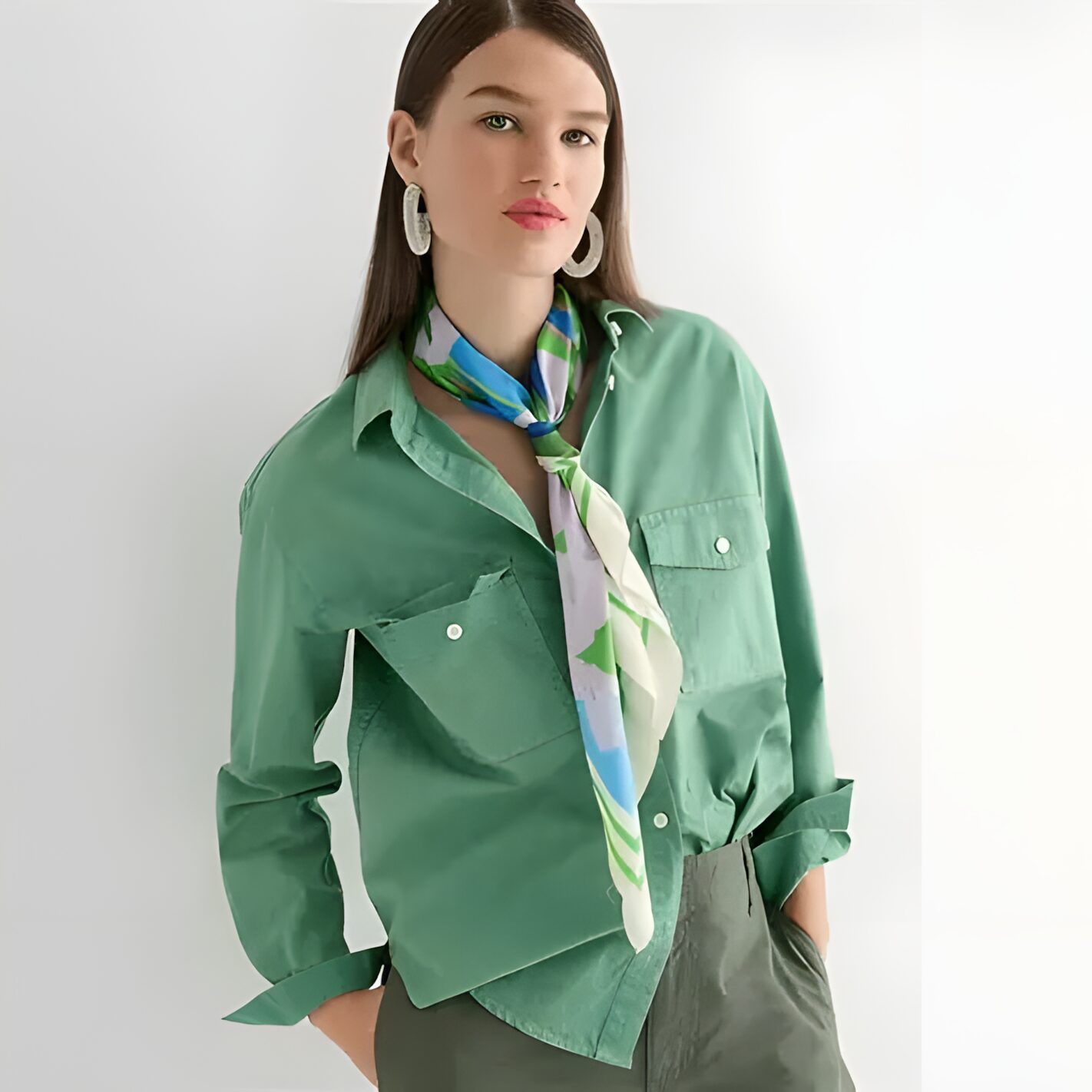
Scarves add both warmth and style to layered looks. They can tie different layers together visually while providing practical benefits.
Choose scarves that complement your layering color palette. Avoid scarves that compete with other patterns or textures in your look.
Jewelry with Layers
Layered clothing creates opportunities for interesting jewelry choices. Longer necklaces work well with open cardigans. Shorter pieces complement higher necklines.
Consider how jewelry interacts with your layered pieces. Avoid pieces that catch on fabric or create bulk where layers meet.
Common Layering Mistakes to Avoid
Over-Layering
The biggest layering mistake is adding too many pieces. More layers don’t necessarily mean better layering. Focus on quality over quantity.
Each layer should serve a purpose. If a layer doesn’t add function or aesthetic value, remove it. The goal is intentional, not accidental layering.
Ignoring Fit
Layering amplifies fit issues. A slightly tight blazer becomes unwearable when layered over a sweater. Always consider how pieces will fit when combined.
Buy layering pieces with their intended use in mind. If you plan to wear a blazer over sweaters, try it on over a sweater when shopping.
Neglecting Color Harmony
Successful layering requires color consideration. Too many competing colors create visual chaos. Focus on cohesive color palettes.
Choose a dominant color and use others as accents. This creates visual unity while allowing for interest and variation.
Your Layering Mastery Checklist
- Start with well-fitted base layers in breathable fabrics
- Choose middle layers that provide structure and style
- Select outer layers that accommodate all underlying pieces
- Vary textures and lengths for visual interest
- Test layering combinations before wearing them out
- Consider your day’s activities and temperature changes
The Future of Layering: Trends and Innovations
Sustainable Layering
Sustainability is driving layering innovation. Pieces designed to work together reduce consumption while maximizing wardrobe potential.
Brands are creating capsule collections specifically designed for layering. These pieces work together seamlessly while offering multiple styling options.
Technical Innovations
New fabric technologies are making layering more comfortable and effective. Thinner insulating materials provide warmth without bulk. Moisture-wicking fabrics improve comfort in layered looks.
These innovations allow for more sophisticated layering while maintaining comfort and functionality.
Layering is fashion’s ultimate problem-solver. It extends your wardrobe’s versatility, adapts to changing conditions, and creates visual interest that elevates your entire look.
Master layering, and you’ll never be caught unprepared for weather changes or dress code requirements. Your wardrobe will work harder, look better, and adapt to whatever your day demands.
In 2025, layering isn’t just about staying warm—it’s about creating sophisticated, adaptable looks that reflect your style intelligence and practical savvy.