ELEMIS sold one Pro-Collagen Cleansing Balm every 15 seconds in 2024. The Pro-Collagen Marine Cream won 62 beauty awards since its 2003 launch. Victoria Beckham, Kate Hudson, and Catherine Zeta-Jones publicly endorse the brand. These numbers and names establish ELEMIS as Britain’s leading luxury skincare export. Yet the brand divides opinion sharply. Devotees swear the products justify premium pricing through visible results. Skeptics argue you’re paying for spa branding and aromatherapy theater rather than superior science.
The truth sits somewhere between cult worship and cynical dismissal. ELEMIS occupies a specific niche in luxury skincare—spa-inspired formulations that emphasize sensory experience alongside clinical efficacy. The products smell divine. They feel indulgent. They deliver measurable hydration and plumpness. But do they outperform competitors at similar or lower price points? That depends entirely on what you value in skincare: pure clinical results or the complete sensorial ritual.
Understanding ELEMIS requires examining what makes British spa skincare distinct from French pharmacy elegance or Korean innovation. ELEMIS built its reputation in luxury spas before expanding to retail. The brand architecture reflects this heritage. Every product aims to recreate professional treatment experiences at home. This positioning commands premium pricing while creating expectations that not all products meet equally well.
From London Spa Rooms to Global Beauty Empire
Linda Steiner founded ELEMIS in London in 1989 with a singular vision: skincare as close to nature as possible without sacrificing effectiveness. She partnered with co-founders Noella Gabriel (therapist and aesthetician), Sean Harrington (product developer), and Oriele Frank (aromatherapist). This founding quartet brought complementary expertise. Their collaboration created ELEMIS’s signature approach—blending spa therapy knowledge, botanical science, and aromatherapy principles.
The brand name itself signals this philosophy. ELEMIS references “elements”—the natural components central to their formulations. Marine actives, botanical extracts, and essential oil blends became ELEMIS’s trademark. They positioned against both clinical dermatology brands (too sterile, too chemical) and natural beauty brands (too hippie, insufficient efficacy). ELEMIS claimed the middle ground: nature-powered performance with luxury presentation.
Early success came through spa partnerships. ELEMIS supplied professional treatment products to luxury spas globally. Therapists trained in ELEMIS facial protocols. Customers experienced the products during treatments, then purchased for home use. This try-before-you-buy model built devoted following. The spa connection also justified premium pricing. If professional therapists used ELEMIS, surely it must work.
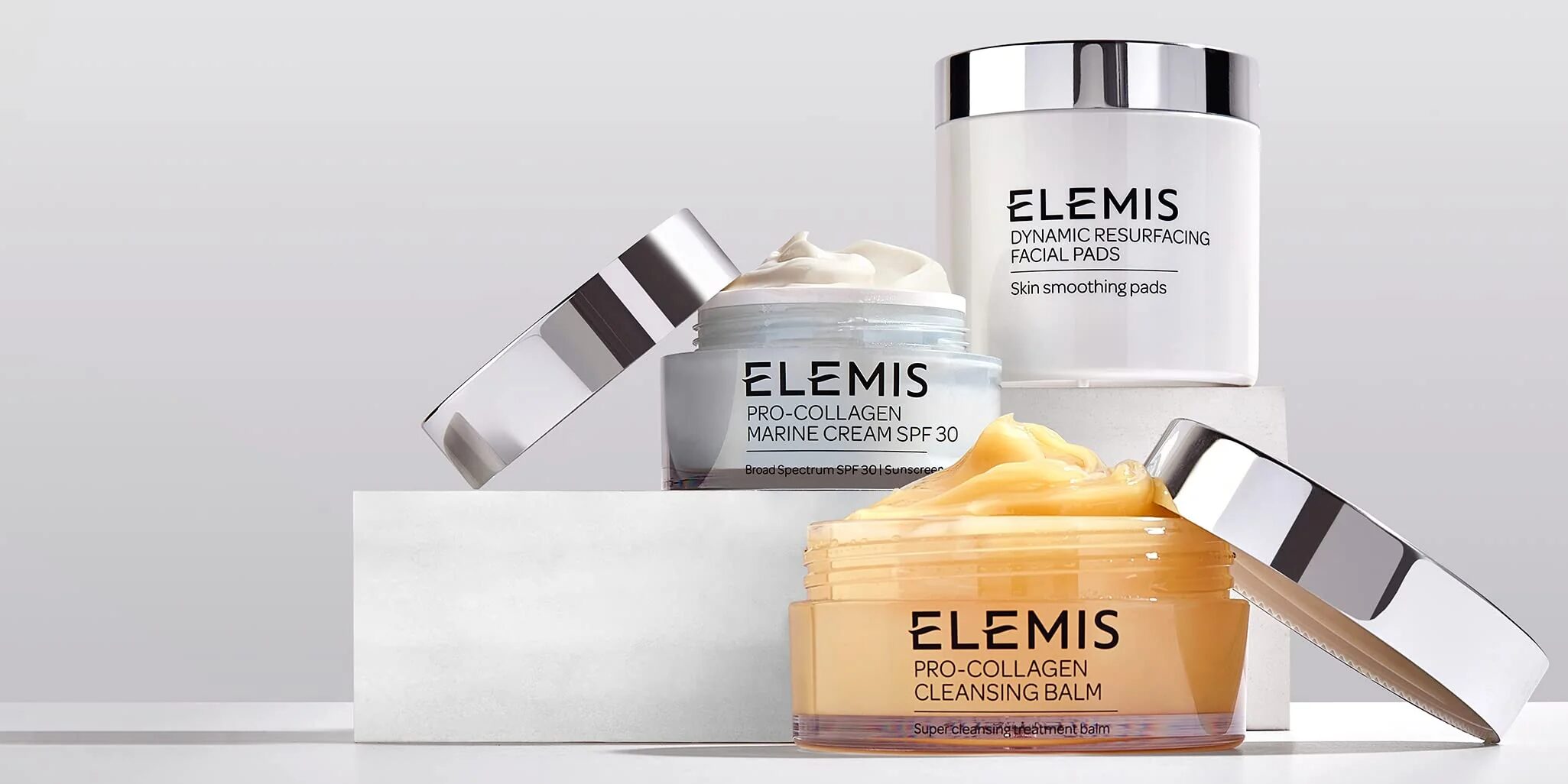
Retail expansion accelerated in the 2000s. ELEMIS entered department stores, specialty beauty retailers, and eventually online platforms. The Pro-Collagen range launched in 2003, establishing the brand’s anti-aging credentials. The Marine Cream became an instant icon. Its gel-cream texture felt revolutionary at a time when anti-aging creams ran heavy and greasy. The Pro-Collagen Cleansing Balm followed, creating another bestseller through its three-texture transformation.
L’Occitane Group acquired ELEMIS in 2019 for approximately £700 million. This sale validated ELEMIS’s position as major player in global prestige beauty. The acquisition provided capital for expansion while maintaining brand independence. ELEMIS entered 600 Ulta Beauty locations across the United States in 2018-2019, dramatically increasing American market presence. The brand now sells in over 50 countries through spas, retailers, and direct channels.
Today ELEMIS employs over 300 people. Annual revenue exceeds £200 million. The Pro-Collagen range alone generates approximately £100 million yearly. These figures confirm ELEMIS’s commercial success. Whether this success reflects superior efficacy or brilliant marketing remains the central question for consumers deciding where to invest their skincare budgets.
Iconic Products: What Actually Delivers
Pro-Collagen Cleansing Balm (£48/$64 for 100g)
This three-in-one cleanser remains ELEMIS’s bestselling product. The solid balm melts into oil when warmed between palms. It emulsifies into milk when water is added. This texture journey creates the spa-at-home experience ELEMIS promises. The formula combines rose and mimosa waxes with starflower, elderberry, and Optimega oils. Nine essential oils provide the signature aromatherapy scent—lavender, chamomile, eucalyptus dominate.
Performance-wise, the cleansing balm excels at makeup removal. It dissolves waterproof mascara and long-wear foundation effortlessly. The oil phase lifts dirt and sebum without stripping. The milk rinse leaves no residue. Skin feels clean but not tight. The experience is genuinely pleasant—the scent relaxes, the massage feels indulgent, the result satisfies.
The catch? At £48, this represents luxury cleansing pricing. The Body Shop’s Camomile Cleansing Butter (£13) performs nearly identically at one-third the cost. Clinique’s Take The Day Off Balm (£23) also competes effectively. You’re paying significantly for ELEMIS’s superior aromatherapy experience and brand prestige. If those matter to you, the cleansing balm justifies its price. If you prioritize pure cleansing efficacy, cheaper alternatives deliver equivalent results.
Real-world longevity: 100g lasts approximately 3-4 months with daily use. This calculates to roughly £12-16 monthly. Compare that to luxury serums costing £60-120 monthly. The cleansing balm’s cost-per-use actually lands in reasonable territory for prestige skincare.
Pro-Collagen Marine Cream (£94/$140 for 50ml)
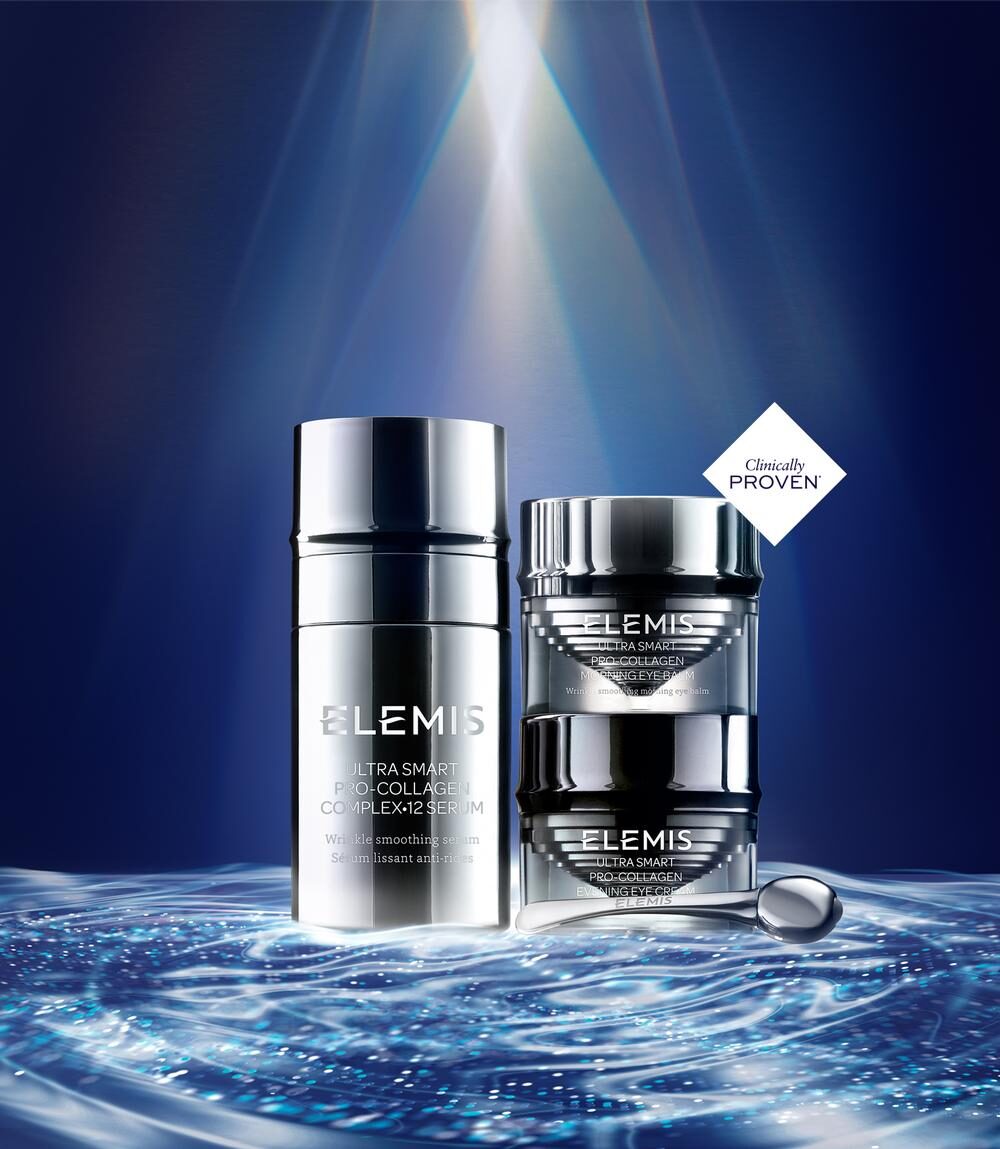
The product that built ELEMIS’s anti-aging reputation. This gel-cream moisturizer contains Padina Pavonica (Mediterranean algae) as its star active ingredient. ELEMIS claims clinical studies show this algae reduces wrinkle depth and improves firmness within 15 days. The formula also includes ginkgo biloba, precious rose, and mimosa absolutes for additional antioxidant and sensory benefits.
Texture defines this cream’s appeal. It’s exceptionally lightweight—almost serum-like consistency. It absorbs within seconds. There’s zero greasiness or heaviness. This makes it beloved by people who typically hate rich moisturizers. Skin feels plump and hydrated immediately. The effect lasts through the day. After 2-3 weeks of consistent use, many users report visible improvement in skin smoothness and radiance.
The criticism? At £94 for 50ml, you’re paying £1.88 per milliliter. La Mer costs more, but Drunk Elephant, Sunday Riley, and other luxury competitors deliver similar or better results at comparable or lower prices. Independent analysis shows the Padina Pavonica studies were conducted by ELEMIS themselves, not third-party researchers. This raises questions about objective efficacy verification.
The Marine Cream works best for normal to dry skin seeking lightweight hydration. It won’t satisfy extremely dry skin needing heavy occlusives. It provides insufficient richness for mature skin with significant elasticity loss. View it as excellent daily moisturizer with moderate anti-aging benefits, not miracle wrinkle eraser. Adjusted expectations prevent disappointment.
Explore the complete Pro-Collagen range at ELEMIS to find the specific formulations that match your skin concerns and preferences.
Papaya Enzyme Peel (£43/$57 for 50ml)
This enzymatic exfoliator uses papaya and pineapple enzymes to dissolve dead skin cells. Unlike physical scrubs or acid peels, enzyme treatments work gently without irritation risk. Apply to dry skin, leave 10 minutes, then rinse. The result is noticeably smoother, brighter skin without redness or sensitivity.
The enzyme peel suits sensitive skin beautifully. It provides exfoliation benefits without the inflammation that acids can trigger. Use 1-2 times weekly for maintaining smooth texture. The product performs exactly as promised—gentle but effective exfoliation with minimal drama. At £43, it’s not cheap, but enzyme exfoliators generally command premium pricing due to ingredient costs.
Compare to The Ordinary’s Peeling Solution (£6.30) for more aggressive exfoliation at fraction of the price. Or consider Paula’s Choice 2% BHA Liquid (£33) for daily acid exfoliation. The ELEMIS enzyme peel’s advantage is gentleness and idiot-proof application. You can’t over-do it like you can with acids. For skincare beginners or sensitive types, this safety factor justifies the premium.
Dynamic Resurfacing Facial Pads (£40/$55 for 60 pads)
Pre-soaked exfoliating pads featuring lactic acid and probiotic ferment complex. These provide daily chemical exfoliation that’s gentler than traditional acid toners. The pads are saturated generously—almost dripping with product. Each pad easily covers entire face and neck. Use after cleansing, before serums.
The lactic acid concentration isn’t disclosed, but based on performance, it likely sits around 5-7%. This is sufficient for daily exfoliation without excessive irritation. The probiotic ferment supposedly supports skin microbiome health. Whether this provides meaningful benefit beyond marketing remains unclear. The pads definitely smooth texture and brighten complexion with consistent use.
Value proposition here is questionable. £40 for 60 pads means £0.67 per use. Use them daily and you’re spending £20 monthly on exfoliating pads. The Ordinary’s Glycolic Acid Toning Solution (£8.50 for 240ml) delivers similar exfoliation for approximately £0.04 per use. The ELEMIS pads win on convenience and luxury experience. They lose dramatically on cost-efficiency.
Superfood Facial Wash (£28/$38 for 200ml)
A gel cleanser featuring wheatgrass, nettle, and broccoli seed extract. The “superfood” positioning targets health-conscious consumers. The formula contains prebiotics supposedly supporting skin microbiome. It cleanses effectively without stripping. Skin feels refreshed but not tight. The scent is herbal-fresh rather than traditionally floral.
This cleanser represents reasonable ELEMIS value. £28 for 200ml calculates to £0.14 per ml—significantly cheaper than the cleansing balm. It lasts 2-3 months with daily use. Performance equals Glossier Milky Jelly Cleanser (£15) or CeraVe Hydrating Cleanser (£10). You’re paying a premium, but it’s not obscene. If you want ELEMIS experience at entry-level price, this is your gateway.
The superfood angle is mostly marketing. There’s limited scientific evidence that topically applied vegetable extracts provide meaningful skincare benefits beyond basic antioxidant activity. But the cleanser works well regardless of whether the broccoli extract does anything special. Sometimes good marketing supporting solid basics equals success.
- Pro-Collagen Cleansing Balm – Expensive but cost-per-use reasonable (£12-16 monthly)
- Superfood Facial Wash – Entry-price cleanser with decent longevity
- Papaya Enzyme Peel – Premium but appropriate for gentle enzyme exfoliation market
- Pro-Collagen Marine Cream – Pricey but comparable to other luxury moisturizers
ELEMIS Compared: Worth It Against Competitors?
ELEMIS vs. Clinique
Clinique positions as dermatologist-developed, allergy-tested, fragrance-free skincare. ELEMIS embraces aromatherapy, spa luxury, and sensorial experience. These opposing philosophies create different customer bases. Clinique appeals to sensitive skin and no-nonsense types. ELEMIS attracts those who want skincare to feel like self-care ritual.
Price-wise, Clinique runs significantly cheaper. Their bestselling moisturizers cost £26-£50 versus ELEMIS’s £60-£140. For comparable efficacy, Clinique often wins on value. But ELEMIS devotees argue you’re paying for experience, not just ingredients. The ritual matters. The scent relaxes. The texture indulges. These intangibles have worth if you value them.
Clinique suits practical, results-focused consumers. ELEMIS suits experience-seeking wellness enthusiasts. Neither is objectively superior—they serve different needs and preferences. If you view skincare as medicine, choose Clinique. If you view it as spa therapy, choose ELEMIS.
ELEMIS vs. Drunk Elephant
Drunk Elephant built its brand on clean ingredients and Instagram-worthy packaging. ELEMIS predates social media by two decades. Drunk Elephant appeals to younger, digitally-native consumers. ELEMIS attracts older millennials and Gen X who remember when spa culture dominated wellness.
Efficacy comparison shows rough parity at similar price points. Drunk Elephant’s C-Firma Vitamin C (£64) competes with ELEMIS serums in the £50-80 range. Their moisturizers (£54-£60) match ELEMIS’s mid-tier options. The main difference is aesthetic—Drunk Elephant looks modern and minimal, ELEMIS feels traditional and luxurious.
Choose based on brand values and packaging preferences. Drunk Elephant’s clean beauty positioning appeals if you prioritize ingredient transparency and sustainability marketing. ELEMIS’s spa heritage resonates if you value established luxury tradition. Both deliver solid performance in their respective price tiers.
ELEMIS vs. The Ordinary
This comparison is almost unfair—The Ordinary deliberately undercuts luxury pricing through minimal packaging and no-frills formulations. A complete The Ordinary routine costs £40-60. A comparable ELEMIS routine runs £200-300. The price gulf is enormous.
Ingredient analysis shows The Ordinary often uses higher concentrations of actives than ELEMIS. Their 10% Lactic Acid Peel (£7.20) likely contains more acid than ELEMIS’s Dynamic Resurfacing Pads (£40). But The Ordinary’s formulations lack ELEMIS’s elegant textures and aromatherapy elements. They’re skincare as chemistry experiment versus skincare as spa ritual.
If budget is primary concern, The Ordinary wins decisively. If you want premium experience and can afford it, ELEMIS justifies the markup through superior aesthetics and sensory pleasure. Many smart consumers use The Ordinary for actives (retinoids, acids, vitamins) and ELEMIS for cleansers and moisturizers where experience matters more.
“ELEMIS mastered the art of selling the ritual alongside the results. Their customers aren’t just buying skincare—they’re buying the spa experience they can’t always afford or access. That emotional value is real, even if it’s hard to quantify clinically.” — Caroline Hirons, Skincare Expert and Author
Shopping Strategy: When and What to Buy
Best Times to Purchase
ELEMIS rarely offers significant discounts through their direct channels. The brand maintains luxury positioning through price stability. However, authorized retailers frequently run promotions. Amazon Prime Day historically features 30-40% off select ELEMIS products. Black Friday/Cyber Monday sees similar discounts at Sephora, Ulta, and Look Fantastic.
Mother’s Day and holiday gift sets provide better value than individual products. ELEMIS bundles typically include 4-6 items for the price of 2-3 full-size products. These sets let you test multiple products economically before committing to full-size purchases. Look for them in November-December and May.
Space NK and Cult Beauty loyalty programs offer points on ELEMIS purchases that convert to discount vouchers. If you’re committed to the brand, buying through loyalty programs effectively reduces cost by 10-15% over time. This matters at ELEMIS’s price points where £100 purchase generates £10-15 in future savings.
Subscription services occasionally offer ELEMIS in discovery boxes. Look Fantastic Beauty Box and similar services sometimes include ELEMIS samples or deluxe minis. This lets you try products for £10-15 before committing to £40-140 full sizes. Strategic sampling prevents expensive mistakes.
Products Worth Full Price
The Pro-Collagen Cleansing Balm justifies full-price purchase if you value luxury cleansing experience. Cleansers get used daily, making cost-per-use reasonable. The sensory pleasure is genuine. If you can afford £48 for 3-4 months of elevated cleansing ritual, the value proposition holds.
Pro-Collagen Marine Cream SPF 30 (£94) also merits full-price consideration. Combining daily moisturizer with SPF protection in lightweight texture is difficult to find. If you hate traditional sunscreens’ heaviness, this product solves a real problem. The premium over separate moisturizer + sunscreen is modest when you calculate combined cost.
Products to Buy on Sale Only
The Dynamic Resurfacing Facial Pads at £40 full-price seem egregious given cheap acid toner alternatives. Wait for 30-40% discount before purchasing. At £24-28, they become more palatable luxury option. Full price feels insulting given available alternatives.
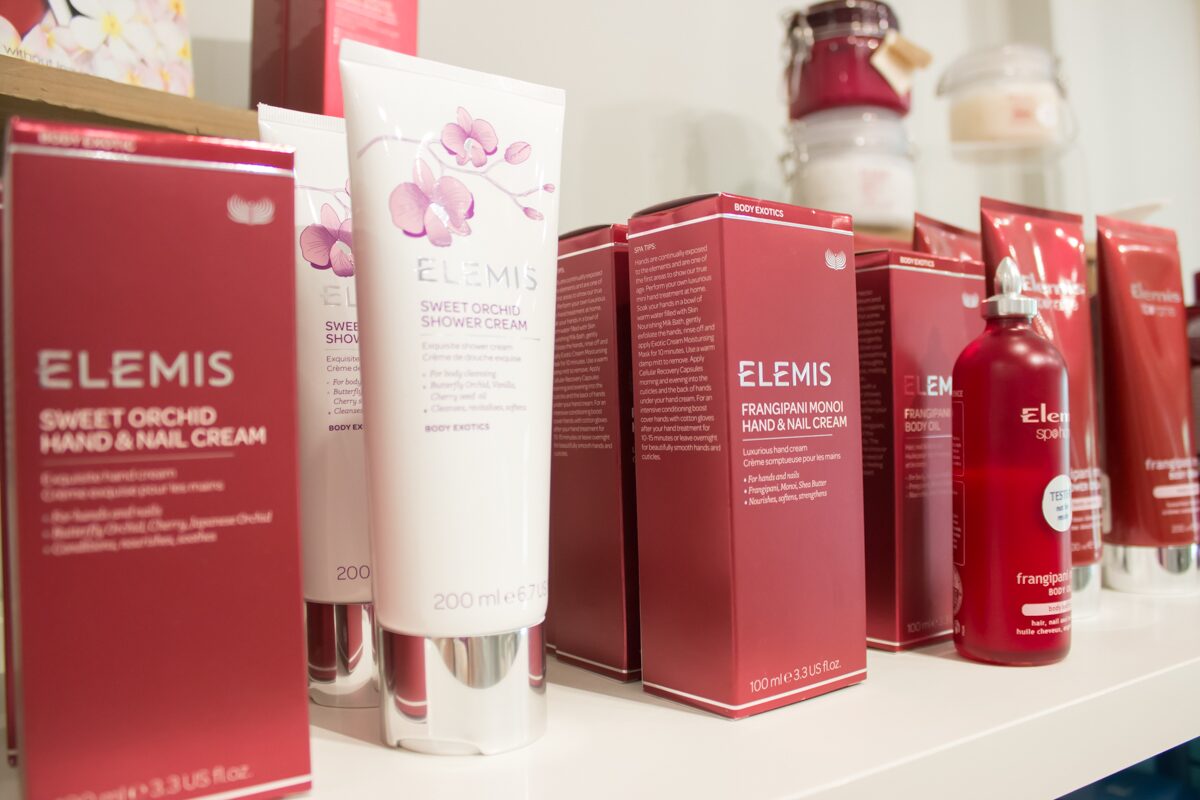
Body products like shower gels and body creams also scream “wait for sale.” ELEMIS body care costs £30-45 for relatively standard formulations. These items frequently appear in sale sections and gift sets. Never pay full price for ELEMIS body products when face products deserve budget priority.
Masks and peels work as occasional treatments rather than daily essentials. Wait for promotions or buy in sets. Using them 1-2 times weekly means full-size jars last 3-6 months. Paying full price feels wasteful when sales happen quarterly.
The Verdict: Who Should Buy ELEMIS?
ELEMIS Works Best For:
Skincare enthusiasts who value experience alongside efficacy. If you light candles during your evening routine and view skincare as meditation, ELEMIS speaks your language. The aromatherapy elements, luxurious textures, and spa associations create meaningful emotional value beyond pure ingredient lists.
People with disposable income seeking reliable luxury. ELEMIS occupies the accessible-luxury tier—expensive enough to feel special, not so expensive it requires serious financial planning. If you can comfortably spend £100-200 monthly on skincare, ELEMIS offers solid quality without the intimidating prestige of La Mer or La Prairie.
Those who struggled with heavy anti-aging creams. ELEMIS’s lightweight formulations revolutionized anti-aging skincare for people who hate rich, greasy textures. If you’ve avoided mature-skin products because they feel suffocating, ELEMIS’s gel-creams might convert you.
Gift-buyers seeking impressive presentation. ELEMIS packaging photographs beautifully. The brand recognition registers with recipients. The price point signals thoughtfulness without seeming excessive. For milestone birthdays, Mother’s Day, or thank-you gifts, ELEMIS hits the sweet spot.
ELEMIS Probably Isn’t For You If:
Budget is primary concern. Every ELEMIS product has effective cheaper alternatives. The Ordinary, CeraVe, and Cetaphil deliver comparable results at 25-50% of the cost. ELEMIS’s value comes from experience, not price-performance ratio. If you’re stretching financially to afford it, redirect funds to more cost-effective options.
You prioritize ingredient transparency and clean beauty. ELEMIS includes essential oils and fragrance in most formulations. While their “harmful chemical” marketing implies naturalness, independent analysis shows standard cosmetic preservatives and synthetic ingredients. Clean beauty purists will find contradictions between marketing and full ingredient lists.
Sensitive or fragrance-reactive skin limits your options. ELEMIS’s signature aromatherapy approach means nearly everything is heavily scented. The brand does offer some fragrance-free options, but they’re minority of the line. If fragrance triggers irritation or headaches, ELEMIS’s core appeal disappears.
You expect dramatic results from topical skincare. ELEMIS does what good skincare can do—hydrate, smooth, brighten, protect. It won’t replace professional treatments, erase deep wrinkles, or dramatically lift sagging skin. If you’re seeking transformation, you need dermatologist-prescribed treatments or professional procedures. ELEMIS maintains skin health beautifully but doesn’t work miracles.
ELEMIS succeeds because it understands that skincare is emotional as much as functional. The products work adequately—sometimes quite well. But their real achievement is making routine skin maintenance feel like self-care luxury. That transformation justifies premium pricing for customers who can afford it and value it. For others, cheaper alternatives deliver similar physical results without the spa aesthetic.
The brand’s longevity—36 years and counting—proves that market exists. ELEMIS won’t convince skeptics that £94 face cream outperforms £30 alternatives in blind efficacy tests. But it will continue satisfying customers who believe skincare should nourish the soul alongside the skin. That’s not delusional—it’s just a different set of purchasing priorities, equally valid as pure ingredient-focused decisions.
Discover which ELEMIS products match your skincare needs and budget at ELEMIS where you can explore the complete range and find current promotions.
For those who’ve tried ELEMIS, do you believe the spa luxury experience justifies the premium pricing, or would you rather invest the same budget in higher concentrations of proven actives from clinical brands?