Caudalie sells one Beauty Elixir every 15 seconds globally. Their Vinoperfect Radiance Serum has won 187 beauty awards since launch. Rosie Huntington-Whiteley, Victoria Beckham, and Kim Kardashian publicly swear by the brand. These statistics and celebrity endorsements position Caudalie as French pharmacy skincare royalty. Yet the brand polarizes beauty enthusiasts sharply. Devotees claim grape-derived actives transformed their skin. Skeptics argue you’re paying premium prices for botanical marketing wrapped around standard formulations.
The truth occupies nuanced middle ground. Caudalie delivers exactly what it promises: clean, natural-leaning formulations with genuine efficacy, wrapped in sensorial luxury that justifies modest premiums over drugstore alternatives. The products smell divine—herbal-fresh without cloying sweetness. They feel elegant—lightweight textures that absorb beautifully. They perform reliably—visible hydration, brightening, and smoothing with consistent use. But do they outperform clinical powerhouses like The Ordinary or Paula’s Choice at comparable prices? That depends entirely on whether you value holistic wellness rituals or pure ingredient concentrations.
Understanding Caudalie requires examining what makes French vineyard beauty distinct from Korean innovation or American clinical skincare. The brand built its identity on terroir—the concept that location and environment create unique product character. Every formulation references Bordeaux vineyards where the Thomas family discovered polyphenols’ skincare potential. This origin story isn’t just marketing theater. It fundamentally shapes Caudalie’s product philosophy: natural ingredients with scientific validation, elegant presentation without excessive luxury posturing, accessibility without compromising quality.
From Bordeaux Harvest to Global Beauty Empire
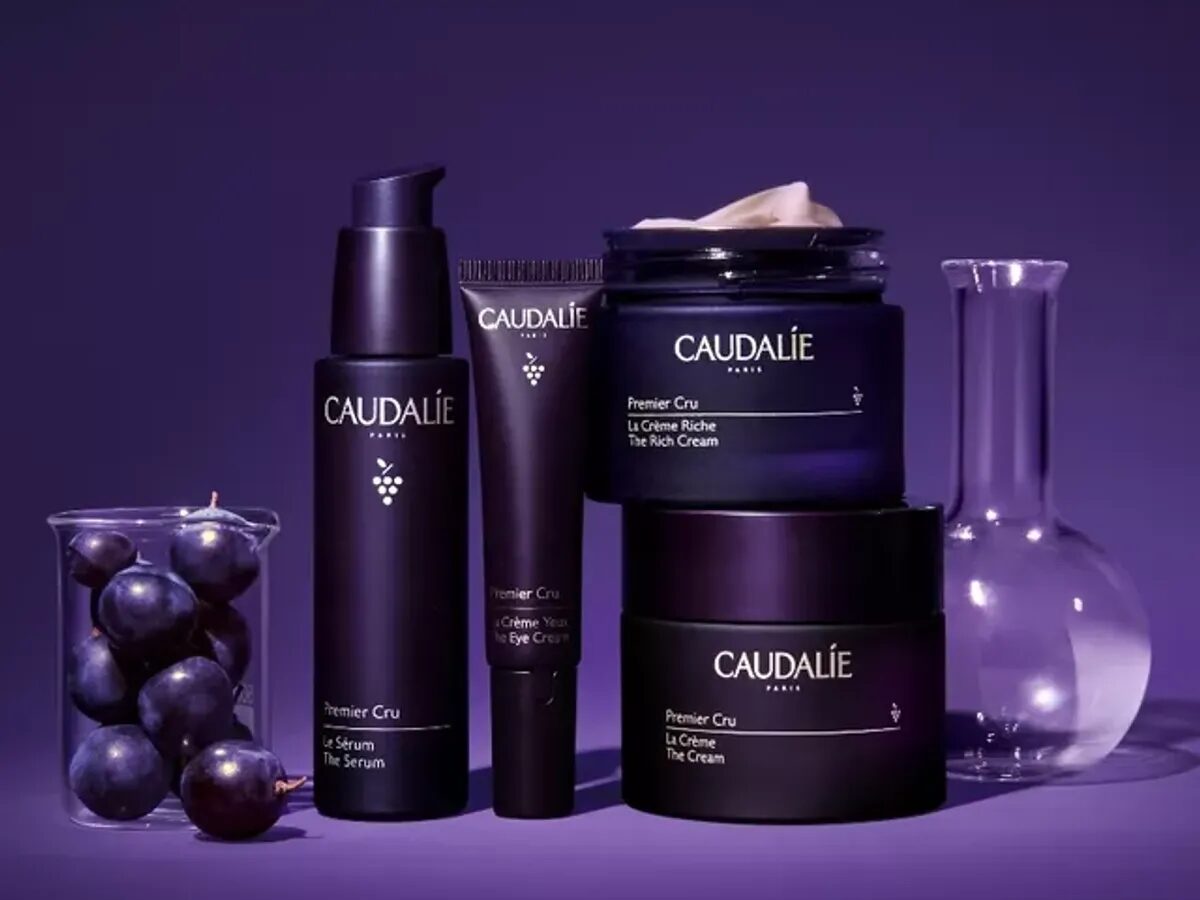
Mathilde and Bertrand Thomas didn’t set out to build skincare empires. In 1993, Mathilde visited her parents’ Château Smith Haut Lafitte vineyard during harvest season. Professor Joseph Vercauteren from Université de Montpellier happened to be researching grape seed polyphenols there. He asked the young couple a question that changed everything: “Do you know you’re throwing away treasures?” He explained that grape seed polyphenols contained some of nature’s most powerful antioxidants—significantly more potent than vitamin C or E.
This revelation ignited obsession. Mathilde,who had studied mathematics at business school, partnered with Bertrand’s MBA background to commercialize Professor Vercauteren’s research. They worked with him for two years to develop methods for extracting and stabilizing grape seed polyphenols. In 1995, they registered their first patent and launched Caudalie with three products sold in Bordeaux pharmacies: two face creams and nutritional supplements.
The brand name itself reveals their philosophy. “Caudalie” is the wine-tasting term measuring how long flavors linger in your mouth. One caudalie equals one second. Great wines create long caudalies—complex, layered flavors that persist. The Thomases wanted skincare with similar lasting impact. Products that performed beautifully in the moment and delivered enduring results over time.
Early growth came through French pharmacy distribution. Customers trusted pharmacist recommendations. Results spread through word-of-mouth. By 1996, Caudalie signed research agreements with Bordeaux Pharmacy Faculty, developing two additional patents: resveratrol (extracted from grapevine stalks) and viniferine (extracted from grapevine sap). These proprietary ingredients became Caudalie’s signature differentiators—clinically proven actives you couldn’t find elsewhere.
The spa expansion in 1999 elevated Caudalie from pharmacy brand to lifestyle experience. While excavating at Château Smith Haut Lafitte, workers discovered hot springs 500 meters underground. The Thomases combined this natural spring water with grape extracts to create vinotherapy spa treatments. They opened Caudalie Spa des Sources at the vineyard, offering facial and body treatments featuring grape-based products. Celebrities and beauty editors visited. International media coverage followed. Caudalie transformed from regional French brand to global prestige player.
Today Caudalie operates in over 50 countries through 35 standalone boutiques, 8 vinotherapy spas, and partnerships with Sephora, Space NK, and luxury retailers worldwide. L’Occitane Group acquired the brand in 2019 for approximately £700 million, validating Caudalie’s commercial success while maintaining the founders’ creative control. Annual revenue exceeds $200 million USD. The couple—now in their 50s with three children—remain actively involved in product development and brand direction.
Signature Ingredients: The Grape-Powered Technology
Polyphenols: The Original Antioxidant Powerhouse
Grape seed polyphenols launched Caudalie’s reputation. These plant compounds provide antioxidant activity 10,000 times more powerful than vitamin E. They neutralize free radicals that accelerate aging. They protect against environmental damage. They support skin’s natural repair processes. Caudalie’s patented extraction method stabilizes these notoriously unstable compounds, ensuring they remain active in formulations.
The science backing polyphenols is robust. Multiple independent studies confirm their antioxidant benefits. Unlike some botanical ingredients marketed on tradition alone, polyphenols have genuine clinical support. They appear throughout Caudalie’s range—from cleansers to moisturizers to masks. Think of them as Caudalie’s foundational technology that appears everywhere.
Resveratrol: The Anti-Aging Breakthrough
Extracted from grapevine stalks, resveratrol became famous through red wine research showing moderate consumption supports cardiovascular health. The same molecule applied topically stimulates collagen production and improves skin firmness. Caudalie’s patented resveratrol is stabilized for skincare use—a significant achievement since the compound degrades quickly when exposed to light and air.
The Resveratrol-Lift range built around this ingredient targets aging skin specifically. Clinical studies conducted by Caudalie show their resveratrol formulations improve firmness and reduce wrinkle depth within 4 weeks. Independent verification of these claims remains limited—a common issue with brand-conducted research. However, user reviews consistently report visible improvements in skin texture and plumpness with continued use.
Caudalie markets resveratrol as “natural retinol alternative”—a bold claim that deserves scrutiny. Resveratrol and retinol work through completely different mechanisms. Retinol increases cell turnover and directly stimulates collagen genes. Resveratrol provides antioxidant protection and indirect collagen support. They’re complementary, not interchangeable. The “retinol alternative” positioning targets consumers seeking gentler options, which is fair. But calling it equivalent oversimplifies skincare science.
Viniferine: The Dark Spot Specialist
Perhaps Caudalie’s most impressive innovation. Viniferine comes from grapevine sap—the liquid that flows when vines are pruned. French vineyard workers traditionally rubbed this sap on their hands to fade sun spots and brighten skin. Professor Vercauteren isolated the active compound and patented the extraction process. Clinical studies show viniferine is 62 times more effective than vitamin C at inhibiting tyrosinase, the enzyme responsible for melanin production.
This is legitimately impressive science. Independent dermatologist testing confirms viniferine’s efficacy in reducing hyperpigmentation. The Vinoperfect range featuring viniferine has become Caudalie’s bestselling collection. Users report visible fading of dark spots, post-inflammatory hyperpigmentation, and melasma within 4-8 weeks. Results typically take longer than prescription hydroquinone but occur without irritation or rebound hyperpigmentation.
The catch? Viniferine is exclusive to Caudalie through their patent. You can’t compare it directly to other brands’ approaches. This creates both advantage (unique ingredient) and limitation (no independent verification from competitor formulations). Based on extensive user reviews and before-after photos, viniferine appears to deliver on promises. Whether it justifies Caudalie’s pricing depends on your specific pigmentation concerns and budget.
Explore Caudalie’s complete range of grape-powered formulations at Caudalie to discover which ingredients and products best match your skincare goals.
Iconic Products: What Actually Delivers Results
Beauty Elixir ($49 CAD for 100ml)
The cult product that launched a thousand Reddit threads. This face mist combines orange blossom water, grape extract, rosemary, mint, and melissa essential oils. It claims to tighten pores, set makeup, refresh skin, and provide instant radiance. The reality? It’s an exceptionally pleasant face mist that does exactly what good face mists do—hydrate, refresh, and temporarily plump skin.
The scent is the star. Herbal-fresh with mint coolness and subtle floral notes. It smells expensive and spa-like. The mist disperses finely without soaking skin or disturbing makeup. Used throughout the day, it genuinely refreshes tired skin. As makeup setting spray, it provides dewiness without disrupting foundation. Before moisturizer, it slightly boosts absorption. The experience is lovely.
The criticism? At $49 for 100ml, you’re paying $0.49 per milliliter for what is essentially fancy water with essential oils and grape extract. Mario Badescu Facial Spray ($7-12) performs nearly identically at one-fifth the cost. Heritage Store Rosewater Spray ($10) also competes effectively. You’re absolutely paying premium for Caudalie’s superior scent and elegant packaging.
Who should buy it? If face mists feature prominently in your routine and you value luxurious sensory experiences, the Beauty Elixir justifies its price through superior aesthetics. If you’re budget-conscious or view mists as optional extras, cheaper alternatives deliver equivalent functional performance.
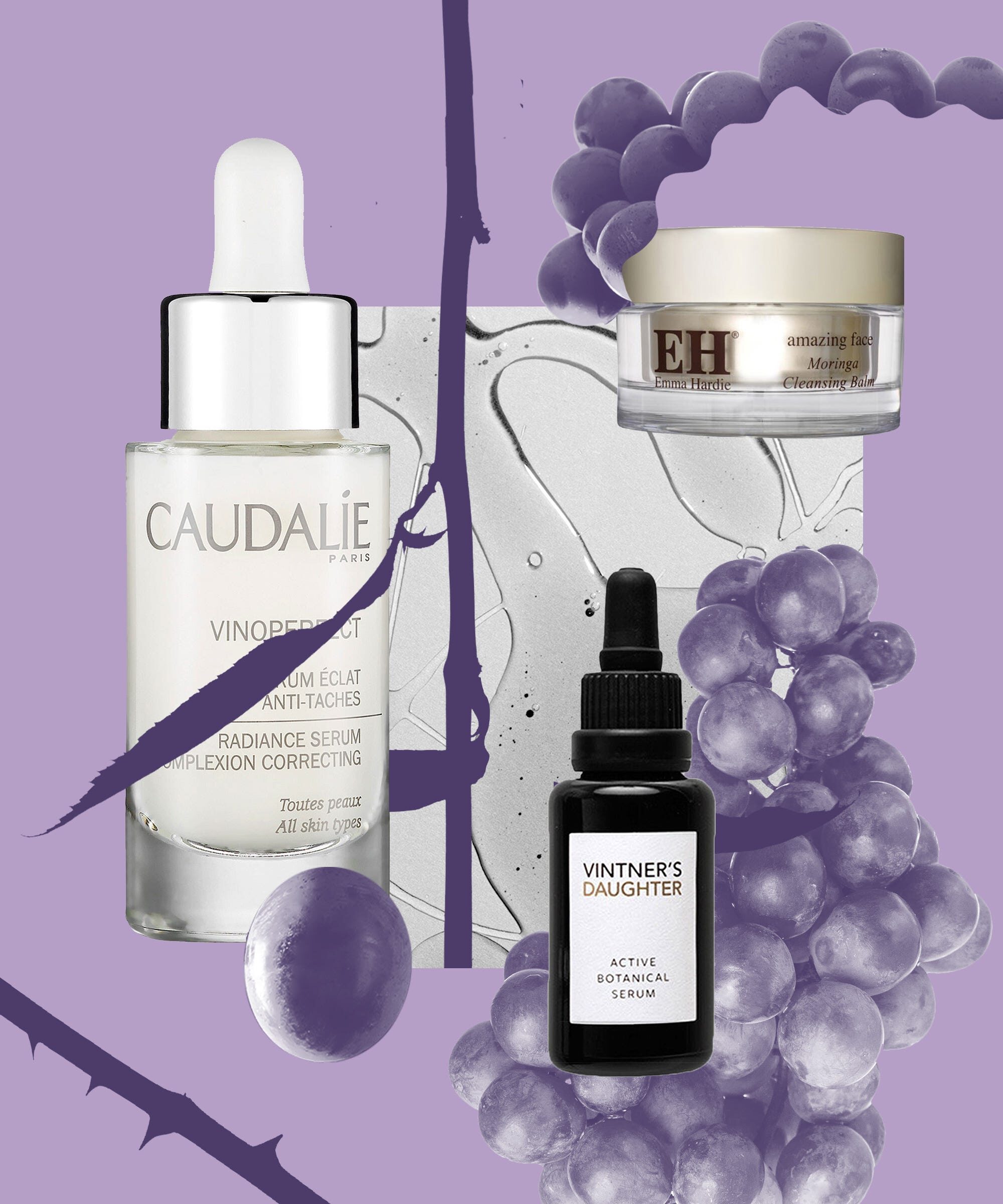
Vinoperfect Radiance Serum ($110 CAD for 30ml)
The award-winning dark spot treatment featuring viniferine. This lightweight serum absorbs within seconds, leaving no residue or tackiness. Use it after cleansing, before moisturizer. The formula combines viniferine with olive squalane and niacinamide for multi-pronged brightening approach.
User results are impressive. Reviews consistently show visible fading of sun spots, acne marks, and melasma within 4-8 weeks. The effect is gradual—don’t expect overnight miracles. But with patient, consistent use, most people report 30-50% reduction in dark spot visibility. Skin tone becomes more even. Overall radiance improves. The serum works particularly well on post-inflammatory hyperpigmentation from acne.
At $110 for 30ml, this is expensive serum territory. Compare to The Ordinary’s Alpha Arbutin ($12 CAD) or Paula’s Choice 25% Vitamin C Spot Treatment ($56 CAD). Those alternatives cost significantly less. However, viniferine’s unique mechanism and gentle action create different user experience. Caudalie users report less irritation than with vitamin C or arbutin. Results take longer but occur without the redness or peeling that acids sometimes cause.
Value assessment: If you have moderate to severe hyperpigmentation and sensitive skin that reacts badly to acids or vitamin C, the Vinoperfect Serum’s premium price makes sense. If you’re dealing with mild dark spots and tolerate actives well, cheaper alternatives likely suffice. The serum lasts approximately 3 months with daily use, calculating to roughly $37 CAD monthly—reasonable for premium treatment serums.
Resveratrol-Lift Instant Firming Serum ($96 CAD for 30ml)
The “natural retinol alternative” featuring patented resveratrol, hyaluronic acid, and vegan collagen peptides. This lightweight serum claims to firm skin, reduce wrinkles, and improve elasticity without retinol’s irritation. The texture is silky-light, absorbing quickly without pilling under moisturizer.
Results require managing expectations. This serum provides visible hydration and plumping immediately. Fine lines look softer. Skin feels smoother. With 4-6 weeks of use, users report subtle improvements in skin firmness and texture. The effects are real but modest—think maintenance and prevention rather than dramatic transformation.
Comparing to actual retinol is complicated. Prescription tretinoin or strong over-the-counter retinol delivers more dramatic anti-aging results. But they also cause irritation, peeling, and sun sensitivity. The Caudalie serum provides gentler benefits without side effects. For people who can’t tolerate retinoids due to sensitivity or pregnancy, this serves as legitimate alternative. For those seeking maximum anti-aging impact, clinical retinoids win.
At $96 for 30ml, the pricing aligns with other prestige anti-aging serums. Drunk Elephant’s A-Passioni Retinol ($76 CAD) costs less and provides more dramatic results for those who tolerate retinol. Caudalie’s advantage is gentleness and elegance. Choose based on your skin’s tolerance and anti-aging priorities.
- Vinoperfect Serum – Expensive but unique ingredient with clinical backing ($110)
- Vinohydra Sorbet Cream – Affordable luxury moisturizer with solid performance ($42)
- Vinopure Blemish Serum – Effective salicylic acid treatment at fair price ($70)
- Gentle Buffing Cream – Quality exfoliator that lasts 4-6 months ($42)
Vinohydra Moisturizing Sorbet ($42 CAD for 40ml)
The accessible entry point to Caudalie. This gel-cream moisturizer combines organic grape water, hyaluronic acid, and prebiotic sugars. It hydrates without heaviness. The sorbet texture feels cooling and refreshing. It absorbs within 60 seconds. Works beautifully under makeup or as standalone moisturizer.
For $42, this represents genuine value in prestige skincare. The formula performs comparably to Clinique Moisture Surge ($47 CAD) or Drunk Elephant Protini ($83 CAD). It’s not revolutionary—standard quality hydrating moisturizer with pleasant texture. But it’s priced fairly for what it delivers. The 40ml size lasts 6-8 weeks with daily use.
This product suits normal to combination skin seeking lightweight hydration. It won’t satisfy extremely dry skin needing rich occlusives. It provides insufficient richness for mature skin with significant moisture barrier damage. But for its target audience—people who hate heavy creams—it performs excellently. If you want to try Caudalie without major investment, start here.
Vinopure Blemish Control Serum ($70 CAD for 30ml)
Caudalie’s acne treatment features natural salicylic acid, niacinamide, and organic essential oils. It targets active breakouts while preventing new ones. The concentration isn’t disclosed but based on performance, likely contains 1-2% salicylic acid. This is standard strength for over-the-counter acne treatments.
The serum works reliably for mild to moderate acne. Users report faster healing of existing blemishes and reduced frequency of new breakouts. The niacinamide component helps with post-acne marks. The essential oils provide anti-inflammatory benefits—though they also add fragrance that sensitive skin may not tolerate.
At $70, this costs more than drugstore salicylic acid treatments. Paula’s Choice 2% BHA Liquid ($38 CAD) delivers higher acid concentration at half the price. CeraVe SA Cleanser ($15 CAD) provides effective salicylic acid for fraction of cost. Caudalie’s advantage is elegant formulation and additional beneficial ingredients. If budget is primary concern, cheaper alternatives work fine. If you want elevated acne treatment experience with added botanicals, Caudalie justifies the premium modestly.
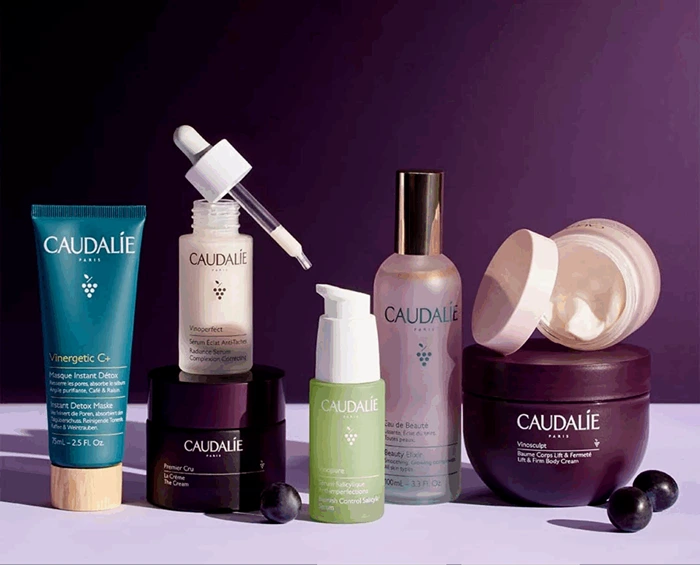
Caudalie Compared: Worth It Against Competitors?
Caudalie vs. The Ordinary
This comparison feels almost unfair given their opposite philosophies. The Ordinary strips skincare to pure actives at rock-bottom prices. Caudalie wraps effective ingredients in luxurious formulations at premium pricing. An entire The Ordinary routine costs $40-60 CAD. A comparable Caudalie routine runs $250-350 CAD.
Ingredient concentration analysis often favors The Ordinary. Their 10% Niacinamide Serum ($7.50 CAD) contains more niacinamide than most Caudalie products. Their Alpha Arbutin ($12 CAD) provides proven brightening at fraction of Vinoperfect’s cost. But The Ordinary’s formulations are notoriously temperamental—pills under moisturizer, feels tacky, sometimes irritates sensitive skin.
Choose The Ordinary if: Budget is absolute priority, you don’t mind basic textures, you’re comfortable with clinical aesthetic. Choose Caudalie if: You value elegant formulations, want natural-leaning ingredients, prefer spa-like experiences, can afford the premium.
Smart strategy: Use The Ordinary for high-strength actives (retinol, vitamin C, acids) and Caudalie for cleansers, moisturizers, and treatments where experience matters more than concentration. This hybrid approach maximizes value while maintaining skincare pleasure.
Caudalie vs. Drunk Elephant
Both brands position as clean beauty with effective formulations. Drunk Elephant skews younger and more Instagram-friendly. Caudalie feels more traditionally French-elegant. Price-wise, they’re comparable. Drunk Elephant serums run $70-95 CAD. Caudalie’s range $70-110 CAD.
Performance comparison shows rough parity. Drunk Elephant’s C-Firma Vitamin C ($92 CAD) competes with Caudalie’s Vinoperfect ($110 CAD) for brightening. Both deliver results—Drunk Elephant faster but with more irritation potential, Caudalie slower but gentler. Their moisturizers ($54-83 CAD) match Caudalie’s hydrators ($42-79 CAD) in efficacy.
The main distinction is ingredient philosophy. Drunk Elephant avoids “suspicious 6″—essential oils, drying alcohols, silicones, chemical sunscreens, SLS, fragrances. Caudalie embraces essential oils and natural fragrances prominently. If you’re fragrance-sensitive or prefer truly fragrance-free, choose Drunk Elephant. If you love aromatherapy in skincare, Caudalie’s scents are exceptional.
Caudalie vs. Paula’s Choice
Paula’s Choice built its reputation on evidence-based formulations at reasonable prices. They share Caudalie’s commitment to effectiveness but reject botanical marketing unless ingredients have clinical backing. Price comparison favors Paula’s Choice modestly. Their bestsellers run $30-56 CAD versus Caudalie’s $42-110 CAD.
Efficacy analysis often favors Paula’s Choice for specific concerns. Their 2% BHA Liquid ($38 CAD) contains verified salicylic acid concentration. Their 25% Vitamin C Spot Treatment ($56 CAD) uses pure ascorbic acid at proven strength. Caudalie rarely discloses exact active percentages, making direct comparison difficult.
However, Caudalie’s formulations feel significantly more luxurious. Paula’s Choice products are functional, sometimes elegant, never indulgent. Caudalie elevates skincare to sensorial ritual. If you approach skincare as clinical routine, Paula’s Choice delivers better value. If you want skincare that feels like self-care, Caudalie’s premium justifies itself.
“Caudalie proved that natural ingredients could perform as well as synthetic ones when properly researched and formulated. They legitimized botanical skincare before ‘clean beauty’ became marketing terminology.” — Caroline Hirons, Skincare Expert and Author
Shopping Strategy and Investment Recommendations
Best Times to Purchase
Caudalie rarely discounts through their direct website. The brand maintains prestige positioning through price stability. However, authorized retailers offer regular promotions. Sephora’s Beauty Insider sales (April, August, November) provide 15-20% off depending on status tier. Cyber Week typically brings 20-30% discounts at multiple retailers.
Mother’s Day and holiday gift sets provide exceptional value. Caudalie bundles typically include 4-5 deluxe or full-size products for price of 2-3 regular items. These sets let you test multiple products economically before committing to full-size purchases. Look for them October-December and late April-May.
Space NK loyalty program in UK offers points converting to discount vouchers. If you’re committed to prestige beauty, buying Caudalie through loyalty programs effectively reduces costs by 10-15% over time. Sephora’s points system works similarly but offers less direct value.
Sample programs through Sephora, Space NK, and Beauty Bay occasionally feature Caudalie. Request samples before purchasing full sizes, especially for expensive serums. Most Caudalie products show results within 2-3 weeks, so deluxe samples (5-10ml) provide adequate testing period.
Products Worth Full Price
The Vinoperfect Radiance Serum justifies full-price investment if you have moderate hyperpigmentation and sensitive skin. The unique viniferine ingredient isn’t available elsewhere. User reviews consistently show positive results. At $110 for 3 months of daily use, the cost-per-day ($1.22 CAD) sits reasonably for specialty treatment products.
Vinohydra Sorbet Cream at $42 represents fair luxury pricing. The formula performs well. The texture is exceptional. It lasts 6-8 weeks with daily use (approximately $6-7 CAD weekly). This pricing falls between drugstore ($2-3 weekly) and ultra-luxury ($15-25 weekly)—appropriate for prestige-accessible category.
Products to Buy on Sale Only
The Beauty Elixir at $49 full-price feels excessive for fancy face mist. Wait for 20-30% discount, bringing cost to $34-39 CAD. At that price point, the superior experience over drugstore mists becomes justifiable luxury rather than questionable extravagance.
Body products like shower gels ($29 CAD) and body lotions ($35 CAD) should always be purchased on sale or in sets. These formulations are pleasant but not significantly superior to mid-market alternatives. Paying full price seems wasteful when face products deserve budget priority.
Cleansers can wait for promotions. Caudalie’s cleansers ($26-32 CAD) perform well but face stiff competition from CeraVe, La Roche-Posay, and Cetaphil at half the cost. Unless you’re devoted to Caudalie’s specific textures and scents, save money here and invest in treatment products.
Discover current promotions and gift sets at Caudalie to maximize value while building your French pharmacy skincare routine.
The Verdict: Who Should Invest in Caudalie?
Caudalie Works Best For:
Clean beauty enthusiasts who won’t sacrifice efficacy for natural ingredients. Caudalie pioneered evidence-based botanical skincare. Their formulations deliver clinical results through natural-leaning ingredients. This makes them perfect for consumers seeking middle ground between strictly natural brands (often ineffective) and clinical powerhouses (often harsh).
People with sensitive skin seeking gentle anti-aging solutions. Resveratrol and viniferine provide real benefits without retinol’s irritation. If your skin reacts badly to acids, retinoids, or high-strength vitamin C, Caudalie offers effective alternatives that won’t inflame.
Those who value sensory experience alongside results. Caudalie’s herbal-fresh scents, elegant textures, and luxurious packaging create genuine pleasure. If you view skincare as wellness ritual rather than clinical routine, Caudalie’s elevated aesthetics justify premium pricing.
Hyperpigmentation sufferers with failed vitamin C attempts. Viniferine works through different mechanism than traditional brighteners. Many users who saw no results from vitamin C serums report success with Vinoperfect. The unique ingredient makes it worth trying when other approaches failed.
Caudalie Probably Isn’t For You If:
Budget is primary concern. Every Caudalie product has effective cheaper alternatives. The Ordinary, CeraVe, and Paula’s Choice deliver comparable or superior results at 30-50% lower costs. Caudalie’s value comes from experience, not pure price-performance ratio.
You’re fragrance-sensitive or prefer fragrance-free formulations. Caudalie’s signature essential oil blends smell beautiful but permeate nearly every product. The brand offers few truly fragrance-free options. If fragrance triggers irritation or migraines, Caudalie’s core appeal disappears.
You seek maximum anti-aging impact. If reversing significant aging signs is priority, prescription retinoids or professional treatments deliver more dramatic results than Caudalie’s gentle botanical approach. The brand maintains skin health beautifully but won’t replace dermatologist-level interventions.
You expect overnight transformations. Caudalie delivers results through consistent use over 4-12 weeks. Effects are gradual and cumulative. If you lack patience for slow-building results, clinical-strength alternatives work faster—albeit more harshly.
Caudalie occupies a specific niche in skincare landscape: French-elegant natural beauty with genuine clinical backing. The products work reliably without drama. They feel luxurious without excessive pretension. They cost more than drugstore but less than ultra-luxury. This positioning serves specific consumer needs exceptionally well while leaving others better served by alternatives.
The brand’s 30-year longevity proves sustainable business model. Caudalie won’t convince pure efficacy seekers that botanical ingredients outperform clinical actives in blind testing. But they satisfy millions of consumers who believe skincare should nourish body and soul simultaneously. That’s not delusional marketing—it’s simply different value proposition, equally legitimate as concentration-focused decisions.
For those aligned with Caudalie’s philosophy—effective natural ingredients, elegant formulations, holistic wellness approach—the brand delivers consistent satisfaction. For budget-conscious shoppers or clinical-results purists, better value exists elsewhere. Know yourself, understand the brand’s strengths and limitations, then choose accordingly.
For those who’ve tried Caudalie’s grape-powered formulations, do the unique patented ingredients (viniferine, resveratrol) justify premium pricing over standard actives, or would you rather invest in higher concentrations of proven ingredients from clinical brands?