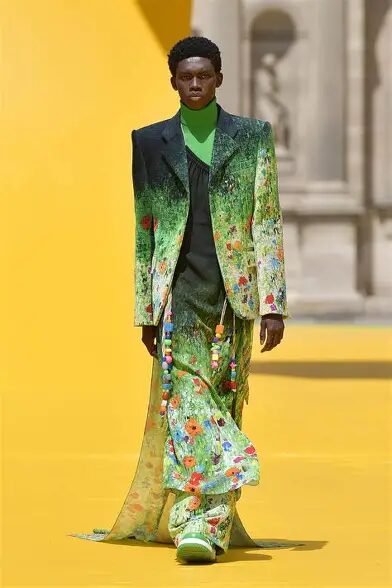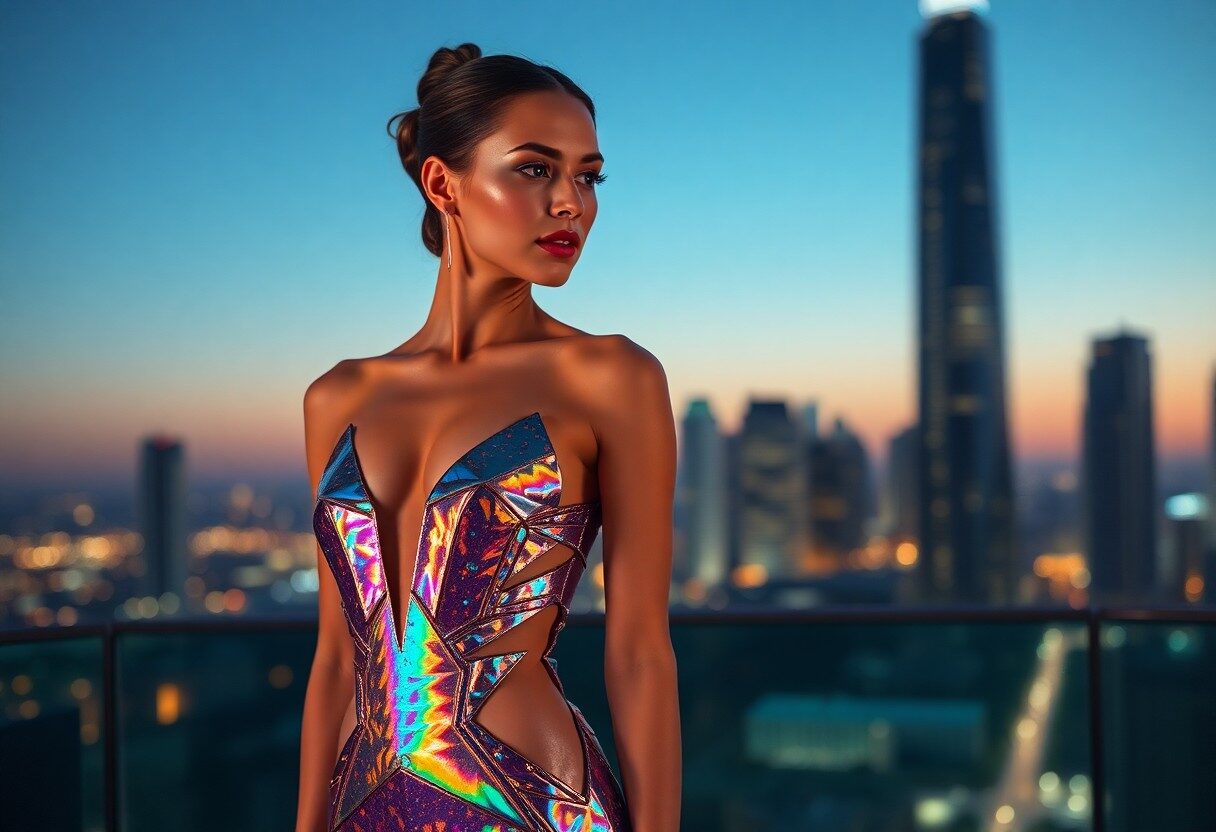
Metallic fashion search volume reached its highest point in March 2025, hitting 89 on Google Trends’ scale. Pinterest reports a 412 percent increase in saves for “silver outfit daytime” between January 2025 and January 2026. The silver jewelry market is projected to grow from $40.91 billion in 2024 to $53.77 billion by 2030. These numbers document a fundamental rule break. Metallic clothing, long relegated to evening events and nightclub wear, now appears at morning coffee runs, office meetings, and weekend errands. Balenciaga showed silver tailoring for spring 2026. Prada sent models down runways in gold brocade blazers. Chanel’s latest collection featured iridescent fabrics styled for broad daylight. Fashion abandoned the unwritten law that shine belongs after dark—and consumers followed immediately.
The Death of “Too Much for Daytime”
Fashion operated on temporal rules that dictated appropriateness by time of day. Sequins after six. Metallics for evening. Shine for special occasions only. These guidelines maintained clear boundaries between daytime restraint and nighttime glamour. The pandemic erased those boundaries by eliminating the very concept of occasion-based dressing. When people stopped going anywhere, the rules governing where you could wear what became meaningless. Fashion didn’t gradually shift—it completely abandoned temporal restrictions.
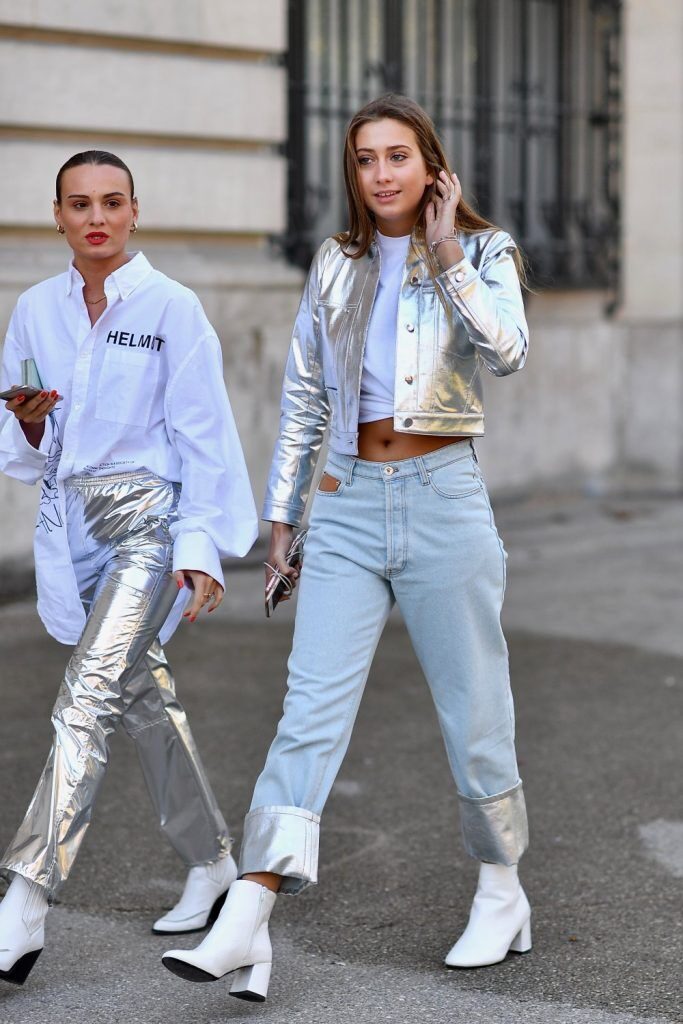
The return to public life didn’t restore old rules. Instead, people brought their pandemic-era freedom into daily wardrobes. Metallic sneakers appeared with office attire. Silver knits replaced basic sweaters for lunch meetings. Gold accessories elevated grocery store runs. What started as rule-breaking became the new normal because consumers discovered that “too much” was actually just enough to feel interesting. Pair metallic flats with your most basic jeans and white tee—the shine elevates the simplicity without requiring full outfit transformation.
Economic factors accelerated this acceptance. Silver’s accessibility—averaging $28.27 per ounce in 2024—makes metallic fashion democratic rather than elite. When shine costs less than traditional luxury materials, it stops being reserved for special occasions and becomes everyday possibility. Younger consumers particularly embrace this shift. They never internalized the old temporal rules, so metallic daywear feels natural rather than transgressive. Start with silver accessories if you’re hesitant—a metallic belt or shoes adds shine without full commitment.
Why Designers Chose Shine Over Subtlety
Spring 2026 runways featured metallic fabrications across nearly every major house. This wasn’t coincidence—it was calculated response to market stagnation. After years of quiet luxury and minimal aesthetics, consumers grew bored. Sales data showed declining interest in monochromatic neutrals and whisper-quiet elegance. Brands needed visual reset that would photograph well digitally while feeling distinctly different from previous seasons.
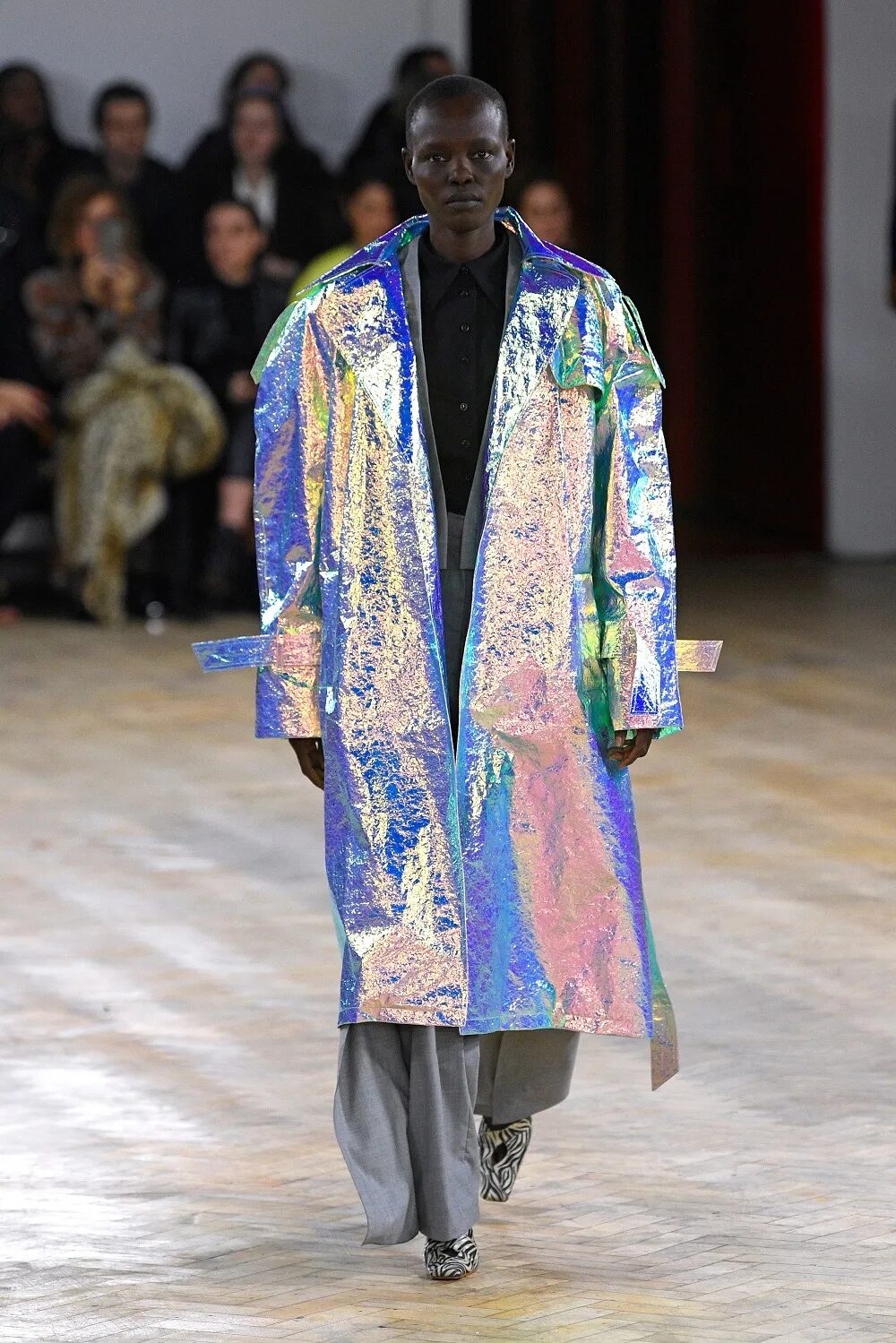
Metallics solved multiple problems simultaneously. They create immediate visual impact for social media content. They distinguish new collections from recent seasons dominated by beige and cream. They work across price points from fast fashion to luxury. And crucially, they tap into Y2K nostalgia that resonates with Gen Z consumers who drive trend adoption. Iris van Herpen incorporated holographic elements into couture. Fendi featured metallic leather throughout their collection. Son Jung Wan built an entire show around iridescent fabrics in teal, fuchsia, gold, and lilac.
“In 2026, Gen Z and Millennials are going intergalactic” — Pinterest Predicts trend forecast
The technical capabilities of modern metallic fabrics matter as much as aesthetic appeal. Previous metallic textiles were stiff, uncomfortable, and difficult to maintain. Contemporary versions use advanced coating technologies that maintain fabric drape and breathability. You can now find metallic jersey that moves like regular knits, metallic leather that feels supple rather than rigid, and metallic woven fabrics that don’t crack or peel. These improvements made metallics practical for daytime wear rather than just visually interesting. Look for lightweight metallic fabrics in activewear or casual pieces—they offer the aesthetic without evening wear weight.
The Matte Metallic Solution
Not all metallics shine equally. High-gloss finishes that work for evening can overwhelm daytime contexts. The solution involves matte and satin metallic finishes that provide sheen without full mirror-like reflection. Bronze, pewter, and soft gold in matte finishes offer metallic presence with refined restraint. These work particularly well for professional environments where shine needs tempering.
Texture affects how metallic fabrics read visually. Smooth metallic surfaces reflect light uniformly, creating strong shine. Textured metallics—brocades, jacquards, or woven patterns—break up reflection into varied surface play that feels more subtle. A metallic brocade blazer works for office wear where a smooth metallic jacket might not. The brocade texture provides visual interest without overwhelming shine. This distinction matters when building metallic pieces into conservative wardrobes.
- Most subtle: Matte metallics in bronze or pewter tones
- Medium impact: Satin-finish silver or gold
- Bold but wearable: Textured metallics like brocade or jacquard
- Evening-leaning: High-gloss mirror finishes
Color temperature influences metallic wearability. Silver metallics have cool undertones that work with blues, grays, and other cool colors. Gold metallics carry warm undertones that pair with browns, creams, and earth tones. Rose gold bridges both, making it the most versatile metallic for mixing with existing wardrobes. Match your metallic accessories to your jewelry metals—if you wear silver jewelry, choose silver-toned metallic clothing and accessories for cohesive effect. This creates intentional coordination that feels polished rather than accidental.
Styling Metallics Without Looking Costume
The primary styling principle involves treating metallics as neutrals rather than statement pieces. This mental shift changes how you build outfits. Instead of considering a silver skirt “special,” treat it like denim—a foundation piece that works with multiple tops and shoes. This approach integrates metallics into regular rotation rather than saving them for undefined “special occasions” that rarely arrive.
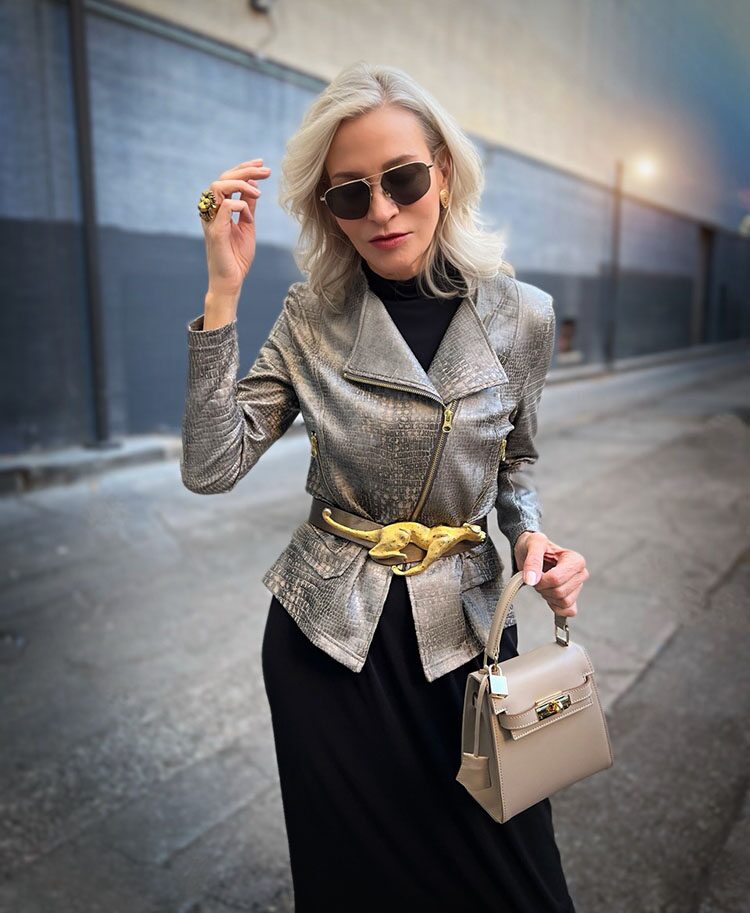
Anchoring metallic pieces with true neutrals creates balance. A gold knit top works beautifully with beige linen trousers and simple sandals. Silver midi skirt pairs with oversized white shirt and minimal jewelry. The neutral elements ground the shine, preventing costume effect. Keep the rest of your outfit simple when wearing metallic clothing—let the shine provide visual interest without competing elements. For immediate application: replace one neutral item in your current outfit with a metallic equivalent and note how it changes the overall effect.
Proportion matters more with metallics than with standard fabrics. Small doses work universally—metallic shoes, belts, or small bags add shine without overwhelming. Medium doses require more consideration—a metallic top or skirt becomes the outfit’s focal point. Full metallic outfits need expert execution to avoid looking like you’re heading to a themed party. Start with metallic accessories, graduate to one metallic clothing piece, then consider larger applications as confidence builds.
Mixing metallic tones used to be forbidden. Current styling embraces silver and gold together, treating them as complementary rather than competing. The key involves varying the finishes or scales—matte gold jewelry with shiny silver shoes works because the finish difference creates intentional contrast. Rose gold particularly bridges warm and cool metallics, making mixed-metal styling more cohesive. Try combining different metallic tones in your accessories first before mixing metallic clothing pieces—it’s lower risk with immediate visual feedback.
The Technical Innovation Behind Wearable Shine
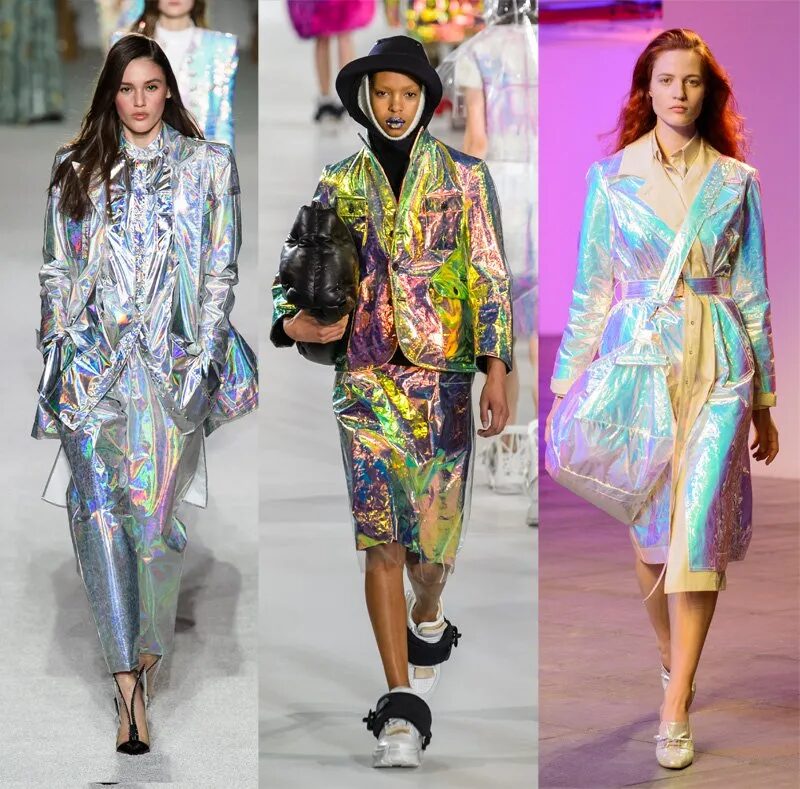
Modern metallic fabrics bear little resemblance to their predecessors. Traditional metallic textiles used actual metal threads or heavy coatings that made garments stiff and uncomfortable. Contemporary versions employ advanced coating technologies—vacuum metallic deposition, holographic elements, and microprism treatments—that create metallic effects without weight or rigidity. These innovations transformed metallics from special-occasion novelty to practical everyday option.
Lightweight metallic fabrics now exist across categories. Metallic activewear uses breathable coated knits that maintain stretch and moisture-wicking properties while providing shine. Metallic outerwear incorporates reflective technology developed for safety gear, creating functional fashion that increases visibility while looking contemporary. These technical advances mean metallic clothing can perform the same functions as regular fabrics while adding visual dimension.
Sustainability concerns affect metallic fabric development. Traditional metallic coatings often involved problematic chemicals and weren’t recyclable. Newer technologies focus on water-based metallic finishes and more environmentally responsible production methods. Some brands now offer metallic fabrics made from recycled materials with eco-friendly coatings. This matters for consumers who want shine without environmental guilt. Research the production methods when investing in metallic pieces—sustainable options increasingly exist at comparable price points to conventional alternatives.
Where Metallic Fashion Goes Next
The metallic trend shows no signs of fading through 2026. Market projections indicate continued growth, with the silver jewelry sector alone expecting nearly 5 percent annual expansion. But the trend will likely evolve from pure shine toward more nuanced applications. Designers are already exploring reflective technologies, holographic effects, and color-shifting metallics that move beyond simple gold and silver.
Integration rather than statement seems likely. Future metallic fashion will probably feature shine as detail rather than dominant element—metallic piping, reflective panels, or iridescent accents rather than fully metallic garments. This evolution makes metallics more accessible and less intimidating for conservative dressers while maintaining visual interest. The shine becomes sophisticated detail rather than bold statement.
Digital fashion presents interesting metallic possibilities. The Fabricant’s “Iridescence” dress—a digital-only garment—demonstrates how metallic and holographic effects work even more dramatically in virtual spaces than physical ones. As virtual fashion gains traction, expect metallic effects that would be impossible to create physically. This might influence physical fashion by pushing designers to experiment with increasingly ambitious metallic applications that were previously considered too extreme. The boundary between digital and physical fashion continues blurring, with each realm influencing the other’s aesthetic development.
Making Metallics Work for Real Life
Theory means nothing without practical application. The easiest entry point involves metallic accessories that add shine to existing outfits without requiring new clothing purchases. Metallic ballet flats, a slim gold or silver belt, or a shimmery crossbody bag instantly updates basic looks. These pieces work across seasons and occasions, making them worthwhile investments.
Build gradually from accessories to clothing pieces. Once metallic accessories feel comfortable, try one metallic clothing item—usually a top or skirt that pairs with existing neutrals. A silver knit cardigan works over dresses, with jeans, or layered with tailored pieces. A gold pleated skirt pairs with black, white, navy, or cream tops. Choose versatile metallic pieces that integrate into current wardrobe rather than requiring entirely new supporting pieces.
Occasion planning helps determine which metallic pieces deserve closet space. Daytime family events call for subtle metallics—gold knit tops with beige trousers, silver midi skirts with oversized shirts. Office environments need tempered shine—matte metallic accessories, textured metallic blazers, or metallic details rather than full pieces. Festive shopping or errands allow bolder choices—metallic sneakers with denim, shiny jackets over basic tees. Match the metallic intensity to the context for looks that feel appropriate rather than costume-like.
How do you style metallic pieces for daytime? Share your favorite combination that makes shine work before dark.