Amazon sales of sheer tops jumped 156 percent between June and November 2025, reaching 4,390 units in November alone. Google search interest for “sheer dresses” peaked at 82 in March 2025, while “sheer tops” hit 72 in November. Simone Rocha sent models down London runways in gowns with transparent overlays. Prada featured sheer skirts revealing undergarments beneath. Valentino showed floor-length lace dresses under strobe lights that emphasized every transparent detail. This isn’t the “naked dress” provocation of previous seasons—it’s subtler and ultimately more wearable. Designers shifted from using sheerness for shock value to treating transparency as texture, layering tool, and sophisticated styling element. The trend democratized because it stopped requiring boldness and started rewarding technique.
Why Transparency Stopped Being Transgressive
Sheer fabrications appeared in fashion for decades, but always coded as evening wear or deliberately provocative choices. The shift to daytime acceptability happened gradually through multiple factors. First, improved textile technology created sheer fabrics with better structure and longevity. Modern organza, tulle, and mesh maintain shape without feeling cheap or flimsy. Second, designers reframed transparency from exposure to layering opportunity. When Alaïa and Emporio Armani showed translucent layers creating dimensional silhouettes, they demonstrated that sheerness could add sophistication rather than just skin.
Social media accelerated acceptance by normalizing what was once considered daring. When celebrities like Sydney Sweeney and Heidi Klum wore sheer pieces to high-profile events throughout 2025, the styling became aspirational rather than shocking. Younger consumers particularly embraced the aesthetic—Gen Z’s preference for bold, authentic styles drove sustained demand that market analysts expect will stabilize at 70-80 search volume through 2026. This generation never internalized the rules that classified sheerness as inappropriate for daytime, so they simply ignored them.
The economic accessibility matters too. Sheer pieces extend existing wardrobes by adding layering possibilities without requiring complete outfit overhauls. A single sheer cardigan transforms multiple outfits already in your closet. This practical versatility makes the trend sustainable rather than fleeting—consumers invest in sheer pieces because they multiply styling options for items they already own. Start by adding one sheer layering piece to your current wardrobe and notice how many new outfit combinations it creates with existing basics.
The Layering Formulas That Make Sheerness Wearable
Successful sheer styling depends entirely on strategic layering. The goal isn’t hiding what’s underneath—it’s creating intentional reveals and dimension through multiple fabric layers. Start with higher-denier, thicker fabrics closest to your body, then add sheer fabrics on top. This creates visual interest while maintaining appropriate coverage. A slip dress under sheer organza overlay, or a structured camisole beneath a transparent blouse both follow this principle.
The three-to-four layer technique works beautifully with sheer pieces. Unlike heavy fabric layering that creates bulk, delicate sheer layers add dimension without weight or warmth. Try a solid base layer, a sheer top, a structured vest or blazer, and potentially a sheer outer cardigan. Each layer remains visible, creating sophisticated depth. This approach works particularly well for transitional seasons when you need versatility without heavy coats. Experiment this week: take your sheerest top and layer it between two opaque pieces. The transparency becomes texture rather than exposure.
- Neutral sheer top over contrasting vibrant camisole for color play
- Sheer fabrics mixed with leather or chunky knits for texture contrast
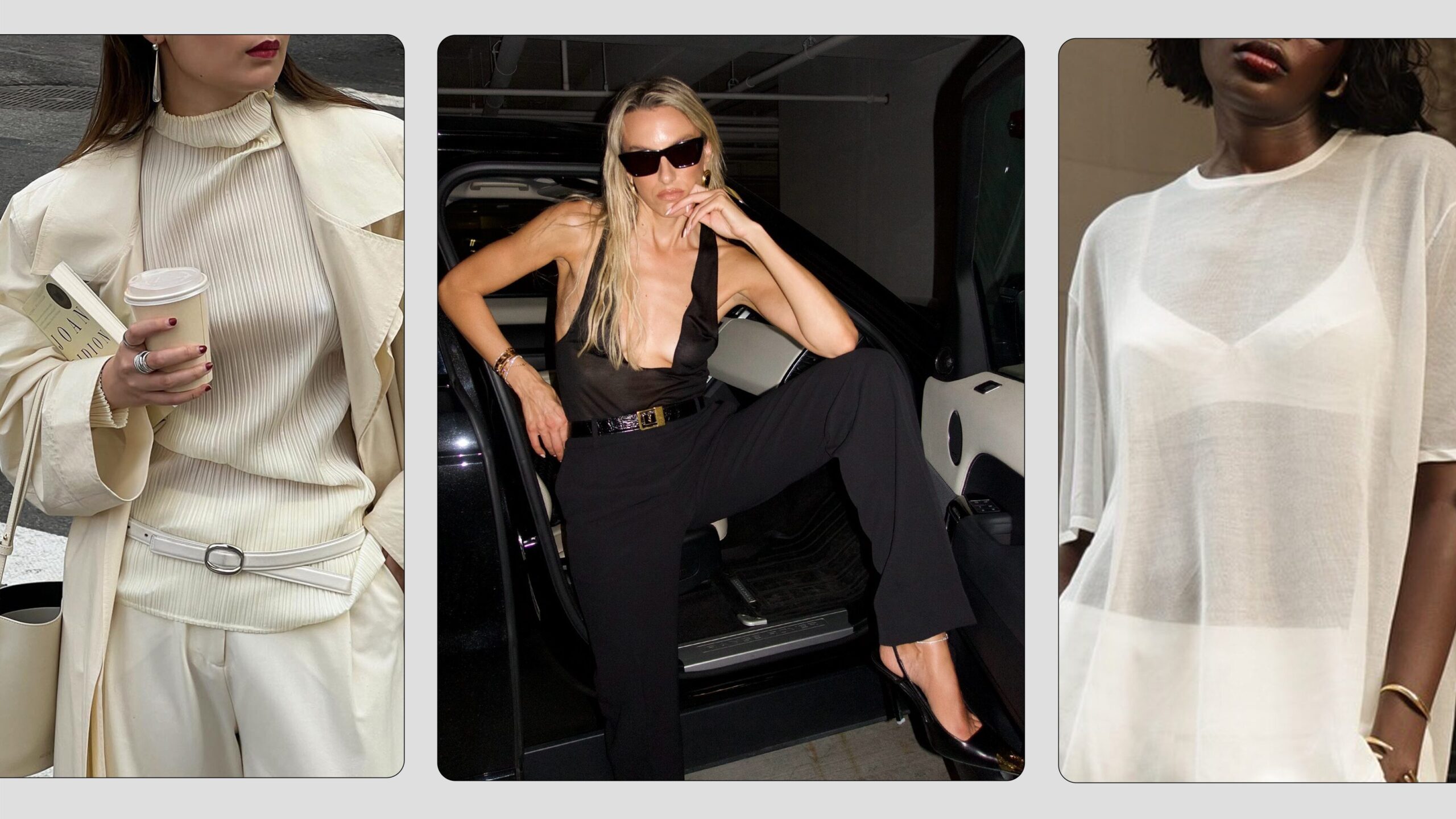
- Monochrome sheer ensembles in all-black or all-beige for sophistication
- Blazer dress over sheer mini to make evening pieces work for day
Color strategy affects how sheer pieces read visually. Matching your sheer layer to your base layer creates subtle transparency—black sheer over black camisole shows skin tone through the fabric without stark contrast. Contrasting colors make the layering more obvious and editorial—a black sheer top over white camisole creates graphic effect. Dark sheer fabrics feel easier for beginners because they reveal less dramatically than light sheers. Start with black or navy sheer pieces over matching dark base layers, then progress to tonal contrasts and eventually bold color combinations as confidence builds.
The Undergarment Strategy
Sheer clothing inevitably reveals what you wear beneath, making undergarment selection crucial. The solution isn’t avoiding sheers—it’s choosing undergarments that function as part of the outfit rather than trying to hide them. Elegant slips, streamlined high-rise briefs, or beautiful bralettes all work intentionally with sheer pieces. Consider undergarments as your base layer rather than something to conceal.
Matching undergarments to your sheer pieces creates seamless effect. Nude or skin-tone undergarments disappear beneath sheer fabrics, maintaining modesty while allowing the transparent texture to shine. This works particularly well for professional or conservative contexts where you want sheerness as subtle detail rather than statement. Alternatively, intentionally visible undergarments make stronger impact—a beautiful lace bralette under sheer blouse, or silk slip in contrasting color beneath sheer dress.
Bodysuits and camisoles provide coverage without visible lines. They eliminate the waistband bulk that ruins the clean silhouette of sheer dresses or tops. Look for seamless options specifically designed for wearing under transparent clothing. These pieces cost more than basic undergarments but transform how sheer pieces look by providing smooth, continuous coverage. When shopping for sheer clothing, simultaneously invest in appropriate base layers—the sheer piece only works if you have proper foundations to wear beneath it.
The Proportion Balance Principle
Sheer pieces work best when balanced with opaque, structured elements. If you wear a transparent top, pair it with substantial bottoms—tailored pants, denim, or structured midi skirts. If you choose a sheer skirt, anchor it with a solid knit sweater or button-down shirt. This creates visual and conceptual balance—the sheerness reads as intentional styling choice rather than incomplete outfit.<blockquote style=”border-left: 4px solid #ddd; padding-left: 20px; margin: 20px 0; font-style: italic; color: #555;”> “Sheer layering extends the reach of pieces you already own. Sheer long-line cardigans over simple tank tops and jeans… add sophistication and versatility without buying entirely new outfits”.[10] </blockquote>
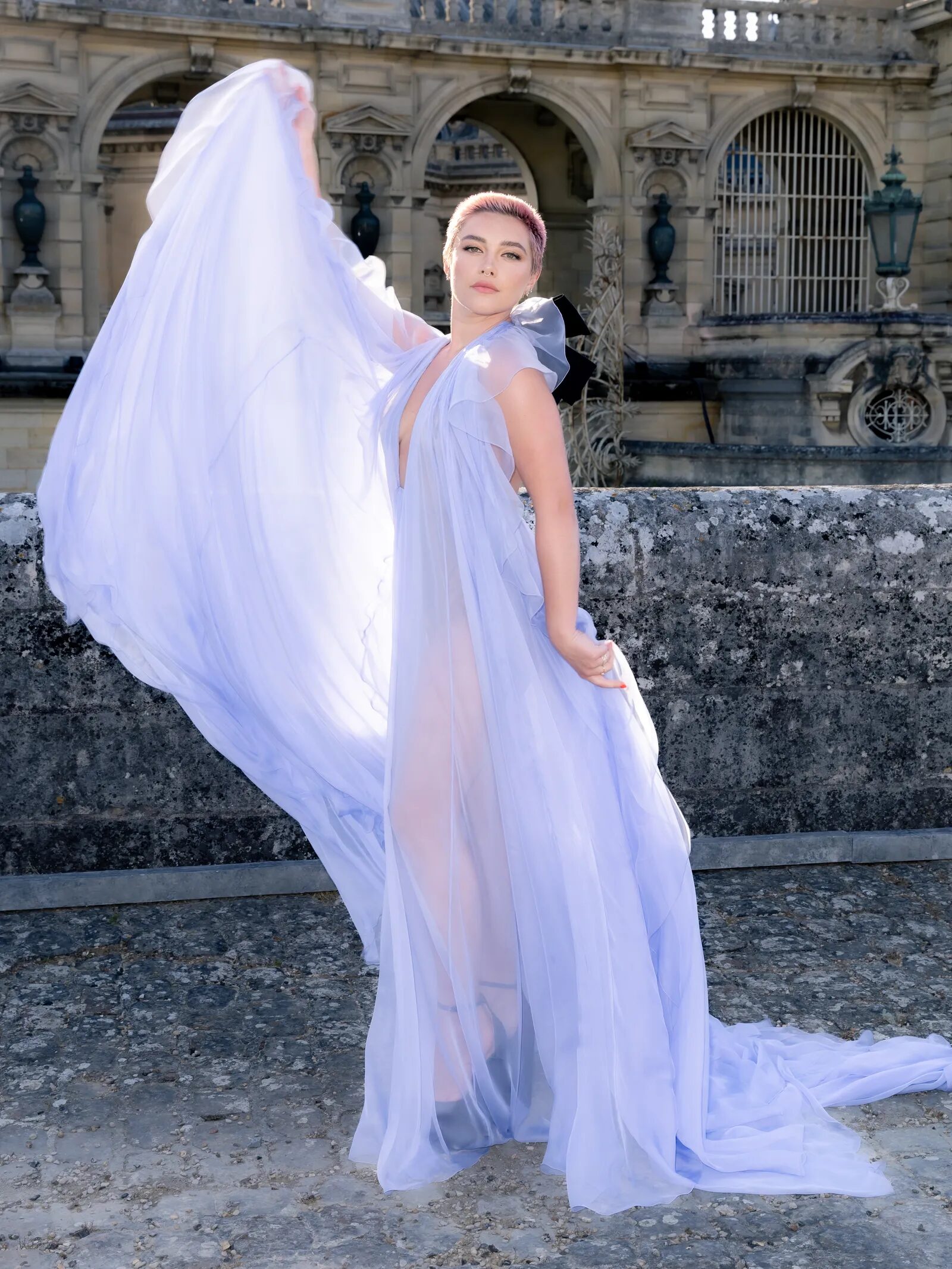
Voluminous sheer pieces often work better than fitted ones for everyday wear. Full-volume dresses with multiple sheer layers create overall transparency without revealing specific body details. The volume diffuses the sheerness across fabric movement rather than clinging to form. Pair these with statement footwear—over-the-knee boots or architectural heels—to ground the ethereal quality with something substantial. This styling technique makes dramatic sheer pieces surprisingly wearable for regular occasions.
Consider where sheerness appears on your body. Sheer sleeves on otherwise opaque dresses add delicacy without exposure. Sheer panels on sides or backs of tops provide interest without frontal transparency. Sheer overlays that extend beyond solid hems create beautiful movement without revealing skin. These strategic placement options let you participate in the trend with minimal risk. Start with partial sheerness before committing to fully transparent garments—you’ll learn what feels comfortable while still engaging with the aesthetic.

Making Sheerness Work for Different Contexts
Professional environments require the most careful sheer styling. Conservative offices call for barely-there transparency—a hint of sheer sleeves on otherwise solid blouses, or sheer overlay panels that add texture without revealing skin. Darker sheer fabrics work better than light ones because they show less dramatically. Always ensure complete coverage at your torso center, using sheerness only at periphery—sleeves, hem extensions, or back panels.
Casual settings allow bolder sheer experimentation. Sheer long-line cardigans over tank tops and jeans create effortless sophistication for weekend wear. Sheer tees layered over sports bras work for relaxed outings. Mesh tops over solid bodysuits add edge to casual looks without feeling costume-like. The key involves maintaining the ease of casual dressing while adding visual complexity through transparent layers. Try this immediately: throw a sheer cardigan over your most basic jeans-and-tee outfit and notice how it elevates the simplicity.
Evening and special occasions showcase sheerness most dramatically. This is where you can embrace fuller transparency—sheer dresses over beautiful slips, transparent gowns with strategic lining, or layered organza creating dimensional evening looks. The key differentiator between daytime and evening sheer styling involves how much skin tone shows through. Evening pieces can reveal more because the context expects boldness. Daytime sheers should primarily show the layers beneath rather than skin itself.
The Texture and Pattern Advantage
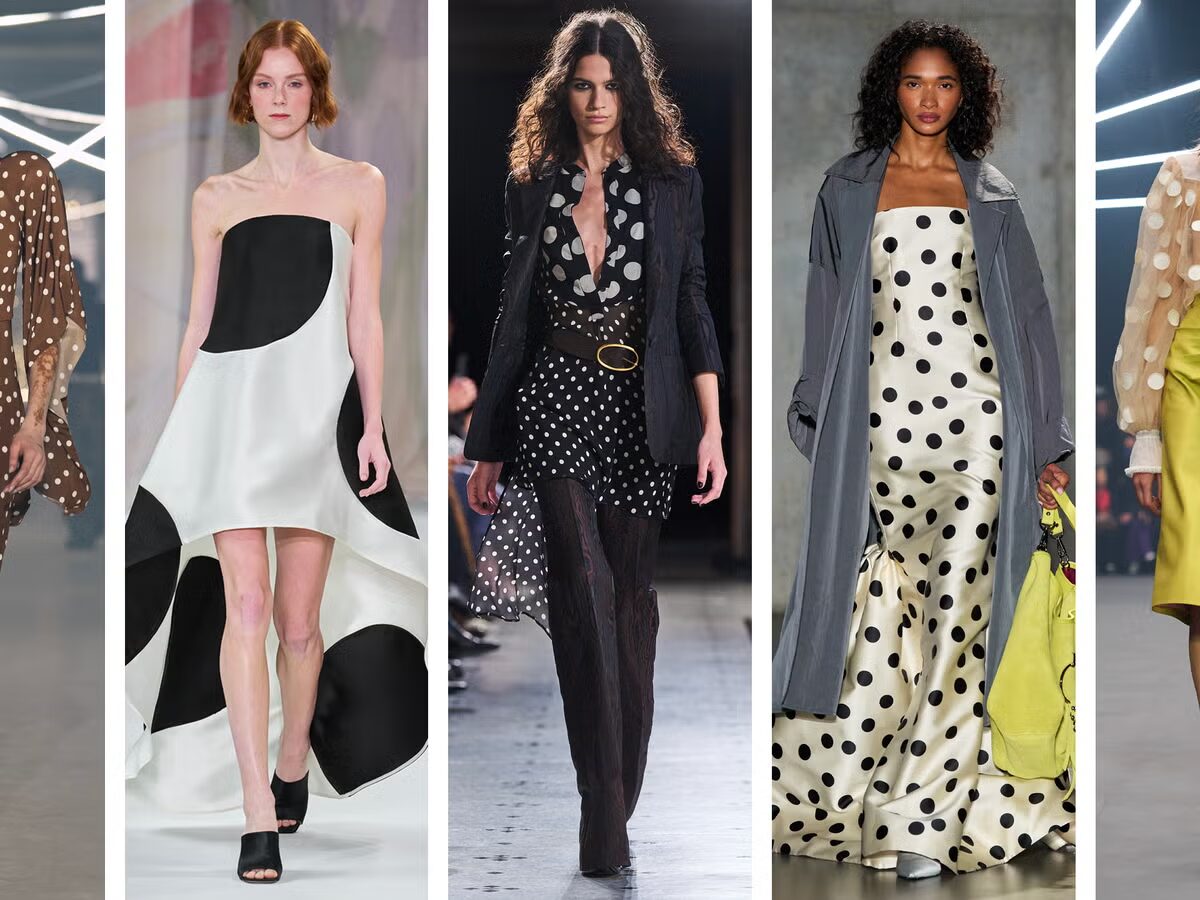
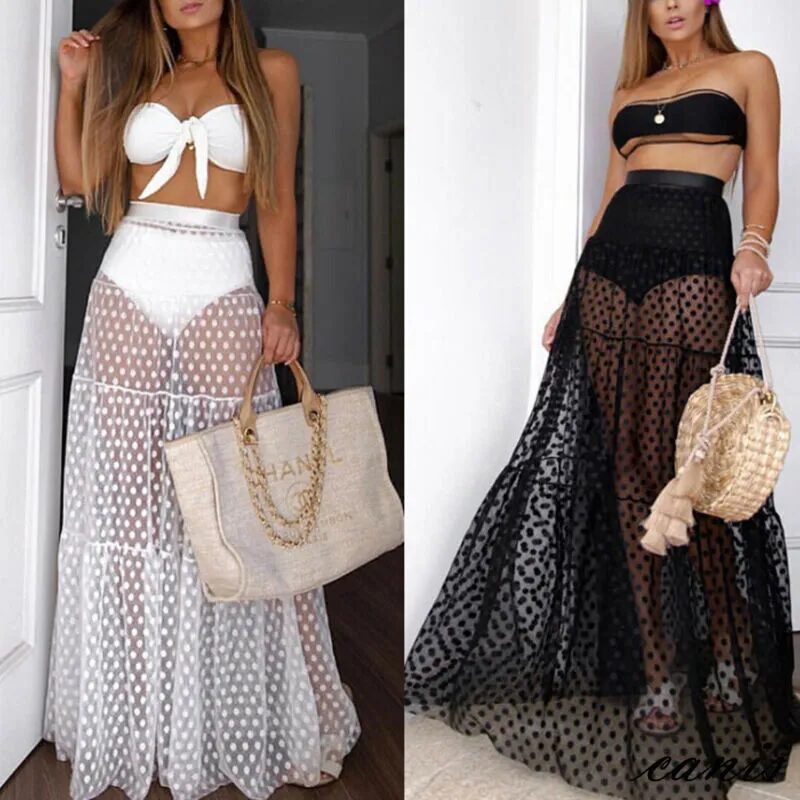
Certain sheer fabrics provide more coverage than expected through texture and pattern. Tulle with polka dots, lace with dense patterns, and embellished overlays all create transparency while obscuring specific details. These textured sheers work beautifully for people hesitant about pure transparency—you get the delicate aesthetic without feeling exposed. The embellishments and patterns add visual depth while functioning as practical coverage.
Lace represents the most accessible sheer option. Its intricate patterns create transparency that feels romantic rather than revealing. Lace tops, dresses, and overlays all participate in the sheer trend while maintaining coverage through pattern density. Black lace particularly offers sophistication—it’s been evening wear staple for decades, making it feel less risky than other sheer options. Start your sheer wardrobe with a lace piece if pure transparency intimidates you.
Mesh and crochet provide structure that solid sheer fabrics lack. The open-weave construction creates geometric transparency that feels less vulnerable than fluid organza or chiffon. Mesh tops over camisoles, crochet dresses over slips, or perforated knits all deliver transparent aesthetic with built-in modesty through their construction. These pieces often work without additional layering because their structure provides inherent coverage while maintaining the see-through effect that defines the trend.
Building a Sheer Wardrobe Strategically
Start with versatile sheer pieces that multiply existing outfit options. A sheer black cardigan works over dresses, with jeans, or layered with tailored pieces—making it worth the investment. A neutral sheer blouse pairs with countless skirts and pants. These foundation pieces deliver maximum styling flexibility because they complement rather than compete with existing wardrobe items. Prioritize neutrals—black, white, beige, navy—that integrate seamlessly with what you already own.
Consider your color palette when adding sheer pieces. If your wardrobe lives primarily in cool tones, choose sheer items in those families even when experimenting with transparency. A navy sheer overlay works better with your blue-based wardrobe than an orange one, regardless of how beautiful the piece is individually. This doesn’t mean perfect matching—it means creating relationships between pieces that allow natural coordination.
Seasonal timing affects both availability and pricing. Sheer tops peak in availability during late summer and November, while sheer dresses dominate retail during spring. Shop accordingly—buy sheer dresses in March through May for best selection, and sheer tops in August or November. Off-season shopping might yield sales but limited options. This seasonal pattern helps you plan purchases strategically rather than impulse-buying at full price when selection is poor.
Quality matters more with sheer fabrics than opaque ones. Cheap sheer materials look obviously inexpensive—they pill, snag, and lose shape quickly. Invest in better-quality sheer pieces because they’ll actually get worn repeatedly rather than sitting unworn because they look cheap. Good organza drapes beautifully, quality mesh maintains its structure, and well-made lace doesn’t catch or tear easily. These pieces cost more initially but deliver better cost-per-wear because they remain wearable season after season.
Where Transparency Trends Next
Market analysts predict sheer clothing will stabilize at 70-80 search volume through 2026, indicating sustained rather than explosive demand. This suggests the trend has moved from novelty to permanent place in fashion vocabulary. Future developments will likely focus on innovation—AI-driven virtual try-ons that help customers visualize sheer pieces on their bodies, and digital fashion experiments with impossible transparency effects.
Sustainability regulations may affect sheer fabric production. Stricter EU laws push brands toward transparent, data-backed practices that could influence textile manufacturing. Expect to see more eco-friendly sheer fabrics made from recycled materials or produced through less chemically intensive processes. This aligns with broader consumer demand for sustainability without sacrificing aesthetic appeal.
The integration of transparency into unexpected categories continues. Athletic wear now features mesh panels and sheer elements that were once purely functional for ventilation but increasingly serve aesthetic purposes. Sheer activewear over solid layers creates sporty-elegant hybrids that work for both gym and street. This cross-category adoption indicates transparency has transcended trend status to become fundamental styling tool across all fashion segments.
How do you style sheer pieces for everyday wear? Share your layering formula that makes transparency work without feeling too exposed.