FEATURE STORY
The cultural revolution transforming how we define beauty
In a bustling makeup studio in Seoul, a French beauty editor watches in fascination as a Korean makeup artist applies “glass skin” techniques perfected over centuries. Meanwhile, in Lagos, a Nigerian beauty influencer demonstrates the art of bold, vibrant eyeshadows that celebrate melanin-rich skin tones. Across the Atlantic in Mexico City, a makeup artist blends traditional Day of the Dead face painting with modern contouring techniques.
This is beauty’s new reality. Cultural boundaries are dissolving, creating a global beauty language that honors tradition while embracing innovation. We’re witnessing the most significant shift in beauty standards since the invention of mass media—one that’s not driven by technology, but by the powerful force of cultural exchange.
The revolution isn’t happening in boardrooms or laboratories. It’s unfolding in bedrooms, beauty salons, and social media feeds around the world, where authentic cultural beauty practices are finally getting the recognition they deserve.
The Ancient Art of Cultural Beauty
Before Western beauty standards dominated global media, every culture had developed sophisticated beauty rituals over millennia. These weren’t just cosmetic practices—they were expressions of identity, spirituality, and social status.
In ancient Egypt, both men and women lined their eyes with kohl, believing it protected against evil spirits and enhanced their connection to the divine. Japanese geishas perfected the art of “shironuri”—white face painting that required hours of meticulous application. Indian women adorned their eyes with kajal and decorated their skin with intricate henna patterns that told stories of celebration and transition.
Each culture developed unique approaches to enhancing natural beauty. Where European traditions emphasized rosy cheeks and pale skin, African cultures celebrated bold colors and geometric patterns. Asian beauty philosophies focused on balance and harmony, while Latin American traditions embraced warmth and vibrancy.
These diverse beauty languages weren’t competing—they were coexisting in their own cultural contexts, each serving specific social and spiritual purposes within their communities.
“Beauty was never meant to be universal. It was meant to be a celebration of where you come from and who you are.”
The Homogenization Era
The 20th century brought unprecedented global media reach, but with it came a dangerous homogenization of beauty standards. Western ideals—fair skin, thin eyebrows, subtle colors—became the global template. Local beauty traditions were pushed to the margins, labeled as “exotic” or “ethnic” rather than simply beautiful.
This period saw the rise of skin-lightening products across Asia and Africa. Bold, colorful makeup traditions were abandoned in favor of neutral palettes deemed “professional” by Western standards. The rich diversity of global beauty practices was reduced to a narrow set of acceptable looks.
Women around the world began altering their natural features to fit foreign ideals. The psychological impact was profound—generations grew up believing their cultural beauty practices were inferior or inappropriate for modern life.
But culture has a way of preserving itself, even in the face of overwhelming external pressure. Beauty traditions survived in family rituals, religious ceremonies, and cultural celebrations, waiting for the right moment to resurface on the global stage.
The Renaissance of Cultural Beauty
The tide began turning in the early 2000s, but the real revolution started when global connectivity allowed authentic cultural voices to speak directly to worldwide audiences. Beauty influencers from traditionally marginalized communities began sharing their cultural practices with pride and expertise.
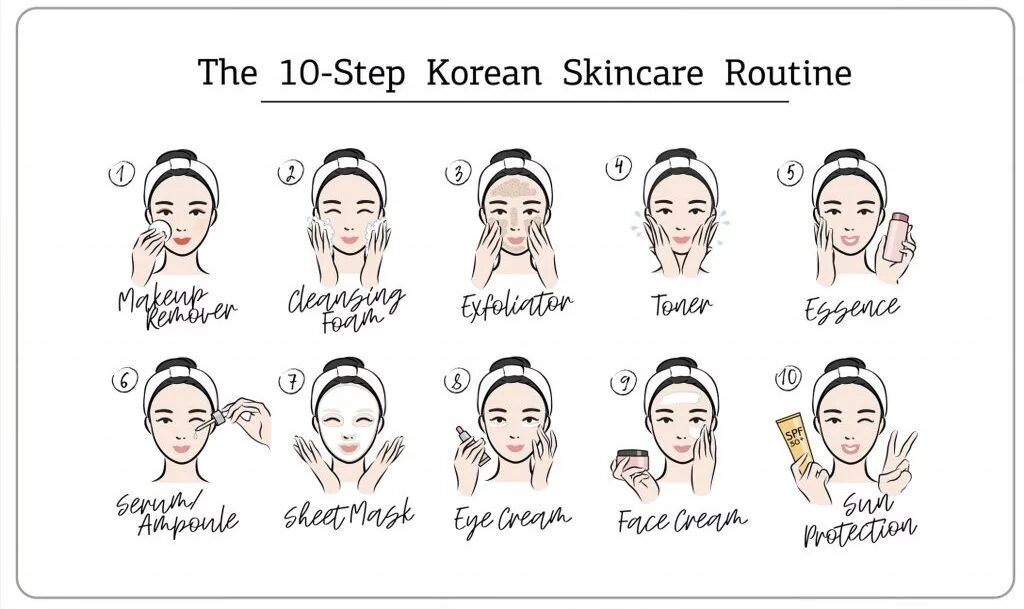
Korean beauty philosophy introduced the world to multi-step skincare routines that prioritized skin health over coverage. The concept of “glass skin” challenged Western ideals of matte perfection, celebrating dewy, translucent complexions instead.
African beauty traditions brought bold colors and dramatic techniques back into mainstream consciousness. The celebration of melanin-rich skin tones revolutionized foundation shade ranges and challenged the very definition of “nude” colors.
Indian beauty practices contributed sophisticated eye makeup techniques and the art of color layering that Western beauty had largely abandoned. The precision of Indian kajal application influenced modern eyeliner trends worldwide.
The New Global Beauty Language
Today’s beauty landscape is gloriously chaotic and beautifully diverse. We’re seeing Indian-inspired bold eyeshadows paired with Korean glass skin techniques and African contouring methods. This isn’t cultural appropriation—it’s cultural appreciation and fusion at its finest.
The most successful beauty looks now tell stories that cross cultural boundaries. A single makeup look might incorporate Japanese precision in brow shaping, Middle Eastern drama in eye makeup, and Latin American warmth in lip colors. The result is a new global beauty language that honors multiple traditions simultaneously.
This fusion is creating unprecedented creativity in beauty expression. Makeup artists are no longer confined to single cultural aesthetics—they’re free to draw inspiration from humanity’s entire beauty heritage.
The change is visible everywhere. Foundation ranges now include undertones that acknowledge the beautiful complexity of global skin tones. Eyeshadow palettes celebrate the full spectrum of colors that different cultures have always embraced. Lip colors range from the subtle berries favored in Nordic countries to the vibrant reds and oranges celebrated in African traditions.
East Asian Influence
- – Glass skin techniques
- – Gradient lip colors
- – Straight brow shapes
- – Aegyo sal (under-eye bags)
African Diaspora Influence
- – Bold color combinations
- – Dramatic contouring
- – Geometric patterns
- – Melanin-celebrating shades
Middle Eastern Influence
- – Dramatic eye makeup
- – Kohl-lined eyes
- – Henna-inspired patterns
- – Jewel-toned shadows
The Brand Evolution
Beauty brands are scrambling to catch up with this cultural shift. The most successful companies are those that embrace authentic cultural input rather than simply appropriating surface-level aesthetics.
Fenty Beauty revolutionized the industry by launching with 40 foundation shades that acknowledged the beautiful diversity of global skin tones. This wasn’t just inclusive marketing—it was a recognition that beauty has never been one-size-fits-all.
Rare Beauty incorporates Latin American beauty traditions into modern formulations, celebrating the warmth and vibrancy that Hispanic cultures have always embraced. The brand’s approach to color is unapologetically bold, reflecting cultural values that prioritize self-expression over conformity.
Korean beauty brands like Glow Recipe and Laneige have successfully introduced Western consumers to Asian beauty philosophies. Their success lies not in adapting to Western standards, but in confidently presenting Korean beauty ideals as equally valid and desirable.
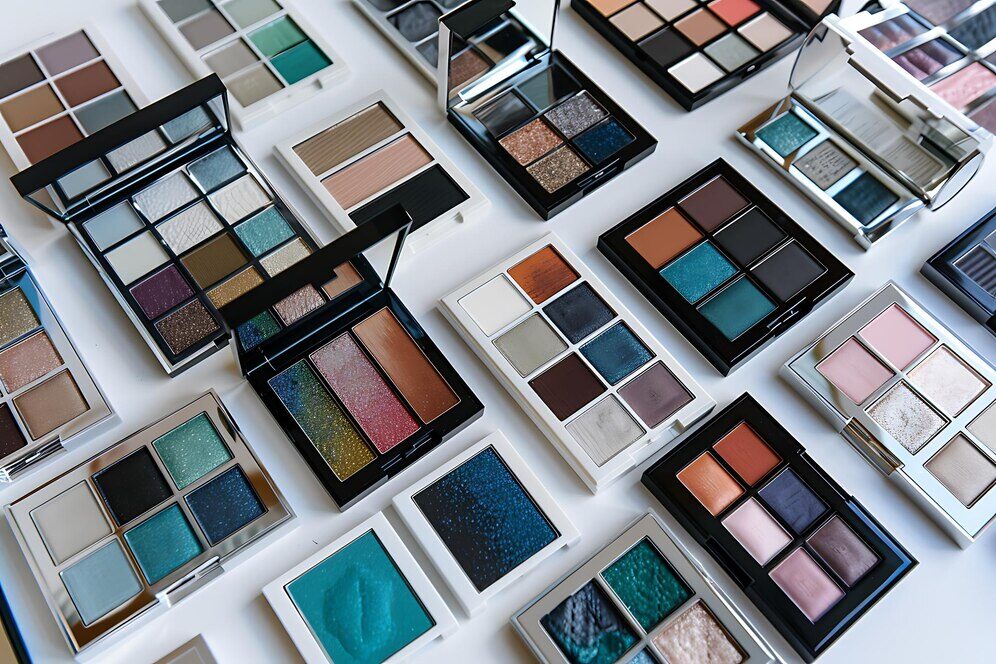
The most innovative brands are creating products that serve multiple cultural beauty needs simultaneously. Eyeshadow palettes that work equally well for subtle Western looks and dramatic South Asian celebrations. Foundations that don’t just match skin tones but enhance them according to different cultural beauty ideals.
The Authenticity Challenge
With great cultural fusion comes great responsibility. The line between appreciation and appropriation requires constant navigation. The most successful cultural beauty fusion happens when it honors the source culture while creating something genuinely new.
Authenticity in global beauty means understanding the cultural significance behind beauty practices. It means recognizing that a bindi isn’t just decoration, that tribal face painting isn’t just bold makeup, and that traditional beauty practices carry deep cultural meaning.
The best examples of cultural beauty fusion involve collaboration rather than extraction. Beauty brands are increasingly partnering with cultural experts and traditional practitioners to ensure their products honor rather than exploit cultural traditions.
This approach benefits everyone. Cultural communities see their traditions celebrated and compensated. Global consumers gain access to beautiful, meaningful beauty practices. The beauty industry becomes richer and more innovative.
Your Cultural Beauty Journey
Embracing global beauty standards doesn’t mean abandoning your cultural identity—it means expanding it. You can honor your heritage while experimenting with techniques and colors from other cultures.
Start by exploring your own cultural beauty traditions. Research the makeup and skincare practices of your ancestors. You might discover techniques that enhance your natural features in ways modern beauty hasn’t considered.
Then, approach other cultures with respect and curiosity. Try Korean glass skin techniques if you’re interested in glowing complexion. Experiment with bold African-inspired eyeshadows if you want to celebrate color. Learn precise Indian eyeliner techniques if you love dramatic eyes.
The key is understanding that you’re not just copying looks—you’re participating in a global conversation about beauty that honors all cultures. Your unique combination of influences becomes part of your personal beauty story.
Building Your Global Beauty Kit
Foundation Essentials
Invest in foundations that enhance your natural undertones. Look for brands that understand your cultural beauty ideals, not just your skin tone.
Color Exploration
Build a palette that reflects global beauty traditions. Include bold colors from African traditions, subtle tones from Nordic cultures, and jewel tones from Middle Eastern practices.
Technique Mastery
Learn techniques from different cultures. Master Korean glass skin methods, Indian precision eyelining, and African color blending. Each tradition offers unique skills.
The Future of Global Beauty
The cultural beauty revolution is just beginning. As global connectivity continues to deepen, we’ll see even more sophisticated fusion of beauty traditions. The future belongs to beauty that celebrates rather than erases cultural differences.
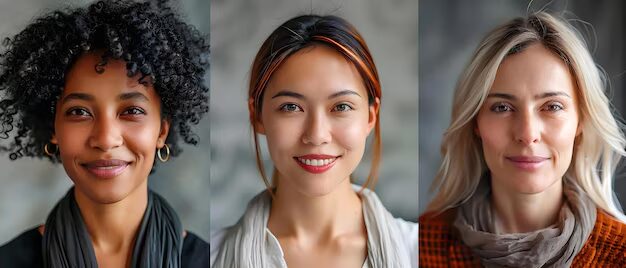
We’re moving toward a world where beauty standards are plural, not singular. Where a woman can wear traditional Indian jewelry with Korean-inspired makeup and African-influenced bold lips without anyone questioning the authenticity of her choices.
This future requires continued education and respect. It demands that we approach other cultures’ beauty traditions with genuine curiosity rather than surface-level trend-following. It asks that we understand the stories behind the techniques we adopt.
The beauty industry must continue evolving to serve this global, culturally-aware consumer. Products need to work for multiple cultural beauty ideals. Marketing needs to celebrate authentic cultural diversity rather than tokenistic inclusion.
The Personal Is Political
Your beauty choices have never been more meaningful. Every time you choose to wear bold colors inspired by African traditions, or try glass skin techniques from Korea, or experiment with precision eyelining from India, you’re participating in a global movement toward cultural appreciation.
This isn’t about political correctness—it’s about recognizing the beautiful complexity of human creativity. It’s about understanding that beauty innovation has always been a collaborative, cross-cultural process.
The most revolutionary thing you can do is embrace your own cultural beauty heritage while remaining open to learning from others. Your unique combination of influences becomes part of the global beauty story.
In a world that often tries to divide us, beauty becomes a universal language that celebrates what makes us different while highlighting what makes us the same. We all want to feel beautiful. We all want to express ourselves. We all want to honor where we come from while embracing where we’re going.
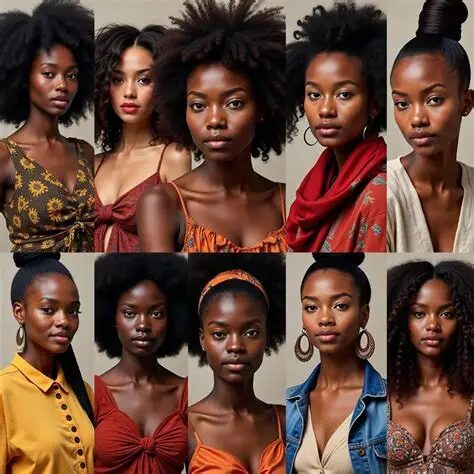
The cultural beauty revolution isn’t about abandoning Western beauty standards—it’s about expanding them to include the full spectrum of human beauty expression. It’s about creating a world where every culture’s definition of beauty is valid, celebrated, and accessible to all.
In this new landscape, your makeup bag becomes a passport to global beauty traditions. Your daily routine becomes a celebration of human creativity across cultures and centuries. Your face becomes a canvas for the entire world’s beauty wisdom.
The revolution is happening one lipstick, one eyeshadow, one foundation shade at a time. And you’re not just witnessing it—you’re creating it.