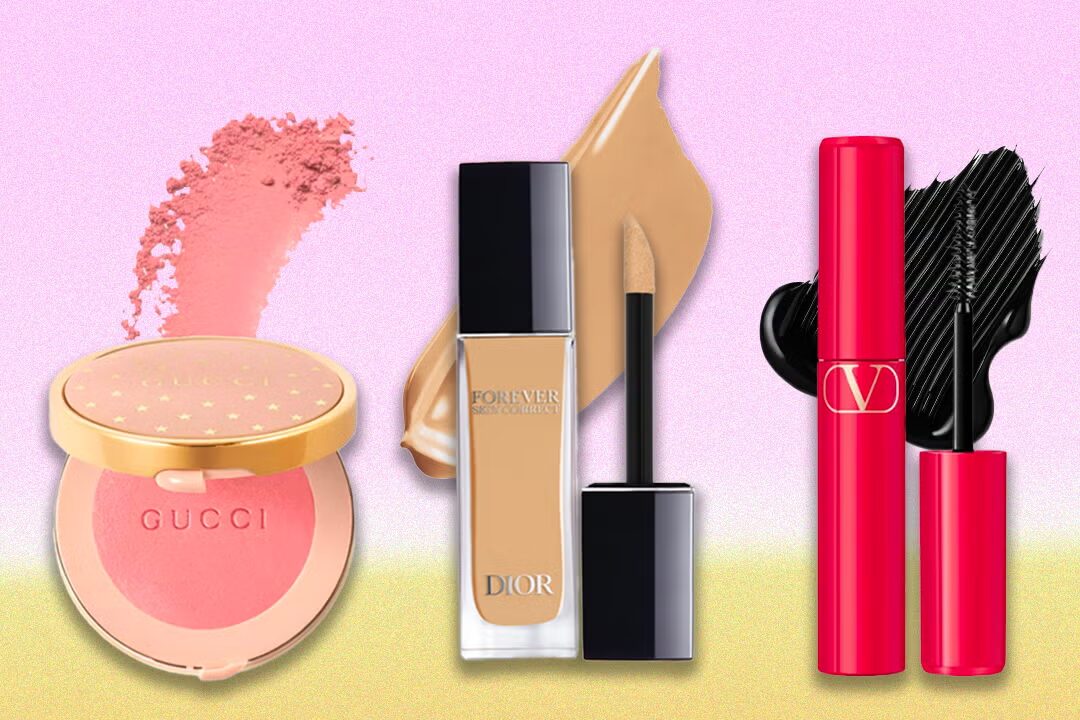
The cashier scanned the lipstick—$38. Your stomach dropped. For a tube smaller than your thumb, containing pigments and oils that cost pennies to produce, you’d just surrendered nearly forty dollars. Walking past the drugstore display moments later, an identical shade caught your eye. Six dollars. Same finish, similar ingredients, nearly identical color payoff.
Welcome to 2025, where the beauty industry’s dirty secret finally exploded into mainstream consciousness: luxury pricing rarely correlates with luxury performance. The dupe revolution isn’t just about saving money—it’s about exposing decades of markup mythology that convinced consumers quality required premium prices.
What started as beauty enthusiasts sharing budget finds on Reddit evolved into systematic deconstruction of luxury beauty’s value proposition. Armed with ingredient analysis apps, side-by-side testing videos, and pharmaceutical-grade formulation knowledge, consumers discovered something brands desperately tried concealing: drugstore and luxury products often emerge from identical factories, using similar formulas, differentiated primarily by packaging and marketing budgets.
The Great Markup Myth Unraveled
Beauty pricing operates on margins that would make pharmaceutical companies blush. A luxury lipstick retailing for $38 costs approximately $2.50-$3.50 to manufacture—including packaging. That 1,000%+ markup funds advertising campaigns, celebrity endorsements, department store commissions, and shareholder dividends. The actual product? Minimal cost difference compared to drugstore alternatives.
Manufacturing concentration reveals the industry’s open secret. Many prestige and mass-market brands contract with identical laboratories. These facilities produce formulas at various price points using similar base ingredients. The “exclusive” luxury serum and its drugstore cousin might literally share production lines, differentiated mainly by bottle design and marketing narrative.
Ingredient transparency apps like Yuka and INCIDecoder democratized formulation knowledge. Consumers can now scan any product and instantly view ingredient lists ranked by concentration. This accessibility destroyed mystique around “proprietary blends” and “exclusive complexes”—revealing that many luxury products contained identical actives at similar concentrations to their budget counterparts.
The Pricing Breakdown Reality:
Manufacturing: $2-4
Packaging: $3-6
Marketing/Advertising: $10-15
Retail/Distribution: $8-12
Brand Premium: $5-10
Total luxury product cost: $35-40
Your payment: $40-65
Charlotte Tilbury’s Dupe Dominance
Charlotte Tilbury represents perhaps the most duplicated luxury brand of 2025. Her products—particularly the Flawless Filter and Pillow Talk lip liner—spawned entire drugstore categories attempting to capture their magic.
The Flawless Filter Phenomenon
Tilbury’s $49 complexion booster promised Instagram-filter skin in a bottle. The lightweight, luminous formula genuinely delivered, becoming beauty’s most-hyped product of recent years. But e.l.f. Cosmetics studied its success and launched their $14 Halo Glow Liquid Filter—virtually identical in texture, finish, and glow intensity.
Side-by-side testing reveals negligible differences. Both products feature light-reflecting pearls suspended in hydrating bases. Both layer beautifully under or over foundation. Both provide that coveted “lit from within” radiance. The $35 price gap? Pure brand premium.
Pillow Talk’s Affordable Twins
Tilbury’s Pillow Talk lip liner achieved cult status as the “universally flattering” nude-pink. At $25, it wasn’t prohibitively expensive, but NYX’s Nude Pink ($5) and Rimmel’s Tiramisu ($4.50) offer essentially identical shades with comparable wear time and creaminess.
Professional makeup artists increasingly stock these alternatives. When building kit collections requiring multiple lip liners, spending $5 instead of $25 per pencil saves hundreds without compromising client results.
Real Talk: The Psychology of Prestige
Let’s acknowledge the elephant applying makeup in the room—luxury beauty purchases aren’t purely rational. Opening a Chanel compact feels different than clicking open drugstore packaging. The weight, the logo, the sensory experience contributes to perceived value. That’s legitimate, but be honest about what you’re buying: experience and aspiration, not objectively superior performance.
MAC’s Lipstick Legacy Challenged
MAC lipsticks dominated professional and consumer markets for decades. Their extensive shade range, reliable formulas, and salon-quality performance justified $19-$22 price points. Then drugstore brands studied MAC’s success and replicated it at fraction of cost.
ColourPop’s Lippie Stix Revolution
At $7 each, ColourPop’s Lippie Stix provide comparable pigmentation, texture, and longevity to MAC’s classics. Their shade range rivals MAC’s legendary selection, covering everything from barely-there nudes to vampy burgundies.
Beauty YouTubers conducting wear tests found ColourPop lasting 6+ hours compared to MAC’s 6.5-7 hours—negligible difference for massive price savings. Both formulas contain similar emollients and pigment concentrations. Both offer matte, satin, and glossy finishes.
Revlon’s Time-Tested Alternative
Revlon Super Lustrous lipsticks ($6-8) have competed with premium brands for generations. Their “Cherries in the Snow” shade became legendary MAC “Ruby Woo” alternative—delivering identical blue-based red impact for a third the price.
Professional colorists confirm that under controlled lighting, average observers cannot distinguish between Revlon and MAC red lipsticks once applied. The performance gap simply doesn’t justify the price premium.
“I’ve worked with thousand-dollar faces and hundred-dollar faces. The makeup that photographs best isn’t determined by price—it’s determined by skill, skin prep, and choosing the right formula for each face. Half my kit is drugstore, half is luxury, and clients can’t tell the difference.”
The Armani Foundation Fiasco
Giorgio Armani’s Luminous Silk Foundation ($69) achieved holy grail status among beauty enthusiasts. Fashion editors and celebrities swore by its natural finish and weightless texture. Then L’Oréal—Armani’s parent company—launched their Infallible Pro-Glow Foundation at $14.99.
The Sister Brand Strategy
Here’s where it gets interesting: L’Oréal owns Giorgio Armani Beauty. Both foundations emerge from L’Oréal laboratories. While formulas aren’t identical, they share core technology and ingredient platforms. The $54 price difference largely funds Armani’s prestige positioning.
Ingredient analysis reveals both products feature glycerin-based hydration, silica-based blurring, and similar pigment suspensions. Armani includes few additional botanical extracts, but at concentrations unlikely to significantly impact performance.
Wear testing across various skin types found L’Oréal’s longevity slightly less than Armani’s—approximately 8 hours compared to 10. But for most users requiring foundation for work days, eight hours suffices. The question becomes: does two hours of additional wear justify spending nearly five times more?
The Shade Range Caveat
Armani maintains slight advantage in shade sophistication. Their undertone accuracy, particularly for deeper skin tones, surpasses L’Oréal’s range. If perfect shade matching proves elusive at drugstore price points, luxury investment makes sense. But for those finding good matches in affordable ranges, performance differences shrink to insignificance.
Where Dupes Actually Deliver
⚡ Complexion Products: Foundation, concealer, powder—drugstore formulas now rival luxury performance
⚡ Lipstick: Color payoff and wear time reach near-parity across price points
⚡ Mascara: Essentially identical results; formula shelf life matters more than price
⚡ Blush/Bronzer: Pigmentation and blendability no longer correlate with cost
Where Luxury Sometimes Wins
❌ Eyeshadow Palettes: High-end formulas often provide superior pigmentation and blendability
❌ Unique Finishes: Specialty textures and effects remain luxury territory
❌ Shade Complexity: Undertone sophistication occasionally justifies premium pricing
❌ Skin Benefits: Luxury products sometimes include higher skincare ingredient concentrations
e.l.f.’s Excellence Equation
e.l.f. Cosmetics epitomizes modern drugstore excellence. Their “$3-$15 products that work like $40-$80 luxury” strategy disrupted beauty’s price-performance assumptions. Through vertical integration and direct-to-consumer sales, they eliminated middleman costs while maintaining quality.
Strategic Innovation Examples:
Poreless Putty Primer ($8) → Tatcha Silk Canvas Primer ($52)
Both use silicone-based formulas that blur pores and create smooth makeup canvas. Texture and performance are virtually identical. Tatcha adds subtle skincare ingredients at concentrations providing minimal benefit.
Camo Concealer ($7) → Tarte Shape Tape ($29)
Full coverage, long-wearing, available in extensive shade ranges. Beauty editors conducting blind testing couldn’t consistently distinguish between the two. Some testers actually preferred e.l.f.’s formula for being less drying.
Power Grip Primer ($10) → Milk Makeup Hydro Grip Primer ($38)
The sticky, hydrating formula that makes makeup last all day exists at both price points with negligible performance gaps. e.l.f. reverse-engineered Milk’s bestseller and delivered it at fraction of cost.
The Niacinamide Serum Scandal
Skincare’s dupe culture exposes even more egregious markup practices. Serums commanding $100+ price tags often contain identical active ingredients at similar concentrations to $10 drugstore alternatives.
The Ordinary’s Disruptive Transparency
The Ordinary launched with radical concept: sell single-ingredient formulas at cost-plus-minimal-markup pricing. Their $6 Niacinamide 10% + Zinc 1% serum contains… exactly that. No proprietary blends, no marketing mystique, just stated ingredients at stated concentrations.
Luxury brands selling niacinamide serums at $80-120 can’t point to meaningful formula differences. Some include additional botanicals or hydrators, but the core active—niacinamide—works identically whether purchased for $6 or $100. You’re funding advertising campaigns and retail markups, not better results.
CeraVe’s Dermatologist-Developed Democracy
CeraVe products formulated with dermatological input deliver professional-grade results at accessible prices. Their $16 Skin Renewing Retinol Serum contains encapsulated retinol at effective concentrations—the same technology luxury brands charge $100+ for.
Dermatologists increasingly recommend CeraVe over prestige alternatives. When treating actual skin conditions, they prioritize effective active ingredients over luxurious packaging. If board-certified doctors trust drugstore formulas for their patients, perhaps consumers should too.
| Luxury Product | Price | Drugstore Dupe | Price |
|---|---|---|---|
| NARS Orgasm Blush | $34 | Milani Luminoso | $11 |
| Hourglass Ambient Lighting Blush | $48 | Laura Geller Baked Blush | $32 |
| Charlotte Tilbury Flawless Filter | $49 | e.l.f. Halo Glow Filter | $14 |
| Giorgio Armani Luminous Silk | $69 | L’Oréal Infallible Pro-Glow | $15 |
| MAC Ruby Woo Lipstick | $22 | Revlon Cherries in the Snow | $6 |
| Dior Addict Lip Glow | $40 | NYX Butter Gloss | $5 |
When Luxury Actually Matters
Honesty requires acknowledging situations where premium prices deliver genuinely superior experiences. Not every luxury product admits perfect dupe alternatives.
Eyeshadow Palettes:
High-end eyeshadows from Pat McGrath, Natasha Denona, and Tom Ford often surpass drugstore alternatives in pigmentation, blendability, and color complexity. The buttery textures and sophisticated undertones justify higher prices for serious eyeshadow enthusiasts.
That said, many affordable brands—ColourPop, Juvia’s Place, BH Cosmetics—now produce exceptional palettes at $15-30. The gap has narrowed significantly, even if elite luxury shadows maintain slight edges.
Unique Formulas and Finishes:
Certain luxury products offer genuinely innovative textures without drugstore equivalents. Chanel’s Les Beiges Healthy Glow Sheer Powder, for instance, provides specific finish difficult to duplicate at lower price points. When seeking particular aesthetic effects, luxury investment occasionally becomes necessary.
Experiential Luxury:
Some consumers derive genuine pleasure from luxury packaging, prestige brand associations, and indulgent purchasing experiences. If a Guerlain Météorites compact brings you joy beyond the product’s functional performance, that emotional value holds legitimacy. Just be honest that you’re buying feeling, not objectively superior makeup.
The Dupe Shopping Strategy
Maximizing savings while maintaining quality requires strategic approach to dupe identification and purchasing.
Step 1: Identify Your Non-Negotiables
Which products genuinely perform better at higher price points for YOUR needs? Maybe luxury foundation matches your undertones perfectly, or prestige lipstick lasts through your long workday. Invest there, save everywhere else.
Step 2: Research Before Purchasing
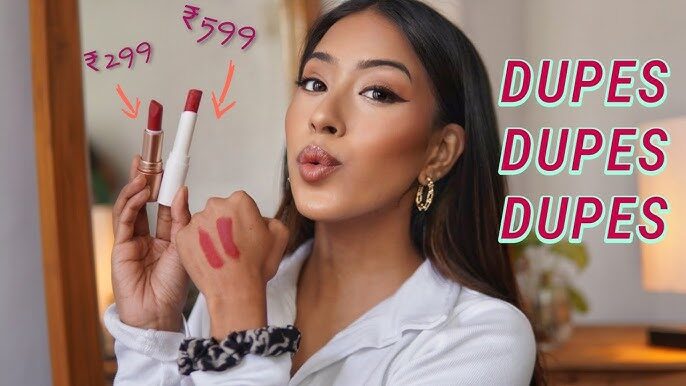
TikTok, YouTube, and Reddit offer extensive dupe comparisons. Search “[luxury product name] dupe” to find tested alternatives. Beauty influencers now regularly post side-by-side wear tests demonstrating drugstore products matching luxury performance.
Step 3: Test Methodically
Purchase one dupe at a time, testing thoroughly before replacing entire collection. Your skin chemistry, preferences, and application techniques influence product performance. What works for influencers might not work identically for you.
Step 4: Calculate Actual Savings
Track money saved by choosing dupes. Seeing cumulative savings—often hundreds or thousands annually—reinforces smart shopping decisions. Redirect those funds toward genuinely valuable purchases or savings goals.
Step 5: Share Your Findings
Join the dupe-sharing community. Post honest reviews helping others discover effective alternatives. This collective knowledge sharing continues democratizing beauty industry, forcing brands toward fair pricing.
Brand Responses to Dupe Culture
Luxury brands initially responded to dupe culture with legal threats and social media criticism. Some attempted shutting down dupe-sharing accounts, claiming trademark infringement. Others publicly dismissed drugstore alternatives as inferior knockoffs.
These defensive reactions backfired spectacularly. Consumers interpreted them as confirmation that luxury brands feared direct comparisons. If premium products genuinely outperformed alternatives, why threaten legal action against honest reviewers?
Strategic Pivots:
Forward-thinking luxury brands now emphasize experiential aspects—packaging design, brand heritage, sensory pleasure—rather than claiming monopolies on performance. They acknowledge drugstore formulas improving while positioning luxury purchases as lifestyle choices rather than functional necessities.
Some prestige brands launched “accessible luxury” lines—slightly lower-priced products maintaining premium positioning while acknowledging price-conscious consumers. These bridge lines attempt capturing dupe-shoppers without cannibalizing flagship offerings.
The Drugstore Innovation Surge
Competition from dupe culture forced drugstore brands toward unprecedented innovation. They can no longer survive on “good enough”—they must deliver genuinely excellent products rivaling luxury performance.
2025’s Standout Launches:
CoverGirl Outlast Lip Stain ($12)
Rivals Huda Beauty’s cult lip stains at fraction of price. Vibrant colors, all-day wear, comfortable formula. Beauty TikTok exploded with comparison videos showing identical performance.
Maybelline Lifter Gloss ($9)
Drugstore’s answer to Dior Lip Maximizer. Plumping, hydrating, high-shine gloss that actually feels luxurious. Shade range expanded throughout 2025, addressing early criticism.
Physician’s Formula Butter Collection
Their bronzer ($15) competes directly with Charlotte Tilbury’s Beach Stick ($46), offering that coveted “butter” texture and tropical scent at 67% savings.
The Economic Impact
Dupe culture represents genuine economic threat to luxury beauty corporations. When consumers opt for $14 foundations instead of $69 alternatives, billions in revenue disappear. Industry analysts project continued pressure on premium pricing as younger consumers prioritize value over brand prestige.
Stock prices reflect these shifting dynamics. Companies heavily dependent on beauty sales—L’Oréal, Estée Lauder, Coty—face increasing pressure justifying luxury markups to shareholders and consumers simultaneously.
Drugstore brands, conversely, experience growth surges. e.l.f. Cosmetics’ stock price increased 200%+ between 2023-2025, fueled by viral product launches and dupe culture momentum. The market clearly rewards accessible quality over prestige mystique.
The Democratization Dividend
Dupe culture doesn’t just save money—it redistributes beauty access across economic classes. Premium performance no longer requires premium paychecks. Everyone deserves to feel confident in quality makeup, regardless of budget constraints.
The Future of Beauty Pricing
Industry experts predict continued convergence between luxury and drugstore performance. As manufacturing technology advances and ingredient costs decrease, functional gaps shrink toward insignificance. The primary differentiator becomes brand storytelling rather than formula superiority.
Younger consumers—Gen Z particularly—demonstrate decreased brand loyalty and increased price sensitivity. They research thoroughly, share information freely, and reject paying premiums for prestige alone. This generational shift forces industry-wide pricing reevaluation.
Sustainability considerations compound pricing pressures. Excessive packaging and marketing waste appear increasingly irresponsible. Brands emphasizing functional excellence over luxurious presentation align better with environmental consciousness.
The likely future: bifurcated market where ultra-luxury brands maintain prestige positioning through true innovation and experiential value, while mid-tier luxury struggles between drugstore competition and high-end aspiration. The middle ground—products commanding premium prices without justifying them through performance or experience—faces extinction.
Your Strategic Beauty Budget
Rethinking beauty spending requires honest assessment of what actually delivers value in YOUR life.
Questions to Ask:
→ Does this product perform measurably better than alternatives?
→ Am I buying function or feeling?
→ Can I identify specific benefits justifying the premium?
→ Would I repurchase at this price without brand attachment?
→ How much am I influenced by packaging and prestige?
Answering honestly reveals where luxury investment makes sense versus where you’re financing shareholder dividends. Most beauty enthusiasts discover they’re overspending on 60-70% of their collection without receiving commensurate value.
The savings redirected toward fewer, carefully-chosen luxury items—or entirely different priorities—often provides more genuine satisfaction than cabinets full of prestigious products you don’t actually love.
October 2025 marks beauty’s great reckoning. The dupe uprising exposed what many suspected but couldn’t prove—that luxury pricing often reflects marketing budgets rather than manufacturing costs. Armed with information, ingredient transparency, and collective wisdom, consumers finally hold power to demand fair value.
This isn’t about eliminating luxury beauty—it’s about earning it through genuine innovation and superior performance rather than mystique and markup. Brands delivering authentic value will thrive. Those coasting on prestige positioning without substance will face increasingly skeptical consumers unwilling to pay inflated prices for ordinary products.
The question isn’t whether you should buy luxury or drugstore. It’s whether each product—regardless of price—delivers value matching its cost. Sometimes that’s $6. Sometimes it’s $60. The difference is knowing which is which.
Your homework: Choose one luxury product in your collection and find its highest-rated dupe. Test them side-by-side for one week. Let performance, not packaging, determine the winner. Share your findings—knowledge shared is beauty democratized.