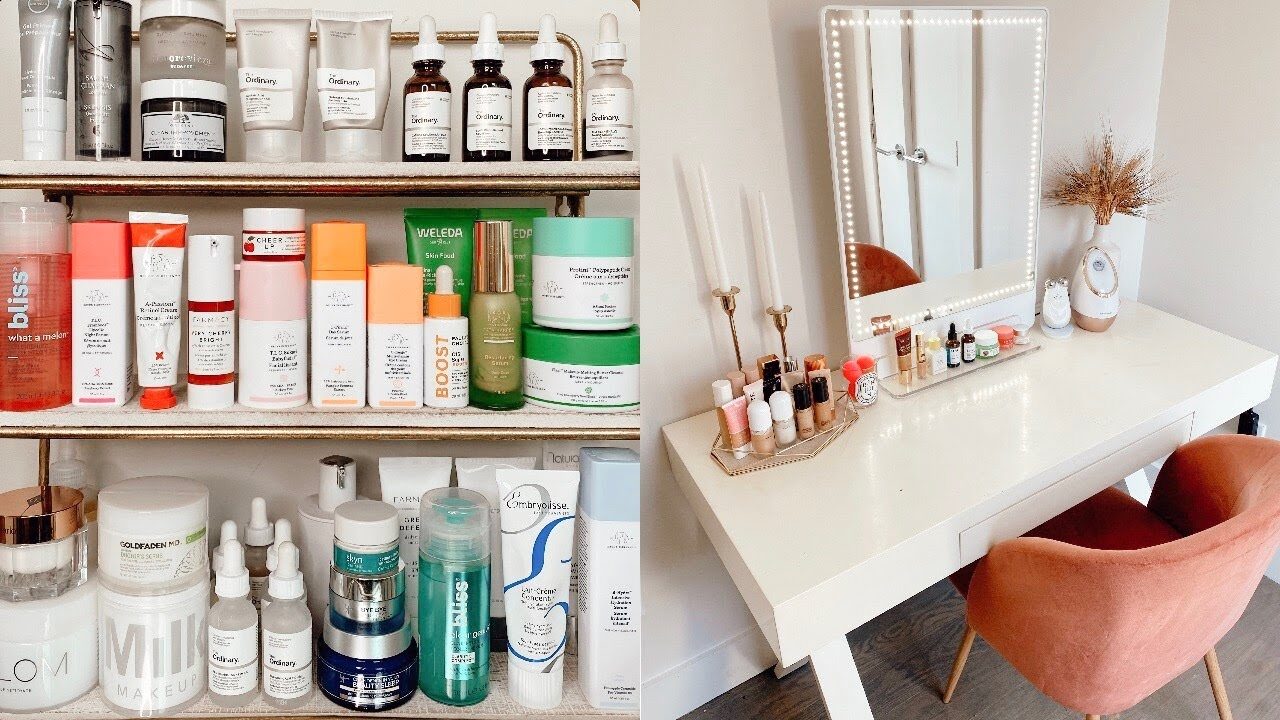
Your bathroom cabinet holds seventeen serums. Your morning routine requires forty-five minutes. Your skin looks… tired. Somewhere between the ten-step regimens and TikTok’s latest miracle ingredient, we lost the plot entirely.
October 2025 marks an inflection point in beauty culture. While brands continue launching “revolutionary” formulas weekly, a counter-movement gains momentum—one that questions whether more products ever equaled better skin. Skinimalism, the portmanteau of “skin” and “minimalism,” isn’t just reducing steps. It’s fundamentally challenging beauty industry economics built on perpetual consumption.
This isn’t about deprivation or laziness. Skinimalism represents sophisticated understanding of skin biology, ingredient science, and the psychological toll of beauty perfectionism. Dermatologists increasingly validate what our grandmothers intuitively knew: skin thrives on consistency and simplicity, not constant experimentation.
The Overconsumption Reckoning
The beauty industry’s marketing machinery trained consumers to believe skin requires constant intervention. Every concern demanded specialized products—separate serums for fine lines, dark spots, enlarged pores, dullness, dehydration. Brands positioned comprehensive routines as essential rather than optional.
This complexity served commercial interests brilliantly. More product categories meant more purchasing opportunities. Creating problems that products could “solve” became standard practice. But consumers increasingly recognize this manufactured necessity for what it is—profit-driven theater rather than dermatological necessity.
Social media accelerated overconsumption through constant exposure to new launches. Beauty influencers showcased massive product collections as aspirational rather than excessive. The pressure to “keep up” with trending ingredients created anxiety-driven purchasing patterns that benefited brands while exhausting consumers financially and mentally.
The environmental costs compound the personal ones. Excessive packaging, single-use samples, barely-used products discarded when newer formulas launch—beauty’s environmental footprint became impossible to ignore. Skinimalism addresses sustainability concerns while improving actual results.
Signs You’ve Exceeded Skincare Sanity:
→ Products expire before finishing them
→ Inability to remember what each bottle does
→ Skin reacts negatively more frequently
→ Morning routine feels like punishment
→ Purchasing products “just in case”
→ Storage solutions for storage solutions
The Science Behind Simplified Routines
Dermatological research increasingly supports minimalist approaches. The skin barrier—your complexion’s protective shield—functions optimally with gentle, consistent care rather than aggressive product bombardment.
Dr. Charlotte Cho, whose expertise launched the glass skin movement, emphasizes that “inside-out approaches” focusing on skin health outperform surface-level treatments every time. Healthy skin requires adequate hydration, sun protection, and periodic exfoliation—not seventeen actives applied simultaneously.
Ingredient interactions create unpredictable complications when mixing numerous products. Combining certain acids causes irritation. Retinoids and vitamin C require careful timing. Layering too many actives compromises barrier function, creating the very problems consumers try to solve—redness, sensitivity, dehydration.
Overuse of exfoliating products represents particularly common mistakes. Chemical exfoliants—AHAs, BHAs, PHAs—deliver transformative benefits when used appropriately. But daily use of multiple exfoliants strips skin, triggering inflammatory responses that manifest as dullness, breakouts, and premature aging.
The Minimalist Manifesto:
Quality ingredients in effective concentrations matter infinitely more than product quantity. Three well-formulated essentials outperform seventeen mediocre products layered desperately.
Building Your Skinimalist Routine
Effective minimalist skincare starts with understanding your actual needs versus marketed wants. Strip away everything for one week—yes, everything except cleanser, moisturizer, and SPF. Observe how your skin behaves without constant intervention. This baseline reveals genuine needs rather than manufactured dependencies.
The Non-Negotiable Foundation (Morning):
Gentle Cleanser – Remove overnight oil buildup and prepare skin for treatment products. Look for pH-balanced formulas that clean without stripping. Avoid sulfates, harsh surfactants, and anything that leaves skin feeling “squeaky clean”—that tight sensation signals barrier damage.
Treatment Serum – ONE targeted active addressing your primary concern. Niacinamide for barrier support and texture. Vitamin C for brightening and antioxidant protection. Hyaluronic acid for intense hydration. Choose your battle; fight it well.
Moisturizer – Lock in hydration with formulas appropriate for your skin type. Lightweight gel-creams for oily complexions, richer balms for dry skin. Your moisturizer shouldn’t feel like another layer—it should feel like your skin just improved.
SPF – Non-negotiable sun protection prevents 90% of visible aging signs. Modern formulas feel weightless, leave no white cast, and layer beautifully under makeup. If you skip this, nothing else matters.
Evening Essentials:
Double Cleanse – Oil-based cleanser first to remove makeup and SPF, followed by gentle water-based cleanser. This thorough cleansing prevents clogged pores without aggression.
Treatment – Retinol 2-3 nights weekly for cell turnover and collagen production. Or continue your morning active if it’s gentle enough for twice-daily use. Not both simultaneously unless your dermatologist specifically directed otherwise.
Night Moisturizer – Slightly richer than morning formula to support overnight barrier repair. Your skin regenerates most actively during sleep; provide the raw materials it needs.
The Glass Skin Connection
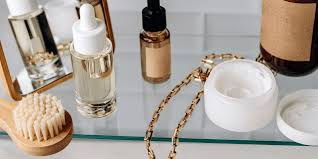
Skinimalism and the glass skin trend share philosophical DNA—both prioritize skin health over coverage, transparency over concealment. Glass skin’s signature luminous clarity emerges from consistent, simplified routines rather than complicated layering.
Achieving that coveted translucent glow requires patience skinimalism naturally cultivates. Jumping between products prevents observing what actually works. Commitment to minimal, quality formulas allows tracking genuine progress over weeks rather than expecting overnight transformations.
The glass skin aesthetic demands well-hydrated, properly exfoliated skin with strong barrier function—precisely what simplified routines deliver. Overcomplicated regimens paradoxically prevent the very results they promise by keeping skin in constant reactive states.
Korean beauty philosophy, which originated glass skin concepts, actually emphasizes customization and patience over product accumulation. The Western interpretation added excessive steps; the Korean reality focuses on finding what works and repeating it consistently.
Glass Skin Through Skinimalism:
- Hydration Layers – One lightweight hydrating toner, one humectant serum. That’s sufficient moisture without overwhelming skin
- Barrier Support – Ceramides, cholesterol, fatty acids in your moisturizer repair protective functions
- Gentle Exfoliation – Once or twice weekly removes dead cells revealing fresh, reflective skin beneath
- Strategic Highlighting – Minimal makeup emphasizing natural glow rather than creating artificial luminosity
Curating Your Minimalist Arsenal
Product selection separates successful skinimalists from those attempting minimalism with mediocre formulas. Quality becomes paramount when quantity decreases. Research ingredients, read studies, understand what each product genuinely delivers.
Multi-Functional Heroes:
Products performing double or triple duty streamline routines without compromising results. Tinted moisturizers with SPF combine three steps. Vitamin C serums offering hydration plus brightening reduce layering. Strategic product choices maximize efficiency.
Example: Niacinamide
This powerhouse ingredient addresses multiple concerns simultaneously—refines pores, reduces hyperpigmentation, strengthens barrier function, regulates oil production, minimizes inflammation. One well-formulated niacinamide serum potentially replaces four separate products.
Example: Gentle Retinoids
Modern encapsulated retinols deliver anti-aging benefits with minimal irritation. Time-release formulations work throughout the night without requiring additional soothing products to counteract sensitivity.
Ingredient Transparency:
Skinimalism demands understanding what you’re applying. Read ingredient lists, not just marketing claims. Recognize that “hero ingredient” amounts often appear so far down lists they provide negligible benefits. Effective concentrations matter.
The Ordinary pioneered radical transparency—single-ingredient formulas at clinical concentrations, priced accessibly. Their approach influenced industry standards, forcing competitors toward honest labeling and meaningful formulations.
| Concern | Key Ingredient | Why It Works |
|---|---|---|
| Aging Prevention | Retinol | Increases cell turnover, stimulates collagen |
| Hydration | Hyaluronic Acid | Holds 1000x its weight in water molecules |
| Brightening | Vitamin C | Inhibits melanin production, antioxidant protection |
| Barrier Repair | Ceramides | Essential lipids maintaining protective function |
| Texture Refinement | Niacinamide | Regulates sebum, minimizes pores, evens tone |
The Psychological Liberation
Skinimalism offers mental health benefits rarely discussed in beauty conversations. Decision fatigue from evaluating endless product options drains cognitive resources better spent elsewhere. Simplified routines eliminate this exhausting choice paralysis.
Financial relief accompanies mental clarity. Average beauty enthusiasts spend $3,000+ annually on skincare. Minimalist approaches cut spending by 60-70% while delivering superior results. Money saved can fund experiences, savings, or actual priorities rather than bathroom cabinet clutter.
Reduced comparison and competition improve self-image. Social media’s constant product showcasing triggers inadequacy and FOMO. Committing to minimalism exempts you from these cycles. Your routine becomes personal practice rather than performance for external validation.
Time reclaimed from elaborate routines compounds benefits. Twenty minutes saved daily equals 120+ hours annually—time for sleep, exercise, relationships, hobbies. The opportunity cost of complicated beauty routines rarely receives honest evaluation.
“Skinimalism freed me from the tyranny of ‘keeping up.’ My skin improved, my bank account recovered, and I stopped feeling like I was failing at self-care. Turns out less really is more—especially when ‘more’ was just marketing talking.” – Real testimonial from skinimalism convert
Navigating Industry Resistance
Beauty brands naturally resist skinimalism—it threatens business models built on continuous product launches and routine expansion. Expect marketing pivots framing overconsumption differently rather than genuine minimalism endorsements.
“Curated collections” and “edited assortments” represent attempts to co-opt minimalism while maintaining multiple product purchases. True skinimalism doesn’t require buying ten products marketed as “essential minimums”—it requires identifying what YOUR skin actually needs.
Influencer partnerships continue promoting excessive routines under new language. “Investment pieces,” “strategic skincare,” and “intentional beauty” often describe the same overconsumption with prettier terminology. Maintain critical awareness of sponsored content motivations.
Some brands genuinely embrace minimalist principles—The Ordinary, Gemology, and heritage companies like CeraVe and Cetaphil. These companies prioritize effective formulations over elaborate packaging and marketing mystique. Support businesses aligning with your values.
Fall 2025 Skinimalism Aesthetics
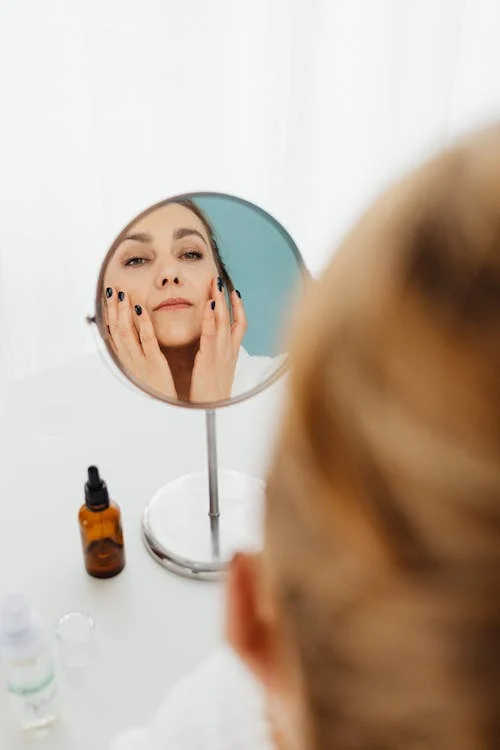
This season’s beauty trends naturally align with minimalist philosophy. Warm, understated makeup emphasizing healthy skin rather than heavy coverage dominates runways and real life alike.
Toasty, Radiant Complexions
Fall 2025 celebrates “latte skin”—warm-toned, naturally glowing complexions achieved through skincare rather than makeup. Terracotta and cinnamon-tinged blushes applied sparingly enhance natural warmth. The goal is looking well-rested, not obviously made-up.
Lightweight tinted moisturizers replace full-coverage foundations. Skin texture remains visible—an intentional choice celebrating real faces over filtered perfection. Strategic concealer addresses specific concerns without masking entire complexions.
The No-Mascara Movement
Perhaps skinimalism’s most visible manifestation: abandoning mascara entirely. Lash lifts, growth serums, and natural treatments replace traditional volumizing products. This choice represents confidence in natural features and rejection of beauty “requirements”.
Bare lashes paired with glowing skin create surprisingly polished aesthetics. The look feels modern, effortless, and refreshingly honest. Removing one product seems minor but symbolically powerful—if mascara isn’t mandatory, what else can we release?
Bitten Berry Lips
Rich, diffused lip colors replace harsh liner and opaque coverage. The “French girl” aesthetic of naturally stained lips suits minimalist routines perfectly. Quick application, low maintenance, effortlessly chic.
Troubleshooting Common Concerns
“My skin needs multiple actives—how can minimalism address complex concerns?”
Layer active ingredients thoughtfully rather than simultaneously. Retinol Monday/Wednesday/Friday, vitamin C Tuesday/Thursday/Saturday, exfoliant Sunday. This rotation provides multiple benefits without overwhelming skin.
“Won’t my skin purge when I eliminate products?”
Possible initially as skin adjusts to simplified routines. This temporary reaction differs from true purging caused by active ingredients. Within 2-3 weeks, most people report calmer, clearer skin than under previous complicated regimens.
“How do I know which products to keep?”
Eliminate everything except cleanser, moisturizer, SPF for one week. Reintroduce one product at a time, waiting 5-7 days between additions. This methodical approach identifies what actually benefits your skin versus what you’ve been using from habit.
“Isn’t skinimalism just another trend that will fade?”
Unlike most beauty trends driven by novelty, skinimalism addresses genuine problems—overconsumption, environmental impact, financial strain, and psychological exhaustion. These concerns aren’t temporary, suggesting staying power beyond typical trend cycles.
Your 30-Day Skinimalism Challenge
Week 1: Audit current products. Dispose of expired items, note what you actually use versus own.
Week 2: Strip to essentials only—cleanser, moisturizer, SPF. Observe how skin responds to simplicity.
Week 3: Add ONE targeted treatment addressing primary concern. Monitor results closely.
Week 4: Evaluate whether additional products genuinely improve results or just add complexity.
The Cultural Shift Beyond Products
Skinimalism represents broader movements toward conscious consumption, authentic self-presentation, and rejection of manufactured inadequacy. The beauty industry profited immensely from creating insecurities then selling solutions. Consumers increasingly recognize and resist these manipulations.
Real skin—with texture, pores, occasional blemishes—gains acceptance through social media creators sharing unfiltered content. This visibility normalizes natural appearance, reducing pressure for artificial perfection that skincare products supposedly deliver.
Younger generations particularly embrace minimalism across consumption categories. They inherited environmental crises, economic instability, and digital exhaustion. Their beauty choices reflect broader values around sustainability, authenticity, and intentionality.
The pandemic accelerated these shifts by forcing extended periods without access to beauty services and products. Many discovered skin improved during forced simplification. This accidental experiment validated what skinimalism advocates had argued—less intervention often yields better results.
Embracing Your Natural Baseline
Skinimalism ultimately celebrates your skin’s inherent capabilities rather than viewing it as perpetually deficient project requiring constant correction. Healthy skin self-regulates when provided basic support—cleansing, hydration, protection—without excessive interference.
This mindset shift proves most challenging for long-term beauty enthusiasts conditioned to believe skin requires elaborate care. Trusting your complexion’s natural functions feels counterintuitive after years of product dependency. But evidence consistently supports simpler approaches.
Your skin is not broken. It doesn’t need fixing, just appropriate support. The difference between these perspectives determines whether you pursue minimalism from scarcity mindset or abundance awareness. Skinimalism represents the latter—recognizing you already have everything necessary.
October 2025 offers perfect timing for this transition. As seasons change and we naturally reassess routines, consider whether your current approach serves your skin or primarily serves industry profits. The answer might surprise you, and the alternative might transform more than just your complexion.
Begin your skinimalism journey by identifying the three products your skin genuinely needs. Everything else is optional noise. Trust the process, give it time, and prepare to be surprised by how little you actually require for genuinely healthy, radiant skin.