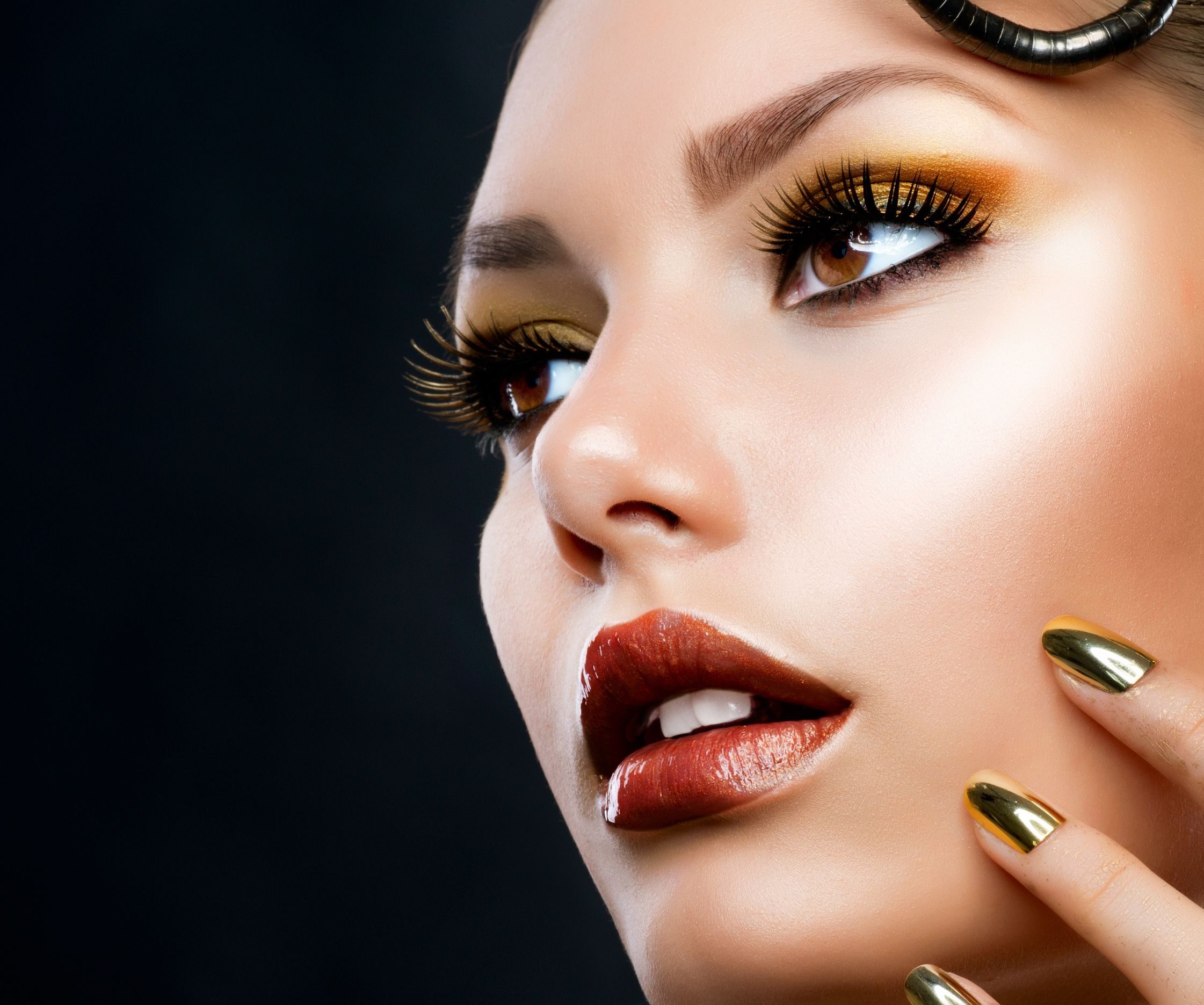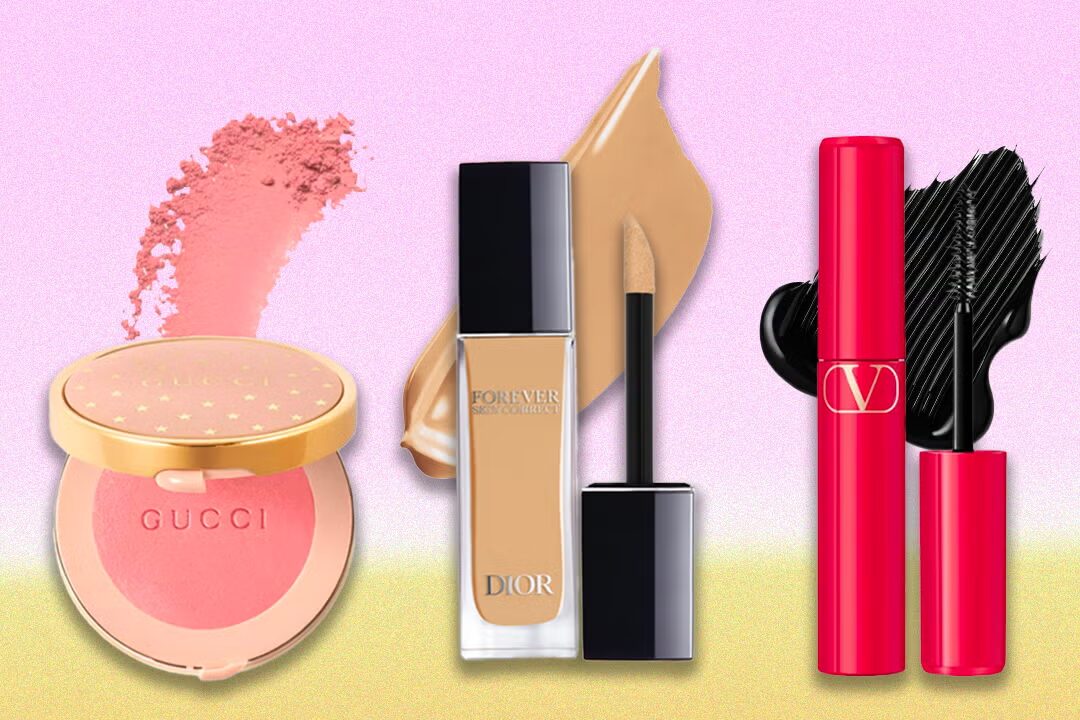
The beauty counter has transformed into a playground of textures. Buttery lip oils that melt like silk. Cloud-light foundations that feel like morning mist. Bouncy hydrogels that spring back with each touch. This isn’t mere product innovation—it’s a fundamental shift in how we define luxury in beauty.
The Psychology Behind the Touch Revolution
Our relationship with beauty products has evolved beyond the visual. Dermatologist Dr. Patricia Wexler explains that touch activates neural pathways linked to emotional well-being. When we stroke a velvet-smooth serum across our skin, we’re not just applying skincare—we’re engaging in a form of self-care ritual.
This sensory awakening coincides with our screen-saturated lives. After hours of digital interaction, our skin craves authentic tactile experiences. Beauty brands have recognized this hunger. They’re crafting products that offer what technology cannot: genuine physical pleasure.
The Texture Hierarchy
Liquid Luxury: Water-light serums that absorb instantly
Cream Dreams: Rich, whipped formulas that cushion skin
Gel Euphoria: Bouncy textures that spring back to touch
Oil Opulence: Silky elixirs that glide without residue
From K-Beauty’s Bouncy Revolution to French Pharmacy Minimalism
Korean beauty pioneered this texture obsession. Brands like Laneige introduced us to sleeping masks with marshmallow-soft consistency. Glow Recipe’s plumping serums feel like liquid glass against fingertips. These aren’t accidents—they’re carefully orchestrated sensory experiences.
French pharmacy brands took a different approach. La Roche-Posay’s thermal water mists create an almost weightless sensation. Avène’s tolerance extreme emulsion feels like silk wrapped in air. The French philosophy: texture should whisper, not shout.
Meanwhile, American brands are embracing maximalist textures. Fenty Beauty’s lip oils feel decadently thick yet disappear weightlessly. Rare Beauty’s liquid blushes have an almost syrup-like consistency that melts seamlessly into skin.
The Science of Sensory Luxury
Texture preferences aren’t random—they’re deeply psychological. Smooth textures subconsciously signal health and youth. Our brains associate creamy consistency with nourishment. Lightweight formulas suggest advanced technology and purity.
Beauty chemists now spend months perfecting sensory profiles. They test viscosity at body temperature. They measure absorption rates down to seconds. They analyze how products feel during application versus after absorption.
Texture Translation Guide
- 🫧 Mousse-like: Airy, cloud-soft application
- 🍯 Honey-thick: Rich, luxurious feel without heaviness
- 💧 Water-light: Instant absorption, invisible finish
- 🕸️ Silk-smooth: Glides effortlessly, no drag or pull
The Makeup Texture Revolution
Foundation formulas now prioritize feel over coverage. Armani’s Luminous Silk literally lives up to its name. The texture glides like liquid fabric across skin. Coverage becomes secondary to the luxurious application experience.
Lip products have undergone the most dramatic transformation. Gone are heavy, waxy lipsticks. Today’s formulas feel like treatment oils. Clarins’ Comfort Lip Oil offers mirror-like shine with zero stickiness. YSL’s Volupté Plump Effect glosses feel cushiony and plumping without the tingle.
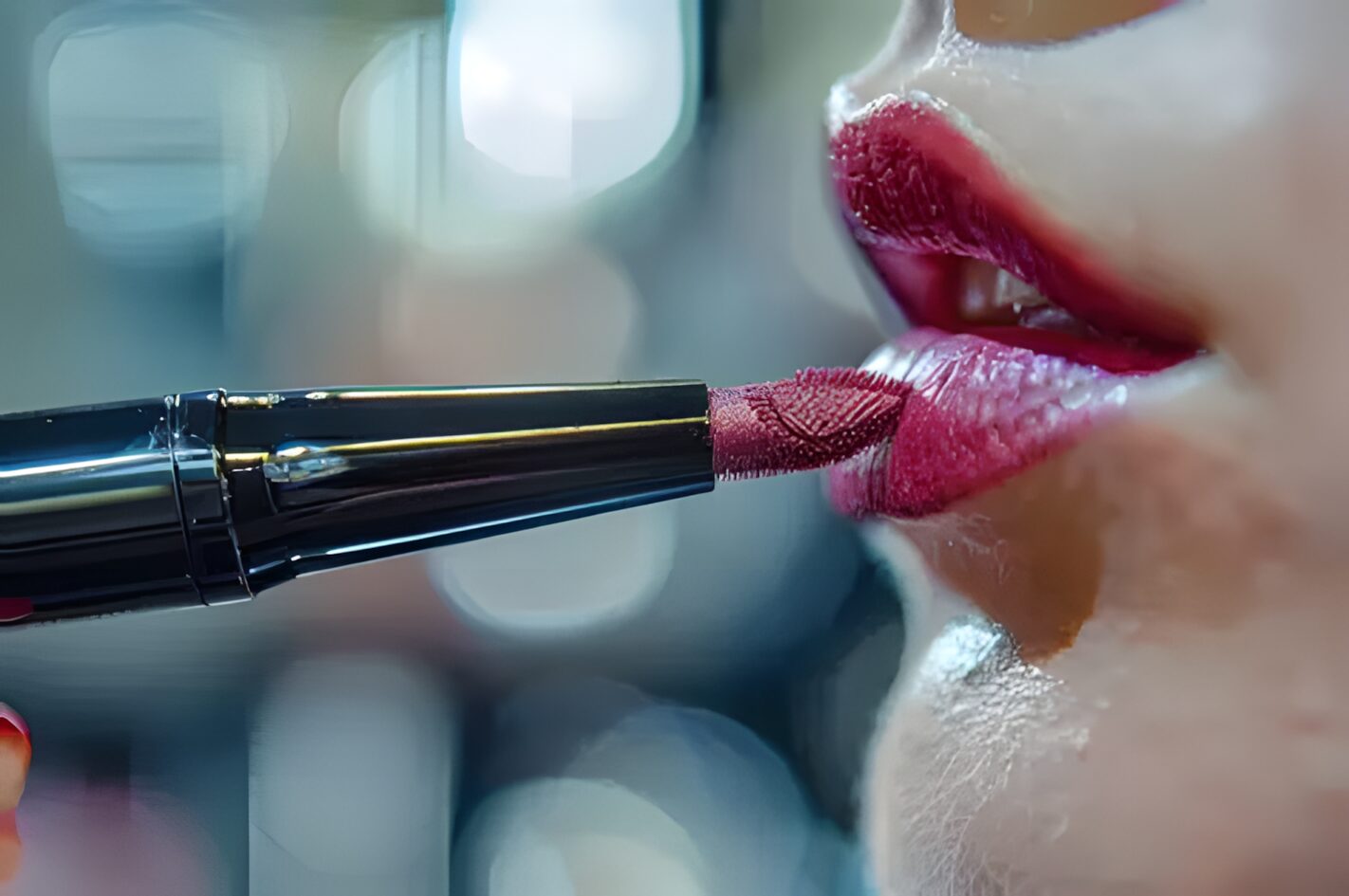
Eye makeup has joined the texture revolution. Cream eyeshadows now feel like silk pressed into powder form. Charlotte Tilbury’s Eyes to Mesmerize collection offers one-finger application with velvet-smooth blendability.
The Ritual of Touch: Creating Your Texture Journey
Building a texture-conscious beauty routine requires strategic layering. Start with the lightest consistency and build up. Water-based serums first, then oils, finally creams. Each layer should enhance, not fight, the previous texture.
Morning Texture Ritual:
- Lightweight vitamin C serum (silk-like slip)
- Hyaluronic acid (gel-bouncy feel)
- Moisturizer with SPF (cream-light finish)
- Makeup primer (velvet-smooth base)
Evening Texture Ceremony:
- Cleansing oil (silk-glide removal)
- Gentle foam cleanser (cloud-soft lather)
- Treatment essence (water-light absorption)
- Night cream (rich, cushioning comfort)
The Future of Tactile Beauty
Emerging technologies are pushing texture boundaries further. Encapsulated serums burst like tiny water balloons on skin. Temperature-reactive formulas warm or cool during application. Shape-memory creams adjust to individual skin needs.
Smart beauty devices now focus on texture enhancement. Facial massage tools amplify product absorption. Sonic cleansing brushes create microscopic foam textures. LED masks warm during treatment, enhancing cream penetration.
Texture Trends to Watch
The texture renaissance reflects our deeper need for authentic experiences in an increasingly digital world. Beauty products have become vehicles for mindfulness, transformation, and self-care. When we smooth a silk-like serum across our face, we’re not just skincare—we’re practicing presence.
This tactile revolution isn’t a trend—it’s a fundamental shift in how we experience luxury. In a world of visual overload, touch offers something irreplaceable: genuine, immediate, personal connection. Beauty brands that master this sensory language won’t just win customers—they’ll create devotees.
The future belongs to brands that understand this simple truth: in beauty, how something feels is just as important as how it looks. The texture renaissance has only just begun.