Accessories are fashion’s secret weapon. They transform basic outfits into memorable looks, communicate personality without saying a word, and offer the highest style impact per dollar invested. Yet most people treat accessories as afterthoughts rather than strategic style tools.
In 2025, accessory mastery has become essential for anyone serious about their personal style. It’s not about owning the most accessories—it’s about choosing and styling the right ones with intention and expertise.
The Foundation: Understanding Accessory Hierarchy
Primary Accessories: The Statement Makers
Primary accessories command attention and define your look’s personality. These include handbags, shoes, and bold jewelry pieces. Choose one primary accessory per outfit to avoid competing elements.
A statement necklace, bold handbag, or striking shoes can elevate even the simplest outfit. The key is selecting pieces that align with your outfit’s formality level and color palette.
Secondary Accessories: The Harmony Builders
Secondary accessories support and enhance your primary choice. These include belts, scarves, watches, and smaller jewelry pieces. They should complement rather than compete with your statement piece.
Secondary accessories create visual balance and add layers of interest. A silk scarf can soften a structured blazer, while a quality watch adds sophistication to casual looks.
Tertiary Accessories: The Detail Finishers
Tertiary accessories include small items like hair accessories, sunglasses, and delicate jewelry. These pieces add polish and personality without overwhelming your look.
Pay attention to these details—they often make the difference between looking put-together and looking incomplete.
The Power of Proportion: Balancing Visual Weight
Understanding Scale
Accessory success depends on understanding scale relationships. Large accessories work best with simple outfits, while detailed clothing requires more restrained accessories.
Consider your body proportions when selecting accessories. Petite frames suit smaller-scale pieces, while taller figures can handle larger accessories effectively.
The One-Statement Rule
Limit yourself to one major statement accessory per outfit. This prevents visual competition and ensures your chosen piece receives proper attention.
If wearing statement earrings, choose a simple necklace. If carrying a bold handbag, opt for understated shoes. This creates intentional focal points rather than chaotic competition.
Balancing Act
Use accessories to create visual balance. If your outfit is bottom-heavy, add interest near your neckline with earrings or a scarf. Top-heavy looks benefit from attention-drawing shoes or handbags.
Strategic Jewelry Styling
The Neckline Connection
Different necklines require different jewelry approaches. V-necks work beautifully with pendant necklaces that echo the neckline’s shape. Crew necks pair well with shorter necklaces or statement earrings.
High necklines leave room for dramatic earrings, while off-shoulder tops call for delicate necklaces that don’t compete with the neckline’s impact.
Layering Techniques
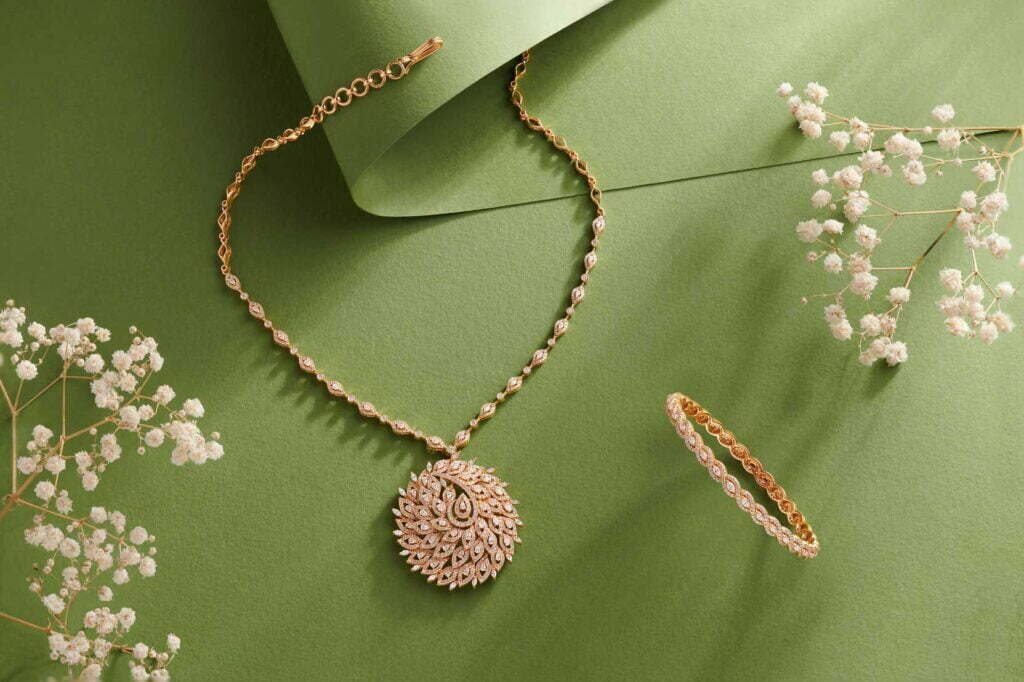
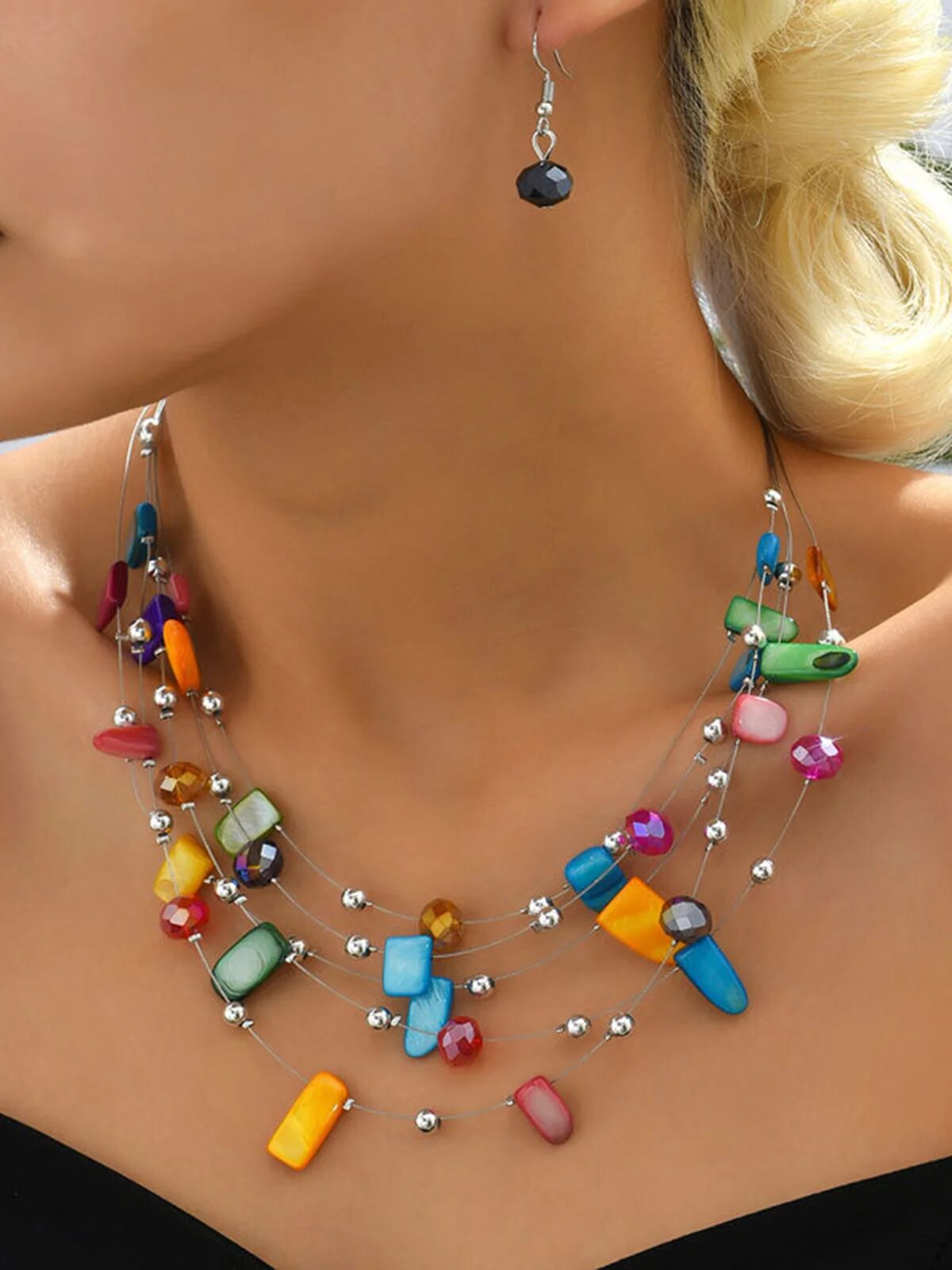
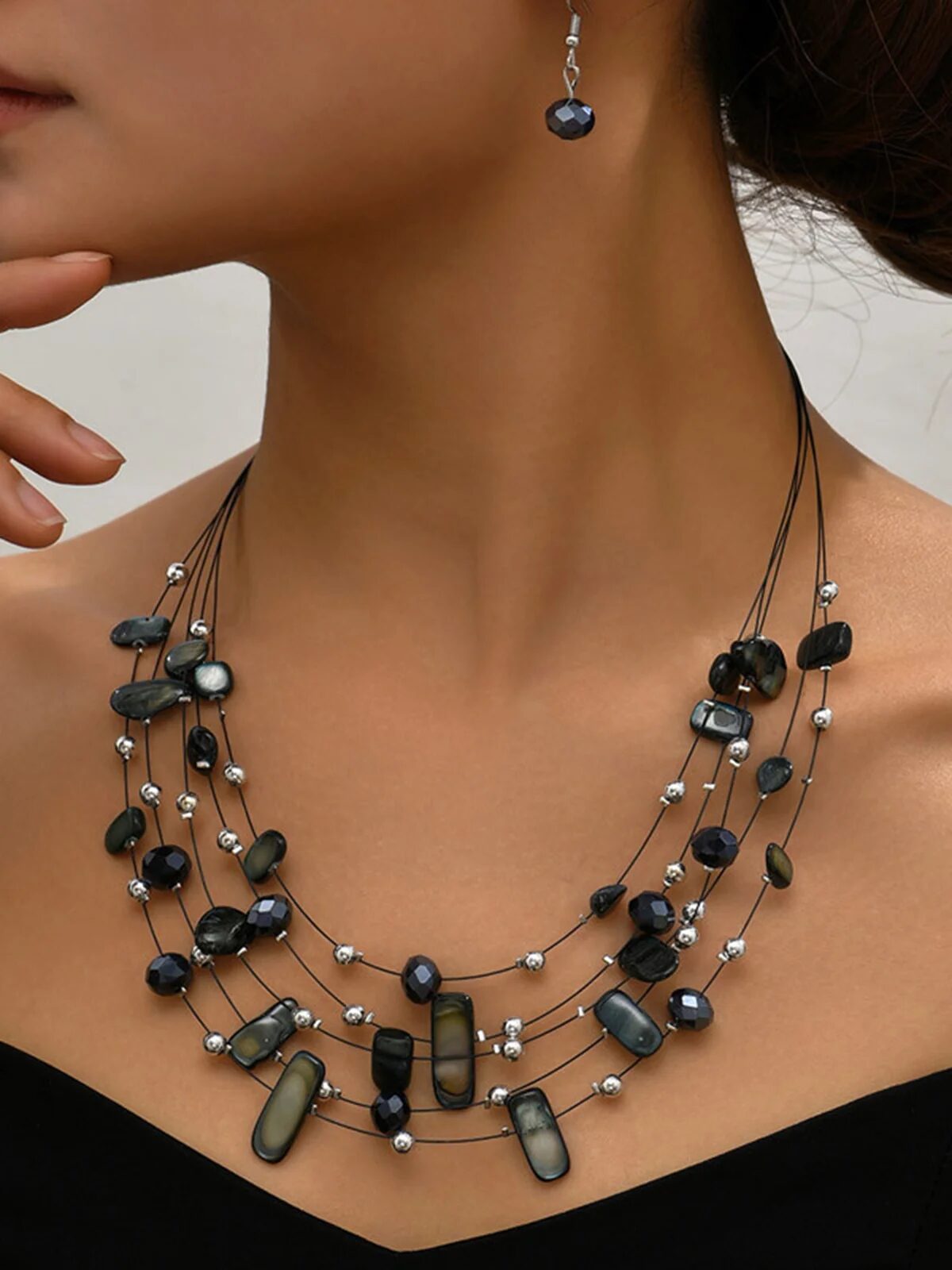
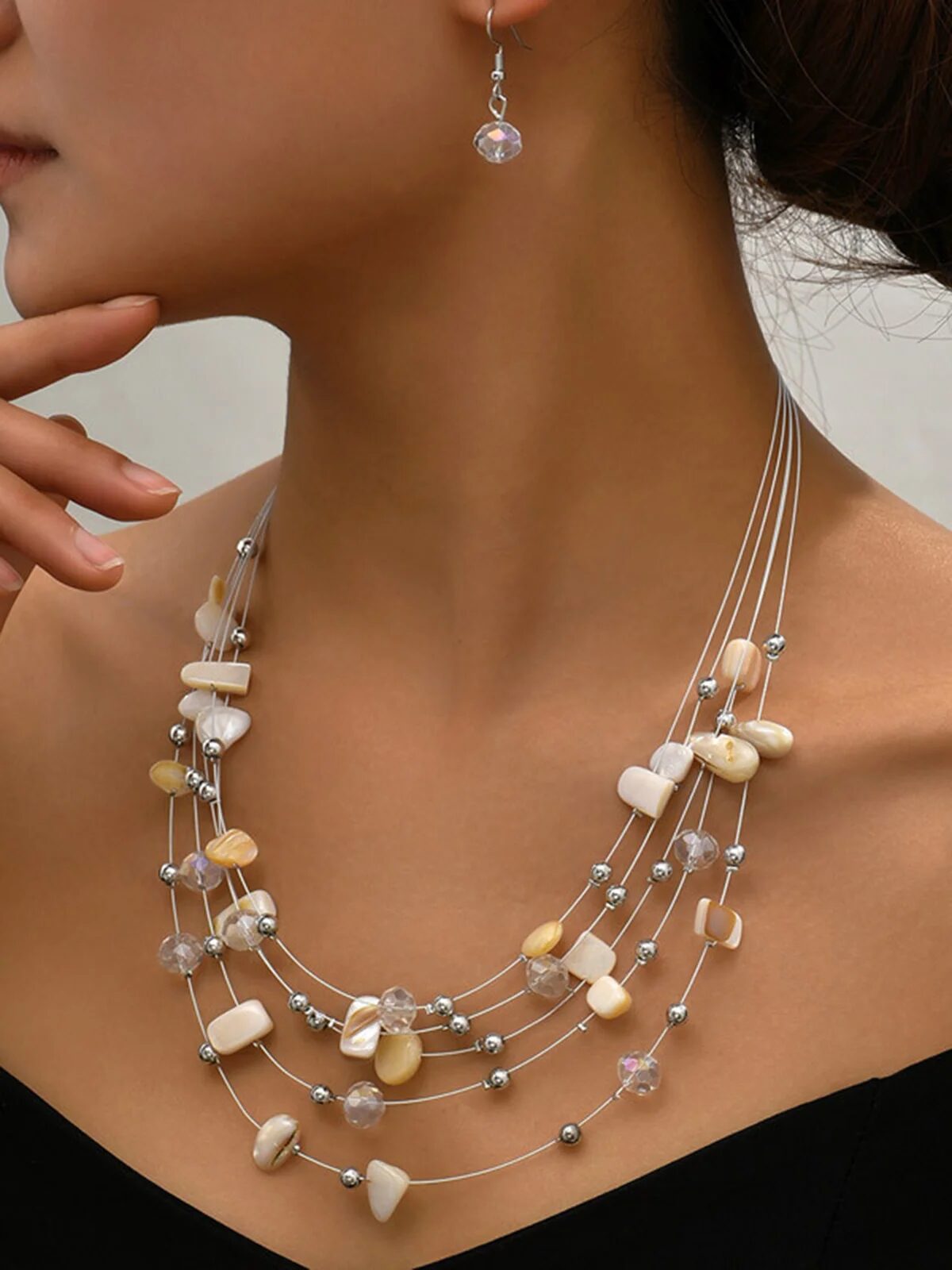
Jewelry layering has become an art form. Start with different lengths and vary pendant sizes. Mix metals carefully—either commit to one metal family or create intentional contrast.
Layer odd numbers of necklaces for visual interest. Three lengths work better than two or four. Ensure each piece remains visible and contributes to the overall effect.
Metal Mixing Mastery
Modern jewelry styling embraces mixed metals when done thoughtfully. Choose one dominant metal and use others as accents. This creates sophisticated complexity without appearing chaotic.
Consider your skin tone when mixing metals. Warm undertones suit gold combinations, while cool undertones favor silver-based mixes.
Accessory Pro Tip
Invest in quality basics first: a good watch, classic earrings, and a versatile handbag. These pieces form the foundation for all other accessory choices.
The Handbag Strategy: Function Meets Style
Size and Occasion Matching
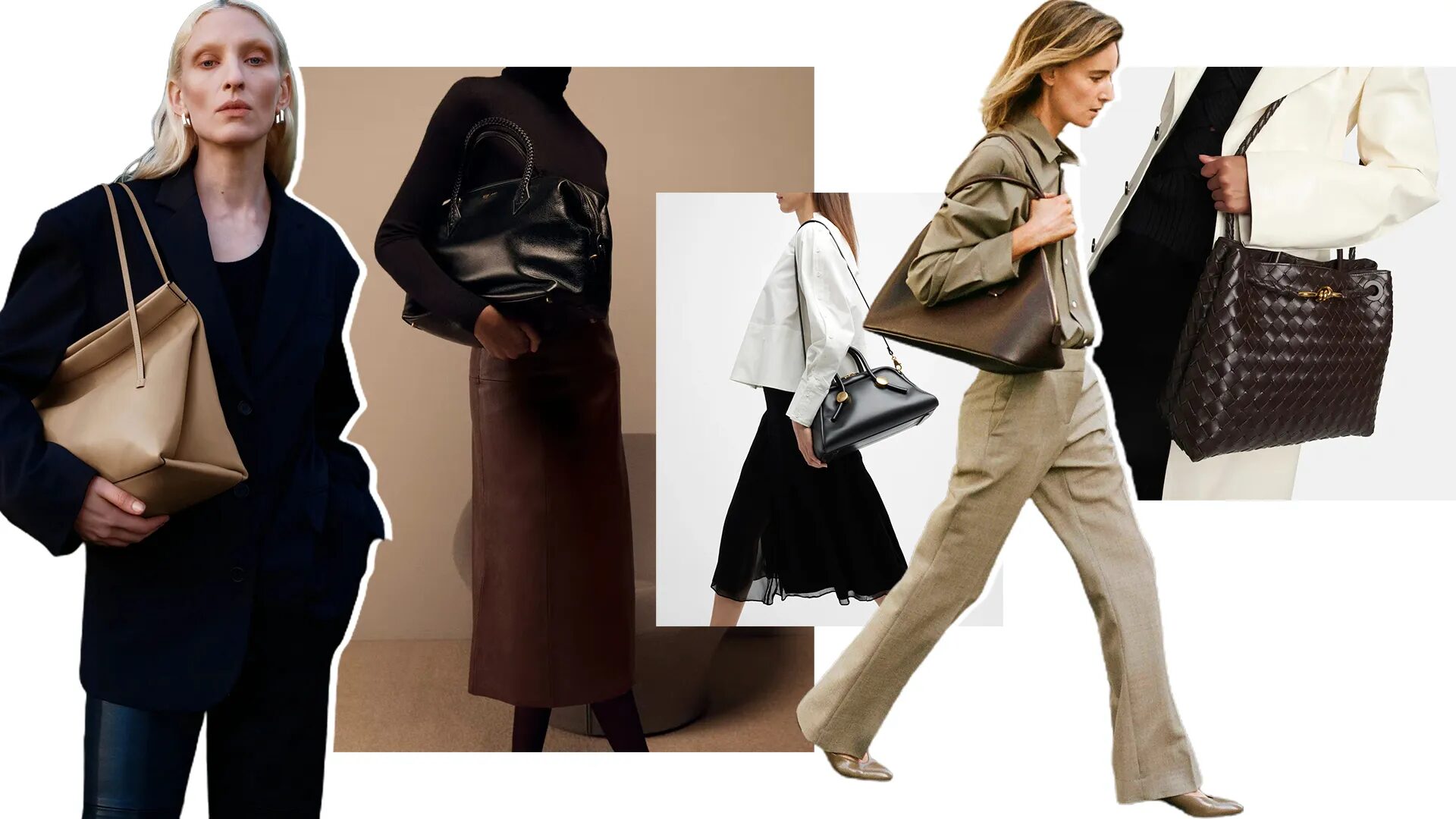
Handbag size should match your day’s requirements and outfit’s formality. Large totes work for busy days but can overwhelm evening looks. Small clutches suit formal events but lack practicality for daily use.
Consider your outfit’s proportions when selecting handbag size. Flowing dresses can handle larger bags, while fitted outfits need more structured, moderate-sized bags.
Color Coordination
Handbag color should either match your outfit’s color palette or provide intentional contrast. Safe choices include neutrals that work with multiple outfits.
Bold colored handbags can serve as statement pieces but require careful outfit coordination. Ensure the bag’s color appears elsewhere in your look for visual cohesion.
Style Versatility
Choose handbags that work across multiple occasions. A structured tote can work for both office and weekend, while a quality crossbody bag transitions from day to evening.
Consider your lifestyle when selecting handbag styles. Busy professionals need functional designs, while social butterflies might prioritize aesthetic appeal.
Shoe Selection: The Foundation of Style
Height and Comfort Balance
Shoe height should match your comfort level and day’s activities. Uncomfortable shoes undermine even the most stylish outfit by affecting your posture and confidence.
Practice walking in new shoes before important occasions. Your stride should remain natural and confident regardless of heel height.
Style Coordination
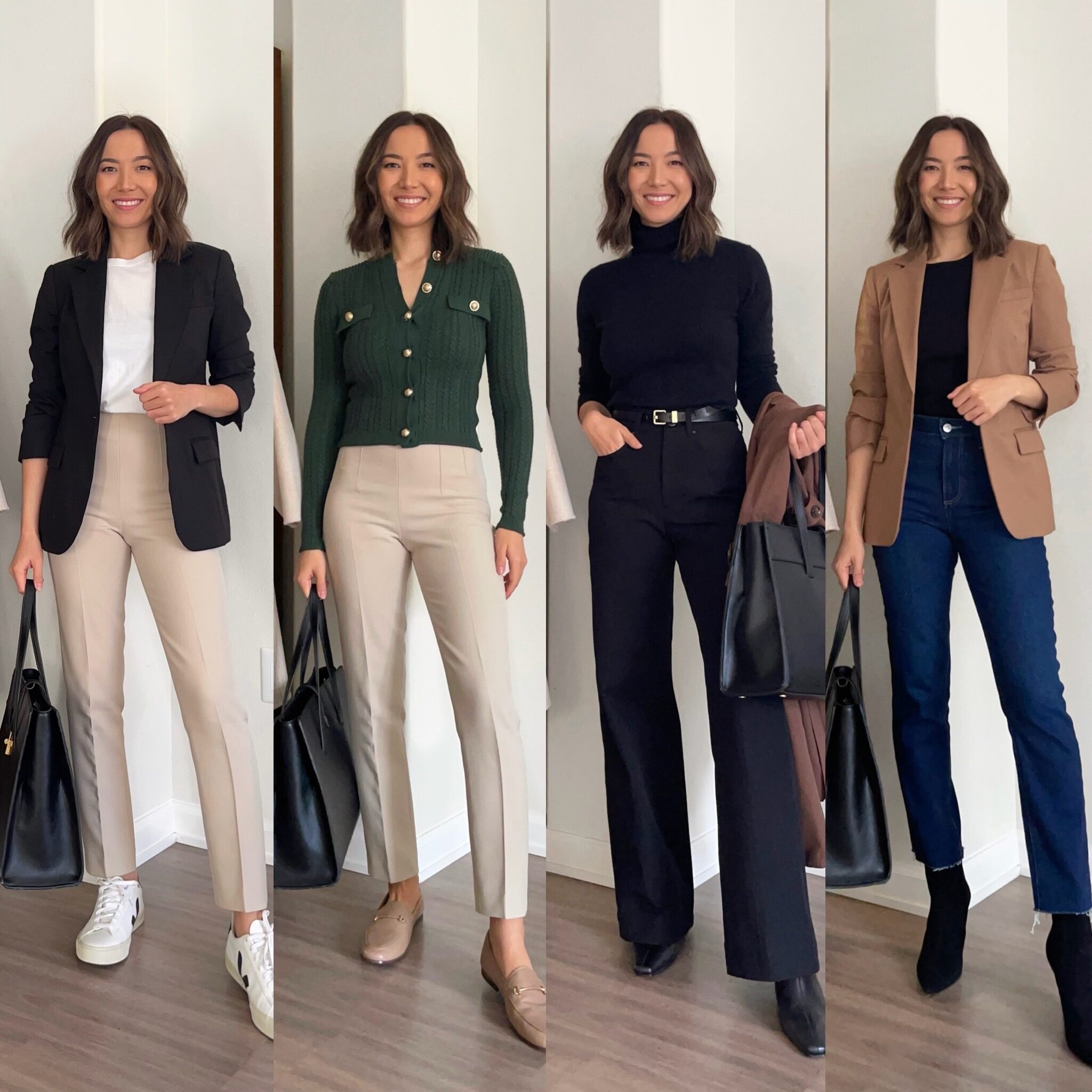
Shoes should complement your outfit’s style and formality level. Sneakers work with casual looks but clash with formal attire. Pumps enhance professional outfits but seem overdressed for weekend activities.
Consider your outfit’s overall vibe when selecting shoes. Edgy looks call for boots or statement sneakers, while romantic styles suit delicate heels or ballet flats.
Color Strategy
Nude shoes elongate legs and work with most outfits. Black shoes provide classic elegance but can create harsh contrast with lighter outfits. Metallic shoes add glamour but require careful coordination.
Consider shoes as either neutral foundations or statement pieces. Choose accordingly based on your outfit’s other elements.
Seasonal Accessory Adaptation
Spring Freshness
Spring accessories should reflect the season’s renewal energy. Light scarves, colorful handbags, and fresh jewelry pieces work well. Avoid heavy or dark accessories that feel out of season.
Choose accessories in spring’s signature colors: soft pastels, fresh greens, and optimistic brights. These pieces should feel lighter and more playful than winter choices.
Summer Sophistication
Summer accessories need to handle heat while maintaining style. Lightweight scarves, breathable materials, and sun-protective pieces become essential.
Straw hats, canvas bags, and minimal jewelry work well in summer heat. Choose pieces that look intentional rather than purely practical.
Fall Richness
Fall accessories can embrace richer colors and textures. Leather goods, warm scarves, and statement jewelry pieces align with autumn’s cozy aesthetic.
Layer accessories for fall’s changing temperatures. Scarves can be added or removed as needed, while versatile bags handle varying weather conditions.
Winter Elegance
Winter accessories serve dual purposes: style and warmth. Quality gloves, elegant scarves, and warm hats should look sophisticated while providing protection.
Choose winter accessories in rich colors and luxurious materials. These pieces often receive extended wear, justifying higher quality investments.
Professional Accessory Guidelines
Industry Considerations
Different industries have varying accessory expectations. Conservative fields prefer understated pieces, while creative industries allow more expression.
Research your industry’s norms before investing in professional accessories. What works in fashion might not suit finance, and vice versa.
Meeting Appropriateness
Consider your day’s schedule when selecting accessories. Important meetings call for conservative choices, while creative sessions allow more personality.
Avoid accessories that create distractions during presentations or important conversations. Your accessories should enhance your message, not compete with it.
Personal Brand Alignment
Choose accessories that support your professional personal brand. If you’re known for creativity, your accessories can reflect that. If you’re building authority, choose more conservative pieces.
Consistency in accessory choices helps build recognition and reinforces your professional image.
Common Accessory Mistakes to Avoid
Over-Accessorizing
The most common mistake is wearing too many accessories simultaneously. This creates visual chaos and diminishes each piece’s impact.
Follow the “less is more” principle. Choose fewer, higher-quality pieces that work together harmoniously.
Ignoring Outfit Context
Accessories should enhance your outfit, not compete with it. Avoid adding accessories that clash with your clothing’s style or formality level.
Neglecting Maintenance
Accessories require regular care to maintain their appearance. Tarnished jewelry, scuffed shoes, and worn handbags undermine even expensive pieces.
Establish care routines for your accessories. Regular cleaning and proper storage extend their lifespan and appearance.
Your Accessory Mastery Checklist
- Choose one statement accessory per outfit
- Match accessory scale to your body proportions
- Coordinate jewelry with necklines and outfit style
- Select handbag size based on occasion and outfit
- Ensure shoes match your outfit’s formality level
- Maintain accessories regularly for best appearance
Accessory mastery transforms your wardrobe’s potential exponentially. When you understand how to select, combine, and style accessories strategically, every outfit becomes an opportunity for sophisticated self-expression.
The goal isn’t to own the most accessories—it’s to choose pieces that work together seamlessly while reflecting your unique style perspective. Quality accessories last longer, look better, and provide superior cost-per-wear value.
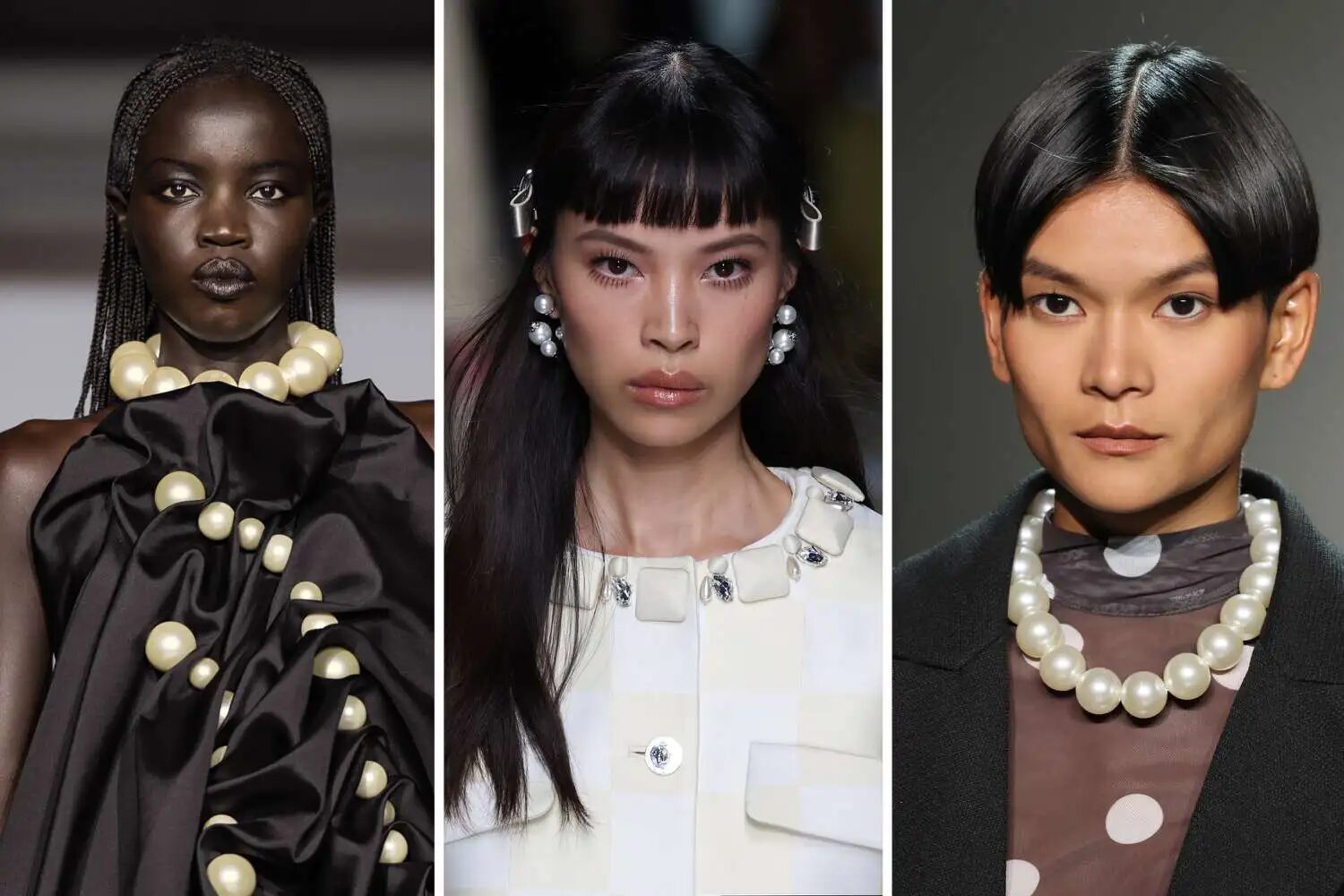
In 2025, accessory intelligence separates style novices from fashion experts. Master these principles, and your accessories will work as hard as your clothing to create memorable, confident looks.
Strategic accessorizing isn’t about following rules—it’s about understanding them well enough to use them effectively in service of your personal style goals.