Fashion has always been cyclical, but rarely has a pendulum swung so dramatically as it has in 2025. After years of whispered luxury and muted palettes, the industry is experiencing what can only be described as a maximalist renaissance—a bold, unapologetic celebration of excess that’s reshaping how we think about personal style.
The Cultural Catalyst Behind Fashion’s Volume Revolution
The shift toward maximalism isn’t merely aesthetic—it’s deeply cultural. After years of algorithmic sameness and what many describe as the “beige-ification” of fashion, consumers are craving authenticity and self-expression. This movement represents more than just clothing choices; it’s a rebellion against the homogenization of personal style that dominated the late 2010s and early 2020s.
The overarching theme for 2025 centers on self-expression—showcasing your authentic self to the world. While personal style has always aimed to reflect individuality, the recent years dominated by understated luxury have shifted, making it more fashionable than ever to dress for your own perspective.
The Maximalist Manifesto
“Maximalism is the aesthetic of the moment—reclaiming style as a cultural narrative, rejecting throwaway culture, and celebrating individuality.”
Deconstructing the New Maximalism: Beyond Chaos
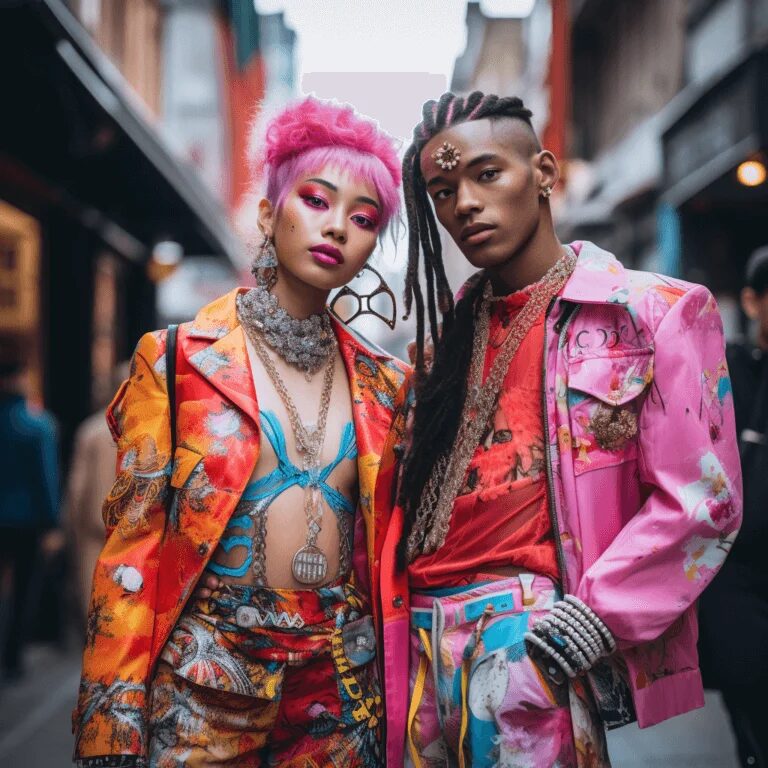
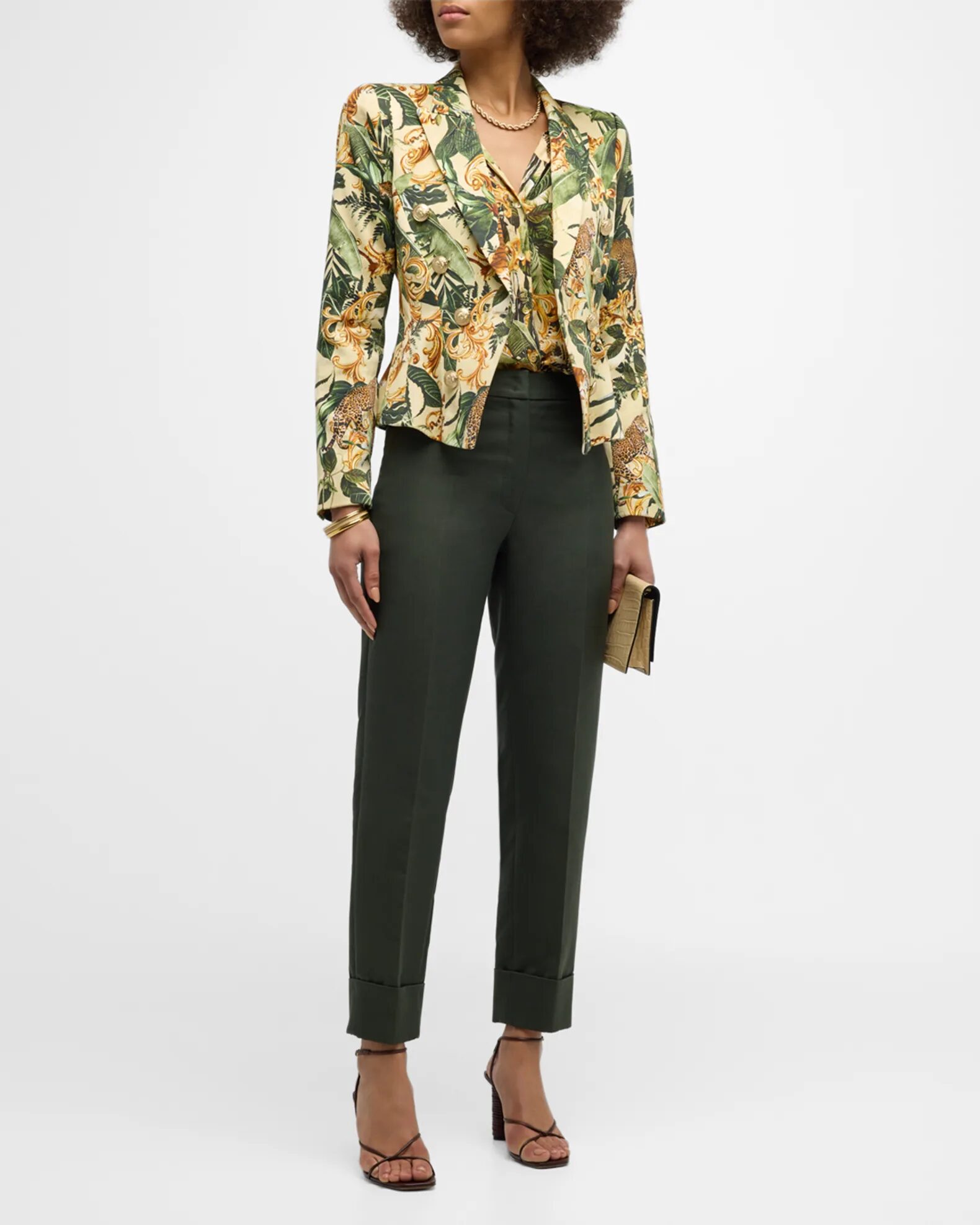
Today’s maximalism is far more sophisticated than its predecessors. It’s not about throwing everything together and hoping for the best—it’s about curated boldness. The “Boom Boom” trend, as fashion insiders have dubbed it, channels a return to playful power dressing with sharp shoulders, bright jewel tones, and statement accessories.
The Architecture of Excess
The new maximalism operates on several key principles:
Structured Silhouettes: Think power blazers with exaggerated shoulders, tailored coats that command attention, and voluminous sleeves that create dramatic movement. These pieces anchor maximalist looks, providing a foundation for layered complexity.
Bold Color Pairings: Emerald with fuchsia, cobalt with cherry, saffron with violet—these aren’t accidental clashes but intentional statements. The key lies in understanding color theory and using it to create visual harmony within apparent discord.
Textural Storytelling: Maximalist fashion thrives on the interplay between materials. Sequins meet knits, leather pairs with tulle, and metallic brocades complement matte fabrics. Each texture adds a layer to the narrative your outfit tells.
The Runway Revolution: From Valentino to Vivienne
The Spring/Summer 2025 runways provided a masterclass in maximalist execution. At Valentino, beaded jackets were worn with ruffled floral chiffon skirts, lace tights, and jewels—a symphony of textures and embellishments that somehow achieved perfect harmony. Saint Laurent showcased brocade pieces mixed with lace blouses and satin skirts, proving that maximalism can be both opulent and elegant.
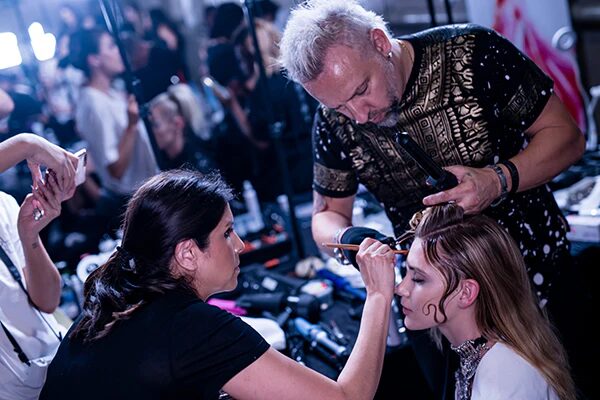
Louis Vuitton’s approach was particularly noteworthy, with swinging rope necklaces layered over blouson tweeds, creating movement and visual interest that captured the essence of joyful dressing. These collections demonstrated that maximalism isn’t about volume for volume’s sake—it’s about creating emotional resonance through visual impact.
The Psychology of Bold Dressing
What drives this shift toward maximalism? Fashion psychologists suggest it’s a response to years of uncertainty and constraint. Maximalist fashion serves as dopamine dressing on steroids—clothing that doesn’t just lift your mood but announces your presence and personality to the world.
The trend reflects a broader cultural desire to break free from conformity. In an era where social media algorithms often push us toward sameness, maximalist fashion becomes an act of rebellion—a way to assert individuality in a world that increasingly values uniformity.
Maximalist Styling Formula
- Start with Structure: Anchor your look with one well-tailored piece
- Layer with Purpose: Each addition should serve the overall narrative
- Balance Proportions: If you go big on top, streamline the bottom
- Embrace Asymmetry: Intentional imbalance creates visual interest
Making Maximalism Wearable: The Art of Accessible Excess
The beauty of 2025’s maximalist movement lies in its accessibility. You don’t need a designer budget to participate—you need vision and confidence. The trend encourages mixing high and low, vintage and contemporary, creating looks that feel personal rather than prescribed.
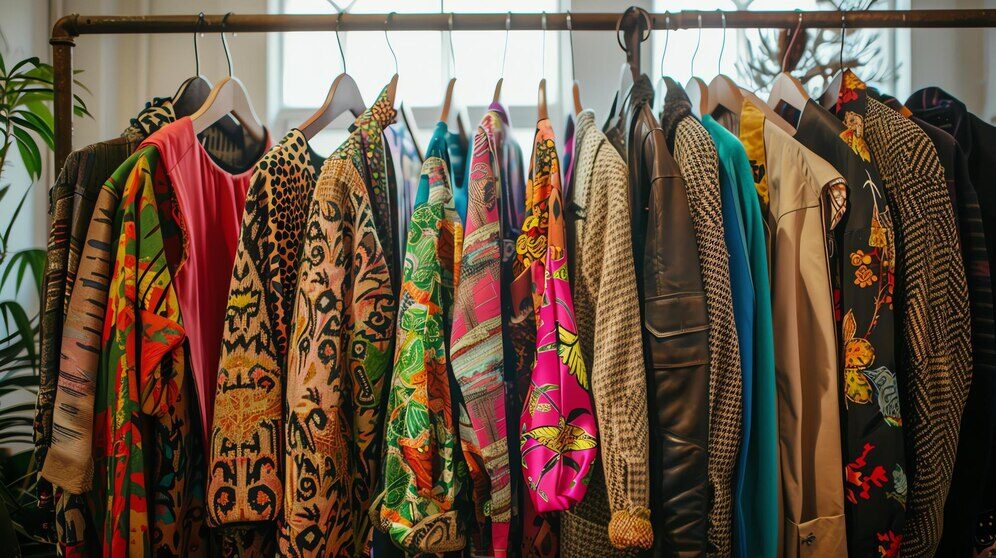
For the maximalist novice, start small. Add a statement earring to a simple outfit, layer a patterned scarf over a solid blazer, or introduce a pop of unexpected color through your accessories. The goal isn’t to overwhelm but to express—to let your personality shine through your clothing choices.
The Future of Fashion Expression
As we move deeper into 2025, maximalism represents more than a trend—it’s a philosophy. It challenges the notion that good taste must be quiet, that elegance requires restraint, and that fashion should whisper rather than sing.
This movement toward expressive dressing reflects a broader cultural shift toward authenticity and self-celebration. In a world that often feels chaotic and uncertain, maximalist fashion offers a way to take control of our narrative, to dress not for others’ approval but for our own joy and expression.
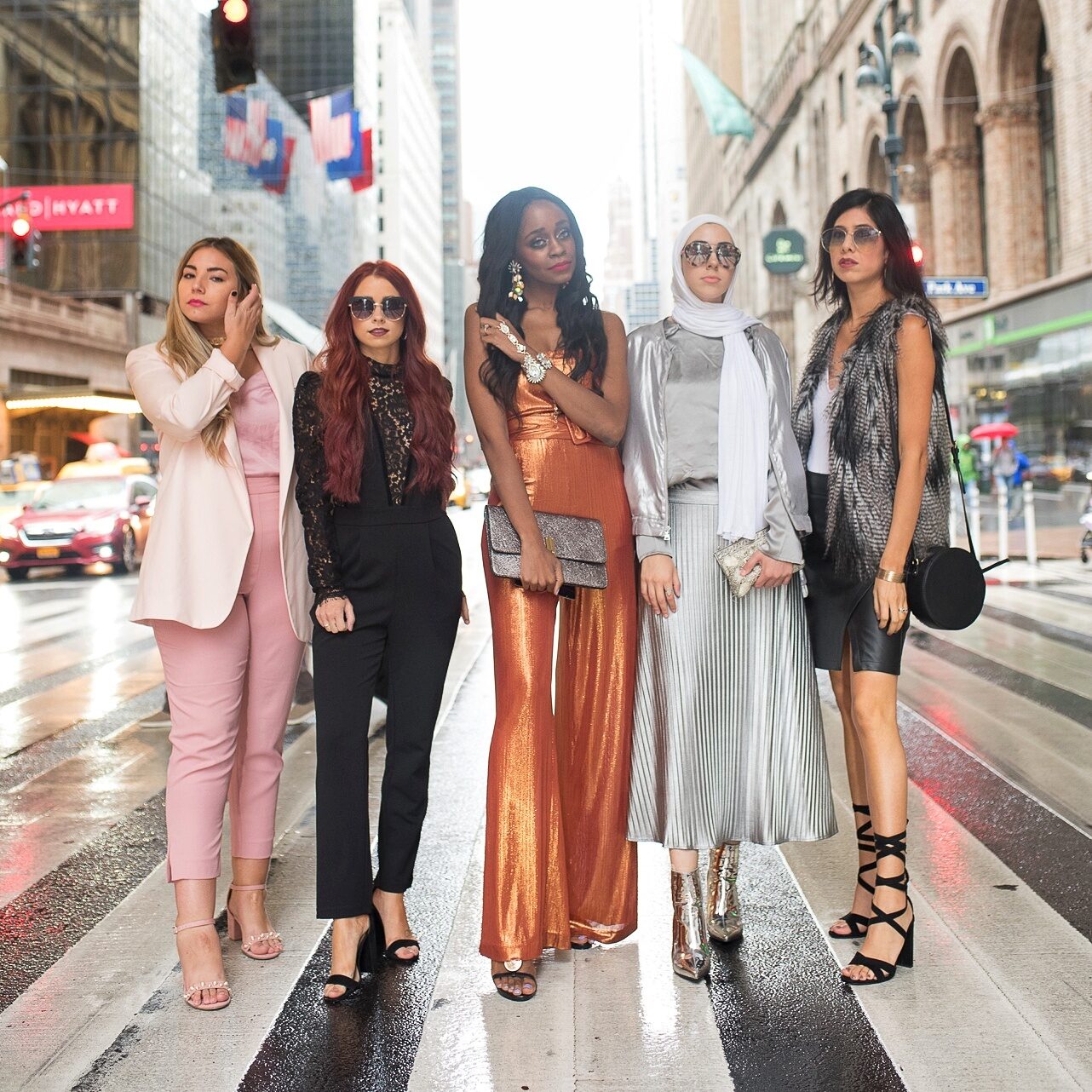
The maximalist renaissance of 2025 isn’t just about wearing more—it’s about being more. More authentic, more expressive, more unapologetically yourself. In a fashion landscape that has long prioritized conformity over creativity, this movement offers something revolutionary: permission to be boldly, beautifully, authentically you.
As accessories like bag charms and hair ornaments become ubiquitous, and asymmetrical shapes introduce visual excitement, we’re witnessing fashion transform from a uniform into a language—one that speaks in bold colors, dramatic silhouettes, and the confident declaration that more, indeed, can be more.