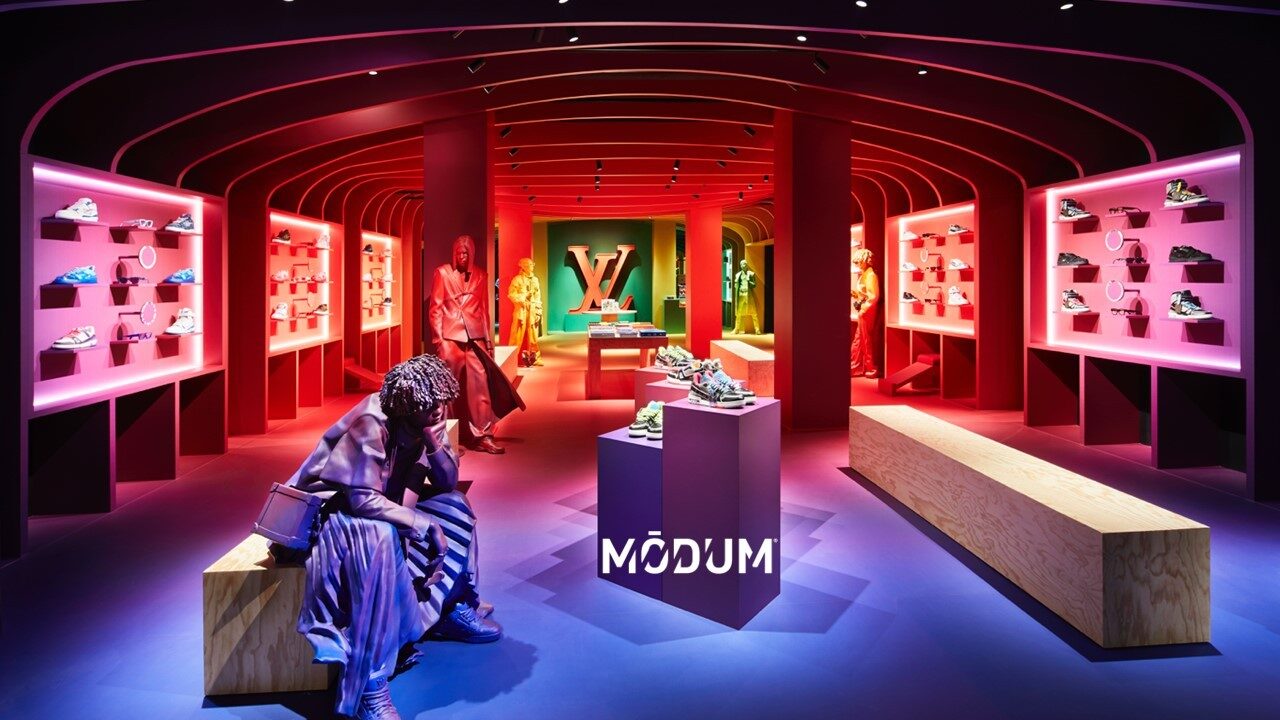
Prada’s $180 million Miami Design District complex opened in November 2024 with a notable omission. The ground floor contains no retail space. Instead, visitors encounter a meditation garden, an art installation featuring rotating contemporary artists, and a chef’s table restaurant with a six-month waiting list. Shopping happens on the second floor, almost as an afterthought. The building’s design hierarchy reveals a fundamental shift: Prada isn’t selling bags anymore. They’re selling the feeling of being someone who enters that garden.
This architectural choice represents luxury fashion’s most profound transformation in 50 years. The industry has quietly shifted from product-based business model to experience-based psychology. Goods remain important, but as evidence of participation rather than primary purchase motivation. Consumers don’t buy a $3,000 Bottega Veneta bag because they need leather goods. They buy entry into a feeling state. They purchase identity validation. They invest in belonging to communities defined by shared aesthetic sensibilities and values.
The experience economy in luxury fashion operates on different principles than traditional retail. Success metrics have changed. Customer lifetime value matters more than transaction size. Emotional engagement trumps conversion rates. Brands invest millions in touchpoints that generate zero direct revenue. This seems irrational until you understand the psychology: experiences create stronger brand loyalty than products ever could. A great handbag delivers satisfaction. A transformative brand experience delivers identity.
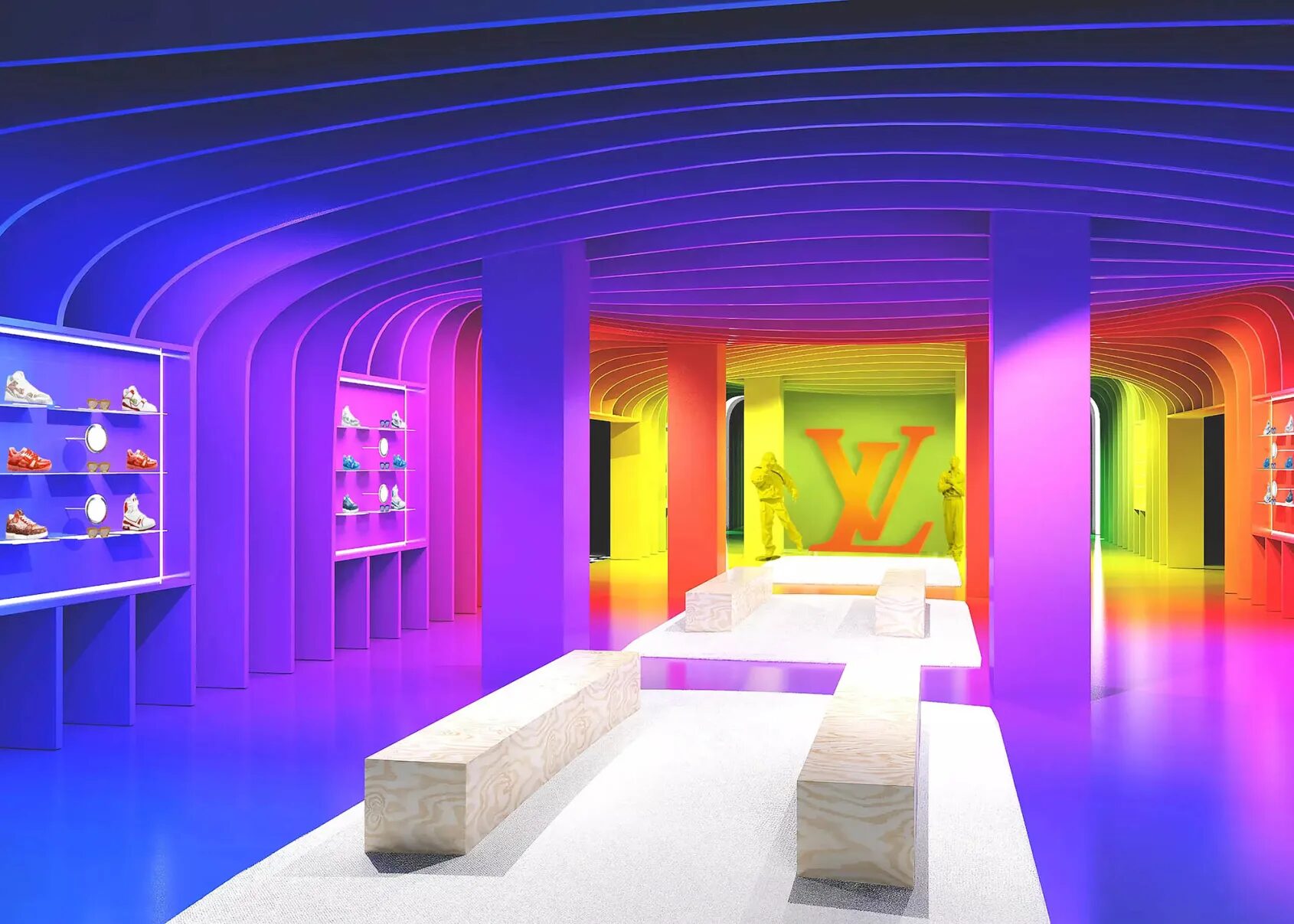
The Death of Transactional Luxury: A Brief History
Luxury fashion operated transactionally for most of its history. Hermès made saddles. People bought saddles. The relationship ended at checkout. Exceptional product quality justified premium pricing. Craftsmanship provided value. Customers returned because items performed reliably. This model worked for 150 years.
The shift began in the 1990s. Tom Ford at Gucci pioneered luxury as lifestyle rather than product category. He staged theatrical runway shows that communicated attitude. He opened flagship stores designed as stage sets. He created advertising that sold aspiration more than goods. The strategy worked spectacularly. Gucci’s revenue grew 90% between 1994 and 1999. More importantly, customers developed emotional attachment to the brand itself rather than individual products.
Other houses watched and learned. By the early 2000s, every luxury brand invested heavily in retail environments, runway spectacles, and lifestyle marketing. They hired celebrity creative directors who became brands themselves. Karl Lagerfeld at Chanel, John Galliano at Dior, Alexander McQueen at Givenchy—these designers created cultural moments that transcended fashion. Customers bought products as souvenirs of participating in these cultural phenomena.
The 2008 financial crisis accelerated the transformation. Suddenly, conspicuous consumption felt tone-deaf. Logos seemed gauche. Luxury brands faced existential challenge: how to justify premium pricing when overt display became socially unacceptable? The answer lay in experience. They shifted from selling visible status to selling internal transformation. You bought Céline not to show off but to feel like the sophisticated woman in their campaigns. The purchase validated self-concept rather than projecting to others.
Social media’s rise between 2010 and 2020 completed the shift. Instagram and Pinterest turned lifestyle into currency. Brands realized they competed not just with other fashion houses but with travel, dining, wellness—anything competing for share of aspirational self-presentation. The response was comprehensive lifestyle positioning. Luxury brands opened restaurants, hotels, spas, bookstores. They curated playlists, published magazines, hosted podcasts. Fashion products became entry points to holistic lifestyle ecosystems.
By 2025, the transformation was complete. Major luxury brands generate 40-60% of revenue from non-apparel categories and experiences. Hermès’ home goods and hospitality division grew 156% between 2020 and 2025. LVMH’s hotel and restaurant holdings now rival their leather goods profits. Chanel Beauty represents their fastest-growing segment not because of product innovation but because of in-store facial experiences that feel transformative.
Three Luxury Brands Mastering Experience Economics
Hermès: The Ultimate Scarcity Theater
Hermès perfected experience-based luxury through strategic unavailability. Their Birkin bag waiting list—now averaging 6-8 years—represents peak experience engineering. The bag’s $12,000-300,000 price tag matters less than the journey to acquire it. Customers must first establish relationships with sales associates. They purchase other items, building purchase history. They visit stores regularly, demonstrating commitment. They receive invitations to exclusive events. Finally, maybe, they get offered a Birkin.
This process is carefully designed psychological journey. Each step validates the customer’s worthiness. The waiting period intensifies desire while creating community among aspirants. The shared experience of “Birkin hunting” bonds customers to the brand more powerfully than actual ownership. Online forums dedicated to Hermès acquisition strategies see more engagement than product reviews. The chase is the product.
Hermès extended this model comprehensively. Their retail spaces feel like private libraries or Parisian apartments rather than stores. Sales associates develop multi-year client relationships. They remember birthdays, style preferences, life events. Shopping becomes intimate conversation rather than transaction. The silk scarf you buy carries memory of the relationship with your sales associate. The emotional weight multiplies the item’s value exponentially.
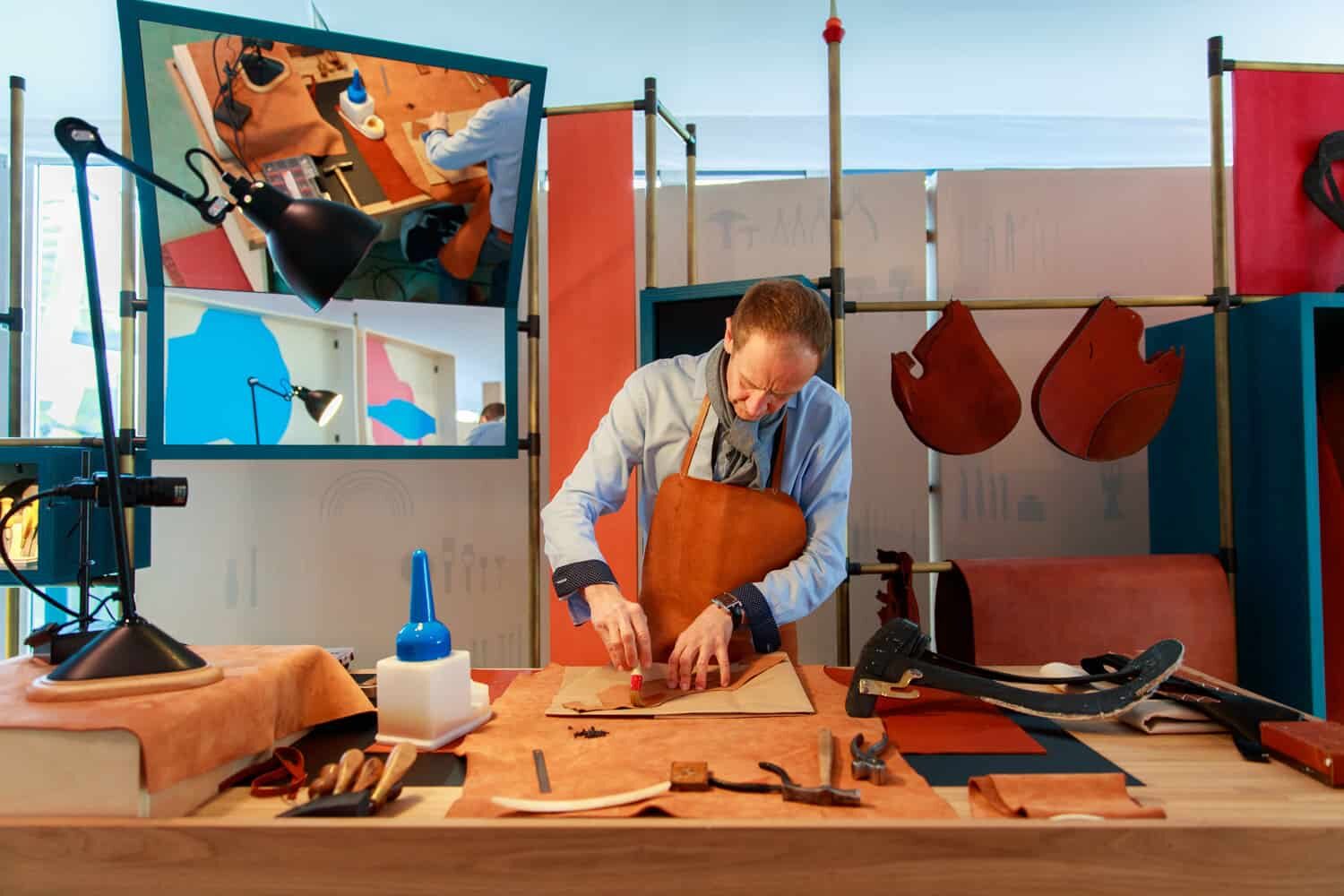
The brand’s events operate identically. Invitation-only atelier visits, private viewings, craftsman demonstrations—these experiences cost Hermès millions annually with zero direct revenue. But they generate immense value through emotional investment. Customers who visit the leather workshop in Paris develop religious devotion to the brand. They’ve witnessed the sacred ritual. They belong to the initiated. Future purchases validate this identity rather than fulfilling practical needs.
Brunello Cucinelli: Humanistic Luxury Philosophy
Brunello Cucinelli built an entire brand on experience philosophy. His company’s stated mission is “humanistic capitalism”—profit with dignity and meaning. This isn’t marketing speak. Cucinelli pays factory workers 20% above industry standard. He limits production deliberately to prevent worker exhaustion. He restored his company’s headquarters village in Solomeo, Italy, creating an almost utopian corporate campus.
Customers don’t just buy cashmere sweaters. They buy participation in this philosophy. The $2,800 price tag purchases alignment with humanistic values. Shopping becomes ethical statement. The company’s annual revenue of $800 million proves consumers will pay premium for feeling morally superior about their consumption.
Cucinelli’s retail strategy emphasizes this positioning. Stores feature extensive libraries with philosophy texts and art books. Sales staff discuss Aristotle as readily as sweater weights. Customers receive invitations to philosophy conferences and cultural events sponsored by the brand. The intellectual environment attracts customers who see themselves as thoughtful, cultured individuals. Purchasing Cucinelli validates this self-concept.
The brand’s growth—15-20% annually for the past decade—demonstrates experience economy effectiveness. Cucinelli products aren’t dramatically superior to competitors in materials or construction. But the experience of purchasing them provides infinitely more emotional satisfaction. Customers feel they’re supporting ethical capitalism. They’re participating in cultural preservation. They’re aligned with philosophical principles. The sweater is simply evidence of this alignment.
Jacquemus: Instagram-Native Experience Design
Simon Porte Jacquemus built his brand entirely around experience in the Instagram age. His runway shows become pilgrimage destinations. The Spring 2020 lavender field show in Provence attracted 50,000 spectators for 200 seats. The June 2021 wheat field show was live-streamed to 2.3 million viewers. These productions cost $3-5 million each—more than many brands spend on entire seasonal marketing.
The investment makes sense in experience economy terms. Those shows generated an estimated $50 million in earned media value through social sharing. More importantly, they created aspirational moments that consumers desperately wanted to participate in. Attending became the ultimate luxury experience. Purchasing Jacquemus products became the accessible proxy for that attendance.
Jacquemus extended this strategy to retail. His Paris flagship opened in 2021 as Instagram set designed to photograph perfectly. Every corner offers photo opportunity. The design encourages customers to share their visit. This turns shoppers into brand ambassadors. They’re not buying clothes—they’re buying shareable moments that construct their online identity.
The brand’s “Le Bambino” bag exemplifies the strategy. The $540 micro-bag holds almost nothing. Its utility approaches zero. But it photographs beautifully. It signals fashion knowledge. It demonstrates participation in Jacquemus’s aesthetic world. The brand sold 100,000 units in the first year. Customers weren’t buying functional leather goods. They were buying entrance to a community defined by shared aesthetic values.
“We’re not in the business of making clothes anymore. We’re in the business of creating emotional architecture—spaces, moments, and feelings that people want to inhabit. Products are the keys we sell to enter those spaces.” — Anonymous luxury brand CEO, speaking at 2024 Luxury Marketing Forum
The Psychology Behind Experience-Based Consumption
Consumer psychology research explains experience economy’s effectiveness. Dr. Thomas Gilovich at Cornell University has studied experiential purchases for three decades. His research consistently shows experiences provide more lasting satisfaction than material goods. Physical items adapt into background of life quickly. Experiences integrate into identity permanently.
This happens because experiences become part of self-narrative. You are someone who attended that Jacquemus show. You are someone who made the Hermès pilgrimage. These experiences can’t be taken away. They’re immune to comparison in ways products aren’t. Someone might have a nicer bag, but they didn’t have your specific experience acquiring it. This psychological permanence justifies premium investment.
Social bonding through shared experiences also drives value. Luxury brand communities form around participation in brand experiences rather than product ownership. These communities provide belonging and validation. Humans are tribal creatures. We’ll pay enormous premiums to belong to desirable tribes. Luxury brands recognized this and architected tribes around their ecosystems.
The self-concept validation mechanism proves most powerful. People don’t see themselves as consumers seeking goods. They see themselves as sophisticated individuals with refined taste. Luxury brand experiences validate this self-concept far more effectively than products alone. Walking through Prada’s meditation garden confirms you’re the person who appreciates contemplative spaces. The feeling has no price point.
Neuroscience supports these psychological findings. Brain imaging studies show experiences activate regions associated with identity and memory more intensely than possessions. The neural pathways created by experiences prove more durable. From biological perspective, we’re literally wired to value experiences over things. Luxury brands have simply learned to exploit this hardwiring.
The paradox is that this knowledge doesn’t diminish the effect. Even understanding the manipulation, consumers still respond to well-crafted experiences. The feelings are genuine even if strategically engineered. A beautiful space feels beautiful regardless of commercial intent. Community feels meaningful even when manufactured. The authenticity of emotional response matters more than the authenticity of experience creation.
Economic Implications: Pricing Feelings vs Pricing Products
Traditional luxury pricing followed transparent logic. Materials cost X. Labor costs Y. Brand premium adds Z. Final price equals X+Y+Z+margin. Customers could evaluate whether prices seemed fair relative to costs. This transparency created pricing ceilings. You can only charge so much above material and labor costs before customers rebel.
Experience economy pricing operates on different principles. You can’t itemize the cost of feelings. How much should contemplative garden access cost? What’s the fair price for community belonging? These questions lack answers, which liberates pricing from cost constraints. Luxury brands can charge whatever the experience feels worth emotionally rather than what it costs materially.
This explains luxury’s profit margin expansion. In 2000, average luxury goods gross margins ran 60-65%. By 2025, they’ve reached 75-85% at major houses. The increase doesn’t reflect production cost decreases. It reflects the experience premium. Customers pay for the complete emotional journey, not just physical goods. That journey costs the brand heavily in real estate, events, and staffing. But it justifies exponentially higher product prices.
The economics favor brands dramatically. A $50 million flagship store with meditation garden generates minimal direct revenue. But it allows 30% price premiums on products across entire distribution network. The investment pays back multiplicatively. Physical stores become marketing expenses that justify higher prices globally rather than retail locations that must generate local profit.
This model requires scale. Only brands with substantial distribution can justify $50-100 million experiential flagships. Smaller luxury brands struggle to compete. This accelerates industry consolidation. LVMH, Kering, and Richemont can outspend independent brands on experience infrastructure. Their economies of scale create competitive moats that traditional product quality can’t match.
- Experience investments shift from cost centers to margin expansion tools
- Pricing disconnects from material costs, connecting instead to emotional value
- Scale advantages in experience economy exceed those in product economy
- Independent luxury brands face structural disadvantages against conglomerates
The Accessibility Paradox: Exclusive Feelings for Mass Markets
Luxury brands face inherent tension in experience economy. Experiences require participation. But luxury requires exclusivity. Making experiences accessible undermines the scarcity that creates luxury value. Yet limiting access reduces revenue potential. Brands must navigate this paradox carefully.
The solution involves tiered participation. Flagship experience stores operate in few locations with implicit barriers. You must be in Paris, Milan, or New York to access them. Geographic limitation creates natural exclusivity. These flagships generate immense brand equity affecting global pricing. But most customers never visit them.
Digital experiences provide scale while maintaining aspirational distance. Luxury brands invest heavily in content: documentaries about craftsmanship, virtual store tours, behind-the-scenes runway footage. This content allows millions to participate in brand experience tangentially. They can’t access the physical garden, but they can watch videos about it. This democratization of experience proximity drives mass-market sales while preserving flagship exclusivity.
The brand’s product line reflects this tiering. Entry-level accessories ($300-800) allow broad participation. Everyone can own a piece of the brand. Mid-tier products ($2,000-8,000) serve core customers. High jewelry and couture ($50,000+) remain genuinely exclusive. This pyramid structure maximizes total revenue while maintaining luxury positioning. The experiences pull people in at all levels, but participation tiers correspond to spending.
Some critics argue this democratization kills luxury. If everyone can access brand experiences through digital content, exclusivity disappears. But data suggests otherwise. Aspiration drives more sales than exclusion. Letting people dream about participation—even participate virtually—increases desire for physical products. The key is maintaining clear hierarchy. Full participation remains exclusive while tangential participation is accessible.
Future Evolution: Where Experience Economy Leads
The experience economy will intensify rather than plateau. Luxury brands will invest more heavily in non-product touchpoints. We’ll see more luxury hotels, restaurants, and residential developments. These extensions provide immersive brand experiences beyond retail interactions. Living in an Armani-designed building offers 24/7 brand immersion that shopping can’t match.
Virtual and augmented reality will expand experience possibilities. Luxury brands are developing metaverse environments offering exclusive experiences impossible physically. Virtual fashion shows, digital-only stores, avatar-based communities—these create new participation tiers. The distinction between physical and digital experience will blur. Both will contribute to overall brand relationship value.
Personalization will become expectation rather than luxury. Brands will use data to create individualized experiences for each customer. Your Gucci store visit will differ from mine based on purchase history and preferences. This customization intensifies emotional investment. The brand knows you. They’ve designed experiences specifically for you. That recognition justifies premium pricing more than any product feature.
Sustainability integration will reshape experience content. Luxury consumers increasingly demand ethical production. Brands will create experiences demonstrating their sustainability commitments: factory tours showing worker conditions, material sourcing documentation, repair and restoration services. These experiences address consumer guilt about luxury consumption. They allow customers to feel morally justified about premium spending.
The philosophical question becomes whether luxury brands are creating genuine value or elaborate illusions. They engineer feelings and sell participation in carefully constructed fantasies. Is this manipulation or sophisticated marketing? The answer probably doesn’t matter to consumers. The feelings are real even if engineered. The communities exist even if manufactured. The self-concept validation occurs regardless of commercial intent behind the experience design.
What’s undeniable is that luxury fashion has fundamentally transformed its business model. Products remain important, but as artifacts of participation rather than primary offerings. The real product is the feeling state brands engineer and sell. This shift has profound implications for how we understand luxury, consumption, and identity construction in contemporary capitalism.
Luxury fashion discovered what experience economy theorists have argued for decades: people don’t buy products, they buy better versions of themselves. Every purchase is identity investment. Luxury brands simply became more explicit and sophisticated about engineering that identity transformation. They stopped pretending to sell bags and started honestly selling feelings. The economics rewarded this honesty spectacularly.
The future of luxury lies in ever more sophisticated experience engineering. Brands will study psychology, neuroscience, and behavioral economics to create more powerful emotional responses. They’ll integrate technology seamlessly to personalize and intensify experiences. They’ll build comprehensive lifestyle ecosystems where brand presence touches every aspect of aspirational living.
This might feel dystopian—corporations engineering our emotional lives for profit. Or it might feel honest—acknowledging that luxury has always been about feelings and simply getting better at delivering them. Either way, the transformation is complete and irreversible. Luxury fashion sells feelings now. Products are just the receipts.
Do luxury brand experiences genuinely enrich consumers’ lives, or do they represent sophisticated manipulation that turns emotional needs into profit centers?