Sheer-related content on fashion platforms jumped 190% in the first half of 2026 compared with the same period last year. That number tells a specific story. It says transparency stopped being a red-carpet dare. It became a daily wardrobe habit. Three years ago, a sheer dress made headlines. Today, it makes an outfit. The shift did not happen by accident.
Valentino, Bottega Veneta, and Alaïa spent multiple seasons refining sheer construction on their runways. Their work solved a problem stylists had complained about for years: sheer clothing looked incredible on a runway and terrifying in real life. Layering fixed that. This piece breaks down why the trend won, who is driving it, and how to wear it without feeling exposed.
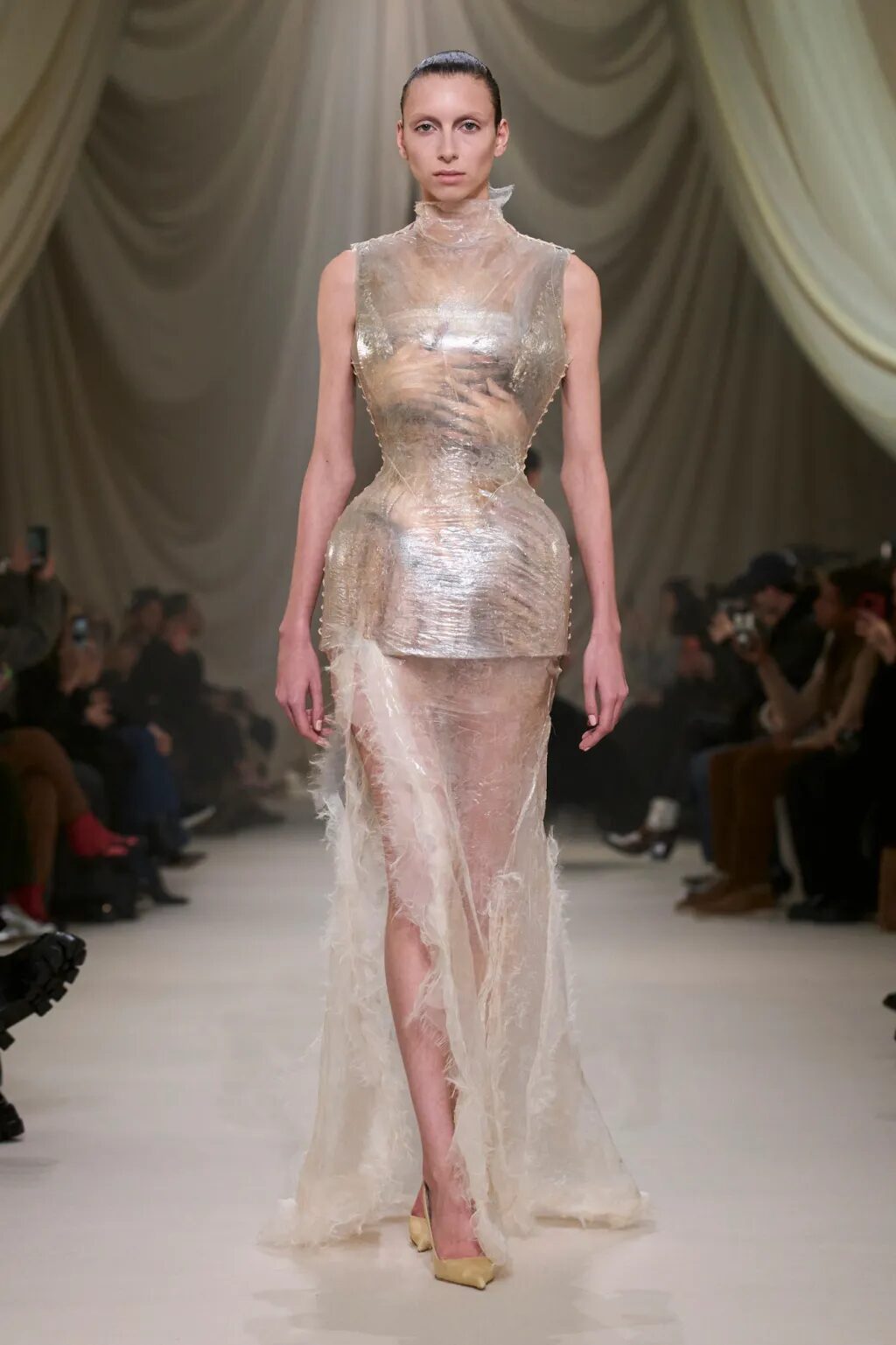
The Data Behind Transparency’s Takeover
Numbers rarely lie in fashion cycles. Sheer styling content outpaced every other trend documented across influencer outfits in early 2026. Street style photographers noticed too. More than half of the most-circulated images from New York and Paris fashion weeks featured sheer layered with tailoring.
That is not a niche moment. That is market consensus. Retailers responded fast. Sheer midi dresses, mesh overshirts, and transparent A-line skirts now sit in mainstream department store windows, not just designer showrooms. The trend crossed from editorial fantasy into shoppable reality within a single season.
Why Sheer Beat Quiet Luxury This Season
Quiet luxury asked people to blend in. Sheer asks them to be seen. That reversal matters. After years of muted beige and understated logos, consumers wanted visibility again. Social media rewarded that shift instantly.
Sheer fabric photographs differently than solid fabric. It catches light. It reveals movement. It creates depth in a still photo that flat cotton simply cannot match. Platforms like Instagram and TikTok reward exactly that kind of visual texture. The algorithm favors motion and shimmer over stillness and matte.
Start experimenting with one sheer piece before committing fully. A mesh top under a blazer costs little confidence and reads as intentional, not accidental. Pair it with a plain camisole underneath for your first outing, then build boldness from there.
The Houses and Names Leading the Look
Three names anchor this trend at the luxury level. Valentino’s Pierpaolo Piccioli layered multiple weights of organza to build color depth within single garments. The result reads sculptural, not exposed. Bottega Veneta took a softer route, letting sheer fabric follow the body’s natural movement rather than fighting it.
Alaïa pushed structure further, using transparency as an architectural tool rather than a surface effect. Meanwhile, Coperni and Mugler took the trend street-facing with mesh, borrowing from sportswear references that feel urban rather than formal. Mesh, being lighter and cheaper to produce, has driven most of the retail-level growth in this category.
Transparency has become a texture and a construction choice rather than a degree of undress.
If luxury organza feels out of reach, look at contemporary labels reworking mesh at accessible price points. A $120 mesh overshirt delivers the same visual language as a couture gown, just scaled for everyday closets.
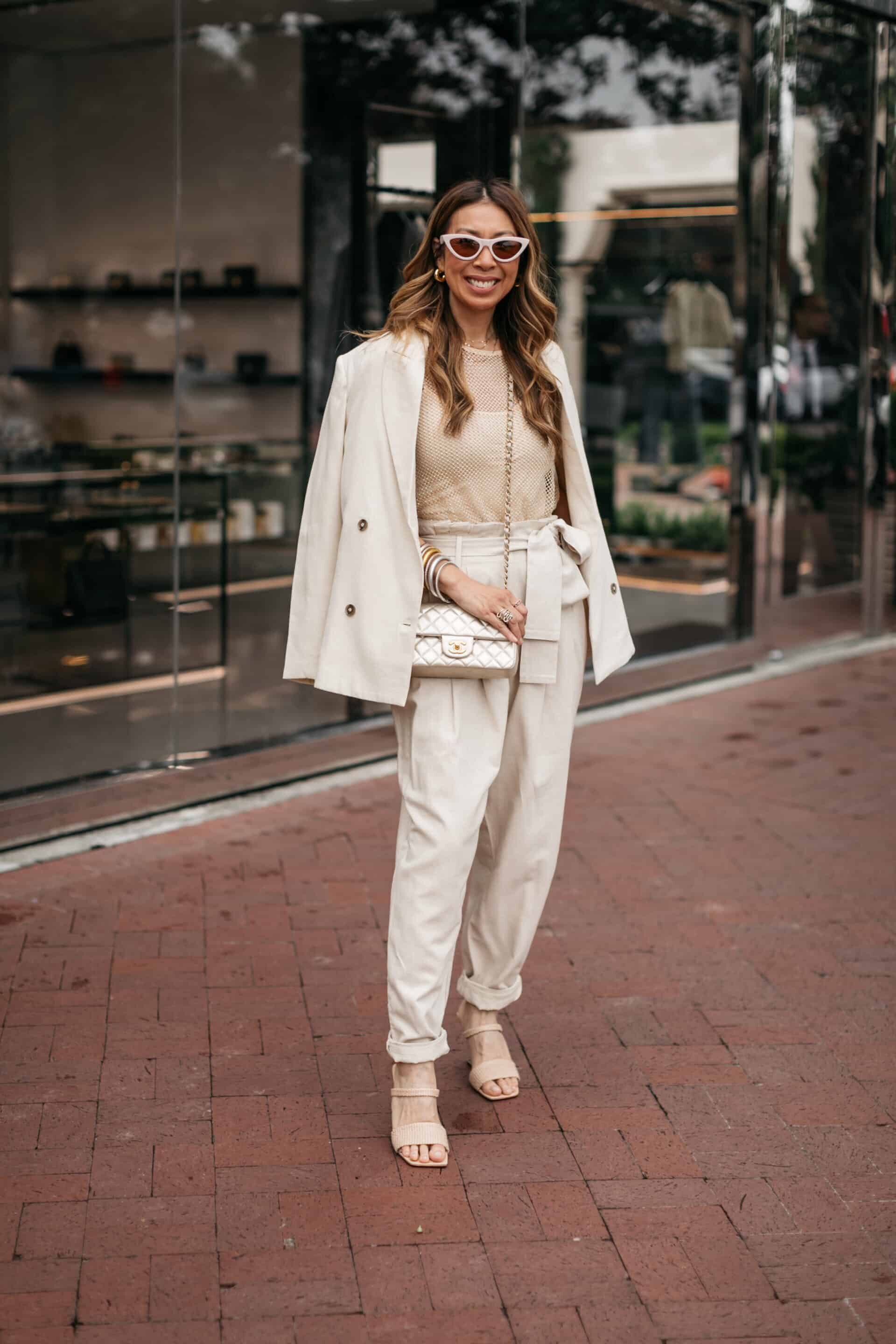
Three Ways to Wear Sheer Without Overexposure
Layering solved sheer’s biggest problem: fit anxiety. Nobody has to worry about a base layer if there is one underneath. Three combinations dominate street style right now.
The first: sheer over basics. A mesh blouse worn over a fitted white tank is the single most photographed combination this season. It requires zero confidence threshold and works for office or errands alike.
The second: sheer under tailoring. A transparent shirt beneath a structured blazer lets the jacket control exposure. Only the collar and lapel line reveal fabric beneath. It reads composed, never accidental.
The third: sheer as the outer shell. A slip dress in sheer fabrication worn over a bodysuit lets the base layer do the heavy lifting entirely. This version works best for evening occasions.
- If you’re a beginner, start by layering mesh pieces over a basic tank top to make the look more approachable.
- For a workplace setting, opt for a “sheer blouse + blazer” combination, allowing you to control the level of transparency.
- For evening occasions, layering a sheer tulle dress over form-fitting shapewear creates a more cohesive look.
- When on a limited budget, prioritize mesh fabrics; items made from mesh are usually less expensive than those made of organza.
Organza, Chiffon, and Mesh: Reading the Fabric
Not all sheer fabric behaves the same way. Organza holds its own shape. It creates volume independent of the body beneath. Touch it and you feel stiffness, almost paper-like. That structure is why Valentino’s organza pieces read as sculpture rather than exposure.
Chiffon moves differently. It drapes. It follows the body like water follows a slope. This fabric feels romantic, soft, almost weightless against skin. Mesh sits at the opposite end entirely. It references sportswear, not eveningwear. Its grid structure creates a modern, almost technical surface quality.
Choose organza if you want a statement piece that holds shape without fitted tailoring underneath. Choose chiffon for soft, movement-driven pieces suited to warm evenings. Choose mesh if budget matters and you want a piece that layers into daily rotation without ceremony.

Where Sheer Goes Next
This trend shows no sign of slowing before autumn. Sustainable sheer fabric development is already underway, with material labs experimenting with eco-conscious mesh alternatives. That innovation will extend the trend’s shelf life well beyond a single summer.
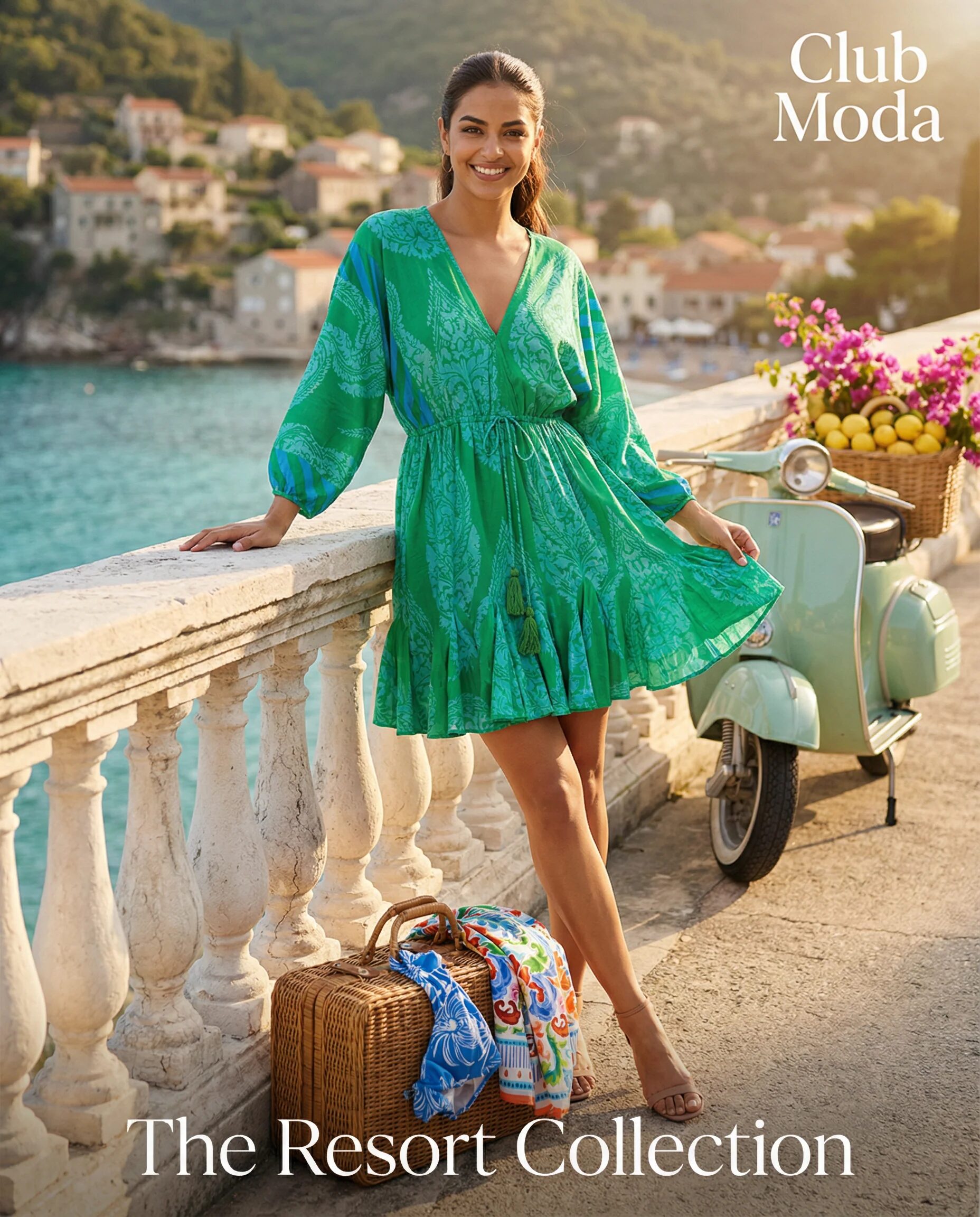
Resort and vacation dressing looks likely to absorb sheer fastest next. Lightweight, breathable, and photogenic, sheer solves summer’s core dressing problem better than almost any other fabric category. Expect vacation capsule collections built entirely around layered transparency by next season.
For long-term wardrobe investment, prioritize one well-made organza piece over several cheap mesh basics. Structure holds value across seasons; flimsy mesh tends to lose shape after a handful of washes. A single sculptural sheer piece will outlast three disposable trend buys.
Sheer’s dominance in 2026 is not a passing accident. It reflects a real shift away from restraint and toward visibility, confidence, and camera-ready dressing. Layering solved the exposure problem that stalled this trend for years. Now transparency reads as intention, not accident. Whether through a mesh top over a tank or an organza gown over tailored trousers, sheer has earned its place as a genuine wardrobe strategy rather than a fleeting shock tactic. Brands and shoppers who understand its layering logic will keep wearing it long after the season ends. The rest will simply watch it pass by.
What’s your entry point into the sheer trend—mesh under a blazer, or full commitment with an organza statement piece?