Depop’s user survey revealed a startling shift in March 2025. 68% of Gen Z shoppers actively avoid algorithm-recommended purchases. Vestiaire Collective reports similar patterns. Their “Browse Without AI” feature attracted 2.1 million users within its first month. These numbers tell one story. Fashion personalization has collapsed under its own weight.
The promise was seductive. AI would learn your preferences. It would curate perfect wardrobes. It would eliminate decision fatigue. Instead, algorithms created something far more sinister. They homogenized personal style. They trapped consumers in aesthetic echo chambers. They killed discovery. The fashion industry now faces a reckoning with technology it championed too quickly.
The Algorithm Crisis: When Personalization Became Uniformity
Lyst’s Q4 2024 analysis documented the problem. Users who followed AI recommendations for six months showed 73% similarity in purchase patterns. Their wardrobes became predictable. Their style signatures disappeared. The algorithm optimized for past behavior rather than future growth.
Fashion psychologist Dr. Carolyn Mair explains the mechanism. “AI systems prioritize conversion over exploration. They show you what you’ll buy, not what might challenge or develop your aesthetic sensibility.” This creates feedback loops. You click on a midi dress. The algorithm shows more midi dresses. Soon, midi dresses dominate your feed. Other silhouettes vanish from view.
The cultural impact extends beyond individual wardrobes. Street style photography from New York, London, and Tokyo reveals concerning patterns. Algorithmic shopping has created regional uniformity. The same brands appear repeatedly. The same silhouettes dominate. Personal style has been replaced by optimized consumption patterns.
Retail data confirms the shift. Multi-brand retailers report declining basket diversity. In 2023, average purchases included 3.2 different brands. By late 2024, that number dropped to 1.8. Customers stay within algorithmic comfort zones. They miss independent designers. They overlook emerging brands. They sacrifice discovery for convenience.
Start breaking patterns now. Deliberately search for brands you’ve never heard of. Set aside one shopping session monthly for algorithm-free browsing. Physical stores remain your best defense against digital echo chambers.
Why AI Fashion Personalization Failed: The Human Element
Three fundamental miscalculations doomed algorithmic styling. First, fashion is aspirational, not repetitive. Algorithms assumed past purchases predict future desires. They ignored the human need for transformation. Second, style develops through experimentation. AI eliminated the productive friction that drives aesthetic growth. Third, algorithms can’t account for context. That silk blouse works for Tuesday meetings but fails at weekend brunches.
The technology prioritized efficiency over meaning. It reduced style to data points. It ignored the emotional resonance of getting dressed. Fashion has always been about possibility and imagination. Algorithms offered certainty and limitation instead.
Consumer behavior research from NYU’s Stern School of Business reveals another factor. When shoppers know they’re being tracked, they self-censor. They click conservatively. They avoid items that might seem “off-brand” for their digital persona. This creates a performative shopping experience. Users curate their data profile rather than their actual wardrobe.
The fabric of personal style requires texture that algorithms can’t replicate. It needs serendipitous encounters with unexpected pieces. It demands the slight discomfort of trying something new. It thrives on human judgment and instinct. Technology promised to enhance these qualities but ended up replacing them entirely.
If you’ve felt stuck in a style rut, your algorithm likely reinforced it. Break the pattern by shopping categories you usually skip. Avoid your typical filters. Let randomness back into your wardrobe decisions.
Brands Fighting Back: The Anti-Algorithm Movement
Ssense launched “Curator’s Choice” in January 2025. The feature removes all AI recommendations. Human buyers select featured items. The response shocked executives. Engagement rates jumped 156% compared to algorithmic feeds. Conversion remained stable despite reduced targeting.
Matches Fashion went further. Their “Style Roulette” feature randomly generates outfit combinations from inventory. Users can’t filter by preferred brands or colors. The constraint proved liberating. Average basket value increased 23%. Customers bought pieces they never would have searched for independently.
Independent retailers are capitalizing on algorithm fatigue. Dover Street Market’s online platform deliberately lacks search functionality. You must browse chronologically. You encounter everything equally. This democratizes discovery. Emerging designers get the same visibility as established names.
The Frankie Shop, known for their minimalist aesthetic, pivoted dramatically. They now actively promote their most algorithmically unlikely pieces. Bright colors appear alongside their signature neutrals. Maximalist accessories balance minimal silhouettes. Their Instagram feed deliberately disrupts the expected visual uniformity. Sales of “unexpected” items grew 340% in Q1 2025.
These brands understand something crucial. Style requires curation, not calculation. The human eye catches relationships that data models miss. A buyer notices how an unlikely color pairing creates tension. They see how a specific fabric weight changes a silhouette’s impact. Algorithms optimize for similarity. Humans curate for contrast and surprise.
For your own shopping, prioritize retailers who emphasize human curation. Look for platforms that highlight buyer selections or editor picks. These filters reintroduce the expertise that algorithms can’t replicate.
How to Reclaim Your Style: Practical Strategies for Post-Algorithm Fashion
The 80/20 Shopping Rule: Let algorithms suggest 20% of purchases maximum. Dedicate 80% of your fashion budget to deliberate, algorithm-free exploration. This ratio allows convenience without sacrificing discovery.
Implement Browse-Without-Buying Sessions: Spend 30 minutes weekly looking at items you’d never purchase. Study silhouettes outside your comfort zone. Examine color combinations that feel foreign. This trains your eye without financial commitment. Over time, your aesthetic range expands naturally.
Cross-Platform Shopping Disrupts Patterns: Algorithms can’t follow you between unconnected platforms. Buy dresses on one site, shoes on another, accessories at physical stores. This fragmentation prevents the creation of a comprehensive style profile. Your purchases remain diverse by default.
The Magazine Method: Fashion magazines curate based on editorial vision, not your purchase history. Subscribe to three publications with different aesthetics. Italian Vogue for experimental fashion. Man Repeller for accessible trends. Another Magazine for avant-garde inspiration. Use them as shopping guides instead of algorithm feeds.
Time-Delayed Purchasing: When you see something through an algorithm, wait 72 hours before buying. Search for it manually during that waiting period. Compare it to pieces found through other methods. This pause interrupts the urgency that algorithmic marketing creates.
- Delete saved payment information to slow impulse buying
- Turn off personalized recommendations in app settings
- Schedule monthly visits to stores you’ve never entered
- Follow stylists instead of brands on social media
- Ask friends to recommend one “anti-you” piece quarterly
Physical Shopping as Algorithm Antidote: Stores force encounter with the unexpected. You see items in peripheral vision. You touch fabrics you wouldn’t have clicked on. You try silhouettes that don’t match your digital profile. These sensory experiences rebuild style instincts that screens have dulled.
The weight of fabric matters. Heavy wool drapes differently than its online images suggest. Silk catches light in ways photographs can’t capture. These tactile discoveries inform better digital decisions. They create reference points that algorithms lack.
Join Style Communities, Not Brand Communities: Replace algorithm curation with peer curation. Join Discord servers or forums focused on style development rather than specific brands. Members share finds from unexpected sources. They push each other aesthetically. This social curation mimics how style historically developed.
The Human Touch Returns: Emerging Trends in Personal Styling
Personal styling services have exploded as algorithm backlash intensifies. Wishi, a human-only styling platform, grew 890% in user base during Q4 2024. Their stylists deliberately ignore purchase history. They work from client aspirations rather than past behavior.
Traditional department stores are reviving personal shopping services. Nordstrom hired 340 additional personal stylists in early 2025. Appointments book six weeks in advance. Customers pay $150-300 per session but report significantly higher satisfaction than algorithm-based services. The investment buys expertise and genuine surprise.
Luxury brands are personalizing differently. Loro Piana’s new flagship in Milan requires appointments for shopping. Personal consultants spend two hours with each client. They discuss lifestyle, not just style. They consider fabric care requirements, climate needs, storage limitations. This holistic approach produces purchases that integrate into real life rather than just feed patterns.
The rental market offers another solution. Nuuly Select pairs human stylists with monthly rental credits. Stylists send pieces based on aspiration rather than algorithm. Users can reject everything, keeping stylists responsive. This model encourages experimentation without permanent commitment.
Resale platforms are differentiating through human curation. TheRealReal launched “Expert Edit” collections. Their specialists identify thematic groupings that algorithms would never connect. A collection might pair 1990s Prada with contemporary The Row. The unexpected combinations teach users to see relationships beyond brand or era.
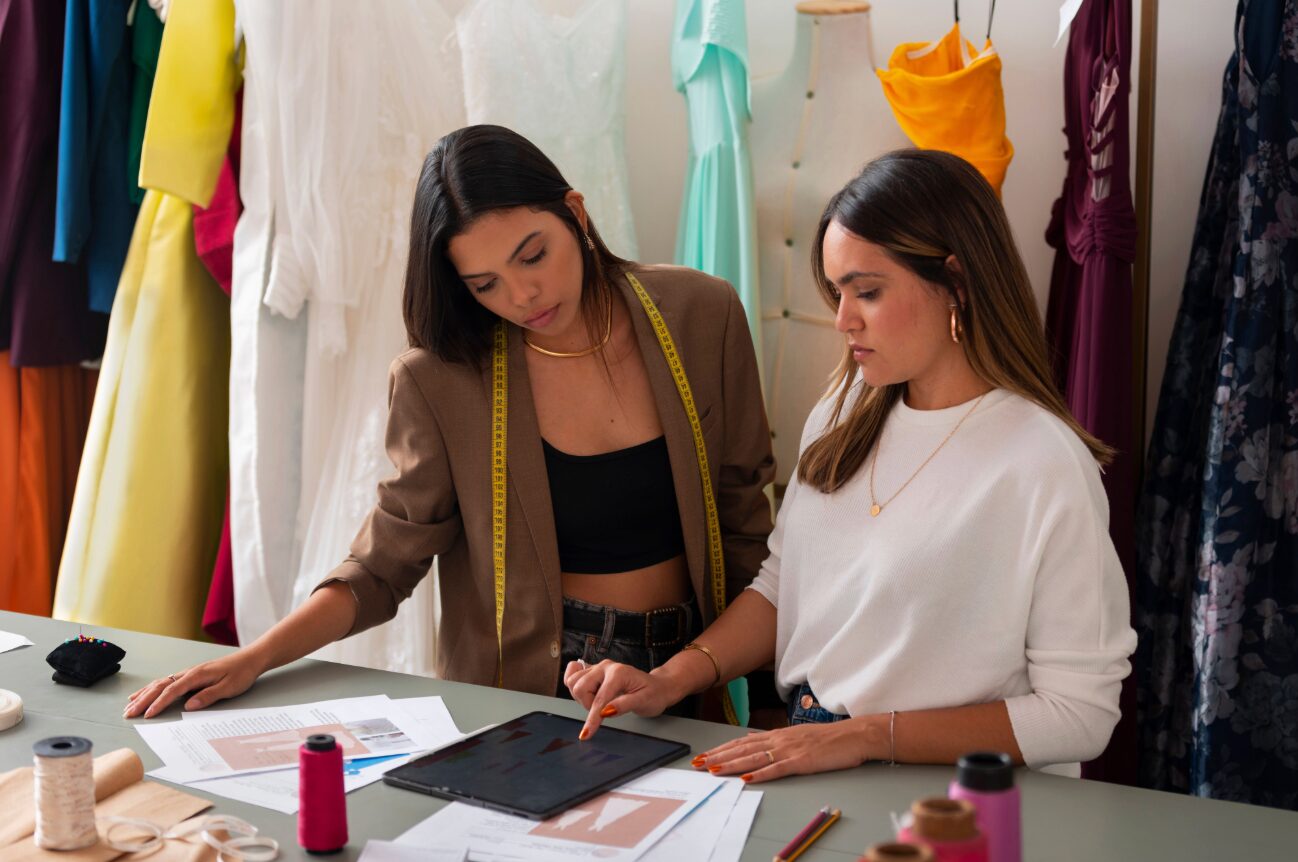
Investment pieces require human judgment. Algorithms push trending items but can’t assess longevity. A stylist considers your existing wardrobe, storage capacity, lifestyle demands. They prevent duplicate purchases. They identify gaps algorithms overlook. For purchases over $500, human consultation justifies its cost.
Investment Strategies for Post-Algorithm Shopping
The anti-algorithm movement creates specific investment opportunities. Certain categories will appreciate as consumers reject homogenization.
Independent Designer Pieces: Brands too small for major algorithms gain cachet. Look for designers with under 10,000 Instagram followers but strong design credentials. Their pieces avoid the oversaturation that killed many algorithm-boosted brands. Budget $400-1,200 for signature pieces.
Pre-Algorithm Vintage: Items from 2010-2018, before algorithm dominance, offer authentic style diversity. These pieces predate homogenization. They represent designer vision rather than data-driven design. Focus on strong silhouettes that don’t match current algorithm favorites. Investment range: $200-800.
Artisanal and Custom Pieces: One-of-a-kind items can’t be algorithmically replicated. Seek brands offering customization or made-to-order services. These purchases guarantee uniqueness that mass-produced algorithm favorites lack. Expect $600-3,000 per piece but gain complete originality.
Archive Collections from Major Houses: Pre-2020 collections from established brands showcase creative risk-taking that current algorithm-informed design avoids. These pieces documented designer vision before sales data dominated decisions. Gucci’s 2015-2017 Alessandro Michele era exemplifies this. Investment: $800-5,000.
“The future of fashion retail isn’t better algorithms. It’s better integration of human intuition with technological efficiency. We oversold the promise of personalization and undersold the value of surprise.” — Vedrana Savic, Chief Digital Officer, Matchesfashion
Quality Over Optimization: Algorithms prioritize conversion over longevity. They push items that photograph well and generate clicks. This creates a market inefficiency. High-quality basics in non-trending colors become undervalued. Stock up on these. A perfectly constructed navy blazer beats an algorithm-boosted “trending” blazer every time.
The smartest investment strategy? Build relationships with sales associates at stores you trust. They remember your purchases. They call about new arrivals before algorithms promote them. They offer first access to limited releases. This human network provides the personalization that technology promised but couldn’t deliver.
The AI fashion personalization experiment taught valuable lessons. Technology excels at efficiency but fails at inspiration. It can surface options but can’t cultivate taste. It processes data but misses meaning. The future belongs to hybrid models that combine algorithmic convenience with human judgment.
Your wardrobe should tell your story, not reflect your data profile. It should contain contradictions and surprises. It should document growth and change. Algorithms optimize for consistency. Humans thrive on evolution. The choice between them determines whether fashion becomes a tool for self-expression or just another optimized consumption category.
The correction has begun. Consumers are voting with their wallets. Brands are responding with human-centered alternatives. The question isn’t whether AI has a role in fashion. It’s whether that role serves genuine personalization or just efficient homogenization. Smart shoppers know the difference. They’re choosing accordingly.
Reclaim your style from the algorithm trap. The path forward runs through deliberate disruption of your digital patterns. Shop randomly. Browse aimlessly. Trust human judgment over machine learning. Your wardrobe’s diversity depends on it.
How has algorithm-driven shopping affected your personal style, and what’s your first step toward breaking free from recommendation echo chambers?