Your grandmother understood something modern fashion tried to make you forget: clothing is capital. Not the kind tracked on stock exchanges, but capital nonetheless—resource allocation with expected returns measured in years, not seasons. She bought her Hermès scarf in 1967 and wore it weekly until 2022. Your last Zara purchase lasted six washes before losing its shape entirely.
October 2025 finds fashion at a crossroads. Climate consciousness collides with economic uncertainty. Trend cycles accelerate while consumers exhaust from constant purchasing. Into this tension emerges investment dressing—not the 1980s power-suit version, but something more fundamental: strategic wardrobe building based on cost-per-wear economics, environmental impact, and genuine longevity.
This isn’t about buying expensive clothes. It’s about understanding value equations that fast fashion deliberately obscures.
The True Cost Revelation
Fashion’s pricing theater relies on consumers never calculating actual garment costs. The $40 dress seems affordable until it falls apart after three wears—effective cost: $13.33 per wear. The $400 dress worn 100 times over five years: $4 per wear. Suddenly, the “expensive” option becomes the bargain.
This cost-per-wear framework transforms shopping psychology. You’re not spending money—you’re allocating resources for anticipated returns. The better the quality, the more wears you extract, the lower the actual cost. It’s basic economics applied to fashion.
The Investment Formula:
Purchase Price ÷ Number of Wears = True Cost Per Wear
A $1,200 Totême coat worn 200 times over a decade = $6 per wear
A $120 Zara coat worn 15 times over two seasons = $8 per wear
The “affordable” option actually costs more while generating waste and requiring replacement.
Hidden Costs Fashion Hides
Beyond purchase price lurk costs that fast fashion strategically ignores:
Replacement Frequency – Cheap clothes demand constant replacement. Those $20 jeans that last six months require buying new pairs twice yearly. Over five years, you’ve spent $200 on disposable denim instead of $150 on quality jeans lasting a decade.
Alteration Requirements – Poor-quality garments can’t support tailoring. Seams rip, fabrics tear, structure collapses. Investment pieces withstand multiple alterations, extending lifespan through size changes and style updates.
Emotional Taxation – The psychological cost of clothes that disappoint, closets full of “nothing to wear,” and constant shopping to replace failed purchases extracts mental energy fast fashion marketing never accounts for.
Environmental Externalities – Fashion’s environmental destruction carries costs born collectively. Investment dressing reduces these impacts while delivering personal satisfaction.
The Foundational Five: Where to Invest First
Building investment wardrobes requires strategy, not spontaneity. Start with pieces offering maximum versatility, longevity, and cost-per-wear efficiency.
1. The Defining Coat
Outerwear delivers unmatched investment returns. Coats face weather, wear, and visibility—they need quality construction to perform season after season while maintaining appearance.
Investment Parameters:
Fabric: Wool or cashmere blends for durability and warmth. Minimum 80% natural fiber content. Avoid polyester shells that pill and lose shape.
Construction: Full lining, reinforced seams, quality buttons that won’t crack or fall off. Hidden structural tapes maintaining shape. These details cost more but extend lifespan exponentially.
Silhouette: Classic shapes outlast trends. Avoid exaggerated details dating the coat. Timeless doesn’t mean boring—it means strategic restraint.
Recommended Investment: $800-2,500
Expected Lifespan: 10-15 years
Cost Per Wear: $5-15
Brands Worth Considering:
→ Totême – Stockholm minimalism, certified wool, architectural cuts that age beautifully
→ Max Mara – Italian tailoring heritage, their 101801 coat design unchanged since 1981 for reason
→ Stella McCartney – Cruelty-free wool alternatives, regenerative materials, designed for disassembly and resale
Investment Piece Evaluation Checklist
- ☑️ Natural fiber content exceeds 70%
- ☑️ Construction shows reinforced seams and quality finishing
- ☑️ Silhouette feels current but not trendy
- ☑️ Care requirements are manageable long-term
- ☑️ Color works with 80%+ of existing wardrobe
- ☑️ Brand demonstrates sustainability commitment
- ☑️ Resale value remains strong on secondary markets
2. The Versatile Trouser
Nothing works harder in wardrobes than excellent trousers. They bridge casual and formal, office and weekend, summer and winter with strategic layering. Yet most people own dozens of mediocre pants instead of three perfect pairs.
Investment Parameters:
Fabric: Wool gabardine for year-round wear, cotton twill for warmer climates, corduroy for texture variety. Natural fibers maintain shape and breathe properly.
Fit: Tailored but not tight, with enough room for alterations as body changes. Classic rise and leg width that can be adjusted as preferences evolve.
Color: Black, navy, charcoal, camel, or cream. These neutrals create foundation for countless outfit combinations.
Recommended Investment: $250-600 per pair
Expected Lifespan: 5-10 years with care
Cost Per Wear: $2-8
Strategic Approach: Own three pairs—one black, one mid-tone neutral, one lighter seasonal option. Rotate regularly to prevent excessive wear. These nine pieces create dozens of looks.
3. The Statement Leather
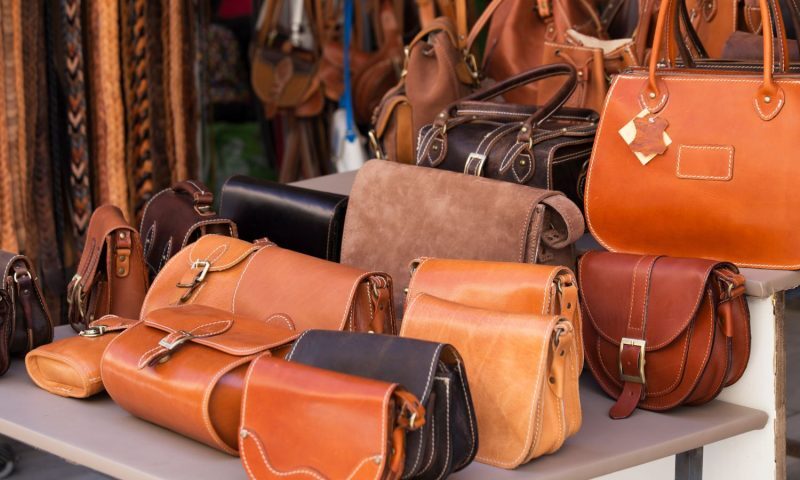
Quality leather goods represent fashion’s clearest investment case. Good leather improves with age, developing patina that synthetic alternatives can never achieve. Poor leather cracks, peels, and embarrasses.
For Footwear:
Classic leather boots, loafers, or oxfords anchor wardrobes. Goodyear-welted construction allows resoling, potentially extending life indefinitely. Italian or English shoemaking traditions prioritize longevity.
Initial investment: $400-800
Resoling cost: $100-200 every 3-5 years
Lifetime: 20+ years with proper care
Compare to synthetic shoes requiring complete replacement every 1-2 years at $100-200 each. The economics favor quality overwhelmingly.
For Bags:
A structured leather handbag in neutral color serves professional and personal needs for years. Look for classic shapes without obvious trend details—tote, shoulder bag, or crossbody in timeless proportions.
Investment range: $600-2,000
Expected lifespan: 10-20 years
Alternative: Vintage designer bags offer same quality at fraction of retail through resale platforms
4. The Perfect White Foundation
White shirts transcend gender, season, and occasion. They layer under sweaters, work solo with denim, elevate tailored trousers, and create canvas for statement jewelry. Yet quality differences drastically affect longevity and appearance.
Investment Parameters:
Fabric: Sea Island cotton, Egyptian cotton, or organic cotton poplin. These long-staple fibers resist yellowing and maintain crispness through numerous washes.
Construction: Mother-of-pearl buttons (won’t crack like plastic), French seams (prevent fraying), reinforced cuffs and collars (high-wear areas). These details cost more upfront but multiply lifespan.
Fit: Neither boxy nor skin-tight. Room for movement and layering without excess fabric. Consider custom or made-to-measure if standard sizing fits poorly.
Recommended Investment: $200-500
Expected Lifespan: 5-8 years with proper care
Cost Per Wear: $1-3
Sustainable Options:
→ Another Tomorrow – Organic cotton with supply chain transparency, QR tracking on each piece
→ Everlane – Accessible price point, ethical factories, classic cuts that don’t date
5. The Cashmere Essential
Cashmere occupies unique space—luxury accessible enough for regular wear yet special enough to feel indulgent. Quality cashmere lasts decades. Cheap cashmere pills after one season, negating any savings.
Investment Parameters:
Ply and Micron Count: Two-ply cashmere in 15-16 micron range provides ideal balance of softness and durability. Single-ply feels luxurious but wears faster. Three-ply offers extreme longevity but less drape.
Origin: Mongolian and Scottish cashmere represent quality standards. Be wary of “cashmere blend” items containing minimal actual cashmere.
Style: Simple crewneck or v-neck in neutral color delivers maximum versatility. Save embellishments and bold colors for less expensive knits.
Recommended Investment: $300-800
Expected Lifespan: 10-15 years
Cost Per Wear: $2-6
Care Reality: Cashmere requires gentle handling—hand washing or dry cleaning, careful storage with cedar, periodic de-pilling. These maintenance costs factor into total ownership. But proper care extends life substantially.
The Burgundy Moment: October 2025’s Investment Opportunity
Fall 2025 fashion centers on rich, warm tones—particularly burgundy, chocolate brown, and caramel. These colors offer rare investment opportunity: trendy enough to feel current, classic enough to wear for years.
Milan’s October street style showcases this palette beautifully. Burgundy wool coats layered over caramel knitwear, chocolate leather boots paired with deep wine trousers. The combinations feel simultaneously fresh and timeless—exactly what investment pieces should achieve.
Strategic Investments for This Palette:
Burgundy Cashmere Turtleneck – Works now with brown trousers, remains relevant next fall with black denim, continues serving wardrobes five Octobers hence.
Chocolate Brown Leather Boots – More versatile than black for fall/winter, coordinates with warm and cool tones, develops gorgeous patina.
Camel Wool Coat – Fashion’s most reliable neutral, flatters all skin tones, transcends trend cycles completely.
These pieces capture 2025’s aesthetic while maintaining decade-spanning relevance. This intersection represents investment dressing’s sweet spot.
Fall 2025 Investment Priority Guide
High Priority: Burgundy or chocolate leather boots, camel wool coat, rich brown leather bag
Medium Priority: Warm-toned cashmere knits, tailored wool trousers in seasonal shades
Low Priority (Trend over Investment): Fringe details, extreme proportions, overly specific prints
The Sustainable Investment Imperative
Investment dressing and sustainability share DNA. Both reject disposability. Both prioritize quality and longevity. Both challenge fashion’s extractive business model.
Stella McCartney pioneered luxury sustainability before it became marketing buzzword. Her commitment to cruelty-free materials, regenerative agriculture, and circular design principles demonstrates that ethics and aesthetics coexist beautifully. Her pieces command strong resale value, validating the investment thesis.
Gabriela Hearst runs carbon-neutral shows, uses deadstock cashmere, and publishes fabric footprints for collections. Her hand-knit pieces appreciate over time—some early designs sell above retail on resale platforms.
Eileen Fisher built entire business around “System”—core pieces designed to work together across seasons and years. Their take-back program recycles worn garments into new fibers, closing the loop. Investment pieces from companies considering end-of-life demonstrate highest form of responsible fashion.
The Resale Value Factor
True investment pieces maintain value on secondary markets. Hermès, Bottega Veneta, The Row, Max Mara—these brands hold resale value because quality remains evident years later. This residual value reduces effective cost significantly.
Example: A $2,500 Max Mara coat worn for eight years then sold for $800 on The RealReal equals $1,700 cost spread across eight years—$212 annually for luxury outerwear. Factor in 100+ wears and you’ve achieved remarkable value.
Compare to fast fashion with zero resale value. That entire purchase price represents sunk cost with no recovery potential.
The Capsule Wardrobe Connection
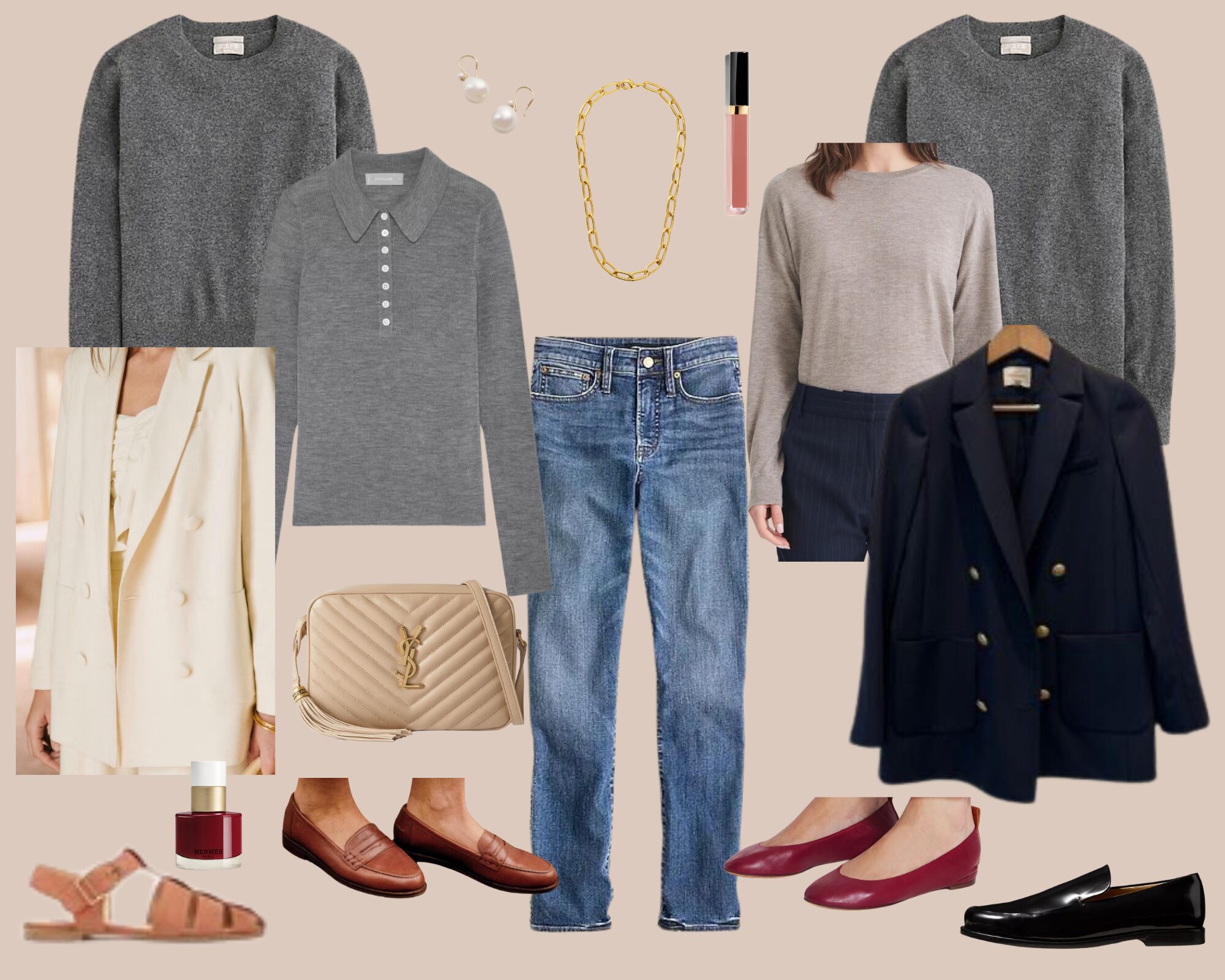
Investment pieces naturally support capsule wardrobe philosophy—curated collections of versatile items creating maximum outfit combinations from minimum garments.
The Mathematics of Versatility:
10 well-chosen investment pieces = 50+ outfit combinations
40 random trend items = constant “nothing to wear” frustration
The difference lies in intentional curation. Each investment piece should coordinate with at least 70% of other wardrobe items. This interchangeability multiplies utility exponentially.
Building Your Investment Capsule:
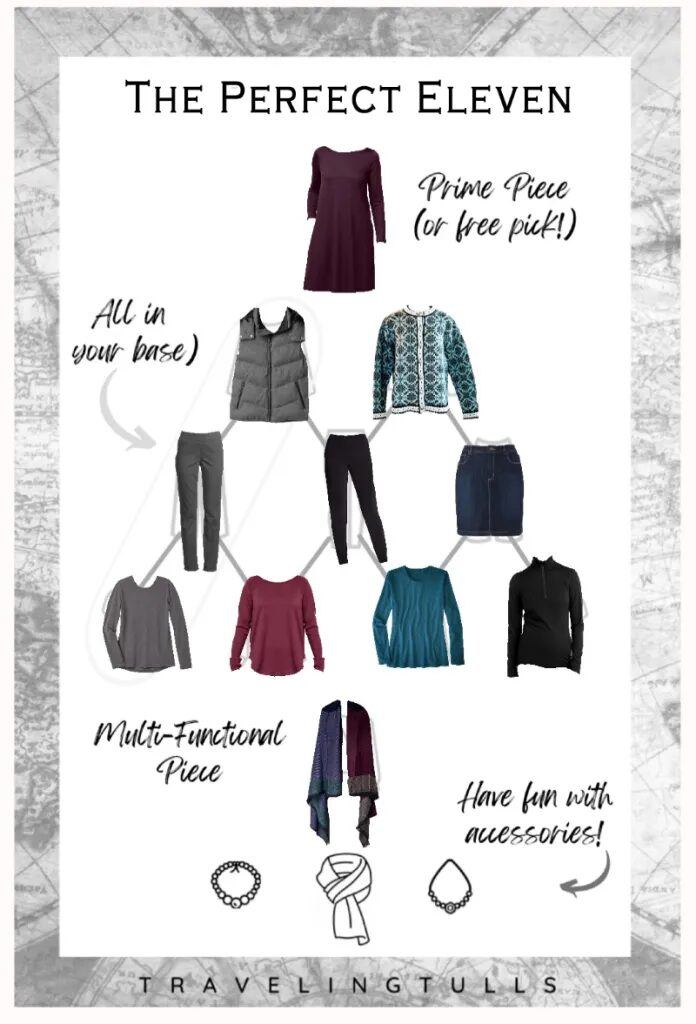
Start with five neutrals in your most-worn category (trousers, dresses, or separates depending on lifestyle). Ensure each piece works with every other piece. From this foundation, add three accent colors that complement the neutrals and each other.
This creates wardrobe infrastructure—reliable base supporting unlimited styling variations through accessories, layering, and occasional trend pieces purchased affordably.
When Not to Invest: The Trend Exemption
Investment dressing doesn’t require investing in everything. Some fashion categories reward low-cost experimentation over expensive commitment.
Trend Pieces: When trying directional styles or uncertain about personal fit, affordable versions make sense. If you discover you love the trend, upgrade to investment quality. If not, you’ve risked minimally.
High-Turnover Items: Basic t-shirts, casual cotton tops, and items worn weekly benefit from having multiples at accessible prices. Investment versions exist, but daily wear accelerates deterioration regardless of quality.
Occasion-Specific Garments: Cocktail dresses, formal gowns, or special event pieces worn 1-3 times don’t justify investment pricing. Rent these items or purchase affordably, allocating budget toward pieces worn regularly.
Experimental Silhouettes: When testing new shapes or styles outside your comfort zone, start with affordable options. Once you confirm the style works for your life and body, consider investment versions.
The Alteration Advantage
Investment pieces paired with excellent tailors multiply wardrobe value. Quality construction supports alterations that cheaper clothes can’t withstand.
Strategic Tailoring Extends Life:
→ Pants and skirts accommodate weight fluctuations through waist adjustments
→ Jacket sleeves lengthen or shorten as style preferences evolve
→ Dress hemlines adjust for different shoes or trend cycles
→ Buttons replace, pockets add, linings refresh
These modifications cost $20-100 but extend garment life years. They personalize pieces while maintaining investment value.
The Vintage Tailoring Opportunity:
Purchasing vintage investment pieces at fraction of original cost, then tailoring to perfect fit, represents supreme value strategy. A $1,500 Hermès blazer from 1995 might cost $400 vintage plus $100 tailoring—total $500 for piece that rivals $2,000+ contemporary equivalents.
The Care Investment
Investment pieces demand care investment—time, attention, and money spent maintaining condition. This isn’t optional; it’s fundamental to achieving advertised longevity.
Proper Storage:
Cedar for woolens preventing moths. Padded hangers maintaining shoulder shape. Dust bags protecting leather. Climate-controlled environments preventing humidity damage. These systems seem excessive until you calculate replacement costs.
Professional Cleaning:
Dry cleaning when needed (not automatically). Professional leather conditioning annually. Expert stain removal rather than DIY disasters. These services cost money but preserve garment integrity.
Seasonal Maintenance:
De-pilling cashmere. Polishing leather. Waterproofing suede. Replacing worn heels on shoes. These small interventions prevent small problems becoming replacement-requiring damage.
The Care Cost Reality:
Budget 10-15% of garment purchase price annually for maintenance. A $1,000 coat requires $100-150 yearly for cleaning, storage, and upkeep. Over ten years, that’s $1,000-1,500 additional investment. Factor these costs into purchase decisions.
The Emotional Return
Investment dressing delivers returns beyond economics. There’s psychological satisfaction in owning fewer, better things. In knowing garment histories. In wearing pieces that improve rather than deteriorate.
Reduced Decision Fatigue: Curated investment wardrobes eliminate morning paralysis. You own only pieces you love, that fit well, that work together. Getting dressed becomes pleasure rather than stress.
Increased Confidence: Quality clothing fits and feels better. You notice. Others notice. The confidence boost from well-made garments that properly fit affects everything from posture to professional interactions.
Connection and Story: Investment pieces accumulate memories. The coat worn on important trips. The boots that carried you through life changes. These garments become chapters in personal history rather than disposable accessories.
Environmental Peace: Knowing your wardrobe minimizes harm provides genuine satisfaction. Conscious consumption aligned with values reduces cognitive dissonance that mass consumption creates.
October 2025 marks turning point in fashion consumption. Economic pressures, environmental awareness, and trend exhaustion converge, forcing reconsideration of how we build wardrobes. Investment dressing offers escape from fast fashion’s hamster wheel—strategic, sustainable, and ultimately more satisfying.
The transition requires patience. Building investment wardrobes takes time and planning. But the freedom on the other side—financial, environmental, psychological—justifies every measured step toward fewer, better, lasting clothes.
Your closet is portfolio. Invest accordingly. The returns compound over decades.
Start your investment wardrobe with one perfect piece this month. Choose carefully. Buy once. Wear for years. Let quality compound.