The glossy veneer of Instagram perfection is cracking. Where once flawless skin and impossibly sculpted features dominated our feeds, a refreshing wave of authenticity now emerges. This isn’t merely a trend—it’s a cultural reckoning that’s fundamentally altering the beauty industry’s DNA.
The Great Digital Detox
Beauty’s authenticity movement didn’t emerge in a vacuum. It’s the direct response to what researchers call “filter fatigue”—the collective exhaustion from consuming and creating impossibly perfect digital content. Dove’s groundbreaking research revealed that 80% of women have used editing apps by age 13. This statistic isn’t just alarming; it’s revolutionary.
The backlash began quietly. Beauty influencers like Alicia Keys sparked conversations by appearing makeup-free at high-profile events. But the real catalyst came from Gen Z consumers who began demanding transparency from their favorite brands.
Brands Embrace the Unfiltered Truth
Forward-thinking beauty companies quickly recognized this shifting landscape. Glossier built their entire empire on the “skin first, makeup second” philosophy. Their cloud paints and balm dotcoms celebrate natural texture rather than hiding it.
Fenty Beauty revolutionized inclusion not just through shade range, but by showcasing models with visible pores, texture, and natural imperfections in their campaigns. Rihanna’s brand proved that authenticity and luxury could coexist beautifully.
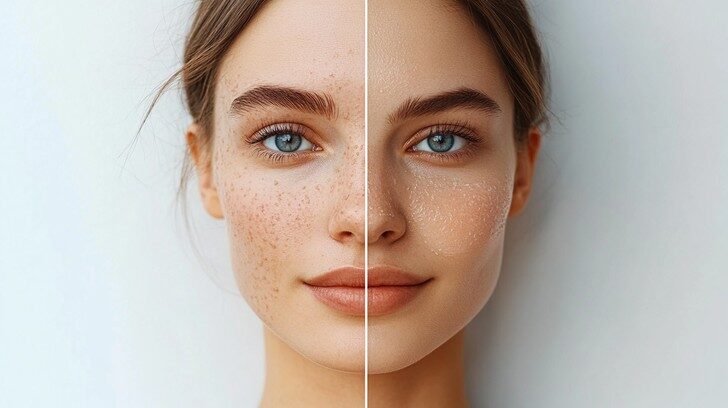
The transformation extends beyond cosmetics. Skincare brands now proudly display before-and-after photos showing realistic results. The Ordinary’s clinical approach strips away marketing fluff, presenting ingredients and expectations honestly.
The Science of Self-Acceptance
Dermatologists applaud this authenticity movement. Dr. Michelle Henry notes that the pressure for perfection often leads to over-treatment and damaged skin barriers. The new beauty ethos promotes skin health over artificial perfection.
This shift has profound psychological implications. Studies show that exposure to unfiltered content significantly improves body image and self-esteem. When we see real pores, natural shadows, and unretouched features, our own imperfections feel less isolating.
Practical Beauty Wisdom
Embracing authenticity doesn’t mean abandoning all beauty practices. Instead, it’s about intentional choices:
Morning Routine Reframe: Start with skincare that supports your natural texture. Products like hyaluronic acid serums and gentle vitamin C formulations enhance rather than mask.
Strategic Concealing: Use concealer only where needed. Let your natural skin show through in other areas. This creates dimension and authenticity that full-coverage foundation can’t match.
Brow Reality Check: Embrace your natural brow shape. Fill sparingly, focusing on enhancing rather than completely reshaping.
The TikTok Truth Revolution
Social media platforms are actively supporting this authenticity wave. TikTok’s algorithm increasingly promotes unfiltered content, while Instagram introduced features that detect and label heavily edited photos.
Beauty TikTok has become a space for real talk. Creators share their skin struggles, product failures, and authentic routines. The “#nofilter” hashtag has evolved from performative declaration to genuine movement.
– 73% of Gen Z prefers brands that show unretouched images
– Engagement rates on authentic beauty content increased 40% in 2024
– Sales of full-coverage foundations dropped 15% while tinted moisturizers surged 35%
Redefining Beauty Standards
This movement extends beyond individual choices to systemic change. Fashion weeks now feature models with visible disabilities, diverse ages, and unretouched appearances. Beauty brands actively seek authentic faces over conventionally perfect ones.
The luxury sector initially resisted this trend, but even heritage houses like Chanel now incorporate authenticity into their messaging. Their recent campaigns feature models with natural imperfections, proving that authenticity and aspiration aren’t mutually exclusive.
The Economic Impact
The authenticity movement has created new market segments. “Skinimalism” products—minimal, natural-looking cosmetics—represent the fastest-growing beauty category. Brands focusing on authentic representation see higher customer loyalty and engagement rates.
Investment in authentic beauty brands increased 200% in 2024. Consumers vote with their wallets, supporting companies that reflect their values around self-acceptance and realistic beauty standards.
Navigating the New Landscape
For consumers adapting to this authenticity-first world, the transition requires mindset shifts:
Curate Your Feed: Follow accounts that promote realistic beauty. Unfollow those that trigger comparison or inadequacy.
Practice Patience: Your skin won’t transform overnight. Authentic beauty is about consistency and self-acceptance, not quick fixes.
Invest in Quality: Choose fewer, better products that support your skin’s health rather than masking its natural characteristics.
The Future of Authentic Beauty
This movement shows no signs of slowing. Emerging technologies focus on enhancing natural features rather than replacing them entirely. AI-powered skincare analysis helps individuals understand their unique needs without promoting unrealistic standards.
The beauty industry’s future lies in personalization and authenticity. Brands that embrace this shift will thrive, while those clinging to outdated perfection paradigms will struggle to remain relevant.
Your Authentic Beauty Journey
The path forward is personal yet collective. Each unfiltered selfie, each authentic review, and each honest conversation contributes to this cultural transformation. Beauty’s new authenticity movement reminds us that our imperfections aren’t flaws to fix—they’re features that make us uniquely beautiful.
As we move beyond the filter, we discover something revolutionary: authentic beauty isn’t just more honest—it’s more compelling, more relatable, and ultimately more powerful than any digital enhancement could ever be.
The future belongs to those brave enough to show up as themselves, unfiltered and unapologetically authentic.
Ready to embrace your authentic beauty journey? Start small—share one unfiltered photo this week or try the “no-makeup makeup” look using products that enhance rather than hide your natural features.