The appointment sent shockwaves through Milan’s fashion corridors. Demna, the Georgian-born designer who transformed Balenciaga from a heritage house into a cultural phenomenon, now holds the keys to Gucci’s creative kingdom. This isn’t just another designer swap—it’s a fundamental reimagining of what Italian luxury can become in 2025.
The stakes couldn’t be higher. Gucci’s parent company Kering reported a devastating 25% sales decline in Q1 2025, with the brand hemorrhaging customers faster than any major luxury house in recent memory. Traditional approaches have failed. Conservative strategies have backfired. Now, Gucci is betting everything on a radical transformation that could either resurrect the brand or alienate its remaining loyal customers.
The Anatomy of a Luxury Crisis
Gucci’s decline didn’t happen overnight. The brand has been struggling since 2023, when early signs of creative stagnation became apparent. Under previous creative director Sabato De Sarno, Gucci attempted to return to its roots—a strategy that proved catastrophically misguided in today’s fast-moving fashion landscape.
The numbers tell a brutal story. Retail sales plummeted 25% in Q1 2025, while wholesale revenue crashed by 33%. Store foot traffic declined across all regions, and the brand’s once-coveted handbags failed to generate the buzz that drives luxury purchases.
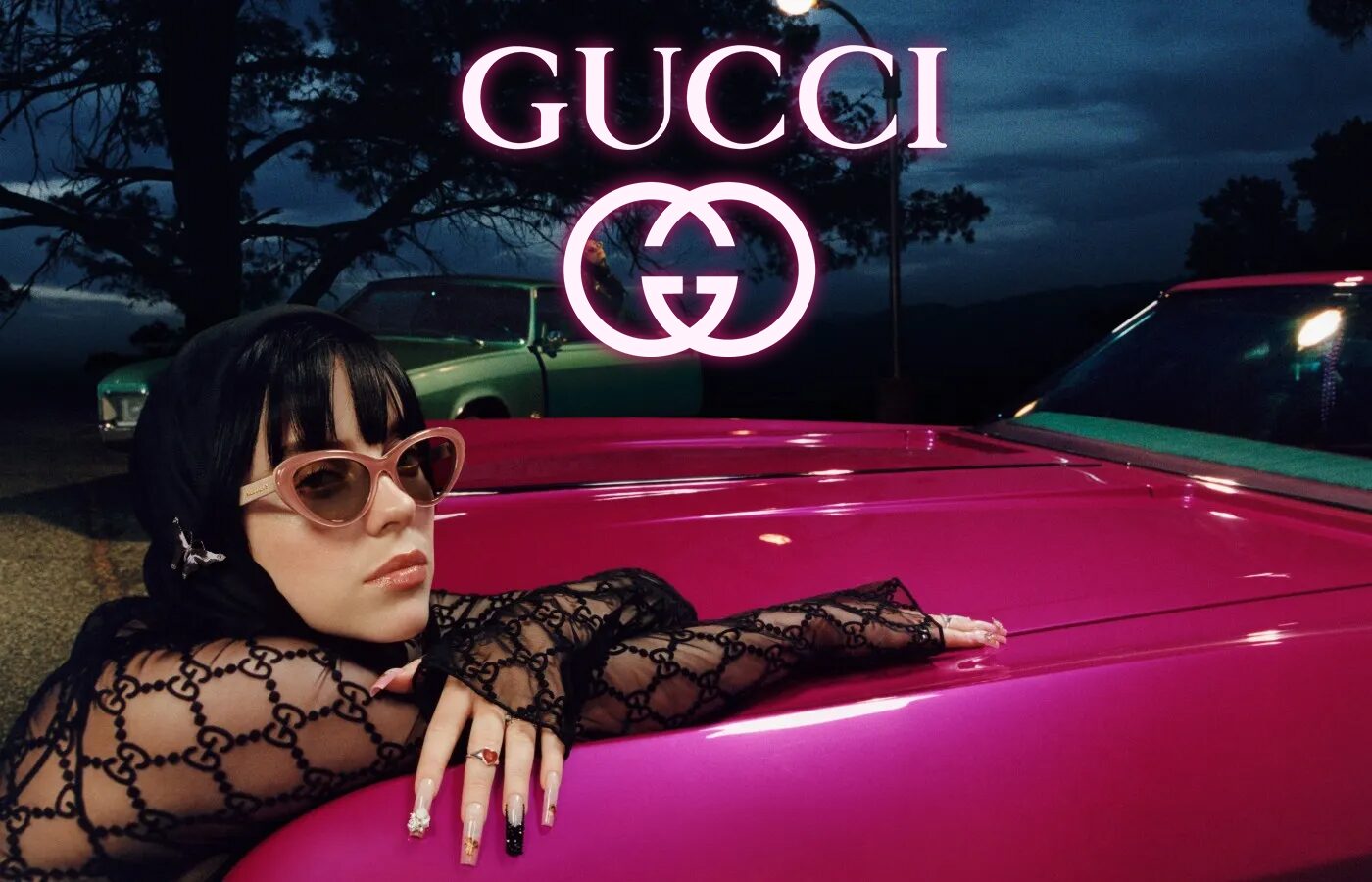
More telling was the brand’s inability to create viral moments. In an era where luxury success is measured by social media engagement and cultural relevance, Gucci had become irrelevant. The brand that once dominated Instagram feeds and celebrity wardrobes had lost its voice entirely.
Gucci’s Crisis by the Numbers:
Sales Decline: 25% drop in Q1 2025
Wholesale Impact: 33% revenue decrease
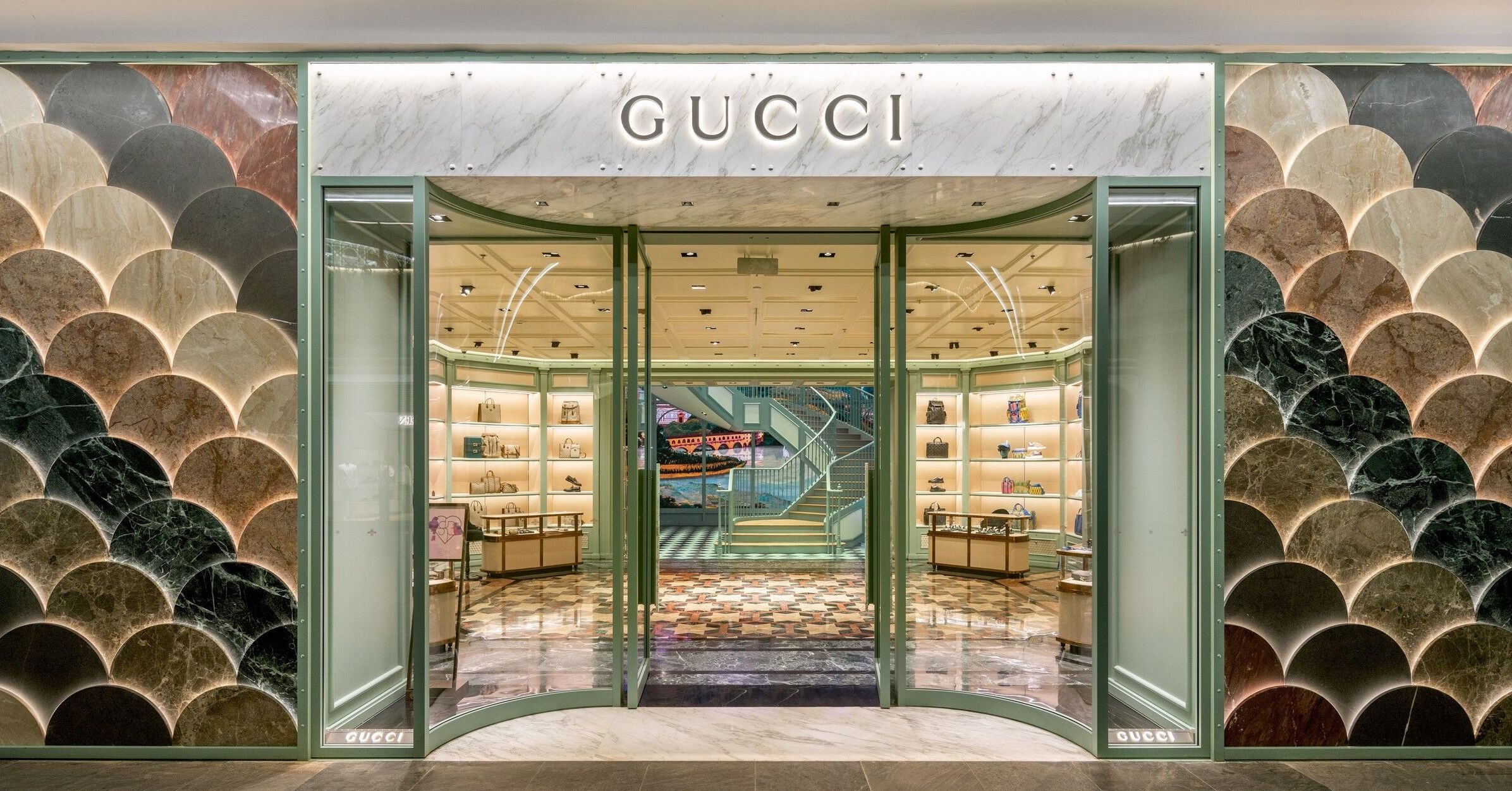
Store Closures: 25 locations shut down
Market Position: Dropped from 5th to 9th in luxury rankings
Industry analysts pointed to a fundamental disconnect between Gucci’s traditional luxury positioning and contemporary consumer expectations. The brand’s leather goods, once the cornerstone of its success, were described as “disappointing” and lacking distinctive appeal. Without innovative products to entice shoppers, Gucci found itself competing on heritage alone—a losing strategy in today’s market.
The Demna Factor: Streetwear Meets Italian Craftsmanship
Demna’s appointment represents more than a creative director change—it’s a philosophical revolution. The designer who made Balenciaga the most talked-about luxury brand through controversial campaigns and boundary-pushing designs now faces the challenge of his career: reinventing Gucci without destroying its soul.
His track record speaks volumes. Under Demna’s leadership, Balenciaga achieved unprecedented cultural relevance. The brand’s provocative advertising campaigns sparked global conversations. Its collaborations with unexpected partners created new luxury categories. Most importantly, Demna proved that luxury brands could embrace controversy and still generate massive profits.
The appointment signals Gucci’s recognition that traditional luxury marketing no longer works. Modern consumers, particularly younger demographics, respond to brands that challenge conventions and spark conversations. Demna’s ability to create cultural moments—whether through viral runway shows or unexpected product launches—could provide the jolt Gucci desperately needs.
However, the cultural fit remains questionable. Demna’s streetwear-influenced aesthetic represents a dramatic departure from Gucci’s traditional Italian elegance. His designs often blur the lines between high fashion and street culture, creating pieces that challenge conventional notions of luxury. While this approach revitalized Balenciaga, Gucci’s customer base may prove less receptive to such radical changes.
The Integration Challenge: Heritage vs. Innovation
The most complex aspect of Demna’s appointment lies in balancing innovation with heritage preservation. Gucci’s 104-year history includes iconic designs that define Italian luxury. The brand’s double-G logo, bamboo handles, and horsebit details represent cultural artifacts that transcend fashion trends.
Demna must navigate this heritage carefully. His success will depend on identifying which elements of Gucci’s DNA are essential versus which aspects can be reimagined. The designer’s challenge is creating products that feel authentically Gucci while appealing to contemporary consumers who prioritize novelty and cultural relevance.
Early indications suggest Demna plans to focus on ready-to-wear rather than leather goods, recognizing that fashion collections offer more creative freedom than heritage accessories. This strategy could allow him to establish his vision while respecting Gucci’s established product categories.
Demna’s Strategic Priorities:
- 🎯 Ready-to-Wear Focus: Establishing creative vision through clothing
- 👥 Youth Engagement: Attracting younger luxury consumers
- 🌍 Cultural Relevance: Creating conversation-worthy moments
- 🔄 Heritage Integration: Balancing tradition with innovation
Industry experts predict that Demna’s impact will be most visible in Gucci’s approach to collaborations and cultural partnerships. His ability to identify unexpected brand synergies could create new revenue streams while generating the cultural buzz that drives luxury purchases.
The Risk-Reward Equation
Gucci’s decision to hire Demna represents the ultimate high-risk, high-reward strategy. Success could transform the brand into a cultural powerhouse that defines luxury for the next decade. Failure could accelerate its decline and permanently damage its reputation.
The potential rewards are enormous. Demna’s appointment has already generated more media coverage than Gucci received throughout 2024. Fashion insiders are eager to see how his aesthetic translates to Italian luxury. Early buzz suggests his first collection will be one of the most anticipated debuts in recent memory.
However, the risks are equally significant. Gucci’s existing customer base may reject Demna’s vision, accelerating the brand’s decline. The designer’s controversial reputation could alienate luxury consumers who prefer understated elegance. Most critically, if Demna fails to generate sales improvements quickly, Gucci may face irreversible damage to its market position.
Market Implications: A New Luxury Paradigm
Demna’s appointment reflects broader changes in the luxury industry. Traditional approaches to brand management—emphasizing heritage, exclusivity, and conservative design—are losing effectiveness. Modern luxury consumers expect brands to take risks, spark conversations, and challenge conventions.
This shift has profound implications for the entire industry. If Demna succeeds at Gucci, other luxury houses may abandon conservative strategies in favor of more provocative approaches. The appointment could mark the beginning of a new era where luxury brands compete on cultural relevance rather than traditional prestige markers.
The transformation also highlights the importance of creative vision in luxury brand management. Demna’s appointment demonstrates that exceptional design talent can command premium valuations, regardless of cultural fit concerns. This precedent may encourage other brands to pursue similarly bold creative appointments.
The Verdict: Calculated Chaos
As 2025 progresses, Gucci’s gamble on Demna represents more than a creative director appointment—it’s a fundamental reimagining of luxury brand strategy. The decision reflects recognition that traditional approaches no longer generate the cultural relevance required for luxury success.
The outcome will reshape industry standards. Success will prove that luxury brands can embrace radical change without losing their essence. Failure will reinforce the importance of cultural fit and customer loyalty in luxury brand management.
What This Means for Luxury Consumers:
Demna’s appointment signals a new era in luxury fashion where brands will prioritize cultural relevance over traditional prestige. Consumers can expect more provocative designs, unexpected collaborations, and boundary-pushing campaigns from major luxury houses.
For Gucci enthusiasts, the transition presents both opportunities and risks. Early adopters of Demna’s vision may acquire pieces that become iconic. However, those seeking traditional Italian luxury may need to look elsewhere as the brand transforms.
The Waiting Game
Demna’s first collection won’t debut until 2026, leaving fashion enthusiasts in suspense about Gucci’s future direction. The intervening months will be crucial for managing expectations and preparing the market for transformation.
The brand’s immediate challenge is maintaining customer interest during this transition period. Gucci must balance honoring its heritage while building anticipation for Demna’s vision. This delicate balance will determine whether the brand can halt its decline before the new creative direction takes effect.
Industry observers predict that Demna’s appointment will influence luxury brand strategies across the sector. The outcome of Gucci’s gamble will either encourage or discourage similar bold appointments throughout the industry.
One thing is certain: Gucci’s decision to hire Demna represents the most significant creative risk in luxury fashion history. The brand’s future—and potentially the industry’s direction—depends on whether this calculated chaos can restore one of fashion’s most iconic names to cultural relevance.
The stakes have never been higher. The potential rewards have never been greater. In a world where luxury brands must choose between tradition and transformation, Gucci has chosen to transform. Only time will tell if this gamble pays off.