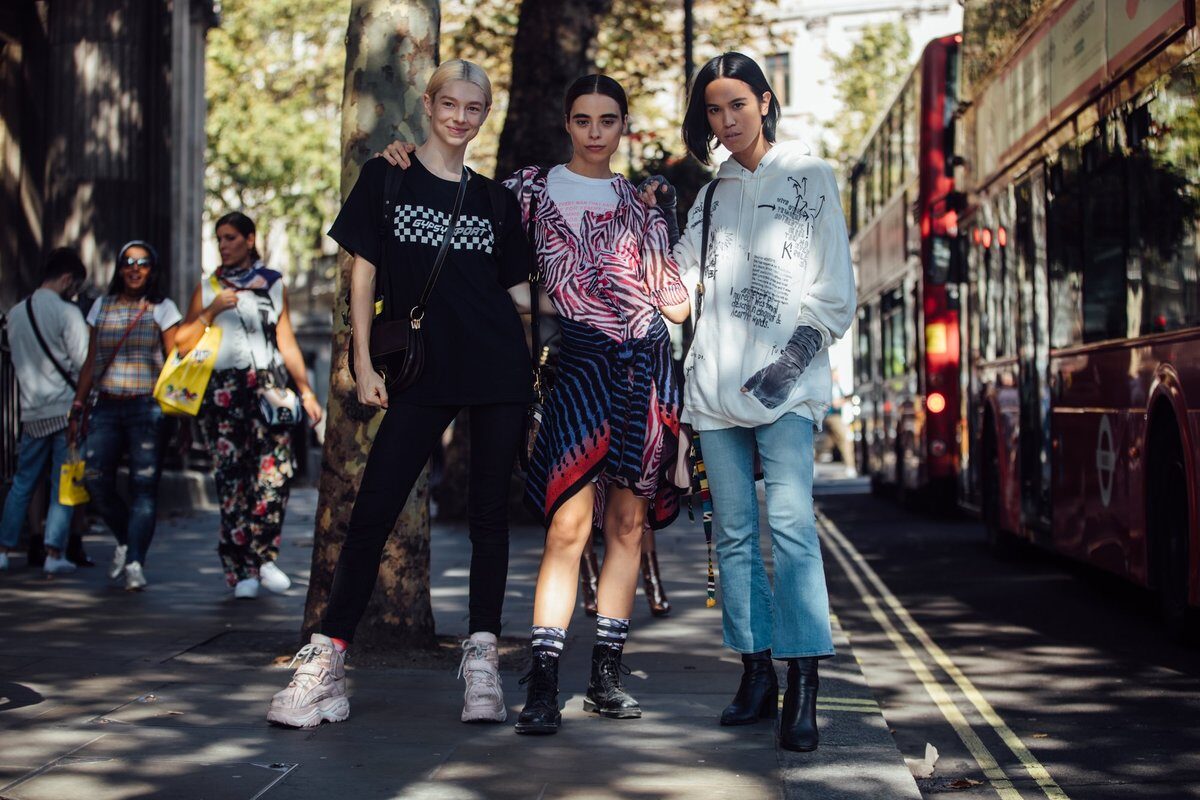
For decades, the story of beauty was told in a single, unwavering voice. It spoke of flawlessness. It championed an airbrushed, unattainable ideal, presented in glossy magazines and distant ad campaigns. The narrative was a monologue, dictating rules of perfection that left little room for personal interpretation. But that monologue has faded. In its place, a vibrant, multifaceted conversation is emerging. Today, beauty is less about conforming to a standard and more about exploring an identity. This is not just a trend; it is a quiet, profound revolution. One that is shifting the focus from the reflection in the mirror to the person looking into it.
The End of the Monolith
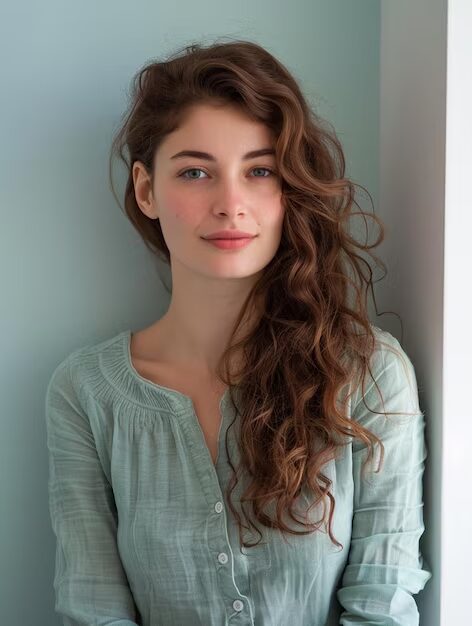
The singular ideal of beauty is fracturing. It is being replaced by a mosaic of individual expressions. This shift is powered by a new generation of digital platforms where authenticity reigns supreme. Instagram, TikTok, and YouTube have democratized the conversation, creating spaces for candid discussions about acne, hyperpigmentation, and the realities of aging. The old gatekeepers of beauty have been replaced by a global community. Here, diversity is not a token gesture but the very fabric of the conversation.
This new era values personal stories over prescriptive advice. Publications and brands are finally catching up. We see a move towards showcasing real skin, unretouched textures, and a spectrum of faces that reflect the world we actually live in. As noted by the founders of the new philosophical beauty journal Notes on Beauty, the goal is no longer to dictate a definition of beauty, but to open up space for inquiry and personal understanding. The question has evolved from “How do I achieve this look?” to “What does beauty mean to me?”.
The Clean Conscience: Beauty as a Value System
This inward-looking perspective extends beyond aesthetics to our ethics. The clean beauty movement is a powerful pillar of this revolution. It’s not merely about swapping products; it’s about a conscious alignment of our values with our purchases. Today’s consumer is an informed investigator. They scrutinize ingredient lists and demand transparency from brands.
The numbers speak for themselves. A recent report found that 68% of consumers actively seek products described as “clean”. This isn’t just about avoiding certain chemicals. It’s a holistic approach that encompasses sustainable skincare, ethical sourcing, and eco-friendly packaging. Brands are responding by creating formulas with natural and organic ingredients that are as kind to the planet as they are to our skin. The amber glass bottles and minimalist packaging seen on so many shelves are more than just a visual trend. They are symbols of a deeper commitment to a healthier, more sustainable relationship with our bodies and our world.
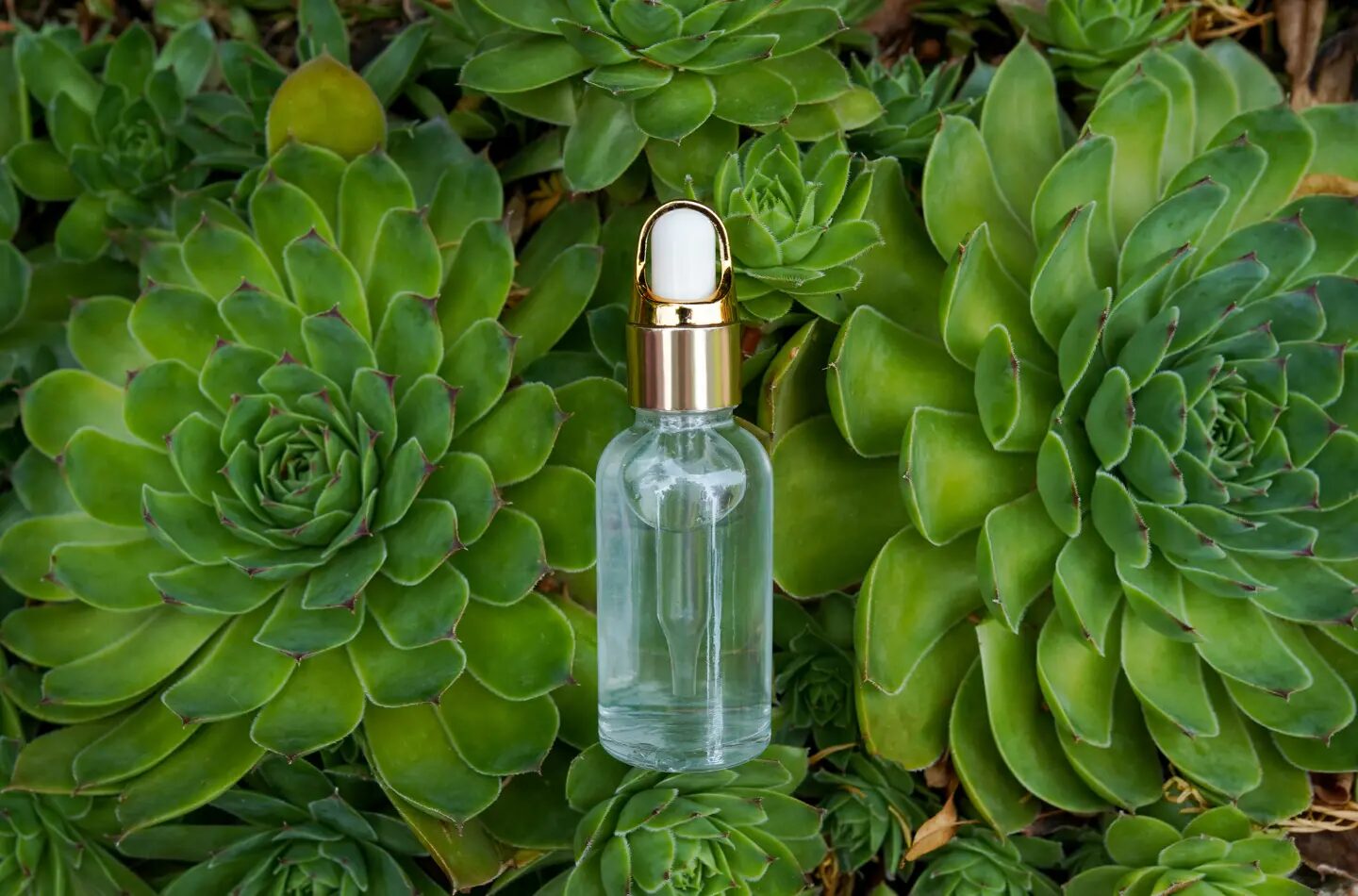
True radiance is not about masking imperfections. It’s about nurturing your skin to a state of health where you feel confident to reveal it.
Skinimalism and the Power of Real Texture
As our focus shifts to health and authenticity, our makeup bags are evolving. The era of heavy contouring and full-coverage foundations is giving way to “skinimalism.” This philosophy champions a less-is-more approach. It favors lightweight formulas that enhance, rather than conceal. Think glowing skin, not a flawless mask.
The goal is to celebrate the skin you are in. This means letting freckles shine through. It means seeing the natural texture of your pores. It means understanding that a blemish is temporary, not a catastrophe. The new heroes of our routines are hydrating serums, luminous skin tints, and multi-use balms that provide a sheer, healthy wash of color.
Actionable Advice: To embrace skinimalism, start by elevating your skincare ritual. Invest in a potent Vitamin C serum for brightness and a hyaluronic acid-based moisturizer for a plump, hydrated canvas. Then, trade your heavy foundation for a tinted moisturizer or even just a strategically-applied concealer. The result is a fresh, breathable look that feels as good as it looks.
Beauty as a Dialogue for Change
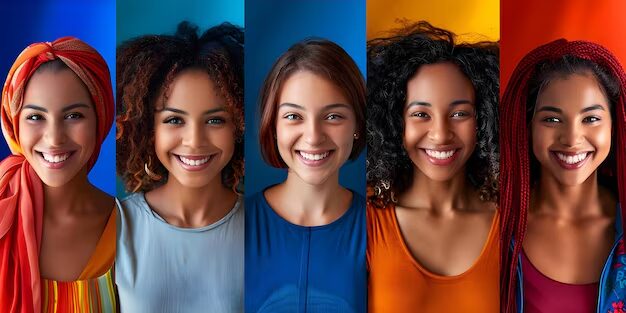
Perhaps the most significant aspect of this revolution is the reframing of beauty as a vehicle for wider conversations. It has become a powerful entry point for discussing identity, culture, and social change. When a model with vitiligo graces a campaign, it challenges long-held beliefs about perfection. When a brand launches a foundation range with over 50 shades, it sends a clear message of inclusivity.
These are not just marketing strategies; they are cultural statements. They acknowledge that beauty is deeply personal and inextricably linked to our heritage, our experiences, and our beliefs. Online communities have become sanctuaries where individuals share stories about embracing their natural hair, navigating colorism, or finding beauty in their scars. This is beauty at its most powerful: not as a tool for conformity, but as a platform for connection and empowerment.
The revolution is quiet, but its impact is undeniable. It is a collective turning-away from external validation and a turning-towards self-acceptance. The new beauty narrative isn’t about discarding makeup or abandoning our rituals. It’s about imbuing them with intention, consciousness, and a radical sense of self-worth. It’s about looking in the mirror and seeing not a project to be fixed, but a person to be celebrated.