Fashion has always been cyclical, but never before has a generation so deliberately rejected the very systems designed to predict their preferences. As we witness the unfolding of 2025’s most significant cultural shift, Generation Z is orchestrating what can only be described as an anti-algorithm revolution—a conscious rebellion against the homogenizing forces of digital fashion consumption that threatens to reshape the entire industry landscape.
The phenomenon extends far beyond simple trend rejection. It represents a fundamental reimagining of how fashion identity is constructed, consumed, and expressed in an increasingly digitized world. This movement challenges the very foundations of contemporary fashion marketing, forcing brands to reconsider their relationship with data-driven design and algorithmic trend forecasting.
The Digital Fatigue Phenomenon
The seeds of this revolution were planted in the algorithmic uniformity that dominated fashion consumption throughout the early 2020s. Social media platforms, particularly Instagram and TikTok, created what fashion sociologists term “aesthetic convergence”—a phenomenon where diverse personal styles gradually merged into a handful of algorithmically-approved looks. The result was a generation that, despite having access to more fashion information than any before it, found itself dressed increasingly alike.
This digital fatigue manifested in unexpected ways. Young consumers began actively seeking out fashion content that algorithms wouldn’t typically surface, deliberately engaging with niche aesthetics and underground fashion movements. The rise of “algorithm-breaking” styling became a form of digital resistance, with Gen Z fashion enthusiasts intentionally creating looks designed to confuse recommendation systems.
The Anti-Algorithm Manifesto
“True style cannot be quantified, predicted, or replicated by machine learning. It emerges from the beautiful chaos of human creativity and individual expression.”
The Resurrection of Serendipitous Discovery
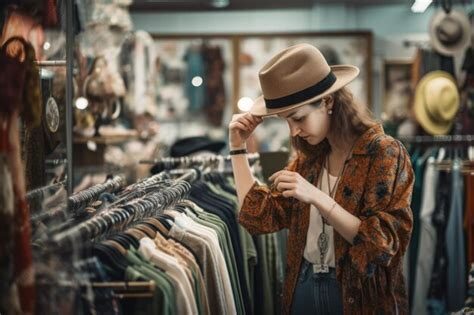
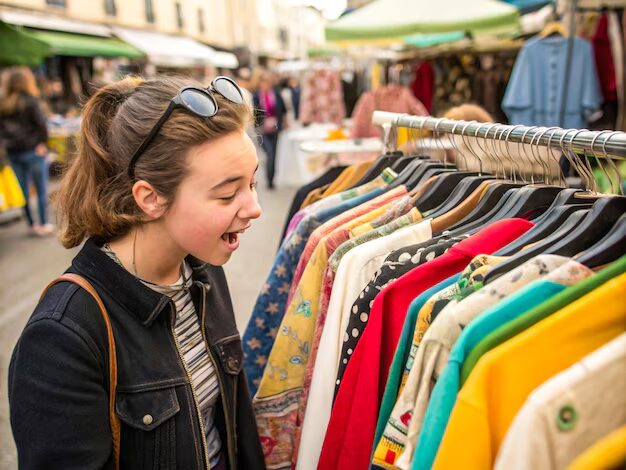
What makes this movement particularly fascinating is its embrace of serendipitous fashion discovery—the art of finding unexpected pieces through non-digital means. Thrift stores, vintage markets, and independent boutiques have experienced unprecedented popularity among Gen Z consumers, not merely for sustainability reasons, but as sanctuaries from algorithmic influence.
The tactile experience of discovering a unique piece—feeling the weight of vintage denim, the texture of hand-embroidered silk, or the structure of a perfectly tailored blazer from decades past—has become a form of fashion meditation. This physical engagement with clothing represents a deliberate counterpoint to the endless scroll of curated content that characterizes digital fashion consumption.
The Micro-Community Renaissance
Perhaps the most significant aspect of this anti-algorithm movement is the emergence of micro-fashion communities—small, highly engaged groups that form around specific aesthetic niches or styling philosophies. These communities operate outside mainstream social media algorithms, often using platforms like Discord, Telegram, or even returning to forums and blogs.
Within these spaces, fashion knowledge is shared organically, styling challenges emerge naturally, and trends develop through genuine community consensus rather than algorithmic amplification. The result is a more diverse, authentic, and personally meaningful approach to fashion consumption.
The New Tastemakers
Traditional fashion influencers, with their algorithm-optimized content and brand partnerships, are being supplanted by “anti-influencers”—individuals who deliberately maintain smaller, more engaged audiences and refuse to optimize their content for algorithmic distribution. These new tastemakers prioritize authenticity over reach, often sharing styling failures alongside successes and discussing the emotional and psychological aspects of personal style development.
The Industry Response: Embracing Unpredictability
Forward-thinking fashion brands have begun to recognize and respond to this shift. Companies like Prada have explicitly acknowledged the limitations of algorithm-driven design, with creative directors speaking openly about the need to create fashion that surprises and challenges rather than simply satisfying predicted preferences.

This has led to the emergence of “anti-predictive design”—a philosophy that intentionally incorporates elements of randomness, cultural cross-pollination, and aesthetic contradiction into fashion collections. Designers are experimenting with collaborative creation processes, inviting community input, and even using random generation techniques to break free from their own creative patterns.
Breaking Your Own Algorithm
- Diversify Your Sources: Seek fashion inspiration from non-fashion contexts
- Embrace Contradiction: Pair unexpected elements to create unique combinations
- Shop Offline First: Visit physical stores before browsing online
- Join Micro-Communities: Connect with small, passionate fashion groups
- Document Your Failures: Learn from styling experiments that don’t work
The Psychology of Authentic Expression
The anti-algorithm movement taps into fundamental human needs for authenticity and individual expression that digital systems often suppress. Fashion psychologists have identified what they term “algorithmic anxiety”—a form of decision paralysis that occurs when individuals become overly reliant on digital recommendations for style choices.
By deliberately stepping outside algorithmic influence, Gen Z consumers are reclaiming agency over their personal style development. This process often involves a period of experimentation and uncertainty, but ultimately leads to more confident and authentic self-expression through clothing.
The Economic Implications
This shift toward anti-algorithmic fashion consumption has significant economic implications for the industry. Traditional fast fashion models, which rely heavily on rapid trend replication and algorithmic distribution, are finding their effectiveness diminished among younger consumers who actively seek out unique, non-mainstream pieces.
Conversely, businesses that embrace unpredictability and individual expression are thriving. Independent designers, vintage sellers, and small-batch manufacturers are experiencing unprecedented demand from consumers seeking alternatives to algorithm-driven fashion choices.
The Future of Fashion Discovery
As we progress through 2025, the anti-algorithm movement is reshaping how fashion trends emerge and spread. Rather than top-down dissemination through influencer networks and algorithmic amplification, we’re witnessing the return of grassroots trend development—organic style movements that emerge from genuine community creativity and spread through authentic personal connections.
This shift suggests a future where fashion is less predictable but more meaningful, where individual style development takes precedence over trend conformity, and where the joy of personal discovery replaces the efficiency of algorithmic curation.
The anti-algorithm revolution represents more than just a generational preference—it’s a fundamental reimagining of the relationship between technology and creativity in fashion. As Gen Z continues to mature and gain economic influence, their rejection of algorithmic fashion consumption will likely reshape industry practices for decades to come, creating space for more authentic, diverse, and personally meaningful approaches to style and self-expression.
In this new landscape, the most successful fashion brands will be those that embrace unpredictability, celebrate individual expression, and resist the temptation to reduce human creativity to algorithmic formulas. The future of fashion lies not in perfecting prediction, but in preserving the beautiful uncertainty that makes personal style truly personal.