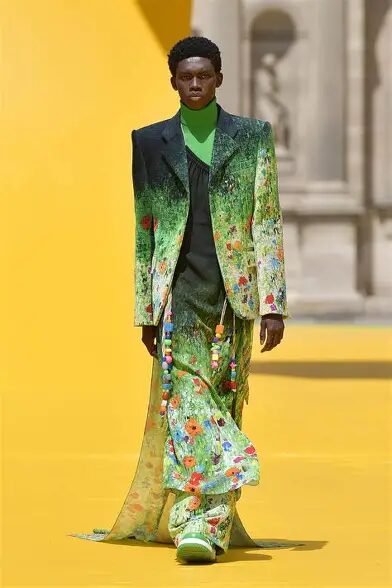
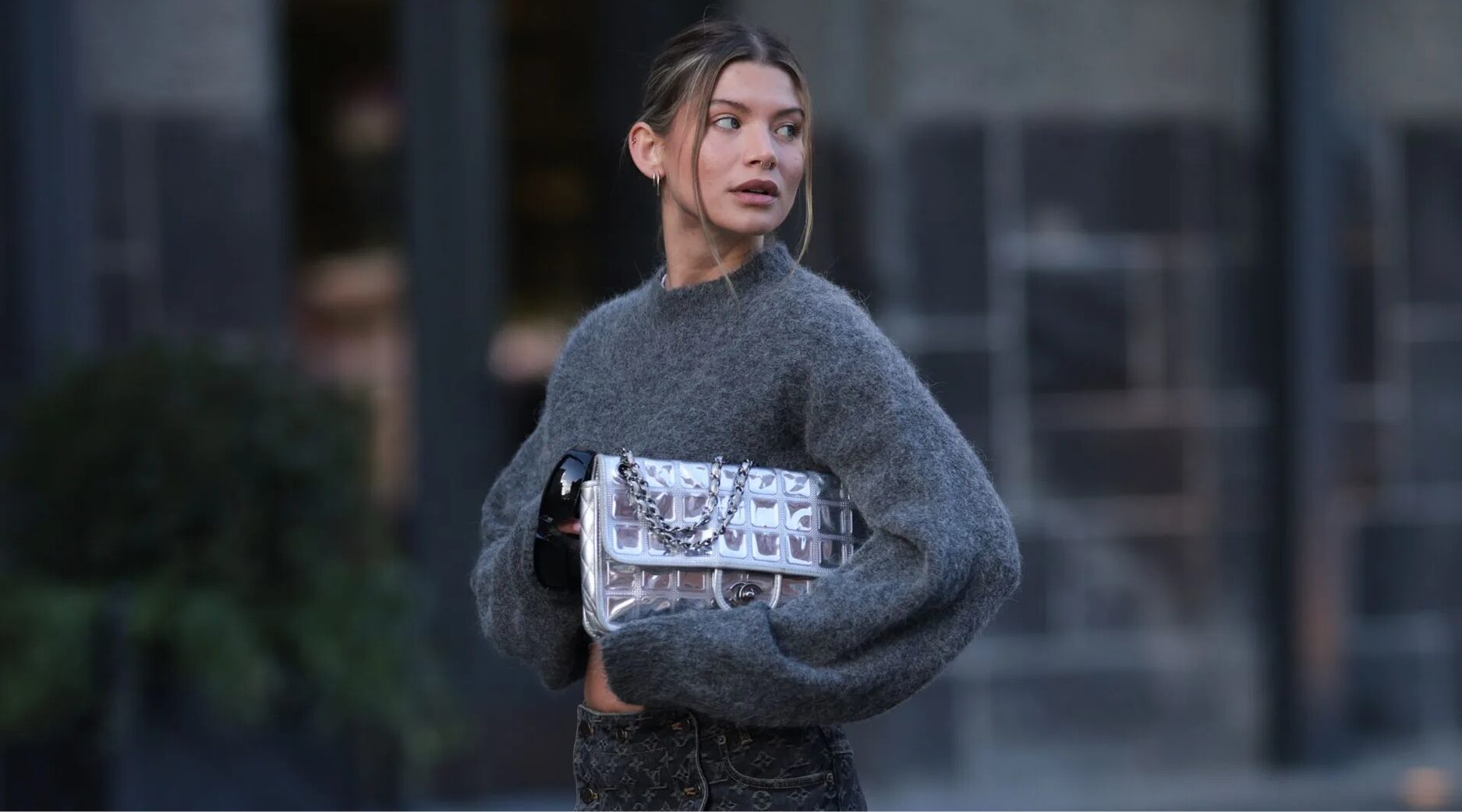
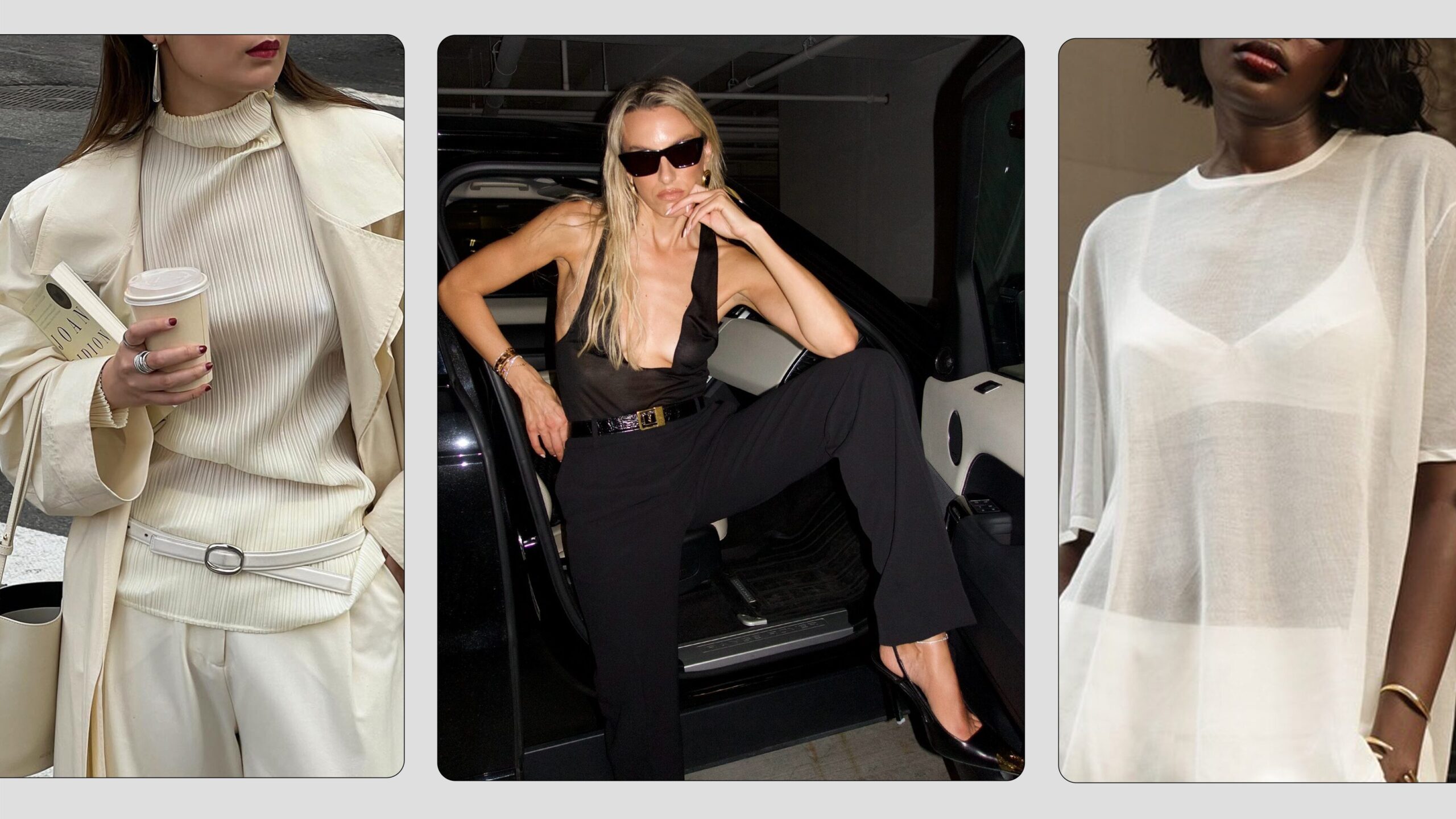
As the pages turn toward 2025, the fashion landscape reveals a compelling narrative of contrast and convergence. The industry is moving beyond fleeting aesthetics to embrace a more profound dialogue about personal well-being, sustainability, and identity. This year’s sartorial story is not one of rigid rules, but of empowered choices. It speaks to a collective desire for both joyful expression and quiet introspection, for nostalgic comfort and forward-thinking innovation.
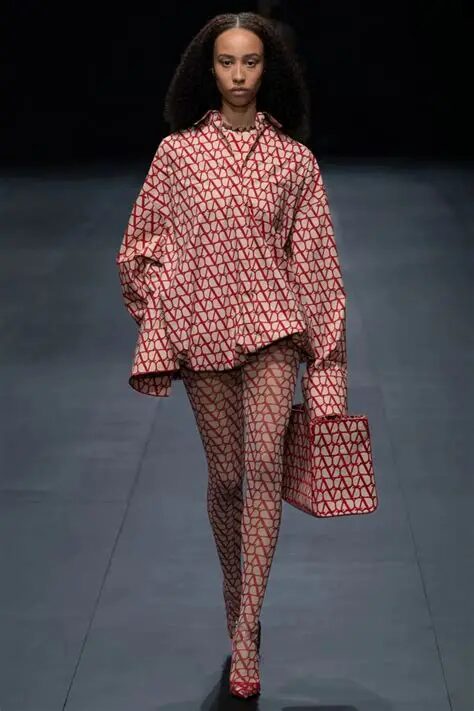
The essential trends of 2025 reflect a celebration of “soft power”—a concept where fashion is used not to command, but to enchant, captivate, and express an inner strength that doesn’t need to shout. From the mood-boosting vibrancy of Dopamine Dressing to the hushed elegance of Quiet Luxury, the modern wardrobe is becoming a toolkit for self-curation. We are witnessing the bold return of Y2K optimism, the deepening commitment to eco-conscious principles, and the definitive dismantling of gendered dress codes. This is fashion at its most personal and potent, a reflection of a world rediscovering its identity one thoughtfully chosen piece at a time.
Dopamine Dressing: The Power of Chromatic Joy
In 2025, color is not merely a design element; it is a philosophy. Dopamine dressing, the practice of using vibrant hues to elevate mood and confidence, has transcended its origins as a niche wellness concept to become a central pillar of contemporary style. This movement is rooted in color psychology, which confirms that specific shades can trigger positive emotional and neurological responses. It’s a sartorial strategy that prioritizes personal joy over conforming to fleeting trends, empowering the wearer to dress for themselves from the inside out.
The runways have embraced this philosophy with unabashed enthusiasm. Designers are moving beyond seasonal palettes to champion shades that evoke optimism and energy. Think less of transient fads and more of timeless emotional expression. We’re seeing everything from radiant yellows to airy, fresh powder pinks taking center stage, challenging the dominance of muted neutrals. The message is clear: your wardrobe can be a source of strength and happiness. The connection between color and emotion is now fundamental to how we express ourselves.
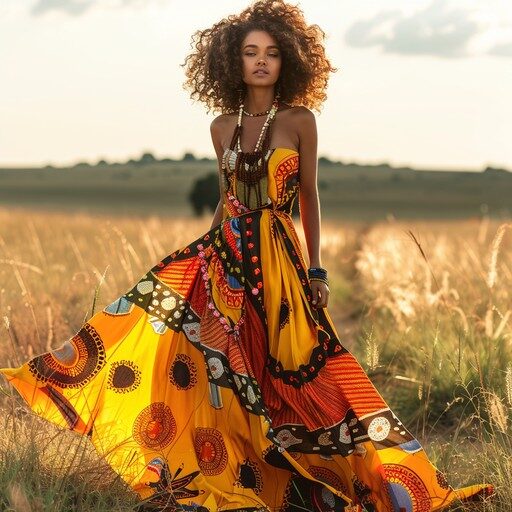
This trend extends beyond just clothing. It’s being integrated into every facet of personal style, from bold nail art to vivid accessories, creating a holistic approach to feel-good fashion1. By consciously selecting colors that make us feel good, we are not just choosing an outfit; we are setting an intention for our day.
Y2K Revival: A Modern Lens on Millennium Nostalgia
Fashion’s cyclical nature has brought the turn of the millennium roaring back into the spotlight, and the Y2K revival is proving to be more than just a fleeting moment of nostalgia. The early 2000s were a time of unbridled technological optimism, playful self-expression, and a healthy dose of sartorial rebellion—sentiments that resonate deeply in 2025. This comeback, fueled by social media and championed by a new generation of style icons, reinterprets the era’s most memorable looks with a contemporary edge.
Key elements of this trend include:
- Futuristic Metallics and Low-Rise Silhouettes: The iconic low-rise jeans, cargo pants, and micro-minis are back, often rendered in shimmering metallic fabrics or paired with modern staples for a fresh feel.
- Playful Textures and Baby Tees: Think glitter, rhinestones, and translucent jelly materials alongside the quintessential cropped baby tee, which celebrates individuality and fun.
- Rebellious Accessorizing: The ethos of Y2K was “more is more.” This translates to over-the-top accessories, from colorful sunglasses to chunky platform shoes and baguette bags, all designed to make a statement.
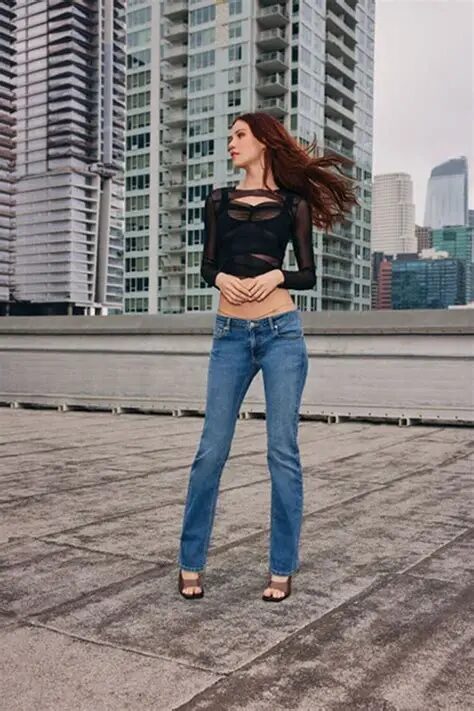
However, the 2025 iteration of Y2K is not a carbon copy of the past. It’s about capturing the spirit of that era—its boldness and embrace of individuality—and filtering it through a modern wardrobe. The silhouettes are refined, the styling more intentional, and the overall effect is a sophisticated nod to a time when fashion dared to be fearless and fun.
Quiet Luxury: The Eloquence of Understatement
In a direct counterpoint to the exuberance of other trends, Quiet Luxury continues its reign, championing a “less is more” philosophy that has become synonymous with true elegance. This movement, which gained momentum in the post-pandemic era, rejects conspicuous logos and fleeting trends in favor of impeccable craftsmanship, high-quality materials, and timeless design. It is a form of “soft power” dressing, where influence is projected through subtlety and sophistication rather than overt branding.
At its core, quiet luxury is about investing in pieces that whisper, rather than shout. Think logo-free bags from brands like Bottega Veneta, identified only by their signature woven leather, or the perfectly cut, unadorned coats from The Row. The focus is on heritage, quality, and the sensory experience of the garment—the feel of buttery soft suede or the drape of a perfectly tailored blazer. These are clothes for those who recognize quality instinctively, for whom style is a private language understood by a discerning few.
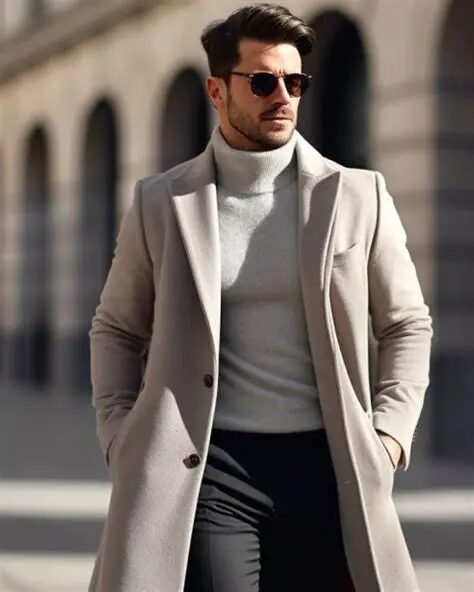
This aesthetic is not about austerity; it is about a confident and pared-back approach to dressing. Designers are softening once-sharp corporate tailoring into slouchier trench coats and oversized suiting, creating ensembles that are powerful yet comfortable. It’s a testament to the idea that true luxury doesn’t need to announce itself—its quality is self-evident.
Sustainable Statements: Fashion with a Conscience
The conversation around sustainability in fashion has evolved from a niche concern to a driving force of innovation. For 2025, sustainable fashion is not just about choosing organic cotton; it’s about making a deliberate statement through conscious consumption and supporting a more responsible industry. Consumers are increasingly demanding transparency and accountability, pushing brands to rethink their entire production lifecycle.
This has given rise to several key movements:
- Circular Fashion: The linear “buy, wear, discard” model is being replaced by a circular one focused on longevity. Upcycling, recycling, and take-back programs that repurpose old garments are becoming industry standards, reducing waste and extending the life of clothing.
- Eco-Friendly and Vegan Materials: Innovation in textiles is booming. Designers are embracing alternatives like organic cotton and recycled polyester, as well as cutting-edge, lab-grown materials7. Vegan fashion is also on the rise, with materials like mushroom and pineapple leather offering stylish, cruelty-free options.
- Supply Chain Transparency: Shoppers want to know the story behind their clothes. Brands are responding by using technologies like blockchain to provide verifiable information about a product’s journey from raw material to finished garment, fostering trust and ethical practices.
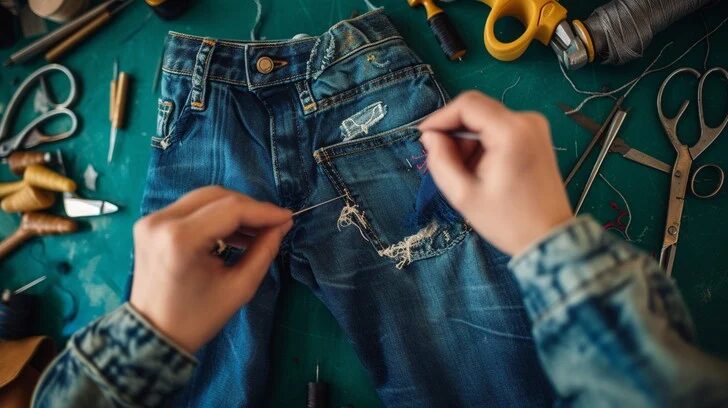
This shift also encompasses a “buy less, choose well” mindset. The focus is moving toward building capsule wardrobes with high-quality, versatile pieces that endure beyond seasonal trends, promoting a more mindful and sustainable approach to style.
Gender Fluidity: Erasing Sartorial Boundaries
In 2025, fashion continues its powerful charge toward inclusivity by embracing gender-fluid design. This trend is about dismantling the archaic divisions between “menswear” and “womenswear,” focusing instead on creating versatile, expressive clothing for everyone, regardless of gender identity. It is a celebration of individuality, comfort, and style that transcends traditional labels.
This movement draws inspiration from historical moments of androgyny—like the power suits of the 1980s—but reimagines them for a contemporary audience. The foundation of the gender-fluid wardrobe is built on well-designed, adaptable silhouettes. We are seeing a rise in expertly tailored blazers, relaxed-fit trousers, and oversized coats that are designed to fit a variety of body types. Asymmetry is also a key feature, offering dynamic and unconventional shapes that defy categorization.
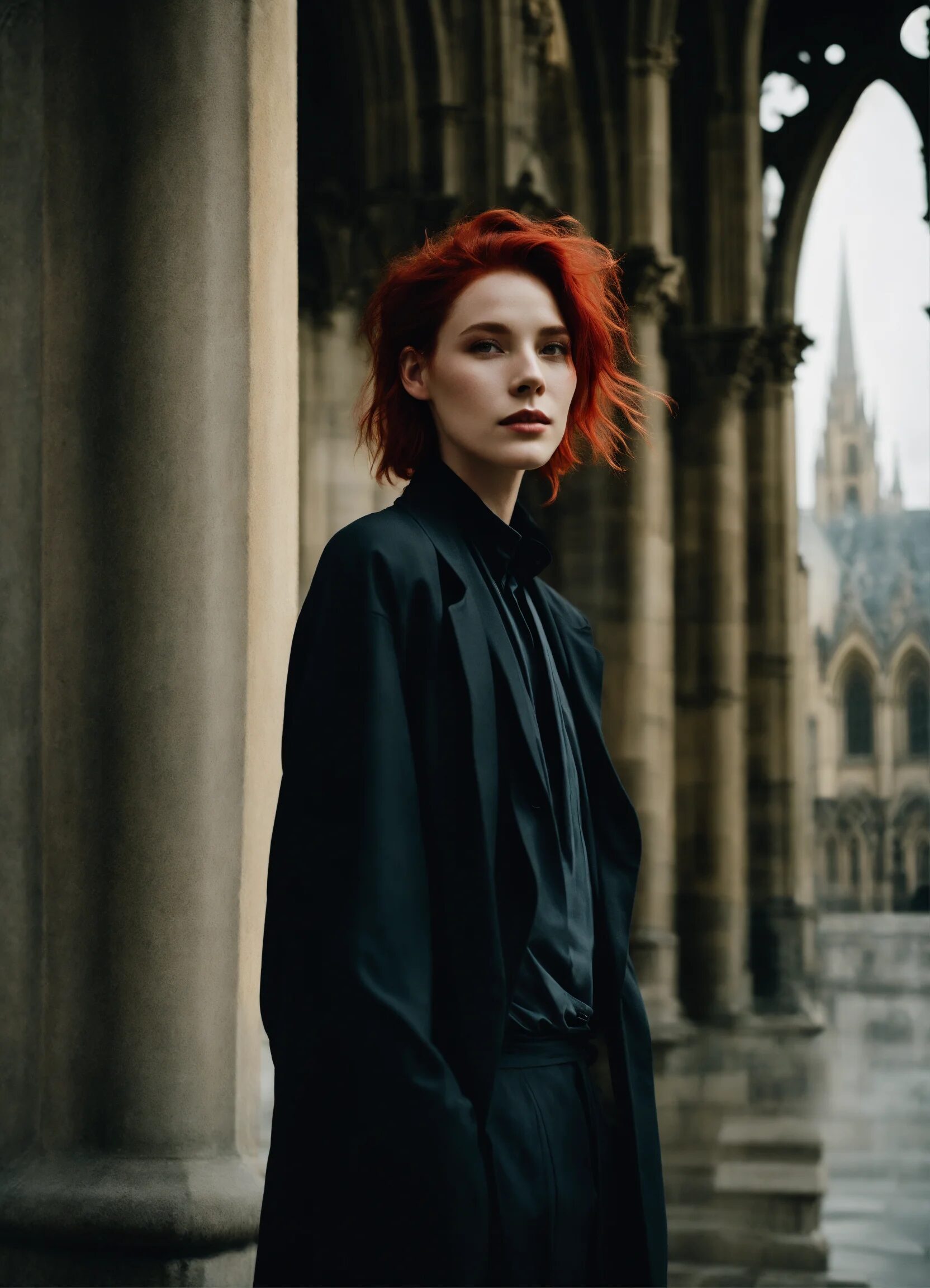
The beauty of gender-fluid fashion lies in its focus on personal expression. It encourages individuals to build a wardrobe based on what feels authentic to them, rather than what is prescribed by societal norms. It is a liberating approach that places the power of identity firmly in the hands of the wearer.
Statement Accessories: The Art of Amplification
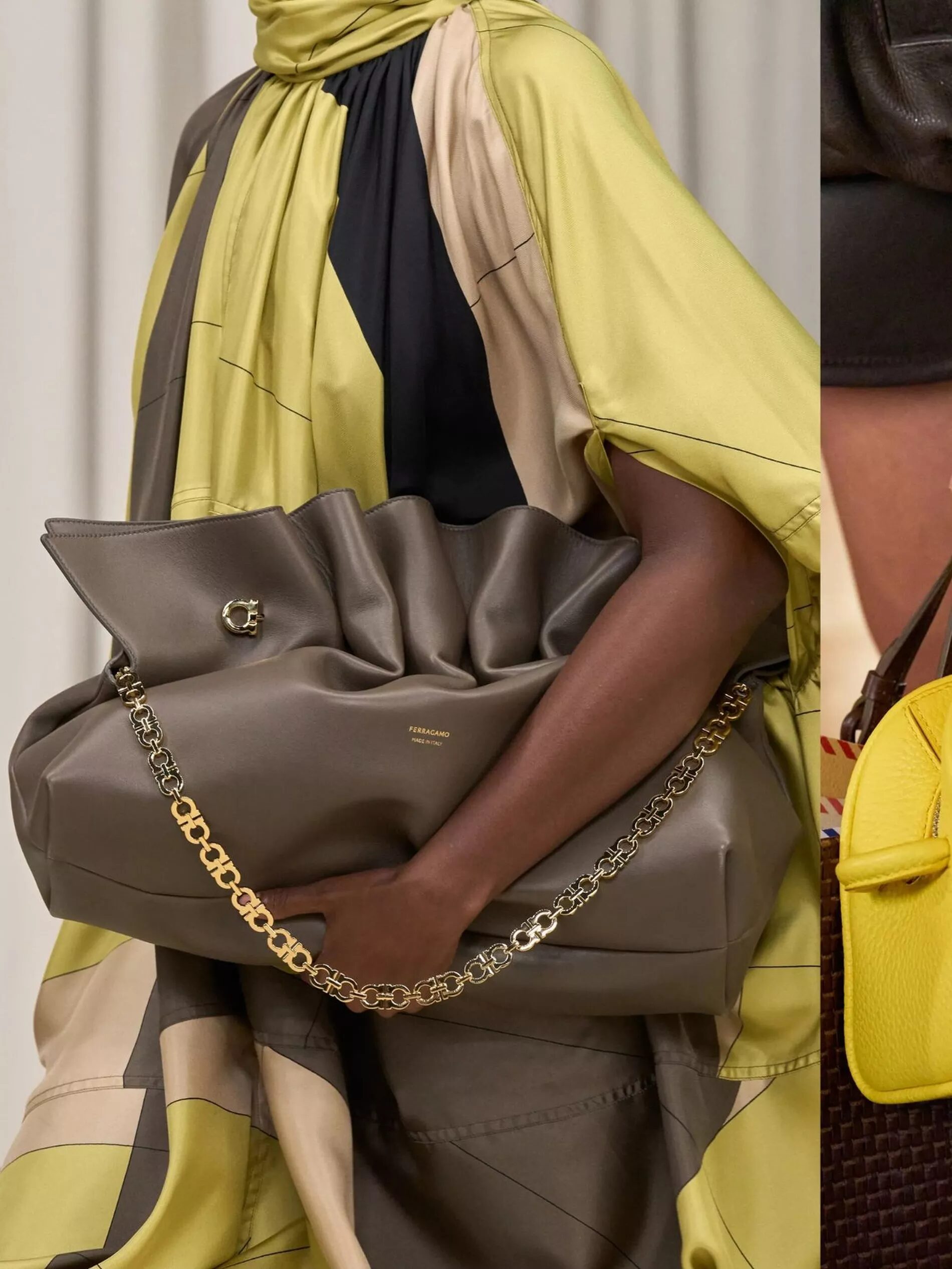
While silhouettes and fabrics define the mood, 2025 proves that statement accessories are the exclamation point of any outfit. This trend is less about a specific style and more about a philosophy of amplification. Whether complementing the minimalism of quiet luxury or the maximalism of dopamine dressing, bold accessories are the key to transforming a look from simple to sublime.
For those embracing quiet luxury, a single, sculptural cuff bracelet or a structured, oversized tote in a sumptuous leather provides a focal point without compromising the aesthetic’s understated principles. In the world of dopamine dressing, accessories become another canvas for joyful color—think brightly hued handbags or chunky, playful jewelry that enhances the mood-boosting effect of the clothing. The Y2K revival brings back its own brand of audacious accessorizing, with oversized sunglasses, embellished belts, and platform shoes making a confident return. These pieces are not afterthoughts; they are central to the narrative of the outfit, providing personality and a powerful finishing touch.
Tech Meets Street: The New Utilitarianism
At the intersection of innovation and urban style, a new aesthetic is emerging: Tech Meets Street. This trend fuses the high-performance functionality of technical apparel with the effortless cool of streetwear. It reflects a modern need for clothing that is not only stylish but also adaptable, intelligent, and built for a life in motion. This forward-looking trend echoes the tech-optimism seen in the Y2K revival but grounds it in practical, everyday applications.
Key features of this trend include smart fabrics with properties like water resistance, temperature regulation, and enhanced durability. Silhouettes are often modular and utilitarian, featuring convertible elements, ample pocketing, and ergonomic construction. The aesthetic is clean and futuristic, blending seamlessly into the urban environment. While not yet a dominant runway theme in the traditional sense, this fusion is growing organically as designers respond to a culture that values both form and function. It represents the next logical step for streetwear, moving beyond logos and graphics to a more sophisticated expression of modern utility.