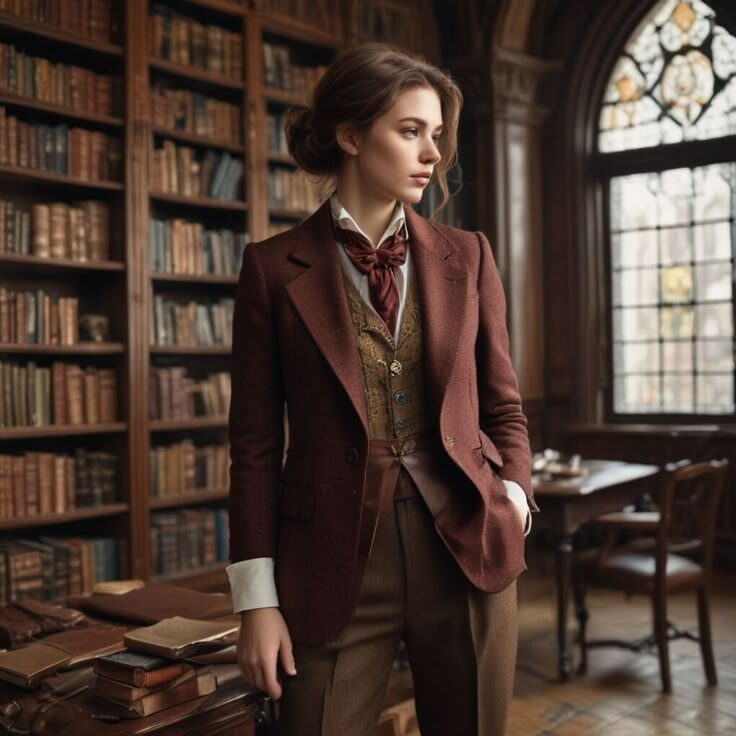
She walks past in worn Repetto flats, vintage Levi’s perfectly faded, a simple stripe marinière tucked carelessly into denim, hair that looks three days unwashed yet somehow impossibly chic. A vintage leather bag slung across her shoulder. Red lipstick applied without a mirror. She looks like she rolled out of bed this way—and therein lies fashion’s greatest con: that effortlessness you’re seeing took decades of cultural conditioning to perfect.
October 2025, and the internet remains obsessed with “French girl style”—that mystical aesthetic promising anyone can achieve Parisian elegance through purchasing the right striped shirt. Fashion brands profit immensely from this fantasy. The reality? French style isn’t about acquisition. It’s about rejection.
Real Parisian style operates on principles American and British fashion industries actively discourage: buy less, wear longer, prioritize fit over trends, embrace imperfection as sophistication. These concepts threaten capitalism’s growth model. No wonder they’re romanticized but rarely authentically taught.
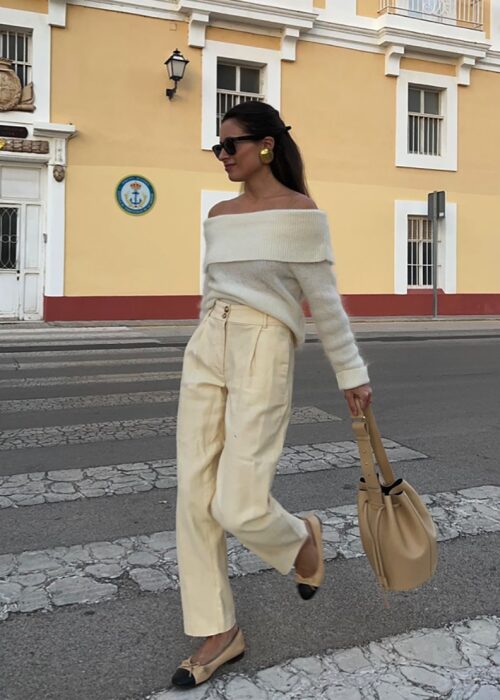
The Foundational Philosophy: Less Is the French Religion
French style begins with radical restraint. Where American fashion encourages closet abundance, Parisian women operate from scarcity principle—own fewer pieces, wear them repeatedly, maintain them meticulously. This isn’t poverty; it’s intentional curation.
The average French woman owns approximately 60% fewer clothing items than her American counterpart. Yet she appears more consistently stylish. Mathematics explains this paradox: fewer pieces mean higher quality per item, better fit through tailoring, deeper familiarity with each garment’s possibilities.
The Capsule Reality:
A true Parisian wardrobe centers on 20-30 core pieces worn year-round. Not 30 items per season—30 items total. These pieces coordinate effortlessly because they’re selected specifically for interchangeability.
This forces discipline American consumers rarely exercise. You can’t impulse-purchase trendy pieces when operating from capsule mentality. Every addition requires considering: Does this work with my existing 25 pieces? Will I wear it 50+ times? Does it justify its closet space?
The Anti-Trend Stance
French women don’t chase trends—they observe them from distance, occasionally incorporating elements that align with existing aesthetic. This creates the illusion they’re always “on trend” while actually remaining largely unchanged.
Example: When leopard print resurfaces, a Parisian might add vintage leopard-print scarf to her existing neutral wardrobe. An American fashion enthusiast buys leopard coat, pants, shoes, bag—then looks dated when the trend passes. The French woman simply removes the scarf. Her wardrobe remains intact.
This approach requires confidence in personal style independent of external validation. French fashion education emphasizes developing individual aesthetic rather than following prescribed trends. Americans receive opposite messaging—constant pressure to update, refresh, stay current.
“The most Parisian thing you can do is stop trying to look Parisian. Authenticity comes from wearing what genuinely suits you, not what Instagram says French girls wear.”
— Jeanne Damas, French influencer & designer
The Color Doctrine: Neutrals Aren’t Boring
French wardrobes operate on neutral foundation with occasional color accents—never the reverse. Black, navy, white, camel, grey, and burgundy dominate. These create cohesive base allowing any piece to work with any other piece.
Americans often interpret this as “boring” or “safe.” But neutrals provide canvas for texture, silhouette, and styling creativity. When every piece coordinates, getting dressed simplifies radically. No more “nothing to wear” despite full closets.
The French Color Hierarchy:
Tier 1 (70% of wardrobe): Black, navy, white, grey, beige/camel
Tier 2 (20% of wardrobe): Denim blue, burgundy, olive, chocolate brown
Tier 3 (10% of wardrobe): Accent colors—red, mustard yellow, soft pink
Notice what’s missing: neon, pastels (except very specific shades), anything that “pops.” French color preferences lean muted, sophisticated, easily combined. This creates visual coherence whether wearing head-to-toe black or mixing five neutral pieces.
The Accent Color Strategy
When French women incorporate color, they do it strategically—one piece per outfit, never competing hues. A red lip with neutral clothing. A burgundy sweater with black trousers. A mustard scarf with camel coat.
This restraint makes color feel intentional rather than chaotic. It also extends wardrobe versatility—that burgundy sweater works with black, navy, grey, camel, and white bottoms. A multicolor patterned sweater works with… maybe two things.
The Silhouette Balance: Proportions Over Trends
French styling genius lies in proportional balance—fitted with loose, structured with relaxed, masculine with feminine. This creates visual interest without relying on prints, embellishments, or trendy cuts.
Classic Combinations:
→ Fitted turtleneck + wide-leg trousers
→ Oversized blazer + slim jeans
→ Flowing midi dress + structured leather jacket
→ Boxy sweater + tailored pencil skirt
The formula: contrast is essential. All fitted looks frumpy. All oversized looks sloppy. The tension between structure and ease creates that elusive “effortless” aesthetic.
The Undone Element
Nothing should look too perfect. This might be French style’s hardest concept for Americans to grasp. We’re conditioned toward polish—matching, coordinated, intentionally composed. French aesthetic embraces imperfection as sophistication.
The Undone Techniques:
Shirt cuffs rolled imperfectly, exposing wrists
Top buttons left undone on blouses, creating casual neckline
Sweaters pushed up forearms rather than pulled down
Hair gathered in loose, messy buns or left naturally textured
Jeans cuffed unevenly at ankles
These small “imperfections” signal confidence and authenticity. They communicate “I didn’t spend two hours getting ready—I just threw this on.” Even when, of course, considerable thought went into the seemingly careless combination.
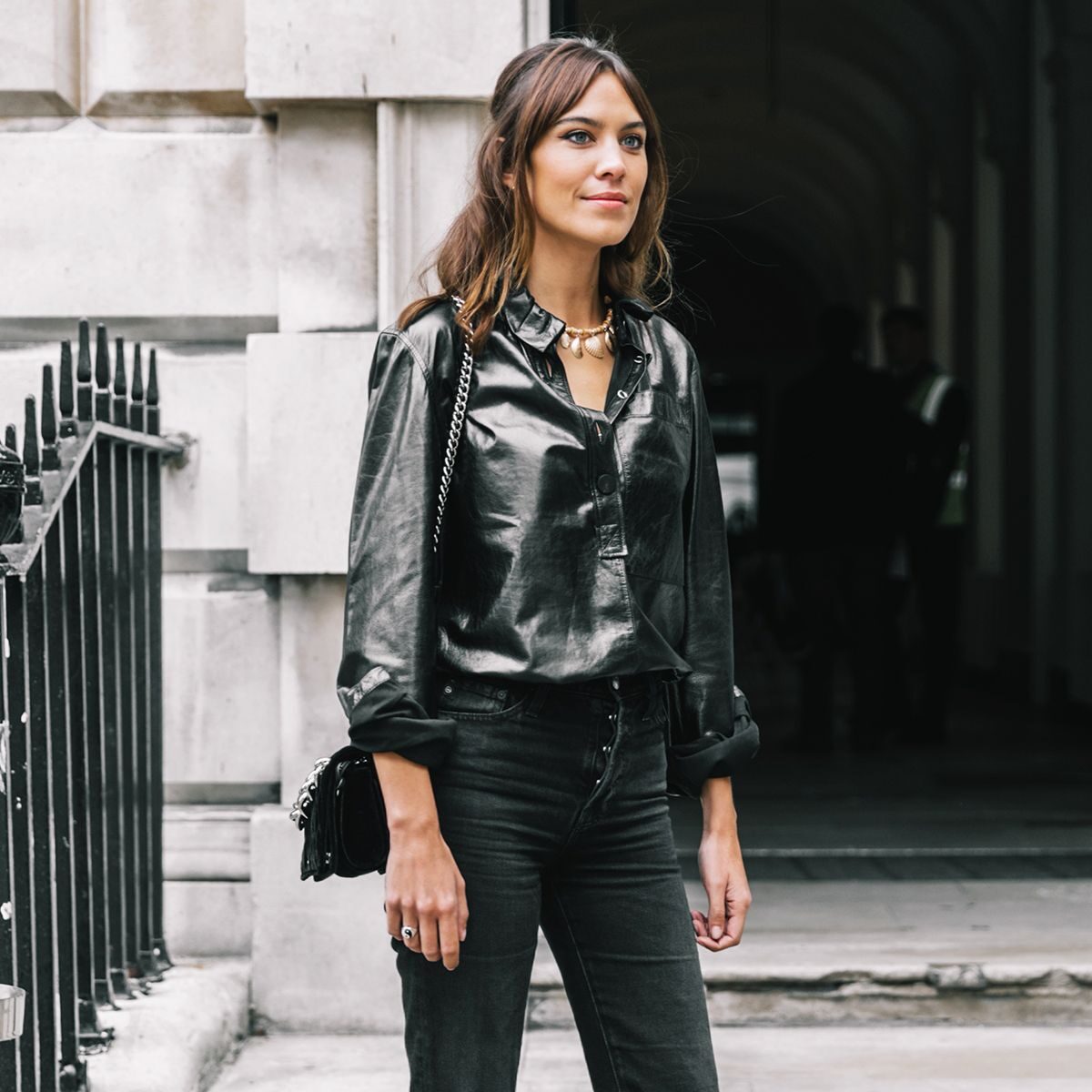
The Wardrobe Essentials: What They Actually Wear
Internet lists of “French wardrobe essentials” often miss the mark by focusing on specific items rather than principles. Real Parisian wardrobes contain these categories, but brands and styles vary based on individual taste and body type.
The Fall 2025 Reality
October 2025 street style in Paris reveals what French women actually wear—not what fashion magazines claim they wear.
1. Suede Jacket (Not Leather)
Fall 2025’s unexpected hero: butter-soft suede jackets in cognac, chocolate, or olive. More approachable than leather, easier to style casually. Parisians layer them over everything—dresses, knits, even summer slip dresses transitioning into fall.
The styling: worn slightly oversized, often vintage, paired with slim bottoms to balance proportions.
2. Wide-Leg Trousers (The New Skinny Jean)
Skinny jeans officially retired from Parisian wardrobes. Wide-leg, slightly cropped trousers in wool, cotton twill, or denim dominate. The silhouette elongates legs while feeling infinitely more comfortable.
Critical detail: the crop. Ending just above ankle bone shows off shoes while maintaining elegant proportions. Too long looks sloppy; too short looks awkward.
3. V-Neck Knits (Replacing Crewnecks)
V-necks create more flattering necklines than crewnecks—they elongate torsos and frame faces beautifully. French women choose fine-gauge merino or cashmere in solid neutrals.
The styling secret: layering thin v-necks under blazers or coats, or wearing alone with jeans and statement shoes.
4. Pull-On Knee-High Boots
Practical luxury: soft leather boots that pull on easily (no zips or buckles) in black or brown. They pair with everything—dresses, skirts, wide-leg trousers tucked in or over.
The French avoid: embellished boots, excessive heel heights, anything looking “try hard”.
5. The Belted Moment
Belts resurged dramatically in Paris fall 2025. Not skinny belts—substantial leather belts worn over everything. Blazers, coats, sweaters, dresses. The effect: instant waist definition and visual interest.
Styling rule: belt should be quality leather in neutral color. The belt becomes the outfit’s anchor, so choose well.
| Category | French Approach | Avoid |
|---|---|---|
| Denim | Dark indigo, straight or wide-leg, worn repeatedly | Distressed, embellished, extreme washes |
| Footwear | Loafers, ballet flats, simple boots, minimal sneakers | Athletic shoes casually, logo-heavy sneakers |
| Outerwear | Trench coat, blazer, suede jacket, wool coat | Puffer coats, overly sporty styles |
| Accessories | Silk scarf, leather bag, minimal jewelry | Statement necklaces, excessive layering |
| Bags | Structured leather, crossbody or tote, neutral | Logo-heavy, overly trendy shapes |
The Beauty Philosophy: Natural With One Bold Choice
French beauty operates on same restraint principles as fashion—enhance rather than transform. The goal isn’t flawless perfection but healthy, confident authenticity.
The Formula:
Great skin (prioritized above all else) + minimal makeup + one statement element.
That statement might be red lips, bold brows, or winged liner—never all three simultaneously. The rest stays neutral, fresh, barely-there.
Hair: The Undone Crown
French hair philosophy: texture over style, movement over hold, natural over engineered. Air-dried waves, messy buns, simple ponytails. American blow-dry perfection reads as “trying too hard” in Parisian context.
This doesn’t mean unwashed or unkempt—it means embracing natural texture instead of fighting it. Curly-haired French women wear curls. Straight-haired women embrace sleekness. Fine hair gets textured with salt spray, not teased into submission.
The result: hair that moves, that you can run fingers through, that looks lived-in rather than shellacked.
The Accessories Doctrine: Less Is Always More
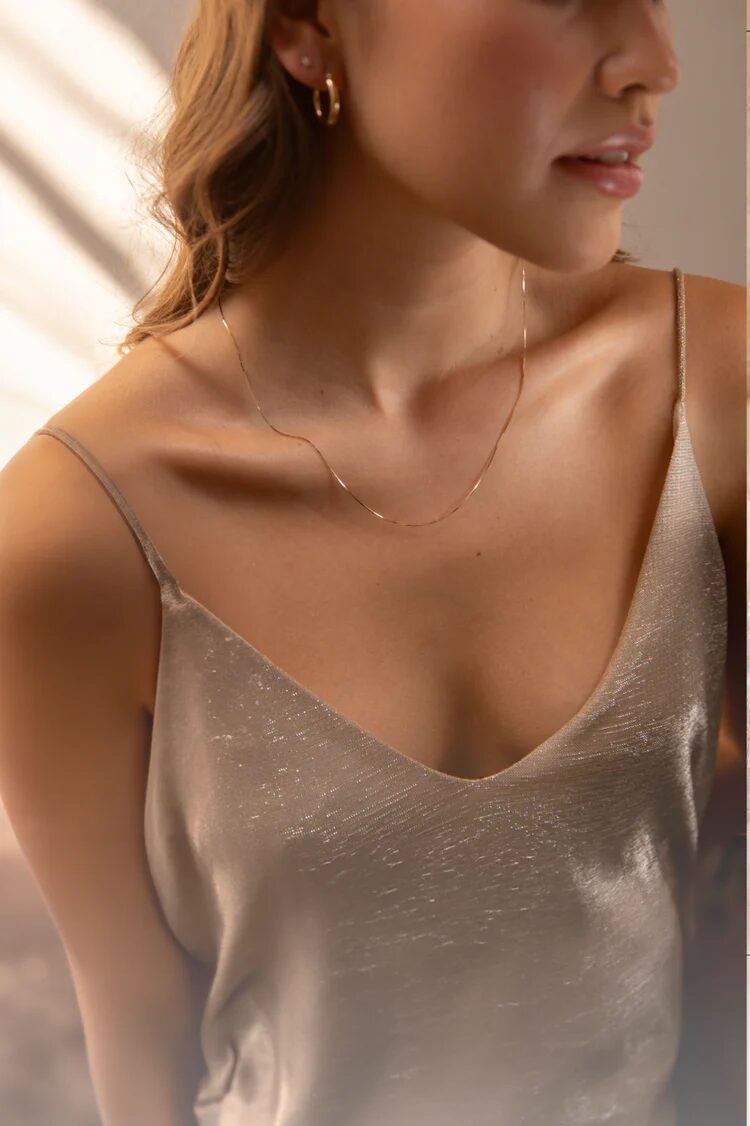
French accessorizing operates on “one statement, everything else quiet” principle. Never competing elements—that creates visual chaos.
The Hierarchy:
If wearing statement earrings → skip the necklace
If carrying colorful bag → keep jewelry minimal
If wearing bold shoes → everything else neutral
This restraint allows each piece to shine individually rather than fighting for attention. It also simplifies getting dressed—fewer decisions, less overwhelm.
The Scarf Mastery
Silk scarves represent quintessential French accessory—versatile, timeless, instantly elevating. But Americans often wear them incorrectly, looking costume-y rather than chic.
French Scarf Rules:
→ Tie loosely, never tightly
→ Let ends hang naturally, don’t arrange precisely
→ Choose prints that coordinate with outfit neutrals
→ Wear frequently, not just “special occasions”
The scarf shouldn’t look like The Statement—it should blend naturally into overall aesthetic while adding subtle interest.
The Denim Non-Negotiables
If French women wear one category obsessively, it’s denim. But their approach differs radically from American trends.
The French Denim Rules:
1. Dark Wash Only (Generally)
Light, faded, distressed denim reads too casual for Parisian aesthetic. They prefer dark indigo that looks polished enough to wear with blazers and heels.
2. Straight or Wide-Leg Cuts
Skinny jeans disappeared from Parisian wardrobes circa 2022. Current preference: straight-leg (Levi’s 501 style) or wide-leg with slight crop.
3. Minimal Detailing
No rhinestones, embroidery, excessive whiskering, or designer logos. Clean, classic denim that becomes more personal through wear, not through manufactured distressing.
4. The Fit Matters More Than Brand
French women tailor their jeans. If waist fits but legs are too long, they hem them. If vintage jeans fit perfectly in thighs but loose at waist, they alter them. Perfect fit trumps original design.
What French Women Actually Avoid
Understanding French style requires knowing what they reject as much as what they embrace.
Athletic Wear as Casual Wear
Yoga pants, athletic leggings, sneakers (except minimal styles like Common Projects or Stan Smiths)—these stay in gyms. French women change after workouts rather than running errands in activewear.
Obvious Logos
Luxury purchases happen, but logo-covered pieces stay home. That €2,000 handbag? It’s Bottega Veneta intrecciato—recognizable to those who know, invisible to everyone else.
Matching Sets
Suit sets, matching loungewear, coordinated outfits—these feel too “done.” French style thrives on interesting combinations, not matched perfection.
Excessive Layering
Three layers maximum. More than that looks bulky and complicated. Strategic layering creates interest; excessive layering creates confusion.
Statement Everything
Statement shoes + statement bag + statement jewelry = fashion victim. Pick one. Keep everything else simple.
The Confidence Component: The Intangible Essential
Here’s what fashion articles rarely address: confidence makes French style work. The attitude of “I know I look good, and I don’t need your validation” radiates from Parisian women regardless of actual outfit quality.
This confidence stems from cultural factors Americans can’t purchase:
→ Fashion education starting young—French girls learn style principles from mothers and grandmothers
→ Less social pressure around appearance—French culture values intellectual and cultural capital alongside physical presentation
→ Different beauty standards—French ideal celebrates individual features rather than homogenized perfection
You can copy outfits exactly and still miss the essence if you lack the attitude. The clothes are tools; confidence is the craft.
The Weekly French Wardrobe Challenge
Week 1: Wear only neutrals. Discover which combinations feel most “you.”
Week 2: Leave something undone daily—rolled sleeves, loose hair, one button undone.
Week 3: Repeat three outfits multiple times. Notice how familiarity breeds confidence.
Week 4: Accessorize with ONE statement piece daily. Everything else stays quiet.
The Reality Check: It’s a Lifestyle, Not a Costume
The most important truth about French style: it’s integrated into daily life, not performed for special occasions. French women dress this way for grocery shopping, school pickup, coffee with friends—not just Instagram photos.
This everyday application matters enormously. American women often “save” nice pieces for special events, defaulting to athleisure for daily life. French approach inverts this—wear your nice things regularly, maintain them properly, enjoy them fully.
The psychological shift: you’re not “dressing up”—you’re simply dressed. This mindset change affects posture, confidence, and how you move through the world.
French girl style in October 2025 remains what it’s always been—disciplined restraint, quality over quantity, confidence over perfection. The internet will continue selling you striped shirts and promising Parisian transformation. The reality requires harder work: developing personal style, embracing imperfection, wearing fewer things more intentionally.
That je ne sais quoi everyone chases? It’s not in what you wear. It’s in the attitude that you don’t particularly care what anyone thinks about what you’re wearing. Paradoxically, that’s when you finally look French.
Start small: Choose three pieces you already own that feel authentically “you.” Wear only those for one week, styling them differently each day. That’s the beginning of real French style—knowing yourself, not copying others.