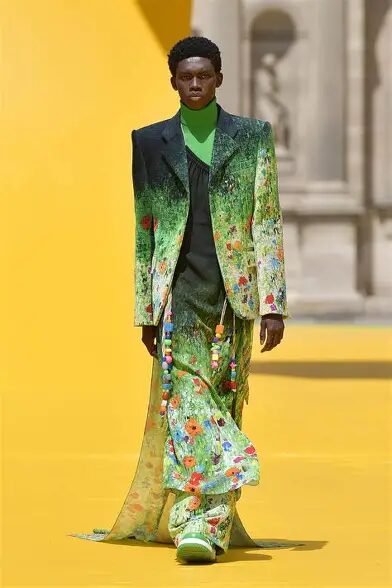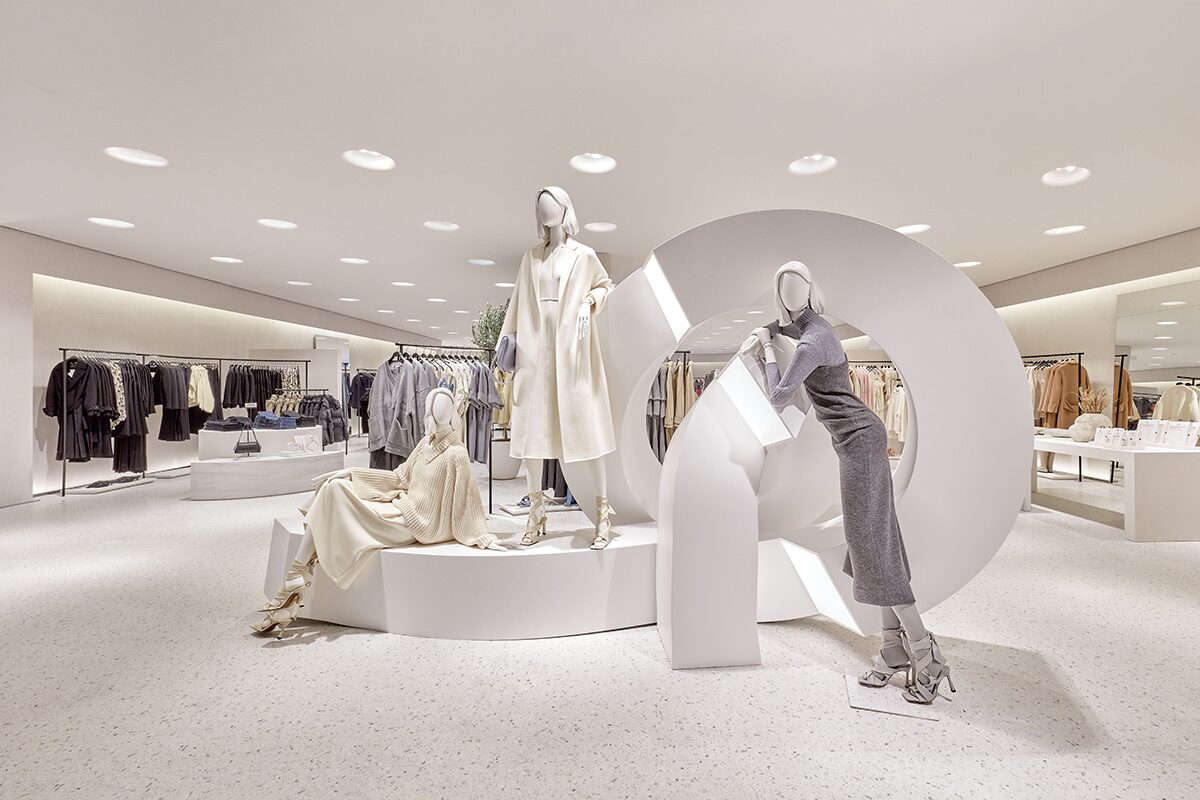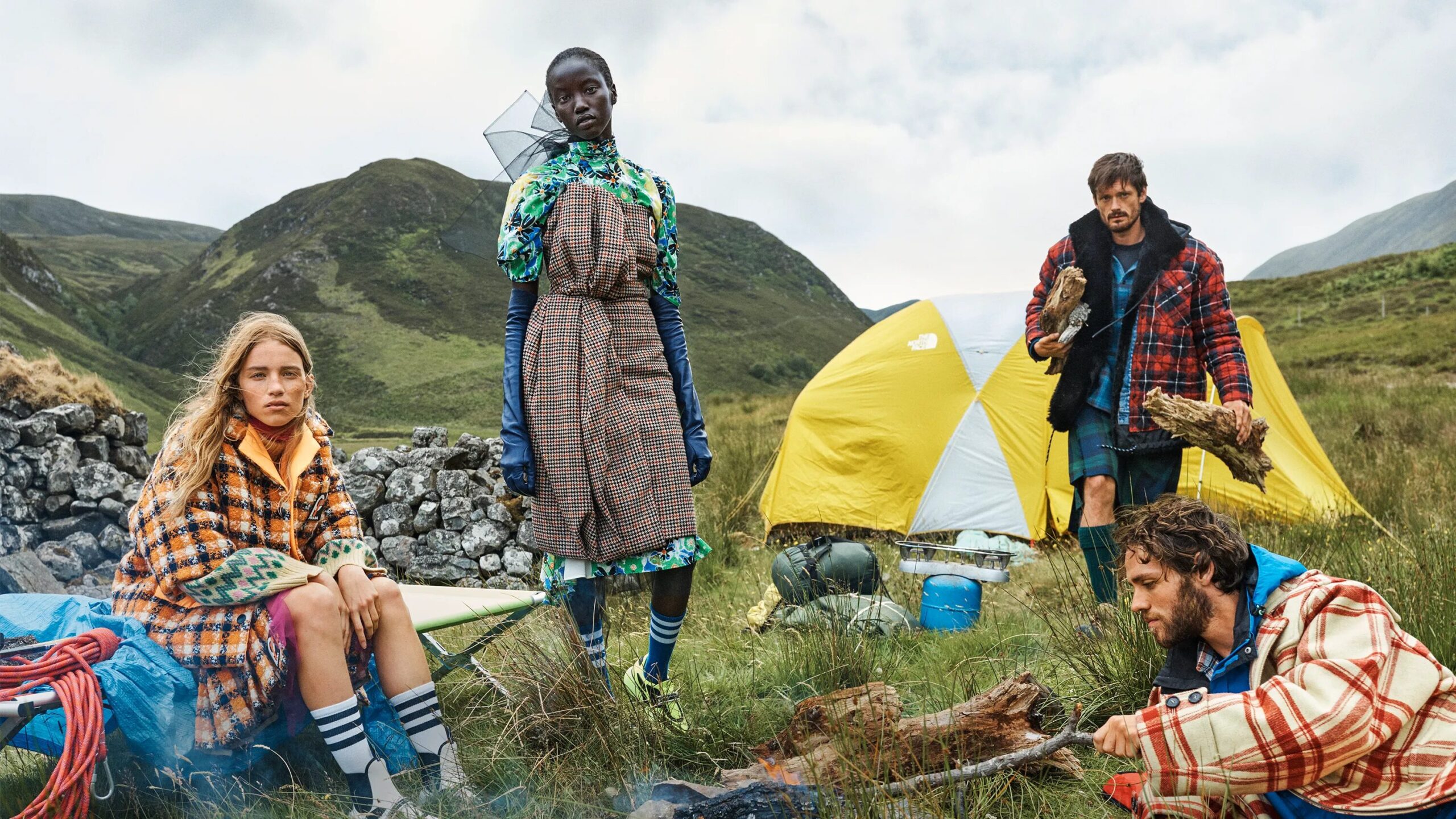
Arc’teryx’s collaboration with Jil Sander generated $2.3 million in pre-order revenue in 72 hours. That was September 2025. By November, Lyst ranked “technical jacket” as the fastest-rising fashion search term globally. The word “gorpcore” started as hiking slang. It described fleece, trail runners, and granola-bar pockets. Now it appears in Vogue, in Selfridges buying guides, and in LVMH internal trend reports. Outdoor fashion didn’t climb toward luxury. Luxury climbed down to meet it.
Now the real question is: what took so long?
The Data That Changed the Buying Conversation
The outdoor apparel market hit $67 billion globally in 2024. It is heading toward $98 billion by 2029. The fastest-growing segment? Luxury technical. Not performance gear. Not hiking equipment. The hybrid category where outdoor engineering meets fashion intention.
On Farfetch, searches for “technical outerwear” grew 178% across 2025. Net-a-Porter launched a dedicated “Technical Luxury” edit in August 2025. It sold through at 94% within six weeks. Ssense began shelving Arc’teryx Veilance alongside Lemaire and Jil Sander. That editorial proximity is deliberate. It signals a permanent category shift.
The number that matters most: the average transaction value in luxury technical sits at €620. That beats luxury knitwear averages. It beats luxury denim. Consumers are buying technical pieces as investments. Not as functional necessities.
This is the moment to reconsider your outerwear budget. A well-chosen technical piece at €400–€900 works across city, travel, and outdoor contexts. The versatility justifies the investment.
Why This Trend Has Real Staying Power
Three forces converged. None of them are going away.
Climate made the practical case. Unpredictable weather is no longer seasonal. It is constant. A London morning in March 2025 required managing five degrees and heavy rain. By afternoon: seventeen degrees and sun. A technical jacket handled both situations. A wool overcoat handled neither. That argument is now undeniable.
Post-pandemic dressing changed expectations permanently. Consumers spent two years in soft, functional clothing. They returned to formal dressing selectively. They kept the comfort requirement. Technical fabrics — breathable, weather-resistant, movement-friendly — satisfy both demands at once.
Sustainability shifted material values. Recycled nylon, bio-based insulation, and PFC-free water-repellent treatments are now purchase criteria. They were once niche features. For the 25–40 demographic, they are now standard expectations. Luxury brands need this audience. Technical brands already have them.
If your city has variable weather, a Gore-Tex lined technical jacket fills a genuine wardrobe gap. Buy once. Use it for five-plus years. The cost-per-wear logic is hard to argue with.
The Brands Leading the Movement
The hierarchy is clear. Knowing it helps you spend smarter.
Arc’teryx Veilance is the benchmark. Veilance is Arc’teryx’s urban line. It strips outdoor iconography from a performance base. The Mionn IS jacket (€575) uses Coreloft synthetic insulation inside a refined nylon twill shell. It looks like a sophisticated city jacket. It performs like mountaineering equipment. Buy your standard size. It runs precise.
Zegna has moved furthest into technical territory from a traditional luxury base. Their Oasi Cashmere × nylon hybrid outerwear retails between €1,200 and €2,800. The fabrication genuinely bridges both worlds. It is not cosplay. It is engineering with a luxury finish.
Goldwin is the brand most fashion insiders watch closely. This Japanese performance brand entered European luxury retail in 2024. Gore-Tex seaming is decorative as well as functional on their pieces. Zipper placement is architectural. Pricing sits between €400 and €1,800. Stock is limited. That scarcity is structural, not manufactured.
CP Company holds the heritage position. The brand has produced technical outerwear with fashion sensibility since 1975. Their Metropolis jacket is the entry bridge — functional enough for real weather, refined enough for dinner. It retails around €650. It is the single most recommended starting point by stylists currently working in this space.
First investment: CP Company Metropolis Series or Arc’teryx Veilance Mionn IS. Both deliver the look and the performance. Both hold resale value well. Buy black or dark navy for maximum versatility.
“Technical clothing is the most honest fashion category. The fabric either performs or it doesn’t. The construction either holds or it doesn’t. There is nowhere to hide behind silhouette or branding alone.” — Lorenzo Osti, CP Company creative archive
How to Wear It Without Looking Like a Hiker
The styling rules are specific. Follow them and the look reads directional. Ignore them and it reads activewear.
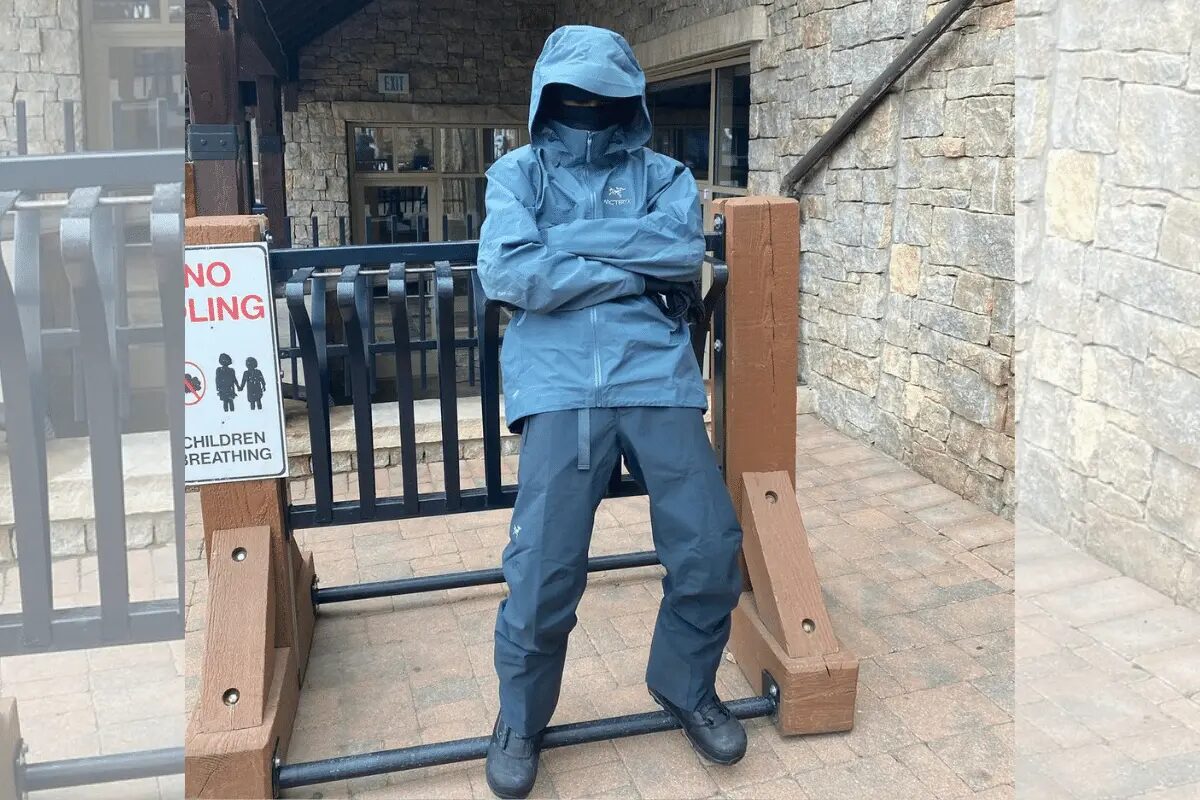
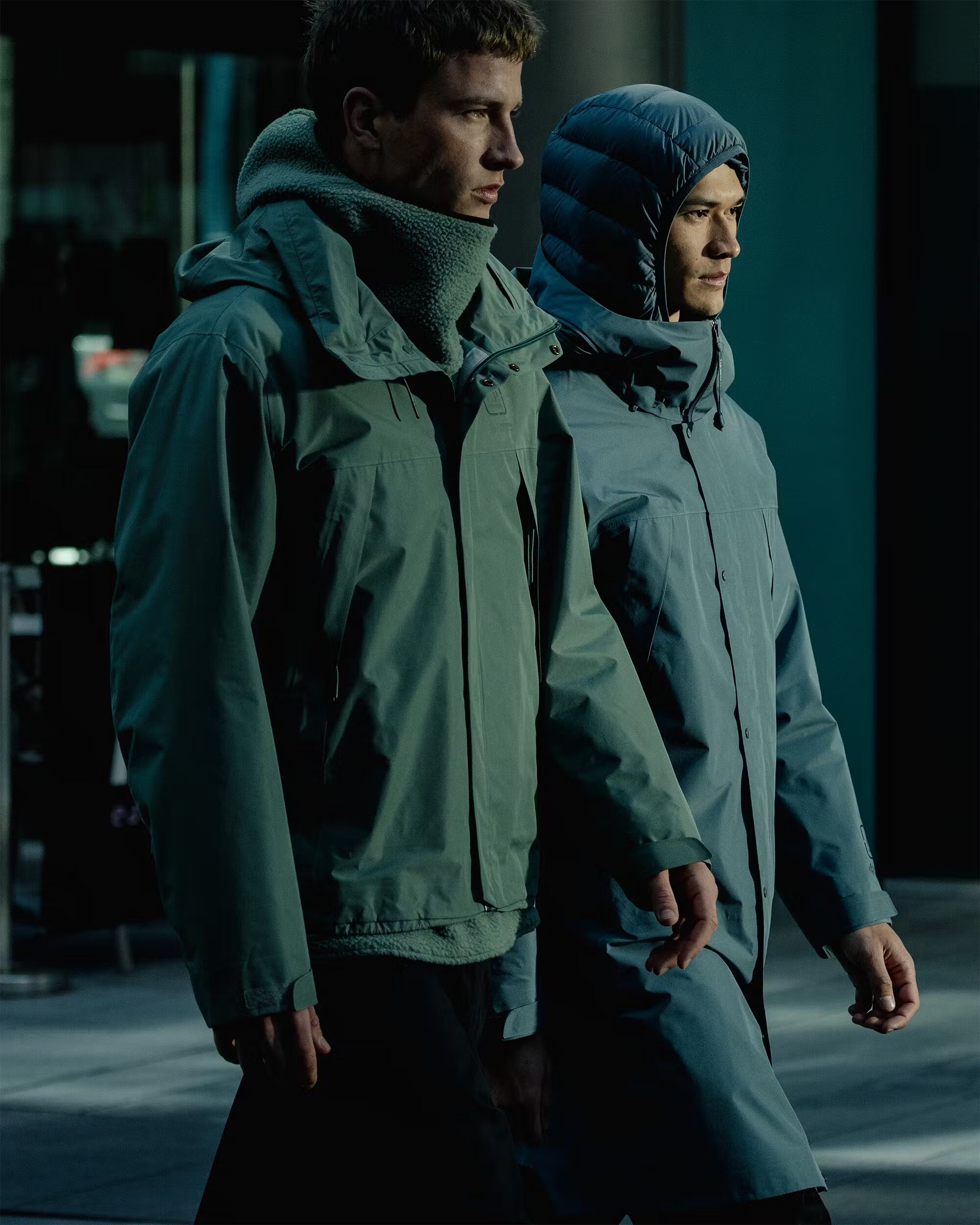
Contrast is everything. A Gore-Tex shell over tailored trousers and leather shoes reads intentional. The same shell over joggers and trail runners reads functional. One refined element elevates the entire look. Choose it deliberately.
Fit matters more here than in most categories. Technical outerwear runs with room for layering. That extra volume works on a mountain. In a city context, it reads shapeless. Size down one if you’re wearing it over light layers only. The silhouette should be clean and deliberate.
One technical piece per look. A technical jacket over a technical mid-layer over technical trousers is a hiking outfit. That is all it is. One statement technical piece. Keep everything else simple and refined.
Let the construction details show. The best technical pieces have visible seaming, YKK zippers, and clean pocket geometry. These details are the design. Don’t obscure them with bulky scarves or oversized bags.
For women: a fitted technical shell over a silk midi skirt and clean leather trainers is one of the most versatile combinations this trend offers. The contrast between performance fabric and fluid silk is exactly what makes it work.
Fabrics, Colours, and the Details That Separate Good From Great
Understanding the technical vocabulary changes how you shop.
Gore-Tex is the waterproofing standard. It blocks water entry while letting vapour escape. Products with a Gore-Tex label have passed third-party performance tests. It adds cost. It is worth the cost for pieces you plan to own long-term.
Pertex is lighter than Gore-Tex. It is less waterproof but more packable. It suits transitional city weather well. Many Goldwin and Norrøna pieces use Pertex. It is the right choice if serious outdoor performance isn’t your priority.
Schoeller is the technical textile most present in luxury hybrid pieces. It stretches. It resists water. Its surface is refined and photographs well. Zegna and Kjus both use it regularly. It bridges performance and luxury most convincingly.
Colour is decisive right now. Black, dark navy, and slate grey dominate the current palette. These work across the widest range of styling contexts. But the next colour direction is already visible. Goldwin’s SS26 collection introduced terracotta and sage in technical fabrications. Deep, muted earth tones are coming. Watch for them by late 2026.
When shopping technical outerwear, look specifically for seam-sealed construction, articulated elbows, and helmet-compatible hoods. These details signal genuine performance engineering. They also indicate longer product lifespan.
- Gore-Tex: Best waterproofing, third-party certified, highest cost — right for long-term investment pieces
- Pertex: Lightweight, packable, ideal for city transitional use — accessible price entry
- Schoeller: Stretch, refined surface, best for hybrid luxury-performance styling
- Buy now in: Black, dark navy, slate grey — the most versatile palette for city styling
- Watch for: Terracotta, sage, and muted earth tones arriving in SS26 collections
Where the Trend Is Heading
Gorpcore luxury is not peaking. It is broadening.
Footwear is the next frontier. Salomon and On Running have secured luxury retail placement. Salomon’s XT-6 now sits beside New Balance 550s at Dover Street Market. On Running’s Loewe collaboration in 2024 moved technical trainers permanently into fashion territory. That conversation intensifies through 2026 and 2027.
The women’s market is underdeveloped. Most luxury technical pieces have been designed around a male silhouette base. That gap is closing. Gramicci’s women’s expansion, Arc’teryx Veilance’s dedicated women’s collection, and several 2026 collaborations are addressing it. The women’s side of this category is early. Early means better value and more available stock right now.
Sustainability credentials are becoming requirements. Brands without documented PFC-free treatments, recycled material percentages, and repair programs will lose ground. Patagonia and Arc’teryx have built these features into their core product logic. The luxury hybrids are catching up quickly.
If you invest in one technical piece this season, prioritize the one with the strongest sustainability documentation. That documentation will matter for resale value within 24 months as the secondary market for technical luxury develops.
Are you already building technical outdoor pieces into your regular wardrobe — or does the aesthetic still feel distant from your current style? And which brand interests you most: Arc’teryx Veilance, Goldwin, or CP Company? Tell us in the comments.