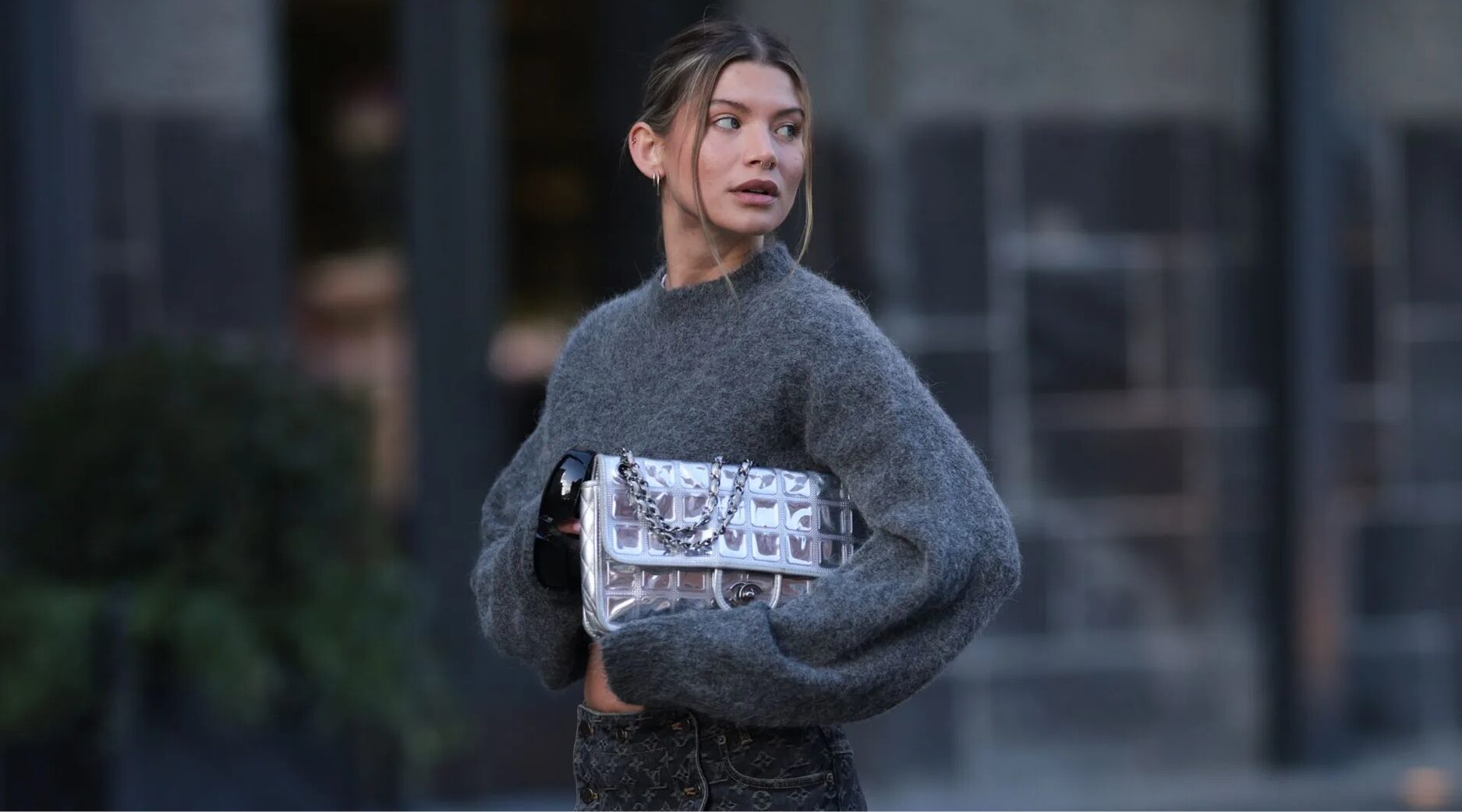
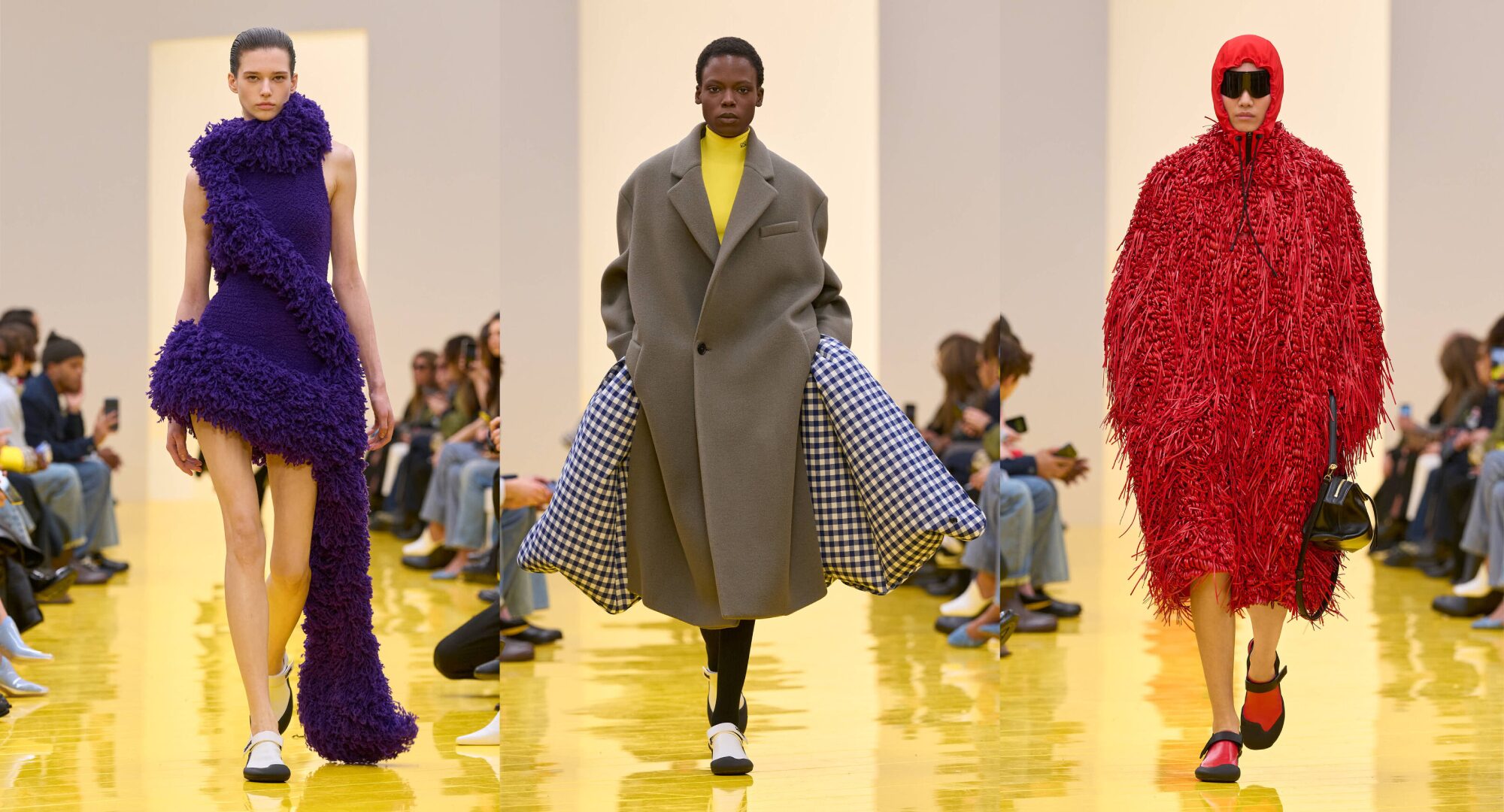
Net-a-Porter recorded a 210% increase in knitwear searches in Q4 2025. Not casual knitwear. Not the kind you sleep in. Structured, sculptural, architecturally considered knitwear — pieces with volume at unexpected places, negative space as a design element, and fiber selection treated with the seriousness reserved for couture fabric. At Loewe’s Autumn/Winter 2025 show, Jonathan Anderson sent out a cocoon-shaped mohair sweater with a deliberately dropped shoulder and curved hem. It retailed at $1,850. It sold out within six days of delivery. The waitlist currently runs to 340 names across Net-a-Porter and MatchesFashion combined.
That is not a sweater story. That is a cultural repositioning story.
The Numbers That Confirmed a Category Shift
Knitwear was never absent from fashion. But it occupied a specific register. Comfortable. Transitional. Secondary.
That register has collapsed. The data tells a direct story. Lyst’s 2025 Year in Fashion report ranked knitwear as the fastest-growing product category by search volume. Growth outpaced denim, outerwear, and tailoring. Simultaneously, the average transaction price for knitwear on luxury platforms increased 34% year-over-year. Consumers are not buying more sweaters. They are buying fewer, more expensive, more considered ones.
The runway confirms it. Of the 42 major Autumn/Winter 2025 collections reviewed by Vogue Runway, 31 featured knitwear as a lead category — not a supporting player. At The Row, knitwear comprised 40% of the collection. At Bottega Veneta, Matthieu Blazy built his opening sequence entirely around knitted pieces with structural boning visible at the waist. At Issey Miyake, the pleated knit concept pushed into new territory with interlocking geometric rib structures.
These are not brands that follow. They move first. When all three converge on the same material, the material has arrived.
If you haven’t looked at your knitwear budget seriously this season, recalibrate. The price-per-wear math on a well-constructed wool or cashmere piece at $400–$800 now competes favorably with fast-fashion refresh cycles.
Why Knitwear Claimed the Runway Right Now
Three forces converged. None of them is accidental.
The first is material fatigue with rigid construction. Post-pandemic dressing shifted the body’s expectations permanently. Structured tailoring returned — but the consumer who returned to it had spent two years in soft, responsive fabrics. The appetite for structure without rigidity created an opening. Knitwear fills it precisely. A sculptural knit has shape. It holds silhouette. But it breathes, moves, and adapts to the body in ways that woven tailoring doesn’t.
The second force is craft visibility. The industry-wide conversation about artisanal production — driven by sustainability concerns and a reaction against disposable fashion — has elevated categories where the making process is inherently visible. You can see how a knitted piece was made. The stitch is the surface. The construction is the aesthetic. That transparency has cultural value right now.
The third is the economics of raw material investment. As consumers buy fewer pieces, they want those pieces to work harder. A sculptural knit in good-quality merino or alpaca can move from morning through evening with a single styling adjustment. It doesn’t require dry cleaning after every wear. It travels without wrinkling. The versatility coefficient is high. That matters to a buyer who is thinking in cost-per-wear terms.
If the entry price feels steep, start with a single sculptural knit piece rather than building a full knit look. A structured knit top at $200–$350 integrates into an existing wardrobe immediately. The full look comes later, once you’ve confirmed the silhouette works for your proportions.
The Designers and Brands Driving It
The movement has a clear hierarchy. Knowing it helps you buy smarter.
Loewe sits at the creative apex. Jonathan Anderson’s relationship with knit construction is technical and experimental. His team works with specialist knitters in Portugal and Japan. The results are pieces that look simple and reveal complexity only on close examination. A current Loewe knit may incorporate three different stitch densities within one panel. It may use weight variation to create drape that mimics woven fabric. These are design decisions, not manufacturing shortcuts. Price range: $850–$2,400. Worth every dollar if you are buying one investment piece this season.
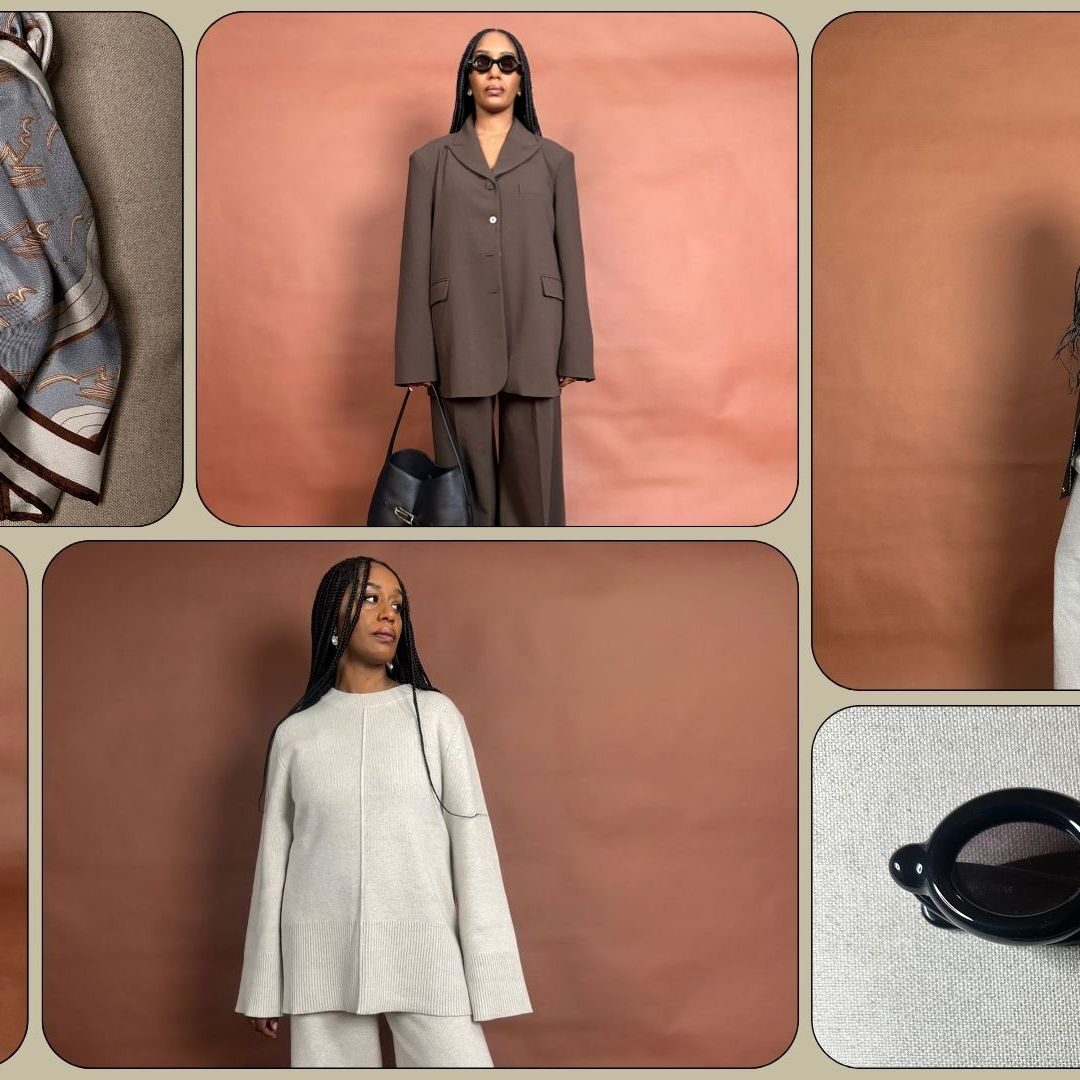
The Row handles knitwear with its characteristic restraint. The Ashland sweater — a wide-rib cashmere in neutral tones — has become a quiet benchmark for how expensive knitwear should feel. The Row sources its cashmere from Grade A Mongolian and Scottish suppliers. The weight is substantial. The hand is cool initially, warm within minutes. Price range: $890–$1,800. Their sales are rare. When they happen, move quickly.
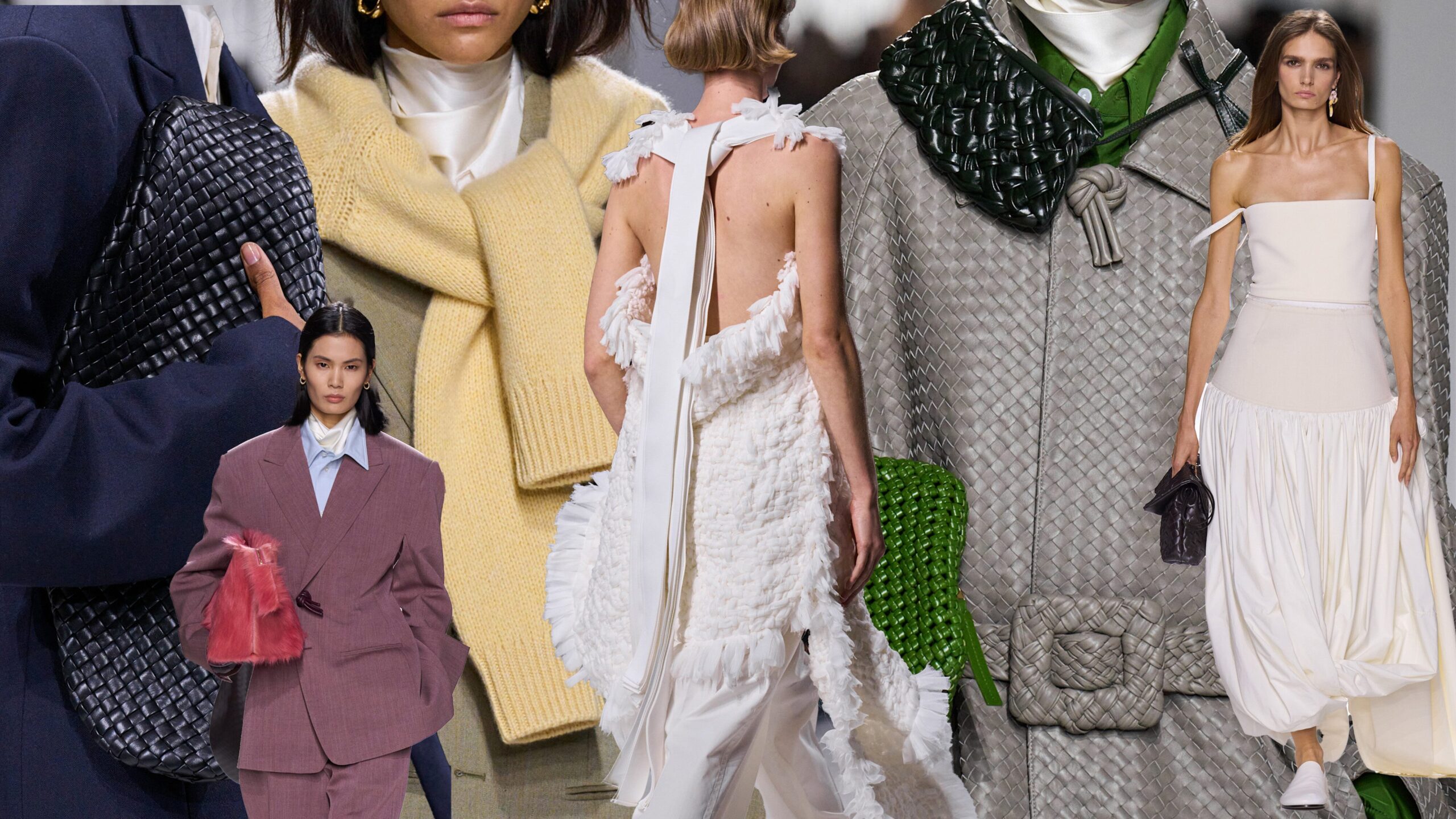
Bottega Veneta under Matthieu Blazy has introduced structural knit pieces that push the category toward tailoring territory. His intrecciato-inspired rib knit jackets treat knit construction the way the house treats leather. Deliberately. Structurally. The results are pieces that function as outerwear. Price range: $1,200–$3,200.
At more accessible price points, & Other Stories ($80–$180) and Arket ($120–$260) have both responded to the trend with better-than-expected execution. Their mohair blends in oversized silhouettes deliver the visual impact of the luxury pieces at a fraction of the investment. The fiber quality is lower. The structural integrity is shorter-lived. But for trend testing before committing to higher price points, both are credible options.
“Knitwear is the most honest category in fashion. The structure either holds or it doesn’t. The fiber either ages well or it doesn’t. You cannot hide poor decisions behind lining or interfacing. The knit tells you everything about what went into it.” — Matthieu Blazy, Creative Director, Bottega Veneta
How to Wear Sculptural Knitwear
The silhouette logic is different from standard dressing. Follow it deliberately.
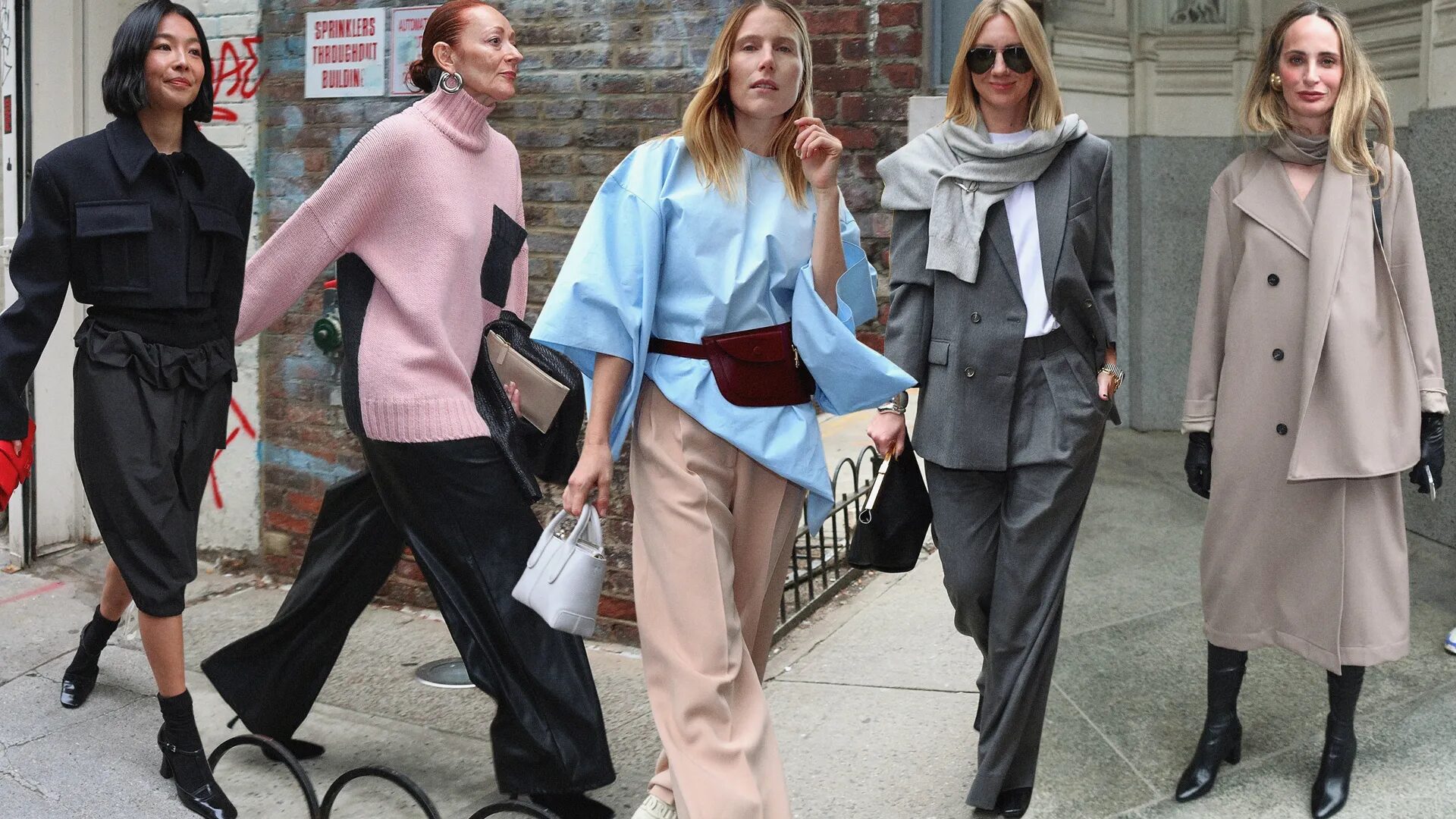
Rule one: One sculptural piece per look. A cocoon-shaped knit top needs a lean bottom. Wide-leg trousers in a fluid fabric, not a voluminous cut. A structured knit skirt needs a fitted top — ribbed, not oversized. The eye needs a clear anchor point. Two sculptural pieces compete. One leads.
Rule two: Let proportion do the work. Sculptural knitwear is built on proportion contrast. Exaggerated top, narrow bottom. Or narrow top, exaggerated skirt. Don’t flatten the proportion by choosing middle-ground pieces for the second element. Commit to the contrast.
Rule three: Footwear grounds the look. A voluminous knit with chunky footwear reads casual. The same knit with a pointed-toe flat or a minimal boot reads directional. The footwear decision changes the register of the entire outfit. Choose accordingly.
Rule four: Avoid over-layering. Sculptural knitwear needs air. A structured knit under a heavy coat loses its shape entirely. Wear it under a streamlined trench or a single-button long blazer. The knit should remain visible. If you can’t see the silhouette, the point is lost.
For petite frames, choose sculptural pieces with vertical rib orientation — vertical lines elongate without adding horizontal volume. Avoid dropped shoulders below the natural shoulder line. They shorten the torso visually.
Fiber Weight and Construction: What to Actually Look For
Not all knitwear labeled “sculptural” earns the description. The difference lives in three technical elements.
Gauge is the density of the knit — the number of stitches per inch. A fine-gauge knit (16–20 stitches per inch) produces fluid, lightweight fabric. It drapes. It doesn’t hold shape on its own. A chunky gauge (3–7 stitches per inch) produces the visible texture and structural weight that sculptural knitwear requires. When shopping, look at the stitch size. Larger, more visible stitches indicate lower gauge. That gauge is what creates the architectural quality.
Fiber content determines longevity. Pure wool, merino, and cashmere are the investment fibers. They hold their shape through washing and wear over years. Mohair adds surface texture and halo — it photographs well, and it softens against skin in a way that synthetic alternatives don’t replicate. Alpaca is warmer and lighter than wool, with excellent drape at heavier weights. Avoid acrylic blends above 30% in structured pieces. Acrylic relaxes under body heat. The silhouette you bought disappears after three months of wear.
Construction method distinguishes investment pieces from seasonal ones. Fully fashioned knitwear — where each panel is shaped on the machine, not cut from flat fabric — holds its structure indefinitely. Seams on fully fashioned pieces are smooth and flat. Cut-and-sew knitwear uses flat fabric cut and joined with visible seam allowance. Both are legitimate. Only fully fashioned justifies investment pricing.
When buying online, search specifically for “fully fashioned” in product descriptions. Brands that use this construction method advertise it because it represents genuine cost and quality. If the term doesn’t appear and the price is above $400, ask the retailer directly before purchasing.
- Gauge check: Visible, chunky stitches indicate structural weight — look for 3–7 gauge for maximum shape retention
- Fiber priority: Pure wool, merino, cashmere, or alpaca — avoid acrylic blends above 30% for pieces you expect to keep
- Construction: “Fully fashioned” label indicates investment-grade construction — worth asking about if it isn’t stated
- Proportion test: One sculptural piece per look — always build the rest of the outfit around the knit, not the other way around
- Entry point: & Other Stories or Arket for trend testing; Loewe or The Row when ready to invest long-term
Where Sculptural Knitwear Is Heading
This trend is not a single-season moment. It has structural momentum.
The craft conversation amplifies it. As consumers grow more interested in visible construction and artisanal production, knitwear is the category that most clearly rewards that interest. The making is literally visible in the stitch. That is a durable advantage over categories where construction is hidden inside lining.
Color is the next development. The current moment favors neutrals — oatmeal, ecru, charcoal, deep camel. These maximize the sculptural silhouette because nothing competes with the shape. But several Spring/Summer 2026 collections introduced sculptural knit in unexpected color. Bottega’s electric blue intrecciato knit jacket. Loewe’s acid yellow rib-knit column skirt. The move toward color in this category will accelerate through 2026.
The democratization of the technique will follow predictably. By Autumn/Winter 2026, H&M Studio and Zara’s premium line will have credible sculptural knit entries at $80–$150. That arrival doesn’t diminish the investment tier. It confirms it. When fast fashion adopts a construction language, the original execution becomes clearer by contrast.
If you’re considering a long-term investment in this category: the Loewe and The Row pieces available now are the ones that will age the most distinctively. Buy before the trend peaks. The market for pre-saturation pieces — those purchased before they become ubiquitous — holds better both in wearability terms and in the secondary market.
Which end of the sculptural knit spectrum draws you — the quiet investment neutrals of The Row and Loewe, or the bolder color direction emerging for Summer 2026? And have you found an accessible entry point that genuinely delivers on the trend’s structural promise? Tell us in the comments.