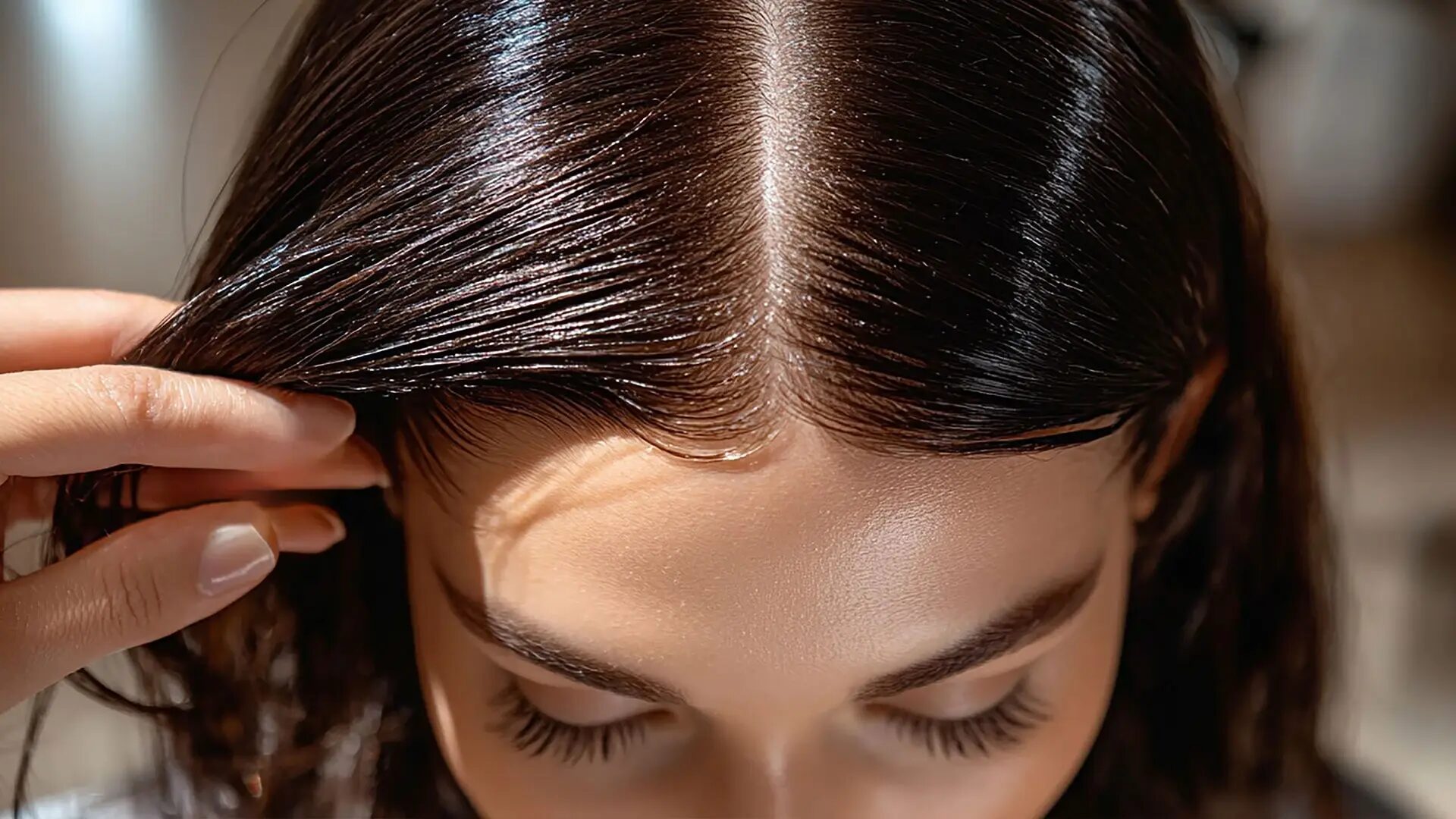
Scalp care product sales grew 48% globally between 2022 and 2024. Google searches for “scalp serum” outpaced “hair mask” for the first time in 2023 — and the gap has widened since. Sephora added a dedicated scalp care section in 2024. So did Cult Beauty. This didn’t happen because of a marketing push. It happened because dermatologists, trichologists, and formulators reached the same conclusion simultaneously: the scalp is skin. It has been neglected for decades. The consequences show up in your hair.
The Data Shift That Changed the Aisle
The numbers moved fast. The reasons moved faster.
The global scalp care market was valued at $9.3 billion in 2023. Projections place it above $14 billion by 2028. That growth is not cosmetic. It reflects a fundamental reclassification. Consumers stopped treating scalp issues — flaking, oiliness, thinning, sensitivity — as hair problems. They started treating them as skin problems.
This shift has direct precedent. The skincare industry spent two decades educating consumers about skin barrier function. That education created a framework. When scalp issues emerged — and stress, pollution, and product buildup accelerated them — consumers applied the same logic. The scalp has a barrier. The scalp has a microbiome. The scalp ages. It responds to actives.
The professional beauty industry confirmed this. Trichologists — hair and scalp specialists — reported a 60% increase in consultation bookings between 2021 and 2024 according to the British Association of Dermatologists. The most common presenting concern: scalp sensitivity and premature hair thinning linked to compromised scalp barrier function. Not genetics. Not age. Barrier compromise.
If you experience persistent flaking, oiliness, or diffuse shedding, start with the scalp — not the strand. The hair itself is dead tissue. It cannot be repaired. The scalp is living skin. It can be treated.
What Actually Happens at the Root
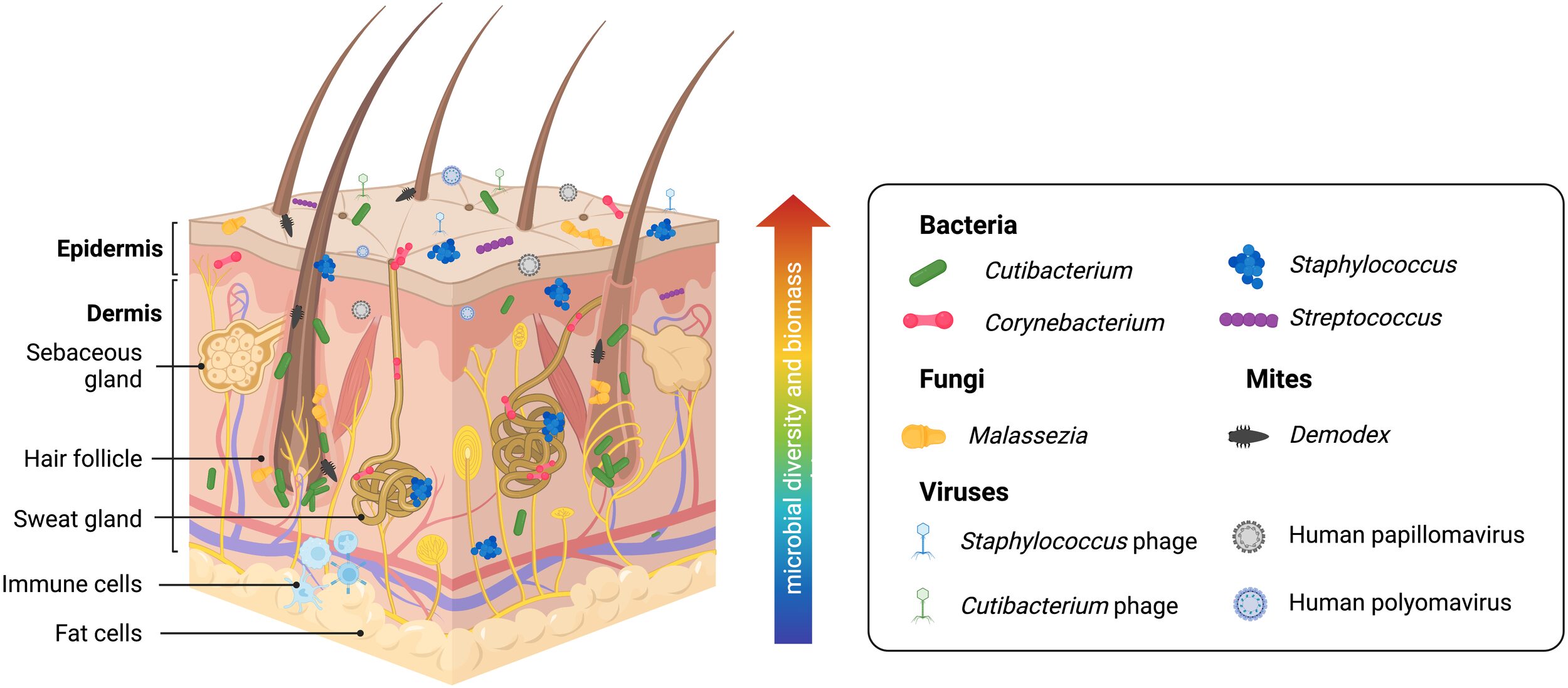
The scalp is the densest sebaceous (oil-producing) region on the body. It contains around 900 sebaceous glands per square centimeter. For comparison, facial skin carries approximately 400.
That density has consequences. Sebum accumulates faster. Product buildup compounds it. Oxidized sebum — old oil sitting on the scalp — creates an environment where Malassezia yeast proliferates. That yeast is naturally present on all human scalps. When it overgrows, the immune system responds with inflammation. That inflammation is what causes dandruff and seborrheic dermatitis. It’s not dryness. It’s a yeast-triggered inflammatory response.
Simultaneously, the scalp’s microbiome regulates hair follicle function. Disruption of that microbial environment — through sulfate-heavy shampoos, hot water, and over-cleansing — weakens the follicular environment. Weakened follicles produce thinner hair over time. They also become more sensitive to androgenic hormones. That accelerates pattern thinning in both men and women.
The pH science mirrors facial skincare exactly. Healthy scalp pH sits between 4.5 and 5.5. Most conventional shampoos run pH 6–8. Repeated alkaline cleansing lifts the cuticle, disrupts the acid mantle, and destabilizes the microbiome with every wash.
“Most people treat their scalp roughly and their strands gently. The logic is completely backwards. Healthy hair begins with a functioning scalp environment — and that environment is fragile.” — Dr. Anabel Kingsley, trichologist, Philip Kingsley
Products That Work — Matched to Your Scalp Type
Not all scalp concerns need the same approach. Matching product category to scalp type is the first decision.
For oily or buildup-prone scalps:
Clarifying scalp scrubs and pre-wash treatments work best here. The Briogeo Scalp Revival Charcoal + Coconut Oil Micro-Exfoliating Shampoo ($42) uses micro-encapsulated binchotan charcoal to absorb oxidized sebum. Use it once weekly. Daily cleansing worsens oil production — the scalp compensates for over-stripping by producing more sebum. Use it less. Clean it smarter.
For dry, flaking, or sensitive scalps:
Look for scalp serums with ceramides, niacinamide, and postbiotic compounds. The Kérastase Première Scalp & Hair Serum ($68) restores barrier function at the scalp level. The Oribe Serene Scalp Moisturizing Treatment ($62) delivers sustained hydration without heaviness. Both absorb into the scalp without coating the strand — the key distinction between a scalp product and a hair product.
For thinning or shedding concerns:
This tier requires actives. Minoxidil remains the gold-standard clinical option for androgenic thinning. For non-androgenic diffuse shedding — which stress, nutritional deficiency, and barrier compromise cause — the Inkey List Caffeine Scalp Treatment ($12.99) stimulates microcirculation at follicle level. Nioxin’s System treatments ($35–$75) combine scalp exfoliation with DHT-blocking botanicals. The Vegamour GROE Serum ($72) uses phyto-actives clinically tested for follicle density improvement over 90 days.
For scalp thinning that persists beyond three months, a consultation with a dermatologist or trichologist should precede any product investment. Some shedding patterns require medical evaluation rather than topical treatment alone.
Your Step-by-Step Scalp Routine
Sequence matters. Follow it in order.
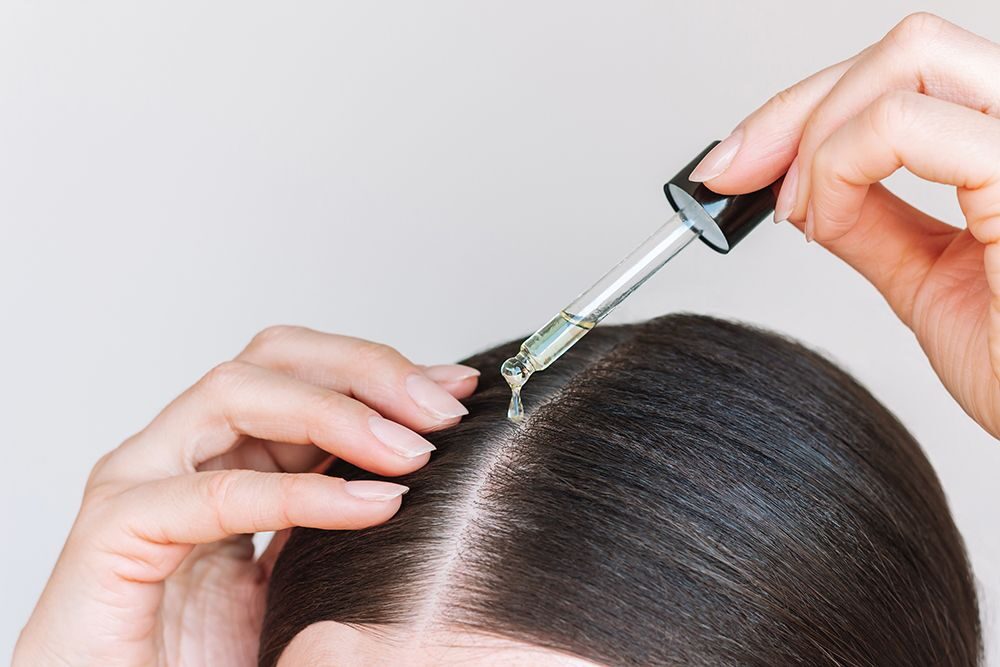
Step one: Pre-wash oil or treatment (once weekly). Apply a lightweight oil — rosehip, jojoba, or a dedicated pre-wash scalp oil — directly to the scalp. Section the hair. Use a dropper or applicator tip for precision. Massage for five minutes with fingertip pressure, not nails. This loosens oxidized sebum and product buildup before water touches the scalp. Leave for 20 minutes minimum.
Step two: pH-balanced clarifying shampoo. Rinse the oil. Then shampoo twice. The first wash removes oil and surface buildup. The second wash actually cleanses the scalp. Lather the second application directly at the roots. Use the pads of your fingers. Let it sit for 60 seconds. Rinse thoroughly with lukewarm — not hot — water.
Step three: Scalp exfoliation (twice weekly, not the same day as pre-wash). Apply a scalp scrub to the wet scalp before conditioner. Massage in gentle circular motions. Rinse completely. This step removes dead skin cell buildup that clogs follicles. Do not combine with pre-wash oil treatment on the same day. Too much product disruption in one session defeats the balance you’re trying to restore.
Step four: Scalp serum on towel-dried hair. This is the core treatment step. Part the hair into sections. Apply serum directly to the scalp. Do not rinse. Leave-on application allows actives to penetrate the follicular environment. Massage lightly to distribute.
Step five: Condition from mid-length to ends only. Conditioner on the scalp adds weight and disrupts pH recovery. Keep it off the root zone entirely.
For oily scalps, reduce wash frequency before adding products. Washing daily strips the acid mantle and triggers compensatory oil production. Three times per week is a more productive baseline for most scalp types.
The Mistakes Keeping Your Scalp Stuck
These are the errors that appear most consistently in scalp care routines.
Applying scalp serum to dry hair before washing. Most scalp actives — niacinamide, salicylic acid, caffeine — penetrate most effectively on clean, damp skin. Applying to a pre-wash scalp loaded with sebum and product residue blocks absorption significantly.
Using a clarifying shampoo daily. Daily clarification is scalp disruption. It’s that direct. Strong clarifying formulas are for weekly use. They reset the environment. They don’t maintain it.
Skipping heat protection at the roots. Heat styling doesn’t only damage the strand. High heat at the scalp — from blow dryers held too close — damages the follicular environment directly. Hold dryers at least six inches from the scalp. Use a heat-protective mist that covers roots, not just lengths.
Expecting results in two weeks. Scalp health operates on the same timeline as facial skincare. One full skin cell turnover takes 28 days. Hair growth cycles run 90 days. Meaningful change in hair density, texture, or sebum regulation requires consistent application across two to three months. Abandoning the routine at three weeks is the most common and most preventable mistake in this category.
- Oily / buildup-prone: Briogeo Scalp Revival Scrub weekly, reduce wash frequency, salicylic acid serum
- Dry / flaking / sensitive: Kérastase Première Scalp Serum, ceramide-based treatment, lukewarm water only
- Thinning / shedding: Inkey List Caffeine Scalp Treatment or Vegamour GROE Serum, 90-day minimum trial
- All types: pH-balanced shampoo, fingertip massage only, conditioner at mid-length to ends only
- Persistent concerns: Trichologist or dermatologist consultation before committing to a product routine
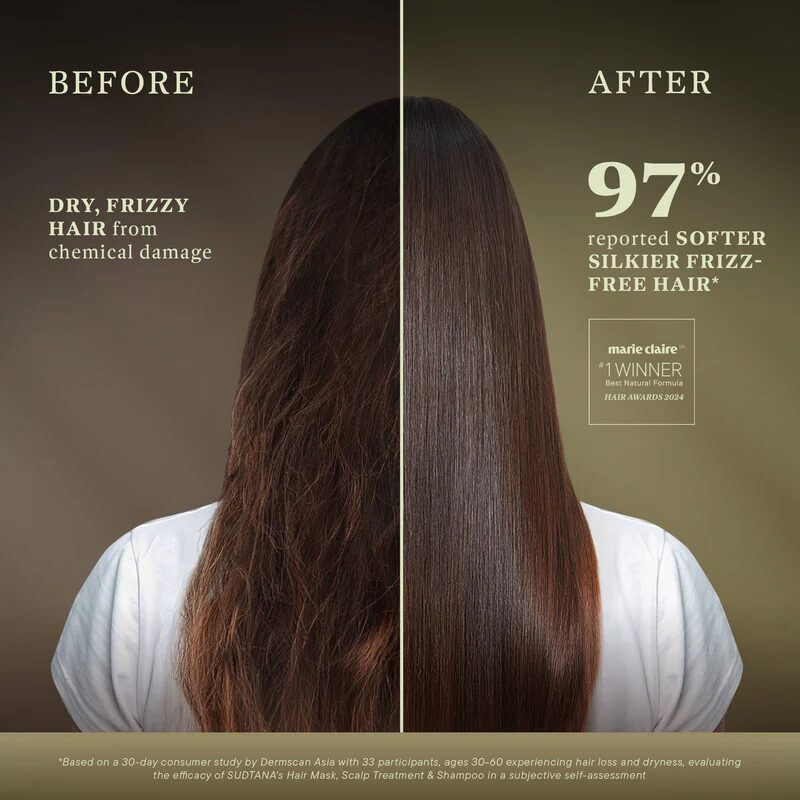
The scalp has absorbed three decades of neglect. The correction is not complicated. It requires applying the same logic that transformed facial skincare — barrier science, microbiome awareness, targeted actives — to the two square feet of skin sitting directly above your face. The hair that grows from a healthy, balanced scalp environment looks different. It behaves differently. It holds length better. The proof is in the follicle, not the strand.
What’s your primary scalp concern right now — oiliness, sensitivity, thinning, or something else? And have you already tried a dedicated scalp serum, or is this a category you’re just beginning to explore? Tell us in the comments.