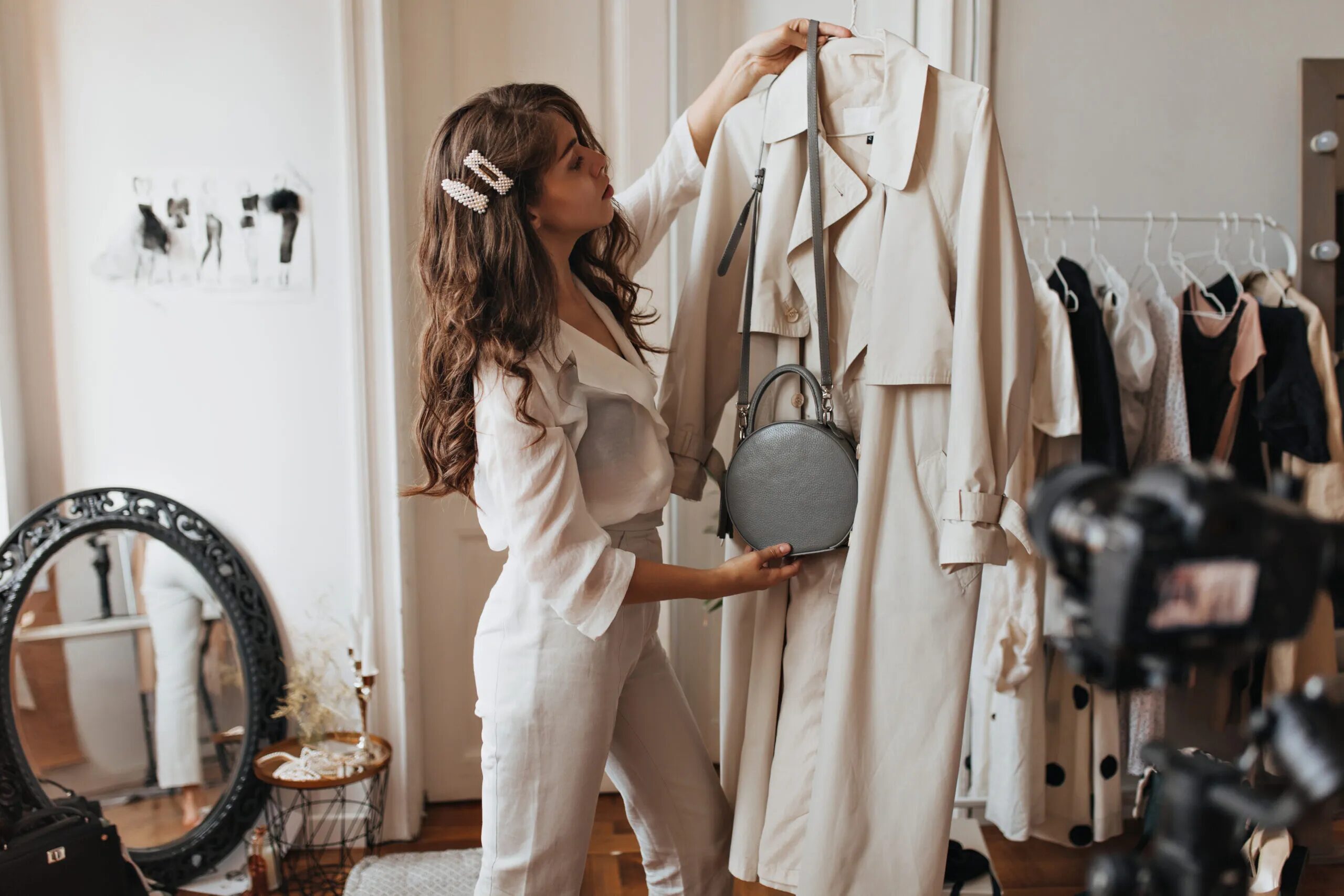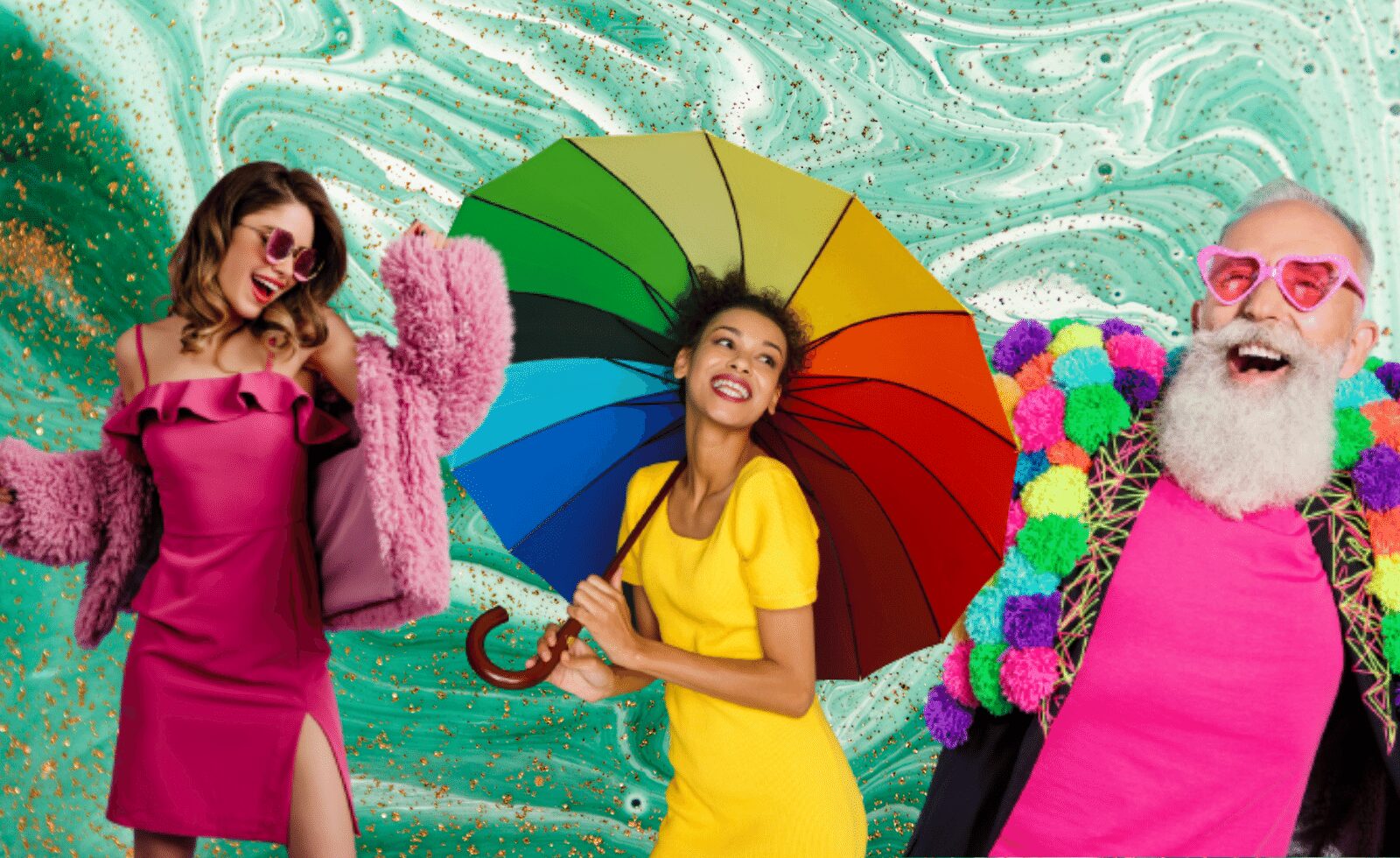
In the depths of 2020, something extraordinary happened in bedrooms turned into home offices across the globe. People began reaching for the brightest, boldest pieces in their wardrobes. Not for Zoom calls or grocery runs, but for themselves. They were unconsciously practicing what Dr. Dawnn Karen had been preaching for years: dopamine dressing.
What started as a pandemic coping mechanism has evolved into fashion’s most psychologically-driven movement. This isn’t about following trends or impressing others. It’s about using clothing as emotional armor, as daily medicine, as a form of self-therapy that happens to look fabulous.
The revolution began quietly, one neon sweater at a time.
The Science Behind the Smile
Dr. Dawnn Karen didn’t invent dopamine dressing by accident. As a fashion psychologist, she understood something the industry had long ignored: clothing directly impacts our neurochemistry. When we wear certain colors, patterns, or textures, our brains can trigger increased levels of dopamine—the neurotransmitter linked to pleasure, motivation, and learning.
But here’s where it gets interesting. Dopamine dressing isn’t about wearing the brightest thing in your closet. It’s deeply personal. What triggers joy for one person might feel jarring for another. The key lies in understanding your own color psychology and emotional associations with specific garments.
Karen originally envisioned this concept taking root in therapeutic spaces—rehab centers and trauma recovery programs where clothing could serve as a healing tool. Instead, it exploded across social media, adopted by everyone from maximalist influencers to minimalist office workers seeking a daily mood boost.
The timing couldn’t have been more perfect. As the world grappled with isolation, anxiety, and uncertainty, people discovered they could control at least one thing: how their clothes made them feel.
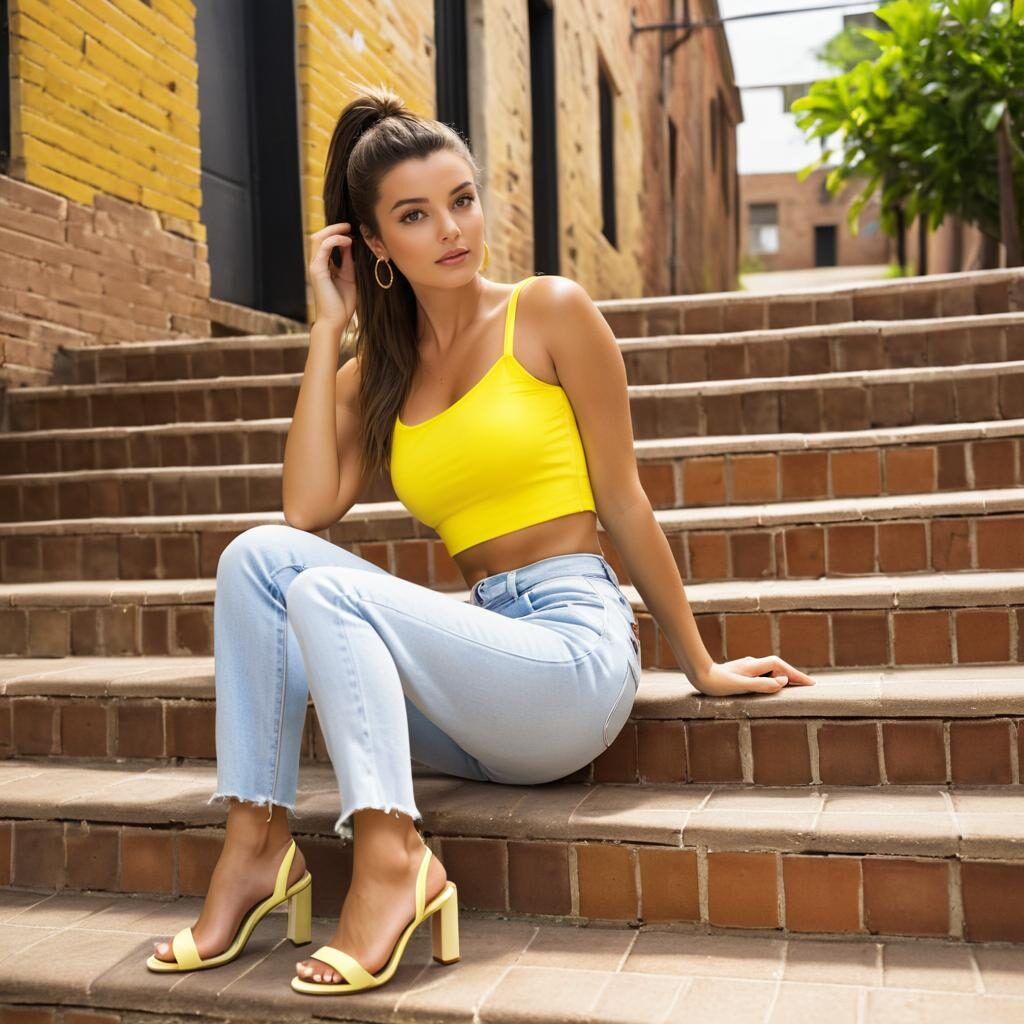
“We’re not just getting dressed anymore. We’re choosing our daily emotional state.”
The Pandemic Catalyst
Before 2020, many people dressed for others—for the office, for social events, for external validation. The pandemic stripped away these external motivators, leaving us face-to-face with a fundamental question: What makes you feel good when nobody’s watching?
The answer surprised everyone. After months of “disappearing dressing”—those comfortable, baggy clothes that seamlessly went from bedroom to home office, people began craving the opposite. They wanted to feel seen, even if only by themselves in the mirror.
Fashion psychologist Emma Mair observed this shift firsthand. “When we feel happy, good, confident, strong, powerful in our clothes, it is often reciprocated in our interactions,” she noted. The realization that clothing could be a tool for emotional regulation, not just aesthetic expression, marked a fundamental shift in how we approach getting dressed.
This wasn’t just about wearing bright colors. It was about intentionally choosing outfits that boost mood and overall well-being. The movement gained momentum as people shared their “dopamine outfits” on social media, creating a feedback loop of joy and inspiration.
Beyond Color: The Cultural Phenomenon
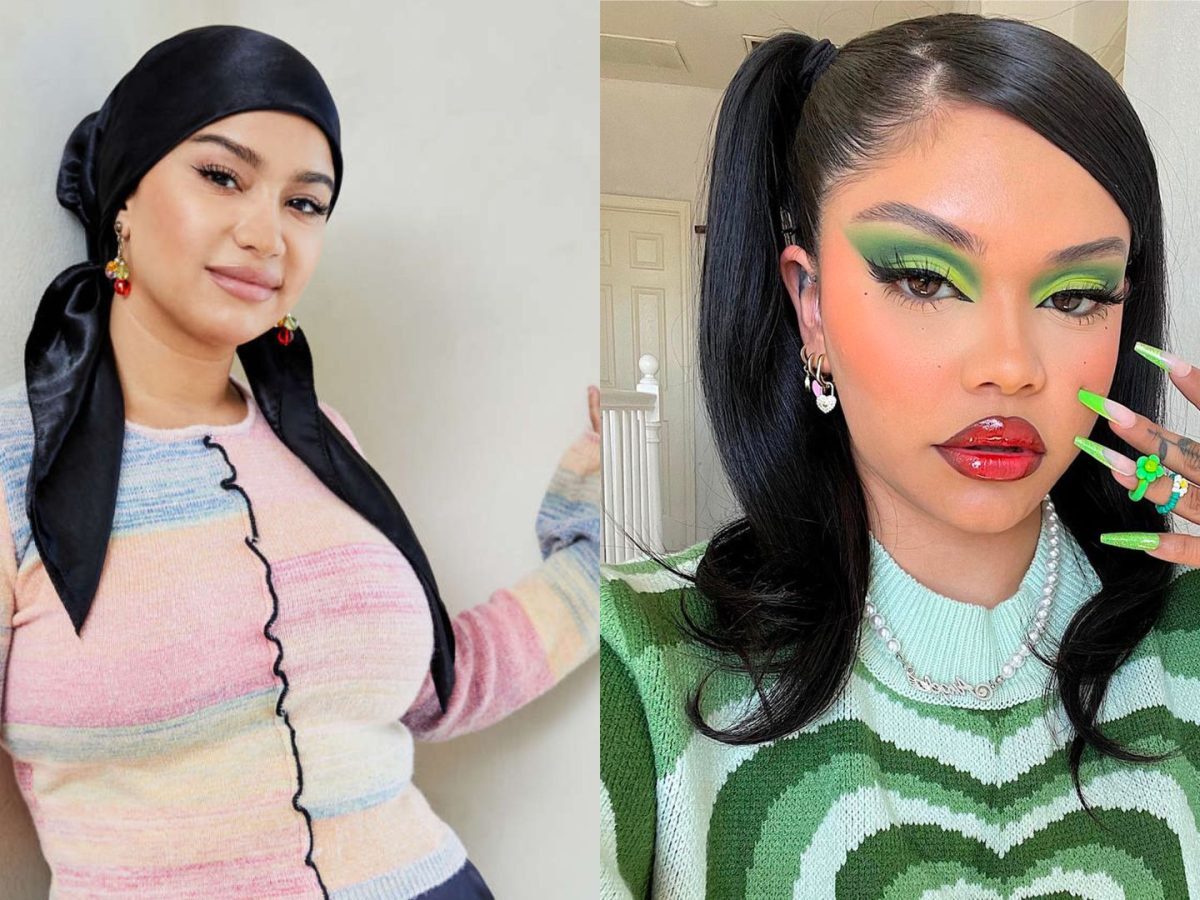
While dopamine dressing is often reduced to “wearing bright colors,” the movement runs much deeper. It represents a fundamental shift from external validation to internal satisfaction. It’s about expressing your true self through clothing choices, rather than trying to fit into a predefined mold.
Maximalist content creator Thalia Castro-Vega captures this philosophy perfectly: “A lot of my influence is just me giving myself the grace to try something different and new with what I own and just going for it”. This mindset—treating your wardrobe as a playground for self-expression rather than a rulebook for conformity—has become the movement’s core principle.
The cultural impact extends beyond individual choices. Dopamine dressing has become a lifestyle philosophy that celebrates individuality, self-expression, and emotional well-being. It challenges decades of fashion rules about what’s “appropriate” or “flattering,” replacing them with a simple question: Does this make you feel good?
This shift coincided with broader cultural movements toward mental health awareness and self-care. Suddenly, the idea that clothing could be therapeutic didn’t seem radical—it seemed obvious.
The Maximalist Misconception
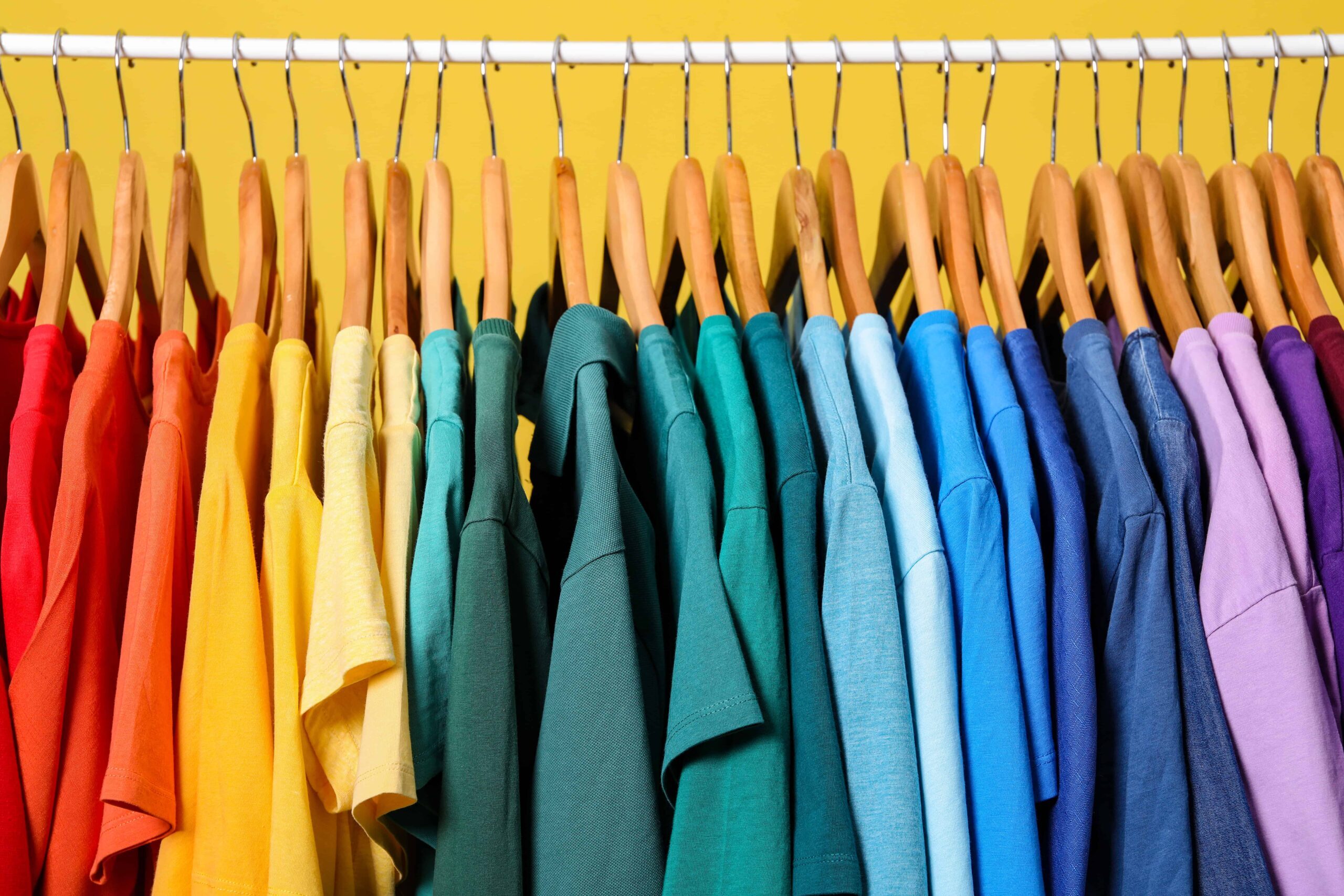
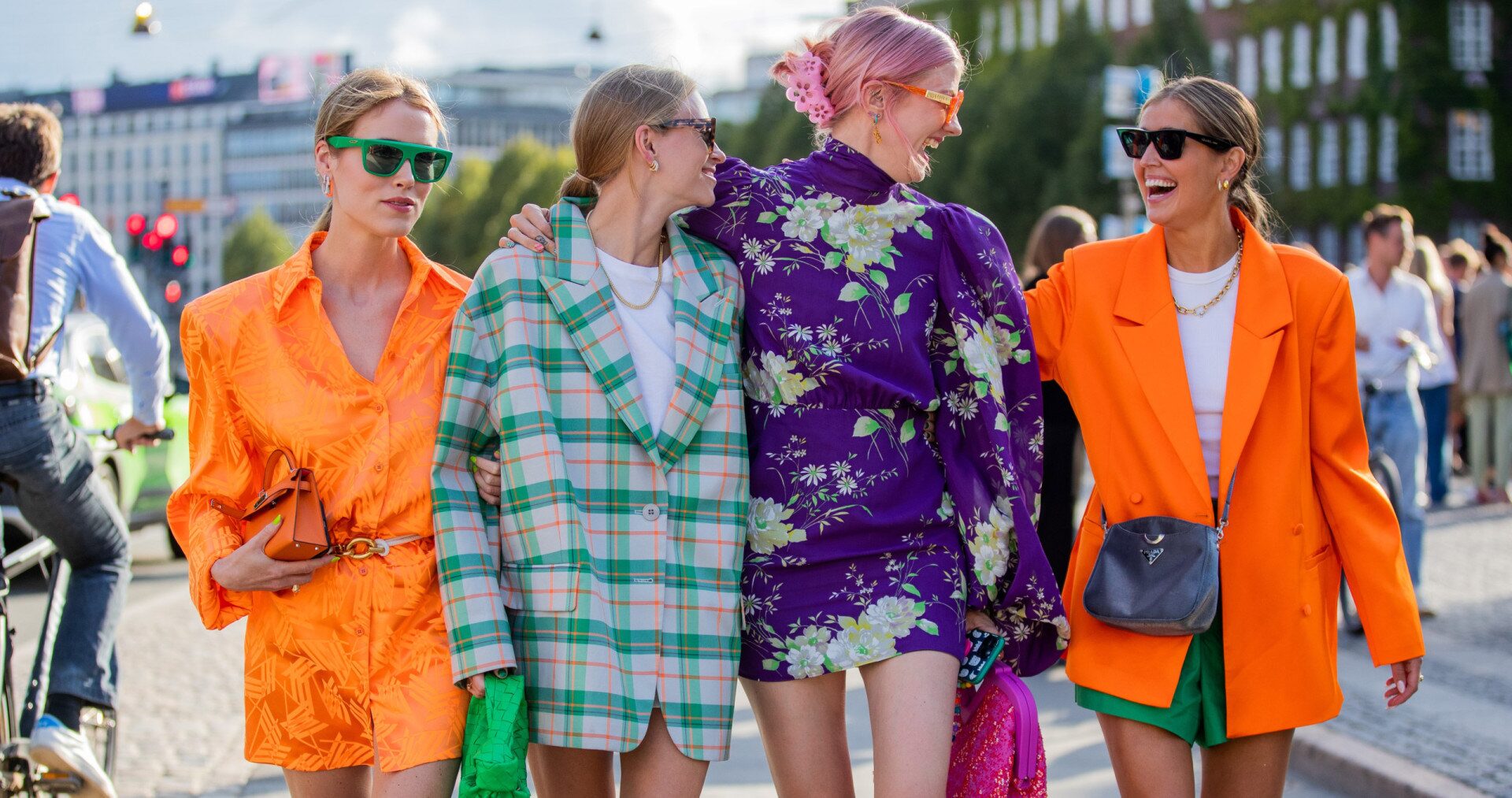
Social media has created a common misconception that dopamine dressing equals maximalism. Instagram feeds overflow with rainbow outfits, pattern mixing, and bold accessories, all tagged with #dopaminedressing. But this visual interpretation misses the movement’s psychological foundation.
Maximalism and dopamine dressing vary slightly in their psychologies. While a maximalist might layer bright patterns for aesthetic impact, someone practicing dopamine dressing might find joy in a single piece that holds personal meaning—perhaps a vintage band t-shirt or a lipstick in their power color.
The key distinction lies in intention. Maximalists often dress for visual impact and self-expression, while dopamine dressers prioritize emotional response and personal joy. There’s overlap, certainly, but the movements serve different psychological needs.
This nuance is crucial for understanding why dopamine dressing has staying power beyond trend cycles. It’s not about following a specific aesthetic—it’s about developing a personal relationship with clothes that prioritizes mental well-being.
Traditional Dressing Motivations
- ✓ Professional requirements
- ✓ Social expectations
- ✓ Body flattery
- ✓ Trend following
Dopamine Dressing Motivations
- ✓ Emotional regulation
- ✓ Personal joy
- ✓ Self-expression
- ✓ Confidence building
The Authenticity Revolution
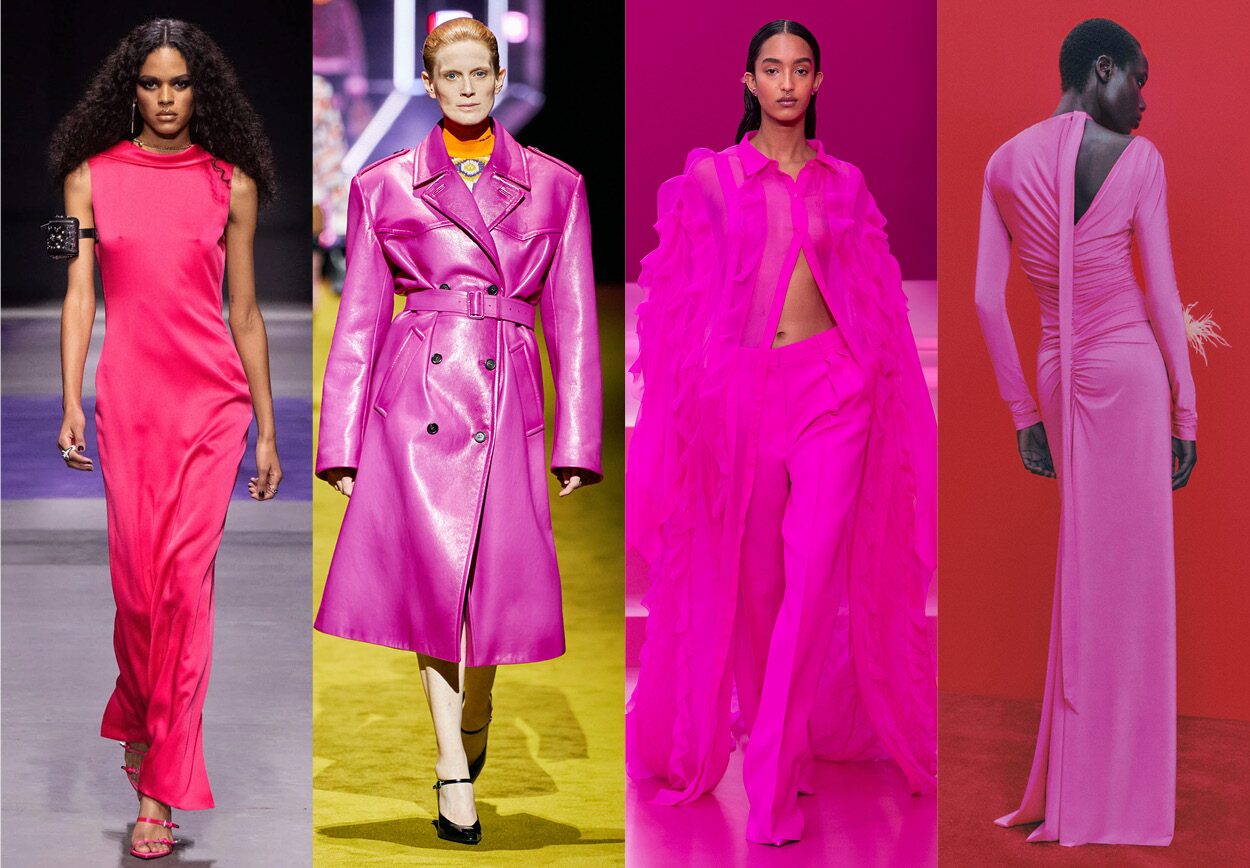
Perhaps the most radical aspect of dopamine dressing is its emphasis on authenticity. The concept goes beyond simply following fashion trends or wearing what’s deemed “stylish” by societal standards. Instead, it encourages people to cultivate a wardrobe that reflects their personality, values, and aspirations.
This shift has profound implications for the fashion industry. For decades, brands have sold us the idea that we need to change ourselves to fit their vision. Dopamine dressing flips this narrative: wear what makes you feel good, regardless of whether it conforms to conventional norms.
The authenticity component also explains why dopamine dressing has resonated across generations. Gen Z embraces it as a form of self-expression and rebellion against rigid beauty standards. Millennials use it as a tool for mental health and self-care. Even Gen X and Boomers are discovering the joy of dressing for themselves rather than others.
This cross-generational appeal suggests that dopamine dressing addresses a fundamental human need that transcends age, culture, and social status: the desire to feel good in our own skin.
The Psychology of Color and Emotion
The scientific foundation of dopamine dressing rests on well-established principles of color psychology. Research consistently shows emotional associations across cultures, though individual responses can vary based on personal experiences and cultural background.
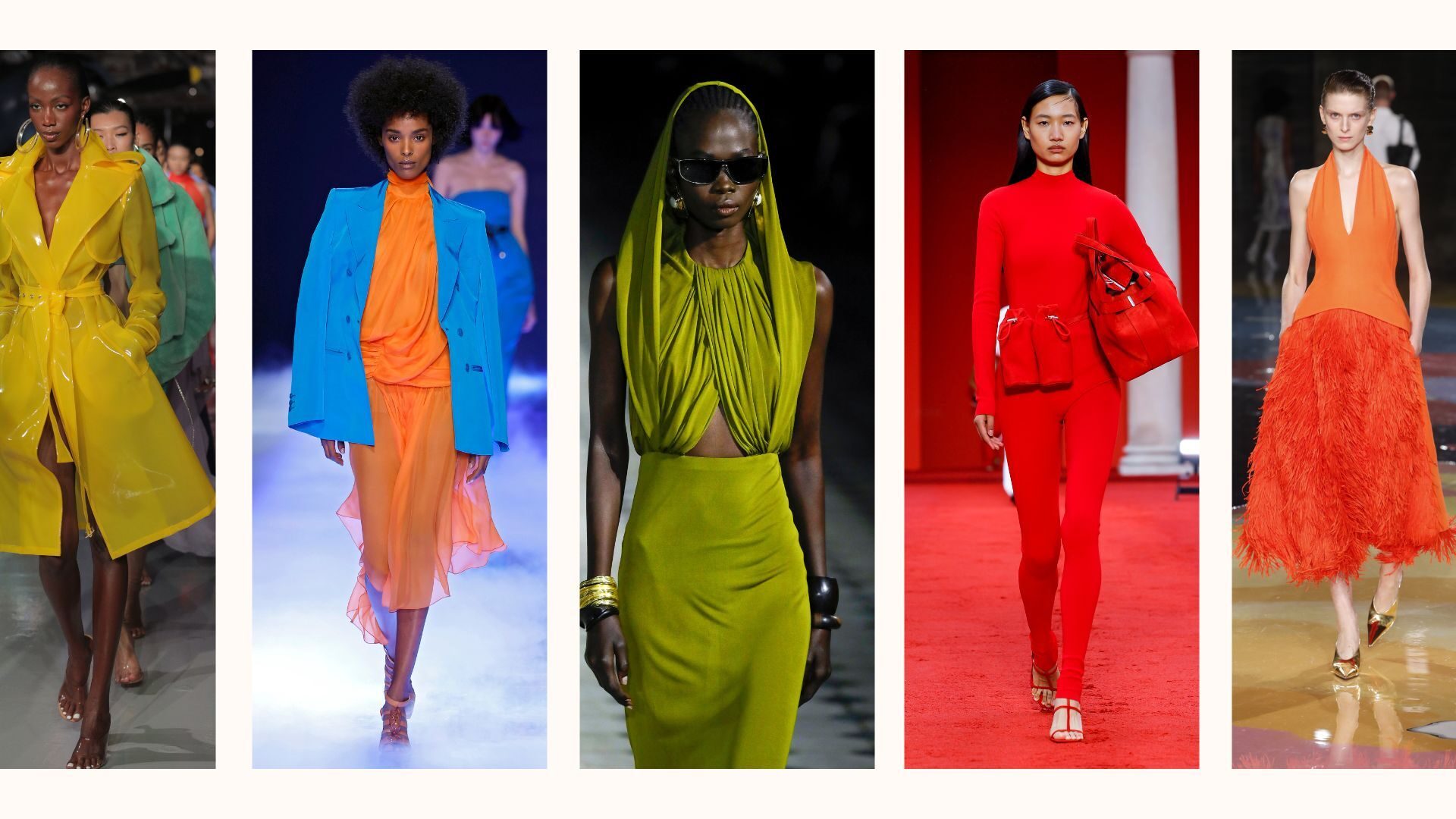
Color psychology studies show consistent emotional associations: red energizes and commands attention, yellow evokes optimism and creativity, blue promotes calm and trust, green suggests growth and harmony. But dopamine dressing goes beyond these general associations to explore how specific colors affect individual mood and behavior.
The movement has also popularized the concept of “color therapy”, where people intentionally choose colors based on their desired emotional state. Feeling sluggish? Reach for that coral blazer. Need confidence for a big presentation? That royal blue dress might be your armor.
This personalized approach to color has led to the development of individual “dopamine palettes”—collections of colors that consistently boost mood and confidence. Unlike seasonal color analysis, which focuses on flattering skin tones, dopamine color analysis prioritizes emotional response.
The Industry Response
The fashion industry has taken notice. Dopamine dressing has become 2025’s biggest fashion philosophy, with brands scrambling to understand and capitalize on this shift toward emotional dressing.
Smart brands are moving beyond simply offering bright colors to understanding the deeper psychological needs dopamine dressing addresses. They’re creating campaigns that focus on how clothes make people feel rather than how they look. They’re developing tools to help customers identify their personal dopamine triggers.
The movement has also influenced retail experiences. Virtual styling sessions now include questions about mood and emotional associations with colors. Some brands are experimenting with “mood-responsive” collections that help customers choose pieces based on their current emotional state or desired feeling.
This industry evolution reflects a broader shift in fashion marketing from aspiration to inspiration, from telling people what to wear to helping them discover what makes them feel their best.
The Future of Feeling Good
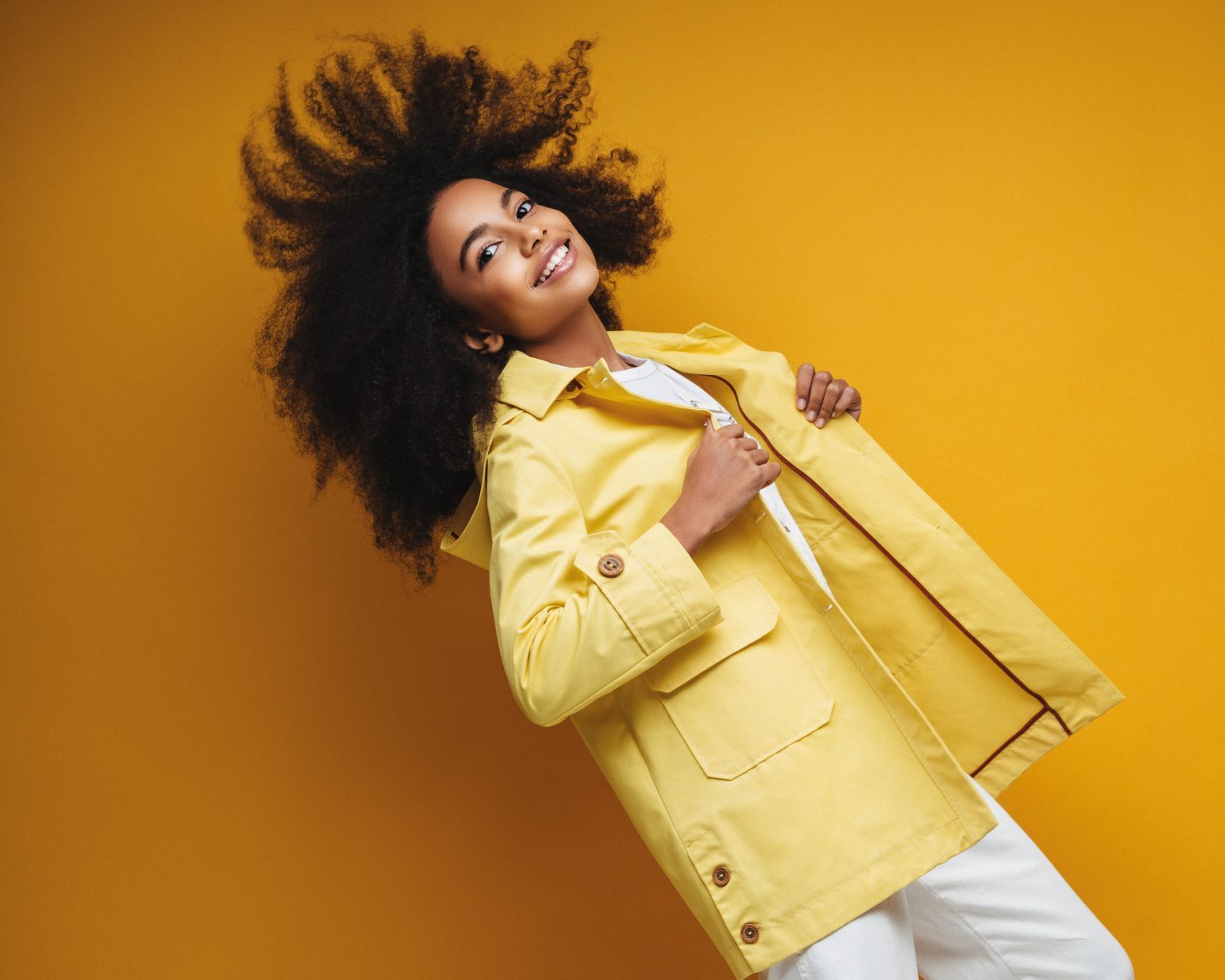
As we look toward the future, dopamine dressing shows no signs of slowing down. If anything, it’s evolving into something more sophisticated and personalized. The science-backed approach to style emphasizes personal joy over fleeting trends, suggesting this movement has the staying power to outlast typical fashion cycles.
We’re seeing the emergence of “expressive minimalism”—a style that builds on the foundation of clean, simple lines but adds personality-driven elements that spark joy. This represents the next evolution: sophisticated dressing that prioritizes emotional well-being without sacrificing style.
The movement is also expanding beyond clothing to encompass entire lifestyle philosophies. Dopamine living, dopamine decorating, even dopamine eating are gaining traction as people apply the same principles of joy-driven choice-making to all aspects of their lives.
Your Dopamine Dressing Toolkit
Identify Your Joy Colors
Notice which colors make you smile when you see them. Create a personal dopamine palette based on emotional response, not just flattery.
Audit Your Wardrobe
Separate pieces into “energy-giving” and “energy-draining” categories. Keep what sparks joy, donate what doesn’t serve your emotional well-being.
Start Small
If bold colors feel overwhelming, begin with accessories. A bright scarf, colorful shoes, or statement jewelry can provide dopamine hits without major wardrobe overhaul.
The Therapeutic Fashion Movement
What makes dopamine dressing particularly powerful is its therapeutic potential. Dr. Karen originally envisioned this concept in therapeutic spaces—rehabilitation centers and trauma recovery programs where clothing could serve as a healing tool. This clinical foundation gives the movement credibility beyond typical fashion trends.
Mental health professionals are beginning to recognize the value of incorporating clothing choices into therapeutic practices. The simple act of choosing clothes that make you feel good can be a form of daily self-care, a way to practice agency and self-compassion.
This therapeutic aspect also explains why dopamine dressing has been particularly embraced by people dealing with depression, anxiety, or major life transitions. When other forms of self-care feel overwhelming, getting dressed can be a manageable way to nurture yourself.
The Cultural Impact
The dopamine dressing movement reflects broader cultural shifts toward mental health awareness, self-care, and individual empowerment. It emerged at a time when people were questioning traditional structures and expectations, seeking more authentic ways to express themselves.
The movement has also challenged the fashion industry’s traditional power structures. Instead of designers dictating what’s fashionable, consumers are asserting their right to wear what makes them feel good. This democratization of style has forced brands to become more responsive to individual needs rather than trying to create mass appeal.
Social media has amplified this shift, creating platforms where people can share their dopamine outfits and inspire others to embrace joy-driven dressing. The hashtag #dopaminedressing has millions of posts, creating a global community of people united by the simple belief that clothes should make you happy.
The Lasting Legacy
As dopamine dressing continues to evolve, its core message remains powerful: fashion should serve the wearer, not the other way around. This philosophy has the potential to fundamentally reshape how we think about clothing, moving from external validation to internal satisfaction.
The movement has already influenced how we talk about fashion. Words like “joy,” “authenticity,” and “emotional well-being” have entered mainstream fashion vocabulary. Style is no longer just about looking good—it’s about feeling good.
Perhaps most importantly, dopamine dressing has given people permission to prioritize their own happiness in their daily choices. In a world that often demands we conform, dress codes that make us feel diminished, or trends that don’t reflect our personalities, this movement offers a radical alternative: wear what makes you happy.
The revolution that began with a few bright sweaters during lockdown has become something much more significant: a fundamental shift in how we use clothing to care for ourselves. And in a world that often feels overwhelming, that small daily act of choosing joy might be exactly what we need.
In the end, dopamine dressing isn’t about following rules or trends. It’s about writing your own—one joyful outfit at a time.