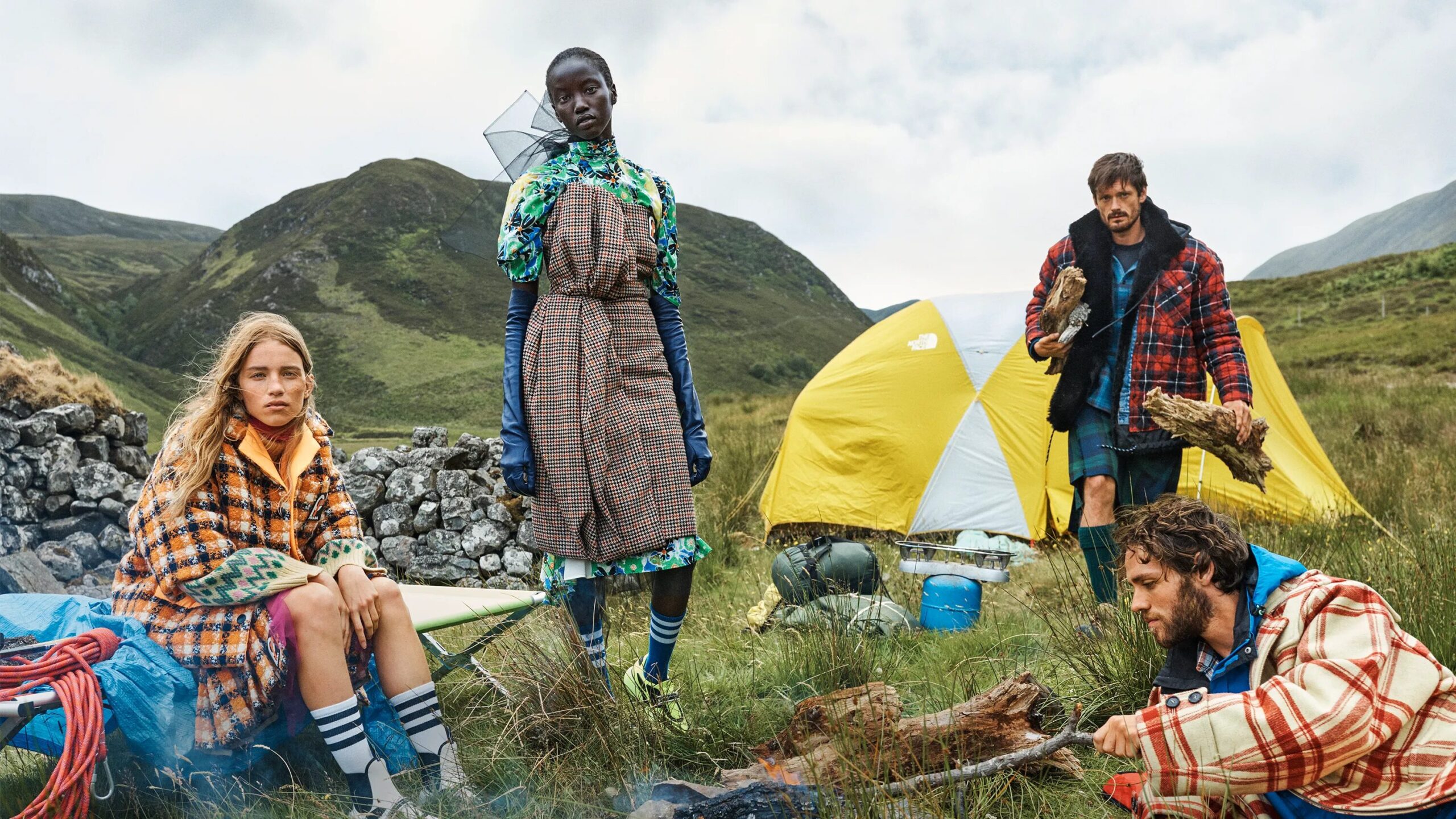
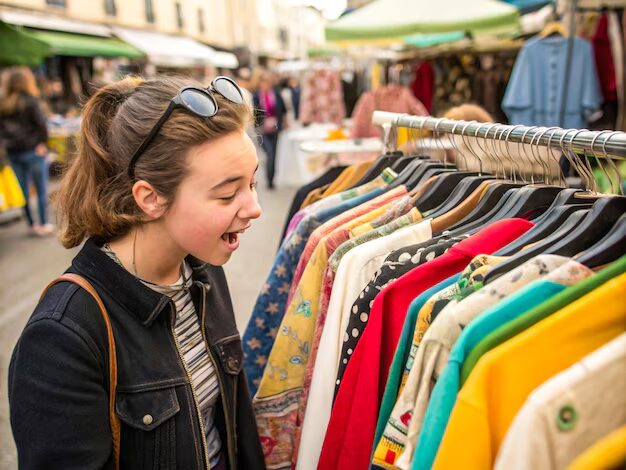
The fashion industry has reached a pivotal moment where sustainability is no longer a niche consideration but the driving force behind every major trend. As we navigate through 2025, the traditional cycle of fast fashion is being dismantled by a new generation of consumers who demand transparency, longevity, and environmental responsibility from their wardrobes. This shift represents more than just a trend—it’s a fundamental reimagining of how fashion operates in the modern world.

The New Conscious Consumer: Beyond Green Washing
Today’s fashion consumers are remarkably sophisticated in their understanding of sustainability claims. They can distinguish between genuine environmental initiatives and superficial marketing tactics, demanding radical transparency from brands about their supply chains, production methods, and environmental impact. This educated consumer base has forced the industry to move beyond token gestures toward meaningful change.
The concept of circular fashion has evolved from an idealistic vision to a practical business model. Brands are now designing with the end of a garment’s life in mind, creating pieces that can be easily disassembled, recycled, or biodegraded. This approach has given birth to innovative materials like lab-grown leather, mushroom-based textiles, and fibers created from agricultural waste.
The Circular Fashion Equation
“Design for longevity + mindful consumption + innovative recycling = the future of fashion”
Technology as the Sustainability Catalyst
Artificial intelligence and machine learning have become indispensable tools in the sustainability revolution. AI-powered trend forecasting now helps brands produce only what consumers actually want, dramatically reducing overproduction and waste. Visual search technologies allow consumers to find sustainable alternatives to fast fashion pieces, bridging the gap between desire and conscious consumption.

Digital fashion shows and virtual try-on experiences have reduced the industry’s carbon footprint while making fashion more accessible. Brands can now test market response to new designs without producing physical samples, and consumers can experiment with styles without the environmental cost of returns and exchanges.
The Rise of Bio-Materials
The materials revolution in sustainable fashion has produced some remarkable innovations:
Lab-Grown Leather: Created from mushroom mycelium or lab-cultured cells, these alternatives offer the luxury feel of traditional leather without the environmental impact of animal agriculture.
Algae-Based Fabrics: Seaweed and algae are being transformed into soft, breathable textiles that naturally biodegrade and can even provide skincare benefits to the wearer.
Recycled Ocean Plastic: What was once pollution is now being transformed into high-performance athletic wear and swimwear, turning environmental problems into fashion solutions.
The Aesthetic of Sustainability: Beauty in Responsibility
Sustainable fashion in 2025 has shed its reputation for being aesthetically compromised. The new sustainable aesthetic celebrates imperfect beauty—the natural variations in hand-dyed fabrics, the unique character of recycled materials, and the artisanal quality that comes from ethical production methods.

Slow fashion has evolved into a luxury positioning, where the story behind each garment—from the farmer who grew the cotton to the artisan who crafted the final piece—becomes part of its value proposition. Consumers are willing to pay premium prices for pieces with transparent, ethical supply chains and superior craftsmanship.
The Economics of Conscious Fashion
The financial landscape of sustainable fashion has transformed dramatically. Investment in sustainable fashion technologies reached unprecedented levels in 2025, with venture capital flowing toward innovations in bio-materials, circular business models, and supply chain transparency tools.
Sustainable Fashion Investment Trends
- Material Innovation: 40% of fashion tech investment
- Circular Business Models: 25% of new funding
- Supply Chain Transparency: 20% growth in tracking solutions
- Rental and Resale Platforms: 15% market expansion
The rental economy has matured beyond special occasion wear to include everyday fashion. Subscription services now offer curated wardrobes that adapt to personal style preferences while ensuring optimal garment utilization. This model has proven particularly appealing to younger consumers who value access over ownership.
Regional Variations in Sustainable Fashion
The global nature of fashion has created interesting regional variations in how sustainability is interpreted and implemented. European markets lead in regulatory compliance and circular economy initiatives, while Asian markets drive innovation in sustainable materials and production technologies.
American consumers have embraced the transparency movement, demanding detailed information about garment origins and environmental impact. This has led to the development of sophisticated tracking systems that follow products from raw material to retail, providing consumers with comprehensive sustainability scores.
The Cultural Impact: Fashion as Environmental Activism
Sustainable fashion has transcended commerce to become a form of environmental activism. Wearing sustainable fashion is now a statement of values, a way to participate in the solution to climate change through daily choices. This cultural shift has elevated sustainable fashion from niche to mainstream, with major fashion weeks now dedicating significant space to sustainable designers and innovations.
The storytelling aspect of sustainable fashion has become crucial. Consumers want to know not just what their clothes are made from, but who made them, under what conditions, and what impact their purchase has on communities and ecosystems. This narrative dimension has added emotional value to sustainable fashion, creating deeper connections between consumers and their wardrobes.
Looking Forward: The Future of Conscious Consumption
As we progress through 2025, the integration of sustainability into fashion continues to accelerate. The industry is moving toward a model where environmental responsibility is not an add-on feature but the fundamental basis of all design and business decisions.
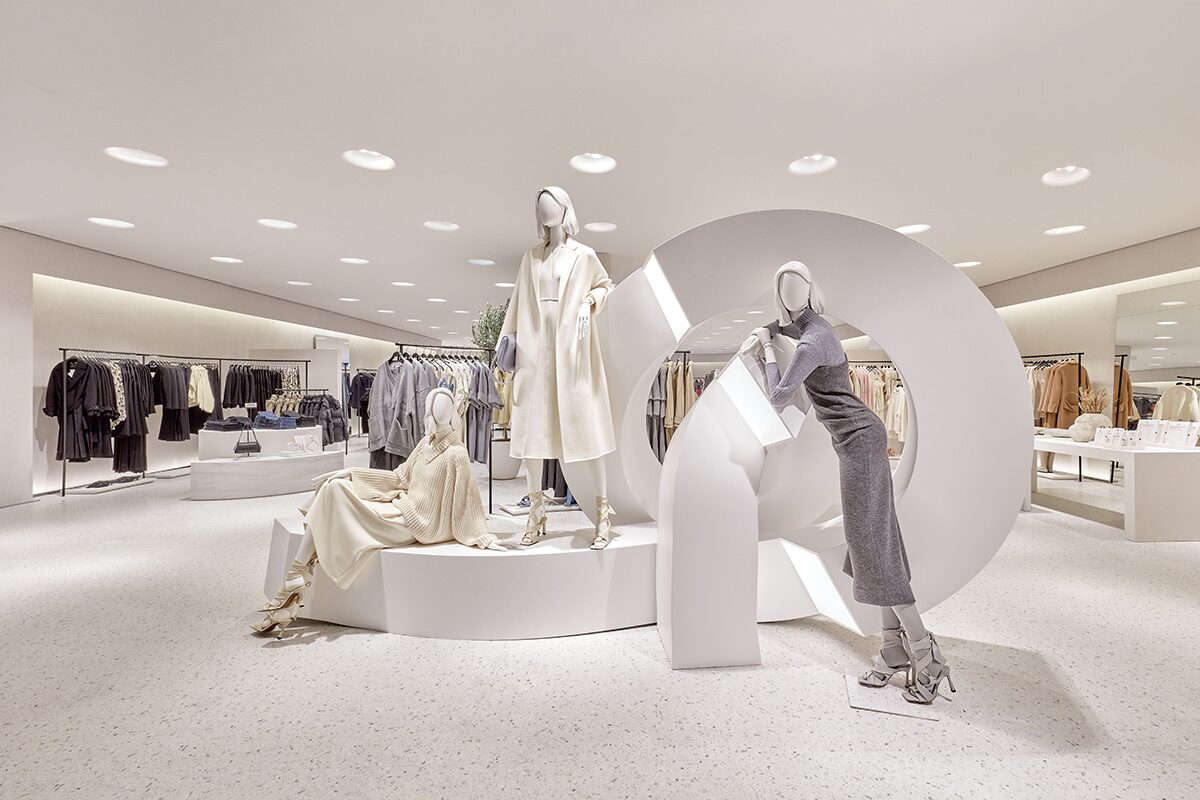
The emergence of regenerative fashion—clothing that actually improves environmental conditions through its production and use—represents the next frontier. From garments that purify air to accessories made from carbon-capturing materials, fashion is evolving from being part of the environmental problem to being part of the solution.
This transformation of the fashion industry represents one of the most significant shifts in consumer culture of our time. As sustainability becomes synonymous with style, we’re witnessing the birth of a new fashion paradigm—one where looking good and doing good are not just compatible but inseparable. The trends of 2025 prove that the future of fashion is not just sustainable; it’s regenerative, innovative, and more beautiful than ever before.