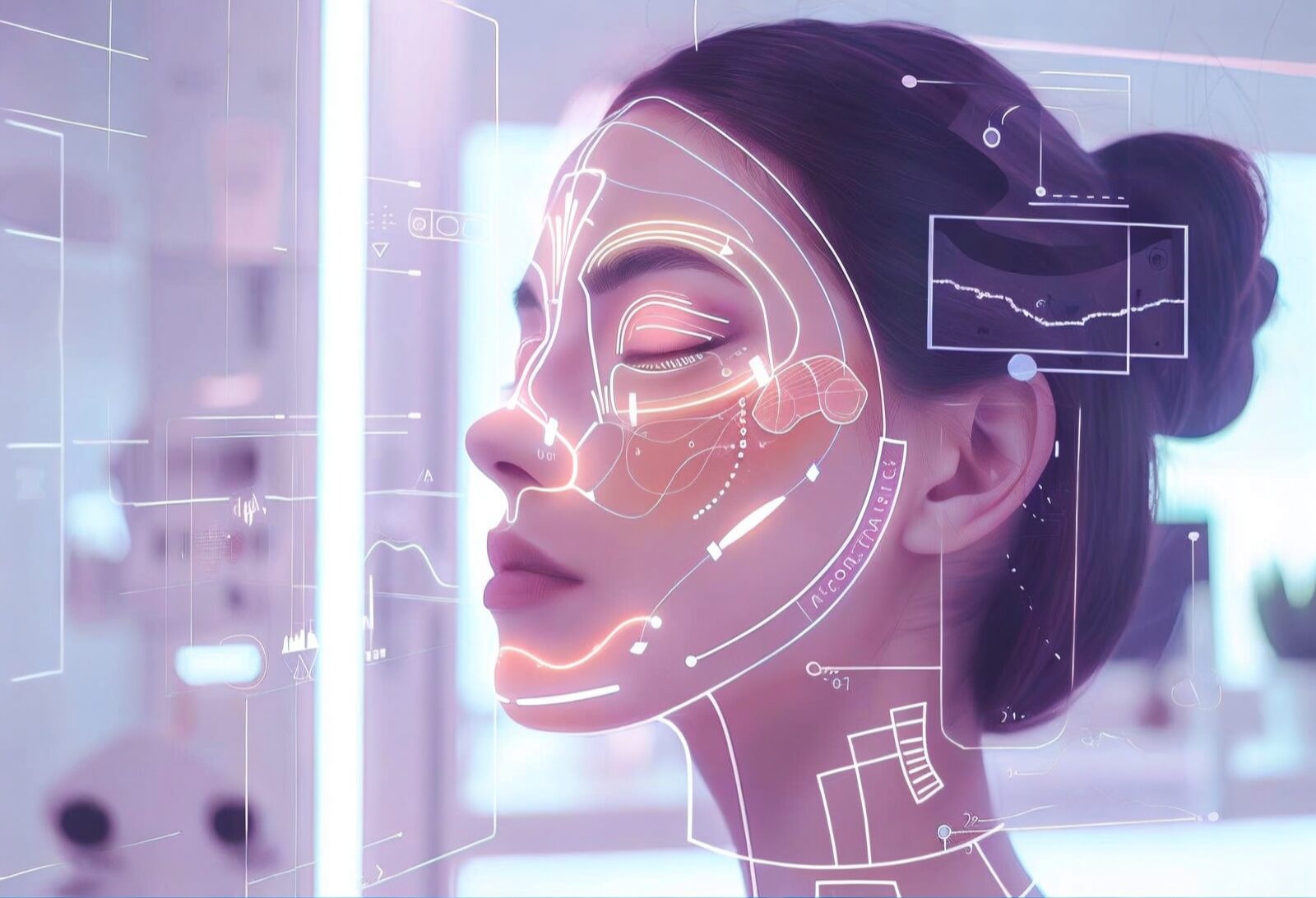
The beauty industry has always promised transformation. But what if the real revolution isn’t happening on our faces—it’s happening in our brains?
Welcome to the era of neurocosmetics, where cutting-edge neuroscience meets age-old vanity. This isn’t just another beauty trend destined to fade with the seasons. It’s a fundamental shift in how we understand the relationship between our minds and our mirrors.
The Neuroscience Behind the Glow
Dr. Rachel Nazarian, a leading dermatologist at Schweiger Dermatology Group, explains it simply: “Our skin and brain are intimately connected through the same embryonic tissue.” This connection, known as the skin-brain axis, is revolutionizing how we approach beauty.
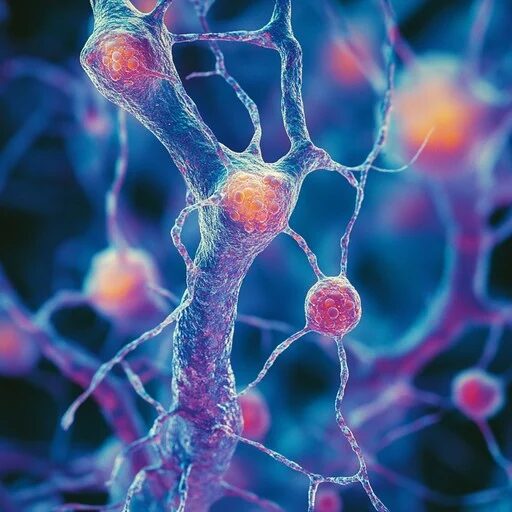
Neurocosmetics work by targeting this axis. They contain ingredients that influence neurotransmitters—the chemical messengers in our brains. When we apply these products, we’re not just treating our skin. We’re literally changing our brain chemistry.
The Science Simplified
Neurocosmetics contain peptides that mimic endorphins, the body’s natural “feel-good” chemicals. When absorbed through the skin, these peptides can trigger the release of serotonin and dopamine—the same neurotransmitters responsible for happiness and pleasure.
Beyond the Placebo Effect
Skeptics might dismiss this as elaborate marketing. But the research tells a different story.
A groundbreaking study published in the International Journal of Cosmetic Science found that participants using neurocosmetic products showed measurable changes in stress hormone levels. Their cortisol dropped by an average of 23% after just four weeks of use.
More fascinating still: brain imaging revealed increased activity in the prefrontal cortex—the area associated with confidence and decision-making. Users weren’t just feeling better about their appearance. They were literally thinking differently about themselves.
The Mood-Boosting Ingredients Revolution
Traditional skincare focused on visible results. Neurocosmetics target invisible ones—our emotions, stress levels, and mental state.
Gamma-Aminobutyric Acid (GABA) acts as the brain’s natural tranquilizer. When applied topically, it can reduce the appearance of stress-induced aging while promoting a sense of calm.
Endorphin-mimicking peptides trigger the same pathways as exercise-induced euphoria. Users report feeling more optimistic and energized after their skincare routine.
Adaptogenic botanicals like ashwagandha and rhodiola help skin cells cope with environmental stress while supporting mental resilience.
These aren’t just buzzwords. They’re scientifically-backed ingredients that work on multiple levels simultaneously.
The Ritual Revolution
Perhaps the most profound aspect of neurocosmetics isn’t the products themselves—it’s how they’re changing our relationship with self-care.
Traditional beauty routines were often rushed, functional affairs. Neurocosmetics demand mindfulness. The application becomes a meditation. The mirror becomes a moment of self-compassion rather than self-criticism.
The 5-Minute Neurocosmetic Ritual
- Breathe deeply while warming the product between your palms
- Apply with intention, focusing on the sensation rather than the outcome
- Massage gently to activate circulation and neural pathways
- Pause and observe how you feel, not just how you look
- Set a positive intention for the day ahead
The Dark Side of Neural Beauty
But this revolution isn’t without its shadows. Critics worry about the psychological implications of products that promise to alter our mental state.
Are we creating a generation dependent on cosmetics for emotional regulation? What happens when the products stop working, or when we can’t afford them?
Dr. Susan Biali Haas, a wellness expert and physician, raises important questions: “If we’re using beauty products to manage our emotions, are we avoiding dealing with underlying issues?”
The Future of Feeling Beautiful
The neurocosmetics market is projected to reach $2.8 billion by 2027. But the real transformation isn’t measured in dollars—it’s measured in how we define beauty itself.
We’re moving from a culture that asks “Do I look good?” to one that asks “Do I feel good?” This shift represents something profound: beauty as wellness, appearance as emotional health, skincare as self-care.
Major brands are taking notice. Estée Lauder recently launched their “Stress Relief” collection, featuring GABA-infused serums. L’Oréal has invested heavily in neuroscience research, developing products that claim to boost confidence at the cellular level.
The Verdict: Revolution or Evolution?
Neurocosmetics represent more than a trend—they’re a fundamental reimagining of what beauty products can do. They acknowledge what we’ve always known but rarely admitted: how we look affects how we feel, and how we feel affects how we look.
The most successful neurocosmetic products don’t just promise younger-looking skin. They promise a younger-feeling spirit. They don’t just reduce wrinkles—they reduce worry.
The Bottom Line
Neurocosmetics aren’t just changing how we look—they’re changing how we think about looking. In a world where mental health and self-care have become paramount, beauty products that address both our skin and our psyche feel not just relevant, but revolutionary.
As we stand at the intersection of neuroscience and vanity, one thing is clear: the future of beauty isn’t just skin deep. It’s mind deep. And that might be the most beautiful transformation of all.
The question isn’t whether neurocosmetics work—it’s whether we’re ready for beauty products that work on every level of our being. Because once you’ve experienced skincare that makes you feel as good as you look, there’s no going back to products that only promise surface-level change.
The revolution is here. It’s happening in laboratories and bathrooms, in research papers and Instagram posts. Most importantly, it’s happening in the mirror—where science meets self-love, and where the future of beauty is being written one neurotransmitter at a time.