JTV Jewelry Television reaches over 87 million U.S. households. That’s a significant footprint. Founded in 1990 in Knoxville, Tennessee, the network started as a regional cable experiment. It has since grown into one of America’s largest jewelry retailers. Their annual revenue exceeds $500 million. They move more colored gemstones than most independent jewelers will see in a lifetime. The question isn’t whether JTV is big. The question is whether big translates to good.
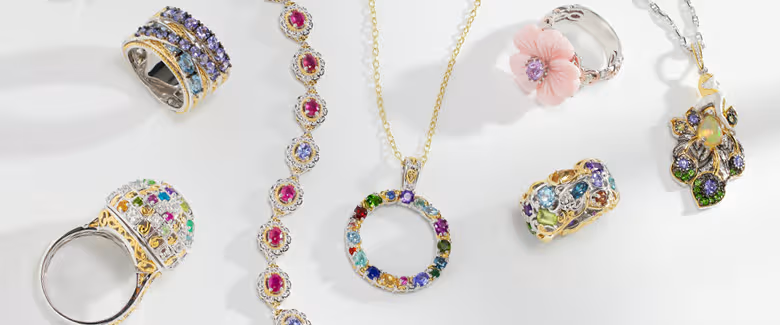
From Cable Channel to Jewelry Powerhouse
JTV launched as American Gem TV in 1990. The concept was simple. Sell gemstone jewelry directly to viewers. No retail markup. No middlemen.
Founders Robert and Lowell Arthur believed quality jewelry shouldn’t require a department store visit. Their instinct was correct. By 1993, the network rebranded and expanded nationally. Today, JTV broadcasts around the clock. Their Knoxville headquarters spans 375,000 square feet. It houses studios, a warehouse, and a gemological lab.
Scale matters in this business. Their buying power allows them to source stones that smaller retailers can’t touch. They purchase directly from mines and cutters. That removes at least two layers of traditional markup.
The brand occupies a specific price corridor. They sit below fine jewelers like Tiffany or Cartier. They sit well above fast fashion jewelry. Their average transaction lands between $50 and $400. That range serves a buyer who wants genuine stones without a luxury premium attached.
If you’re new to JTV, start with their sterling silver and natural gemstone pieces in the $80–$200 range. This tier offers the clearest quality-to-price advantage over mainstream retail alternatives.
The Gemstone-First Philosophy
JTV’s identity is built on colored stones. Not diamonds. Not gold.
This matters more than it sounds. The colored stone market operates differently from diamond retail. Prices are less standardized. Quality variation is enormous. A sapphire can range from $10 to $10,000 per carat depending on origin, treatment, and saturation. JTV works this complexity well.
They employ trained gemologists on staff. Their hosts discuss treatments openly. Heat treatment, fracture filling, irradiation—these are standard practices in the gem trade. JTV discloses them more consistently than many competitors do. That transparency builds trust.
Their house brands illustrate the philosophy clearly. Bella Luce uses lab-created stones in sterling silver settings. The cuts are sharp. The stones catch light well. Gem Treasures features natural colored stones with full treatment disclosure. This tiered approach lets buyers choose their priorities—flash and affordability, or rarity and investment potential.
“The colored stone market is the last frontier of accessible fine jewelry. JTV understood this two decades before anyone else built a business around it.”
Before any purchase, read the treatment disclosure in the product description. Look for “no heat” or “natural color” designations if you’re buying with long-term value in mind.
Signature Collections Worth Knowing
JTV carries thousands of SKUs. You need a strategy before clicking.
Bella Luce sits at the accessible end. Lab-created stones set in sterling silver or rhodium-plated brass. A pair of 5-carat Bella Luce drop earrings retails around $65–$80. These are outfit pieces—buy them for impact, not investment. The stones perform visually. The price won’t sting if you lose one.
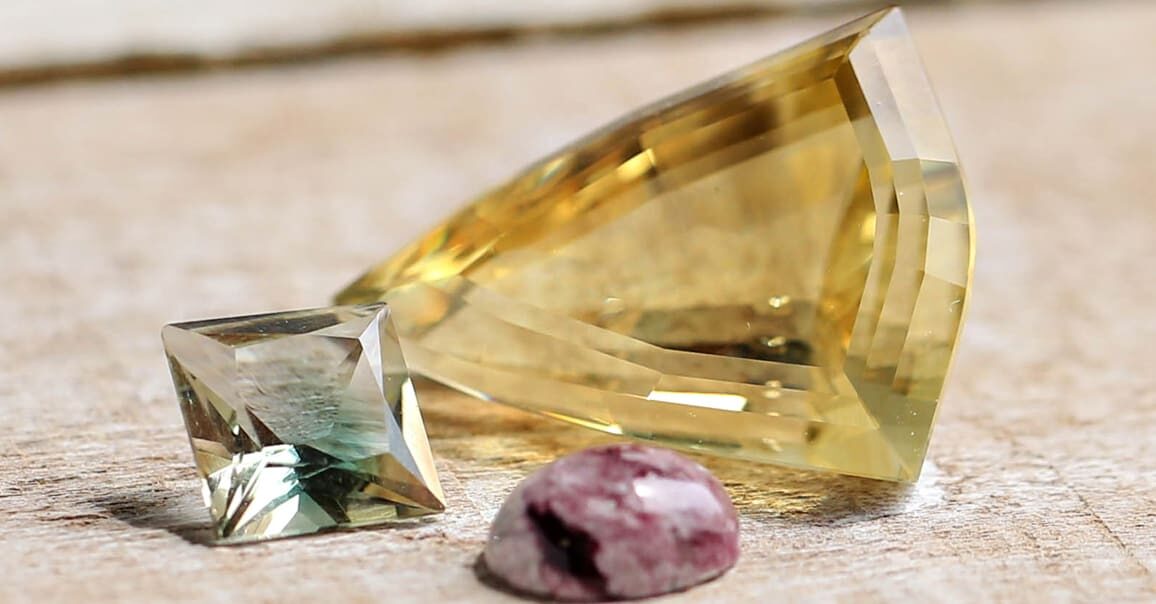
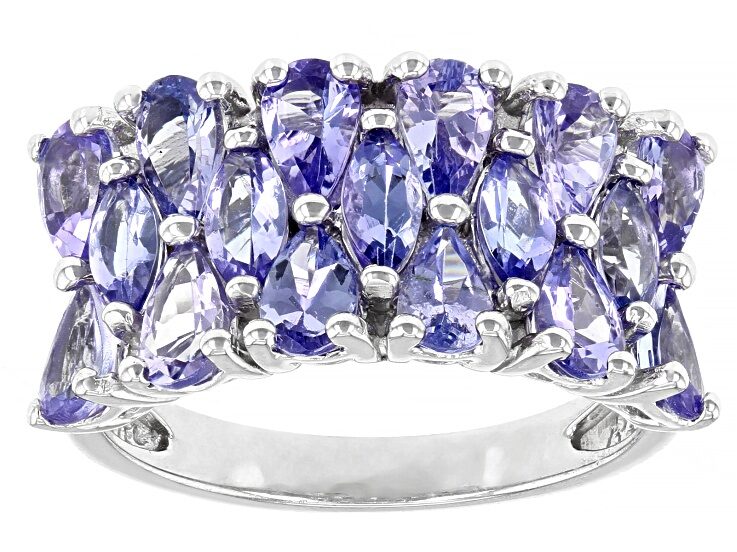
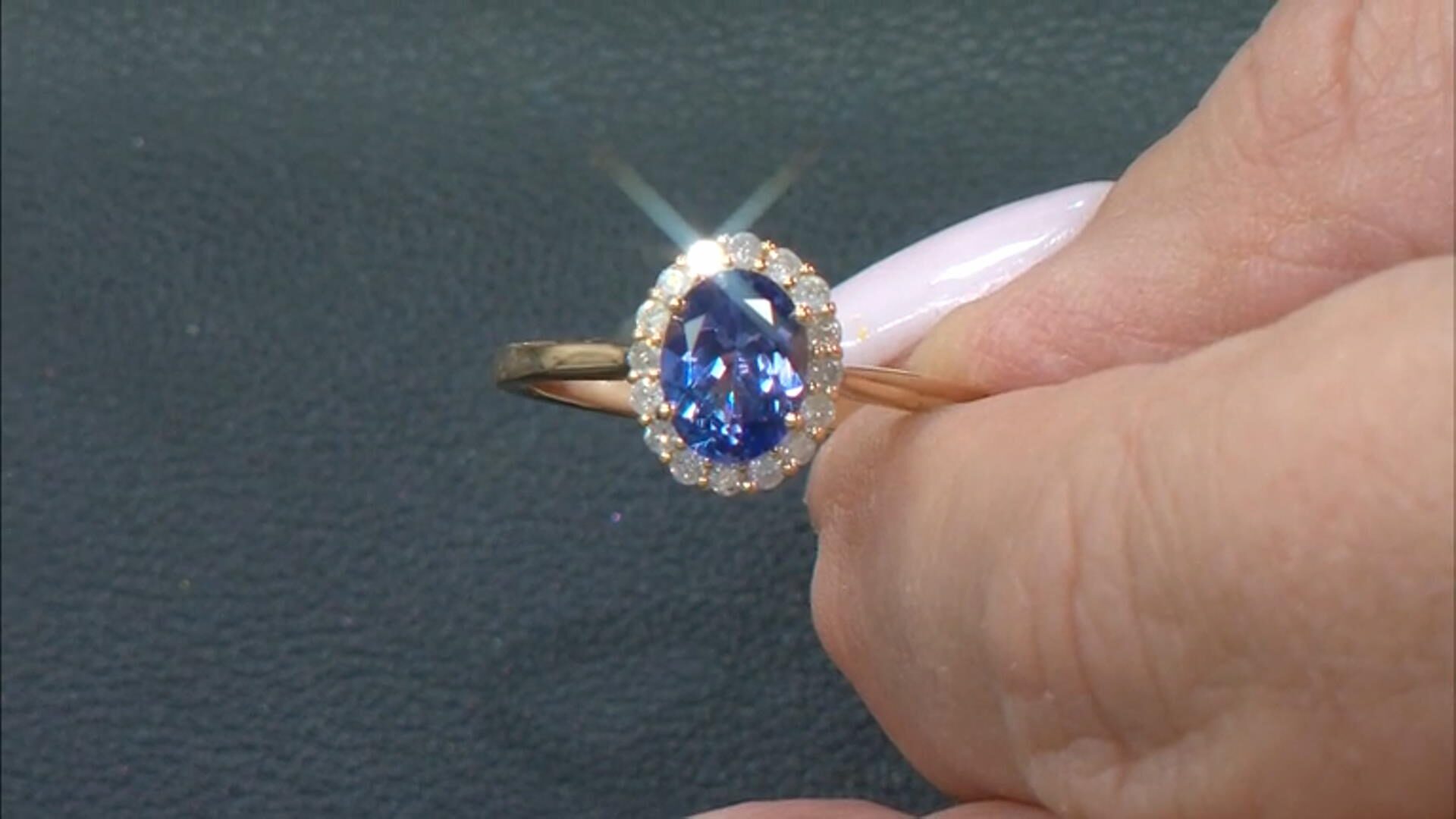
Gem Treasures is where serious buyers focus. This line features natural colored stones. Tanzanite, alexandrite, spessartite garnet, and demantoid appear here regularly. Prices range from $150 for small accent pieces to $1,200 for statement rings with significant carat weight. Rarity matters here. These stones have limited supply chains.
Affinity Gold covers 14-karat yellow and white gold pieces. Simple bands start around $150. Diamond-accent pieces reach $1,200 and above. The gold content is genuine. The craftsmanship is consistent, though not exceptional at the lower price points.
Effy Jewelry appears occasionally in JTV’s rotation. Effy is a respected brand. Their panther-motif pieces and layered gemstone designs typically run $300–$800 on JTV. When they appear, they represent solid value compared to Effy’s own retail pricing.
The Digital Pivot: JTV in 2025 and Beyond
JTV’s television viewership has declined. That’s not unique to them. Linear TV is contracting across every category.
Their response has been deliberate. The JTV app functions as a primary shopping channel. Live streaming mirrors the broadcast format online. Flash sales push through app notifications. The “Today’s Special” format—one deeply discounted item available for 24 hours—drives consistent online traffic.
Their social media strategy has sharpened. Instagram showcases editorial-style jewelry photography. TikTok hosts gemstone education content. Their gemologist-hosts have become genuine personalities. They have loyal followings. This matters. A brand that converts TV viewers into digital subscribers has extended its relevance considerably.
Google Trends data confirms the shift. JTV-related searches spiked during 2020 lockdowns. They have maintained elevated levels since. Consumers discovered home shopping during that period. Many didn’t return to traditional retail.
Download the JTV app and enable notifications before major sale events. Their Presidents’ Day, Memorial Day, and October anniversary sales offer the steepest discounts on natural gemstone lines—often 40–60% below regular pricing.
Who Should Actually Shop JTV—And Who Shouldn’t
This question deserves a direct answer.
Shop JTV if you’re building a colored gemstone collection on a moderate budget. Shop JTV if you want treatment disclosure and natural stone verification. Shop JTV if you value variety—their inventory rotates constantly. Rarities appear regularly, and they don’t last long.
Skip JTV if you want investment-grade diamonds. Their diamond inventory is modest and not competitive with specialist retailers. Skip JTV if you need designer provenance or resale value through recognized house names. Skip JTV if you require in-person service, ring sizing, or a traditional retail experience.
- Best value tier: Sterling silver + natural colored gemstones, $80–$200
- Strongest investment potential: Natural tanzanite AAA, alexandrite with color change documentation, demantoid garnet
- Categories to avoid: Diamond solitaires, plain gold chains above $500 (better options exist elsewhere)
- Optimal buying timing: Flash sales and holiday events—prices drop 30–60% on natural stone lines
- Always check: Treatment disclosure in the product spec sheet before completing any purchase
Quality and Value: The Honest Assessment
JTV’s quality is consistent within its price tier. That’s the honest framing.
A $150 tanzanite ring from JTV will not look like a $1,500 ring from a fine jeweler. The setting will be simpler. The stone may carry visible inclusions. The finish won’t match a handcrafted piece. But it will be real tanzanite. The color will be genuine. The stone will perform.
Their sterling silver work is solid. Rhodium plating resists tarnish effectively. Settings hold stones securely. Customer review data across major retail platforms shows low return rates for lost stones. Their 30-day return policy is generous. Customer service handles returns efficiently. Purchase risk is limited.
The deeper quality argument is about sourcing. JTV’s buying volume gets them into direct relationships with miners and cutters. They access material that smaller retailers don’t. A natural alexandrite or a fine-quality demantoid garnet at JTV pricing represents genuine market access. That’s not nothing.
For first-time buyers, the 30-day return window is your safety net. Buy one piece, evaluate the quality in hand, then decide whether the brand suits your standards.
The Investment Question: Long Game or Impulse Buy?
Some JTV purchases are genuinely worth holding. Others are purely seasonal.
Natural alexandrite is among the rarest gemstones in the world. Russian deposits are essentially depleted. Brazilian alexandrite commands serious premiums. A JTV alexandrite piece at $300–$600 may appreciate if the color change is strong and the stone is natural. Verify the certification. Request documentation if it isn’t included.
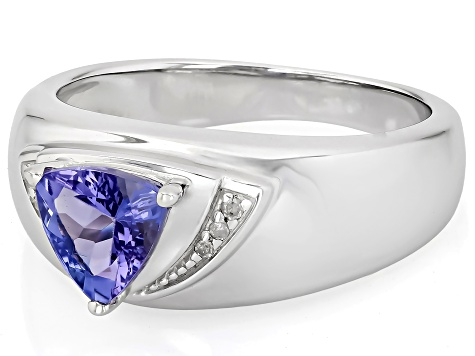
Tanzanite operates on similar logic. Single-source mining in Tanzania creates real supply pressure. The Merelani Hills deposit is the only commercial source on earth. Pieces with strong AAA-grade color saturation have historically held value. They are not liquid assets. They don’t perform like stocks. But as wearable stones with genuine rarity behind them, the long-term case is credible.
Lab-created stones do not appreciate. Bella Luce and similar lines are fashion purchases. Buy them for pleasure, not portfolio. There is nothing wrong with that framing—most jewelry purchases should be about joy. But be clear about which category you’re shopping before you spend.
JTV Jewelry Television sits in a real market gap. Their sourcing is genuine. Their pricing is competitive in the colored stone category. Their transparency around treatments is better than most. For the buyer who wants authentic gemstones at accessible prices, the brand delivers on its core promise. For everyone else, clearer options exist.
Are you shopping JTV for fashion-level pieces or with longer-term collection building in mind? And which gemstone category draws you most—tanzanite, alexandrite, or something else entirely? Tell us in the comments.