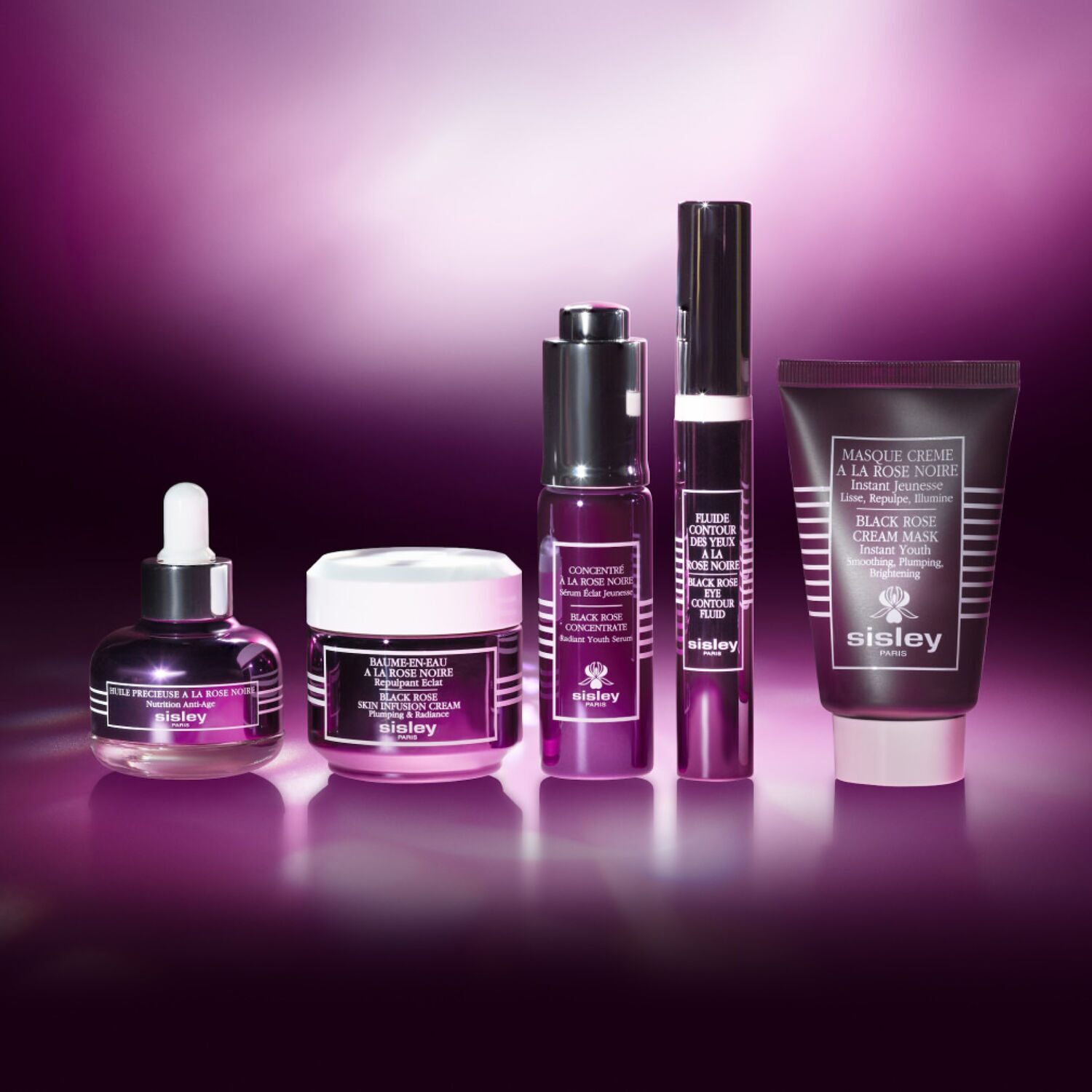
Sisley Paris’s Black Rose Cream Mask has maintained a waitlist at select Neiman Marcus counters since late 2023. It retails at $440 for 60ml. It sells out anyway. The brand generated an estimated €650 million in global revenue in 2024 — without a single outside investor. No private equity. No conglomerate parent. The d’Ornano family founded Sisley in Paris in 1976. They still own every share. That independence shapes everything about how the brand operates, what goes into its formulas, and why the repurchase rates defy category norms.
Fifty Years, One Family, Zero Shortcuts
Hubert d’Ornano launched Sisley in Paris in 1976. His wife Isabelle became the scientific and creative force. Their concept was precise. They believed plant-based actives and synthetic molecules could work together. Most skincare of that era chose one approach or the other. Sisley chose both.
The term “phyto-cosmetology” was not a marketing invention. It was a scientific position. The brand invested in botanical research from the start. They developed extraction processes that preserved plant bioactivity. Most companies outsource formulation. Sisley built theirs in-house. That infrastructure took decades to develop. You cannot replicate it quickly.
Today, the third generation of d’Ornanos manages the brand. Philippe d’Ornano serves as CEO. The family controls strategy, product development, and distribution entirely. They have declined multiple acquisition offers from major cosmetics groups. That decision is visible in every formula. Long development timelines. High raw material costs. No corners cut for quarterly margins.
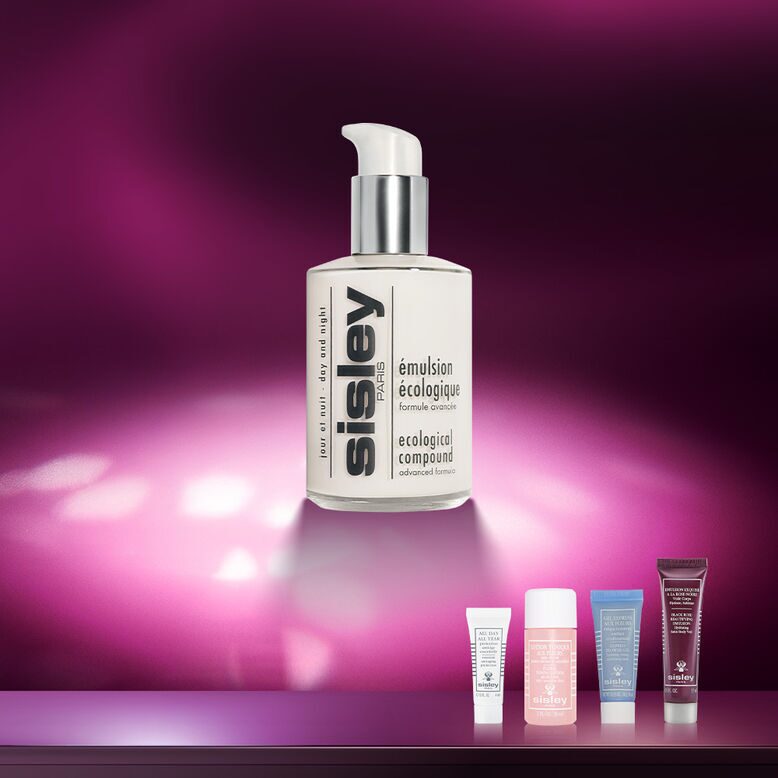
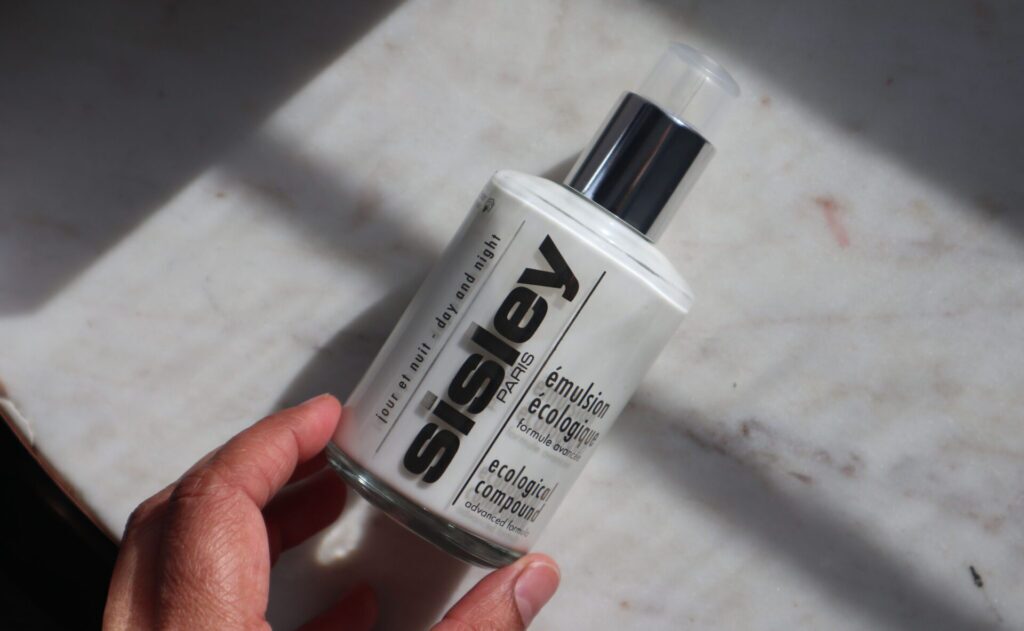
For a first-time Sisley buyer, the Ecological Compound ($190) is the right entry point. It demonstrates the brand’s formulation logic clearly before you commit to higher price tiers.
What Phyto-Cosmetology Actually Does
The term earns its complexity.
Sisley’s formulations combine plant extracts with targeted active ingredients. The botanical side includes essential oils, phytohormones, and plant-derived peptides. The active side includes hyaluronic acid, retinoids, and signal peptides. These aren’t competing layers stacked on top of each other. They’re designed to function as a system.
Take the Ecological Compound. It contains over fifteen botanical extracts. Arctic rose, aloe vera, heather flower, tropical butters — each selected for documented skin function. Supporting actives address hydration, barrier repair, and environmental stress. The texture is a light fluid. It absorbs fast. It doesn’t feel herbal or naturalistic. It feels like precise skincare with warmth behind it.
This approach costs more to produce. Botanical sourcing is seasonally variable. Quality fluctuates by harvest. Sisley maintains supplier relationships across four continents. Some sourcing partnerships have run continuously for thirty years. That depth of supply chain management is not standard in the industry.
“The question is never plant extract versus active molecule. It is always: what does the skin need, and which combination delivers it best.” — The founding principle behind Sisley Paris’s phyto-cosmetology approach, stated since 1976.
The Products That Define the House
Sisley’s catalog spans over 400 SKUs. Three lines anchor the brand’s identity.
The Ecological Compound is the foundation piece. It has existed since 1982. The formula has been updated seventeen times. Each revision added ingredients or improved delivery. No revision removed complexity. It functions as a fluid moisturizer, a treatment base, or a targeted serum depending on application. It works across most skin types. It’s the clearest entry point to the brand’s approach. The price is accessible relative to the rest of the range.
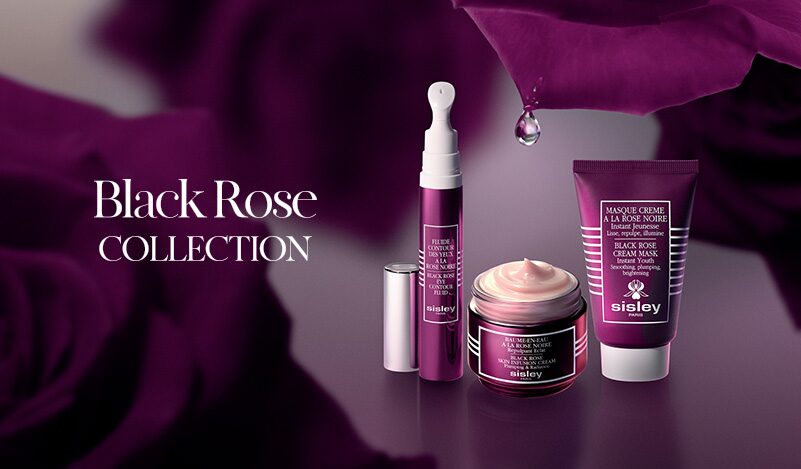
The Black Rose Collection is Sisley’s prestige tier. The hero — the Black Rose Cream Mask — uses Rosa Centifolia and Damask rose extracts, both documented for hydration and barrier repair. The texture is dense. It melts on contact with skin. The scent is genuine rose, not synthetic approximation. At $440, the price is significant. The sensory and efficacy experience justifies it for buyers who value both in equal measure.
Sisleÿa L’Intégral Anti-Âge sits at the top of the range. The eye contour cream starts at $400. The core anti-aging cream retails above $600. This line targets 45 and over, or early signs of volume loss. The formula includes phyto-estrogens derived from soy and botanical sources. Brand-conducted clinical studies show measurable improvements in skin density and wrinkle depth after 28 days. Third-party validation would strengthen those numbers. But Sisleÿa’s documented repurchase rate above 70% is harder to dismiss.
The makeup line earns a separate mention. The Phyto-Lip Twist ($62) is a tinted balm with plant wax and vitamin E. It has maintained bestseller status across luxury retail platforms for three consecutive years. For a cosmetics line without aggressive marketing spend, that longevity is earned, not manufactured.
Where Sisley Stands in 2025 and 2026
The luxury skincare market is crowded. Sisley’s position is specific.
They don’t compete with La Mer on aspirational branding. They don’t compete with The Ordinary on accessibility. They occupy a precision tier — not a compromise tier. Their buyer is educated. She reads ingredient lists. She compares formulations. She has likely tried La Prairie and SK-II. She chooses Sisley because the plant-science philosophy resonates and the results follow.
Search data confirms growing interest. “Sisley Paris review” searches grew 34% year-over-year in 2024. “Sisley Ecological Compound review” grew 51%. This is organic growth. The brand invests minimally in influencer campaigns or paid social media. Word of mouth drives customer acquisition. In an era when most brands survive on paid reach, that distinction matters.
Their distribution remains selective. Sisley is not at Ulta or Target. They sell through Neiman Marcus, Nordstrom, Bergdorf Goodman, and their own boutiques. Online, the brand enforces strict authorized-retailer policies. This scarcity is deliberate. It protects the brand experience and prevents gray-market dilution.
Always purchase Sisley through authorized retailers. Gray-market products risk compromised formulations. They also void any return policy or brand support.
The ChicRadar Buying Guide: Start Here, Invest Here, Skip This
A Sisley routine benefits from a clear hierarchy. Don’t start at the top.
Start here: The Ecological Compound ($190). It’s versatile. It works as a serum, a moisturizer, or a treatment base. Buy it once and you understand the brand’s formulation DNA entirely. If it resonates, the rest of the range follows logically.
Add next: The Phyto-Lip Twist ($62) for low-investment entry. Or the Black Rose Dry Oil ($155) for body — twelve botanical oils, absorbs without residue, and delivers the Sisley sensory signature at a lower barrier price.
Invest when ready: The Black Rose Cream Mask is worth $440 if intense hydration is your primary skin concern. Wait until you’ve confirmed the Ecological Compound works for your skin first. Don’t start here. Build context before you commit.
Skip: Standalone cleansers and toners from the Sisley range. Their cleansing products perform well. But the price premium over comparable alternatives is harder to justify. The brand’s real value lives in treatments and targeted actives.
You can explore the full Sisley Paris range and check current availability through authorized channels here. The brand participates selectively in Nordstrom’s anniversary sale and seasonal holiday events — those windows offer rare opportunities to enter at reduced price points.
- First purchase: Ecological Compound ($190) — demonstrates the full brand philosophy
- Low-commitment entry: Phyto-Lip Twist ($62) or Black Rose Dry Oil ($155)
- Core investment: Black Rose Cream Mask ($440) after confirming skin compatibility
- Long-term collection: Sisleÿa L’Intégral Anti-Âge for 45+ or early volume loss concerns
- Skip tier: Standalone cleansers — better value exists at lower price points elsewhere
The case for Sisley Paris rests on three fundamentals. Fifty years of independent, family-controlled development. A formulation philosophy that holds up under ingredient scrutiny. And customer retention data that most luxury brands prefer not to publish. For the buyer ready to move beyond trend-driven launches, Sisley represents one of the most defensible investments in the category. The formulation depth is real. The heritage is not decorative. It’s structural.
Are you drawn to the Ecological Compound as a starting point, or does the Black Rose collection speak more directly to your skin concerns? And do you approach luxury skincare as a daily ritual investment or an occasional indulgence? Tell us in the comments.