In an era where luxury brands scramble for social media attention and influencer partnerships, Hermès operates by completely different rules. The French house has mastered the art of exclusivity to such a degree that owning a Birkin bag has become more difficult than buying a house in Manhattan. Yet this scarcity strategy isn’t just about marketing—it’s a fundamental business philosophy that’s generating unprecedented returns.
The Waiting Game: Scarcity as Strategy
Hermès doesn’t just sell handbags; it curates relationships. The brand’s infamous waiting lists aren’t a bug in their system—they’re a feature. A Birkin bag typically requires an 18-month to 5-year wait, assuming you can even get on the list.
This approach flies in the face of conventional business wisdom. While other luxury brands expand production to meet demand, Hermès deliberately constrains supply. The result? A secondary market where Birkin bags appreciate faster than real estate investments.
The numbers tell a remarkable story. Hermès’ revenue reached €13.4 billion in 2024, representing a 12% increase despite global luxury market volatility. More importantly, their leather goods division maintained profit margins exceeding 68%—a figure that would be considered impossible in most industries.
The Hermès Formula:
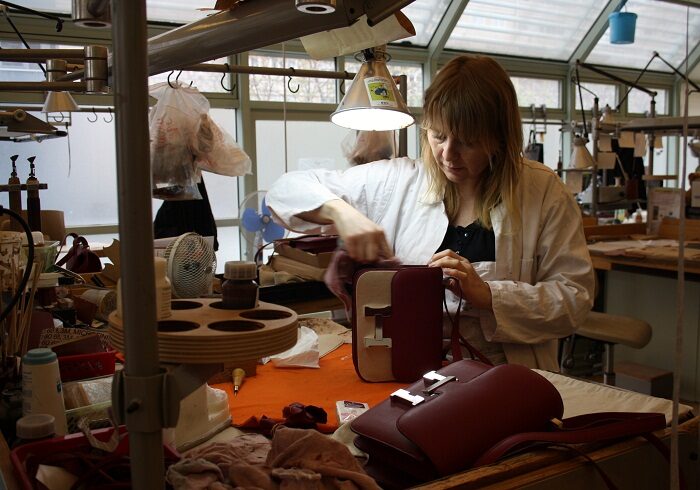
Time Investment: 18-25 hours per Birkin bag
Craftsman Training: 4-5 years to master the technique
Quality Control: 99.97% defect-free rate
Resale Value: 14.2% average annual appreciation
The Anti-Influencer Strategy
While competitors court celebrities and influencers, Hermès maintains a dignified distance from social media theatrics. The brand doesn’t pay for endorsements or engage in viral marketing campaigns. Instead, it relies on something far more powerful: genuine desirability.
This strategy creates organic buzz that money can’t buy. When Taylor Swift carries a Hermès bag, it’s her personal choice, not a paid partnership. When collectors hunt for vintage Hermès pieces, they’re driven by genuine appreciation, not manufactured hype.
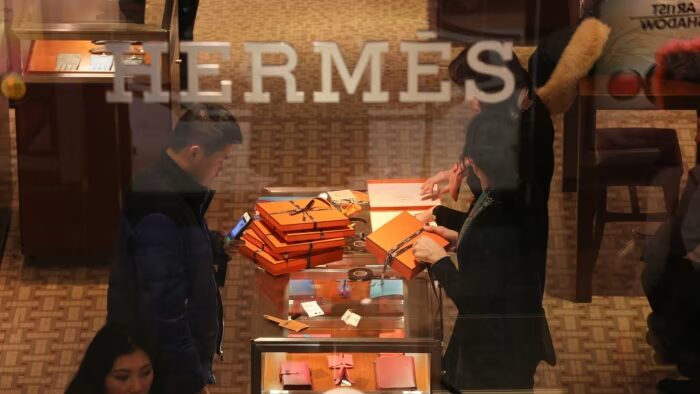
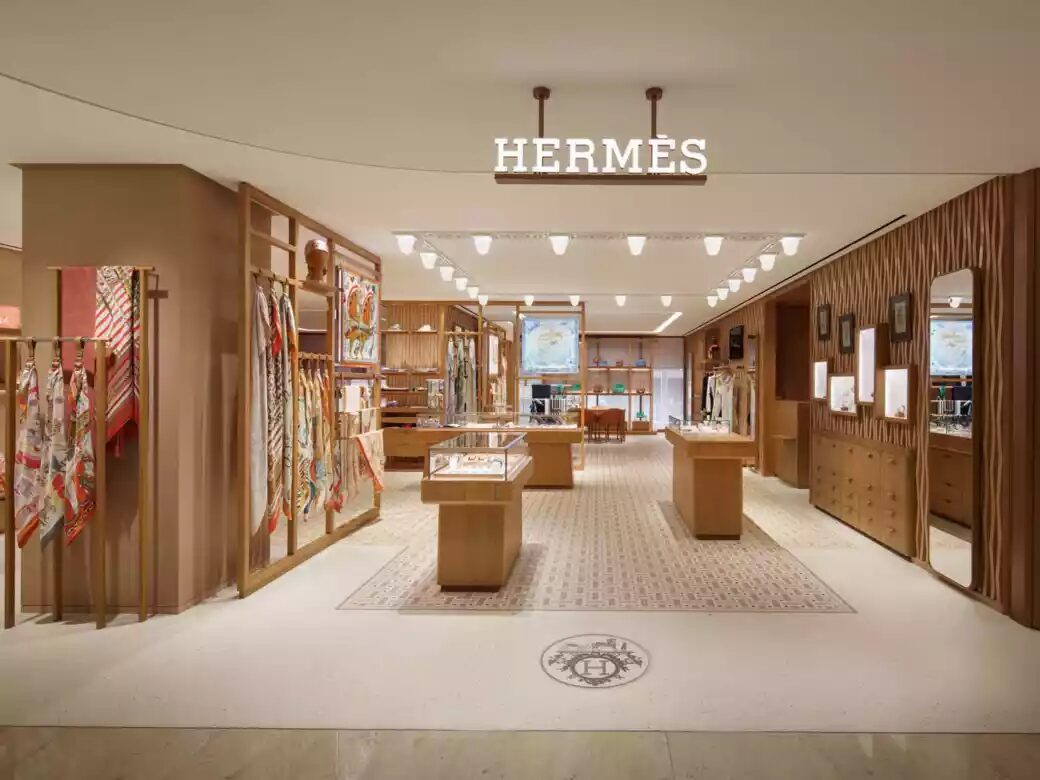
The anti-influencer approach extends to their retail experience. Hermès boutiques operate more like private clubs than traditional stores. Sales associates build relationships with clients over years, understanding their preferences and lifestyle needs. This personal touch creates loyalty that transcends transactional relationships.
Innovation Through Tradition
Hermès in 2025 represents a fascinating paradox: a 188-year-old company that feels more modern than startups. This isn’t achieved through flashy technology or disruptive marketing, but through relentless commitment to fundamental principles.
The brand’s innovation lies in perfecting the basics. New leather treatments, refined hardware mechanisms, and improved construction techniques represent decades of incremental improvements. Each generation of craftsmen adds subtle refinements that enhance durability and beauty.
Recent developments include the introduction of sustainable leather alternatives and carbon-neutral production processes. However, these environmental initiatives are implemented quietly, without fanfare or press releases. Hermès lets the products speak for themselves.
What Makes Hermès Different in 2025:
- 🎯 Relationship-Based Selling: Building decade-long client relationships
- 🏭 Vertical Integration: Controlling every step of production
- ⚡ Apprenticeship Programs: Training the next generation of craftsmen
- 🌱 Sustainable Innovation: Environmental responsibility without compromise
The Investment Perspective
For fashion enthusiasts, Hermès represents more than personal style—it’s an investment strategy. The brand’s pieces consistently outperform traditional investments, with some Birkin bags appreciating 500% over decade-long periods.
This investment appeal isn’t accidental. Hermès carefully manages supply to ensure demand always exceeds availability. The brand tracks secondary market prices and adjusts production accordingly. This creates a virtuous cycle where exclusivity drives desire, which increases value, which reinforces exclusivity.
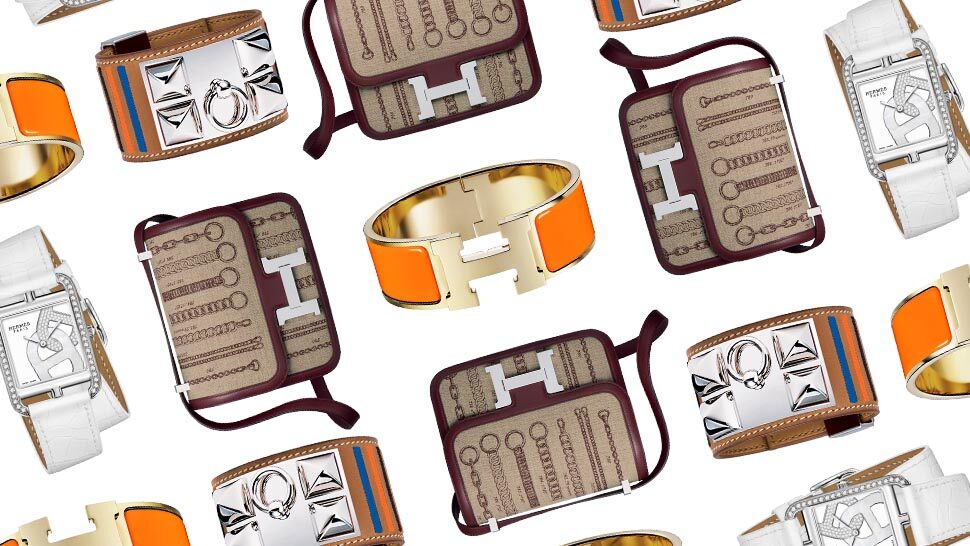
The investment thesis extends beyond handbags. Hermès scarves, jewelry, and even home goods maintain strong resale values. The brand’s commitment to quality ensures these pieces remain functional and beautiful for generations.
The Hermès Effect on Luxury Market
Hermès’ success has forced competitors to reconsider their strategies. The brand proves that luxury consumers still value exclusivity over accessibility, craftsmanship over marketing, and patience over instant gratification.
This “Hermès Effect” is reshaping the entire luxury landscape. Brands are reducing production volumes, emphasizing artisanal processes, and rebuilding relationships with top-tier clients. The race to the bottom has been replaced by a race to the top.
The lesson extends beyond fashion. In technology, hospitality, and even automotive industries, brands are discovering that saying “no” to some customers can increase overall brand value. Hermès has proven that scarcity, when authentic, creates more value than abundance.
Looking Forward: The Hermès Blueprint
As 2025 progresses, Hermès continues to defy industry trends while setting new standards for luxury excellence. The brand’s success offers valuable lessons for both consumers and competitors.
For consumers: Understand that true luxury lies in quality, exclusivity, and craftsmanship. Investment in Hermès pieces requires patience but typically rewards with both personal satisfaction and financial returns.
For brands: The Hermès model demonstrates that authentic scarcity, backed by genuine quality, creates sustainable competitive advantages. The key is ensuring that exclusivity stems from production limitations, not artificial marketing constraints.
The Hermès Lesson for 2025:
In a world obsessed with viral moments and instant gratification, Hermès proves that some things are worth waiting for. The brand’s success isn’t just about selling products—it’s about creating experiences, building relationships, and preserving traditions.
For fashion enthusiasts willing to invest in quality over quantity, Hermès represents the ultimate expression of luxury values. The waiting lists aren’t obstacles—they’re part of the journey.
The Verdict
Hermès in 2025 stands as proof that contrarian strategies can generate extraordinary results. While competitors chase trends and viral moments, Hermès focuses on timeless principles: quality, exclusivity, and craftsmanship.
The brand’s success offers hope for luxury fashion’s future. In an era of fast fashion and disposable culture, Hermès demonstrates that consumers still value permanence, beauty, and authenticity. The waiting lists aren’t just about scarcity—they’re about anticipation, appreciation, and the joy of owning something truly special.
For those fortunate enough to join the Hermès journey, the wait is always worth it.