Cocunat sold 800 units of their first proprietary product in two hours after announcing it via newsletter in 2017. The brand that started as curated marketplace in 2013 transformed into €100+ million revenue company by 2024. Their Clinical Beauty Filler—an at-home microneedling system—became viral sensation across Europe and North America, selling out repeatedly despite €139 price tag. These numbers establish Cocunat as Spain’s leading digital-native beauty brand. Yet the origin story isn’t typical entrepreneurial ambition. Founder Sara Werner created Cocunat to solve her mother’s rare medical condition: multiple chemical sensitivity that made most cosmetics physically painful to use.
This personal medical necessity evolved into commercial revolution. Werner couldn’t find safe, effective products for her mother in 2013. The clean beauty movement barely existed in Spain. “Toxic-free” wasn’t marketing terminology—it was survival requirement. Werner partnered with tech entrepreneur Ignasi Faus to create marketplace filtering products by ingredient safety. They evangelized clean beauty before Instagram influencers made it trendy. When key supplier discontinued beloved product, they manufactured it themselves. Customer response validated pivot from curator to creator.
Understanding Cocunat requires examining what Spanish clean beauty offers versus American (Drunk Elephant) or French (Caudalie) alternatives. Cocunat emphasizes clinical validation—independent lab testing proving efficacy claims. They balance natural ingredients with science-backed actives. They price aggressively competitive with prestige brands while maintaining vegan, cruelty-free, sustainable credentials. Whether this positioning justifies premiums over budget clean brands or competes effectively against luxury alternatives determines if Cocunat suits your skincare philosophy and budget.
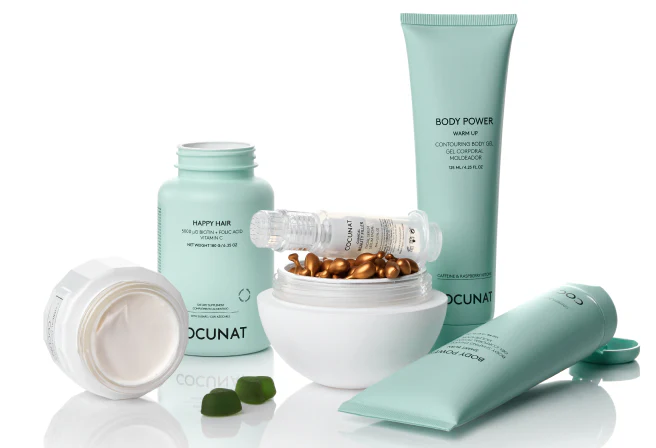
From Marketplace Curator to Clinical Beauty Brand
Sara Werner’s mother developed multiple chemical sensitivity in the 1990s—before Spanish healthcare officially recognized the condition (2014). The illness creates severe reactions to synthetic chemicals: fragrances trigger migraines, parabens cause rashes, petrochemical derivatives induce respiratory distress. Standard cosmetics became impossible. Werner spent childhood watching her mother suffer from products most people use daily without thought.
This formative experience stayed dormant during Werner’s early career. She worked as marketing director at Alqvimia (natural cosmetics) and CEO of Nosotras.com (women’s community site). Meanwhile, partner Ignasi Faus spent decade at Microsoft in US then returned to Spain as Chief Innovation Officer at Akamon gaming company. Their complementary expertise—Werner’s beauty marketing, Faus’s technology innovation—created perfect founding partnership.
The 2013 founding followed deliberate market analysis. Clean beauty exploded in America. Organic food gained European traction. But toxic-free cosmetics remained fringe concept in Spain. Most consumers couldn’t identify parabens, sulfates, or phthalates. They certainly didn’t avoid them intentionally. Cocunat’s initial mission was educational: teach consumers why ingredient consciousness matters while providing curated safe alternatives.
The marketplace model worked brilliantly for awareness building. Cocunat filtered 7,000+ products from various brands, displaying only those meeting strict safety criteria. They explained why certain ingredients cause concerns. They translated American clean beauty vocabulary for Spanish consumers. Revenue hit €200,000 in 2014. By 2016, they operated across 10 European countries. The education strategy succeeded—customers understood clean beauty value proposition.
The 2017 pivot to proprietary brand came from necessity. A manufacturer discontinued mousse cream texture customers loved. Werner and Faus decided to replicate it themselves. They ordered 400 units expecting 3-4 year inventory. When newsletter announced availability, 800 orders arrived within two hours. The market response was unambiguous: customers wanted Cocunat-branded products, not just curated selections.
They closed the marketplace in 2018. Cocunat relaunched as full beauty brand—vegan, toxic-free formulations with clinical testing proving efficacy. The transition required completely rebuilding business model. They hired dermatologists and formulators. They established relationships with ethical manufacturers. They developed proprietary ingredients and technologies. The reinvention succeeded spectacularly: €100+ million projected 2024 revenue validates the strategic pivot.
Hero Products: What Actually Delivers Clinical Results
Clinical Beauty Filler (€139 for single treatment, €279.90 for dual pack)
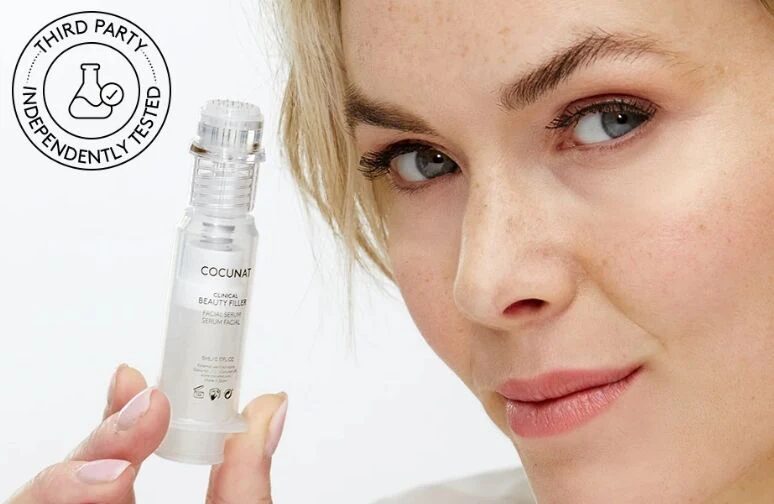
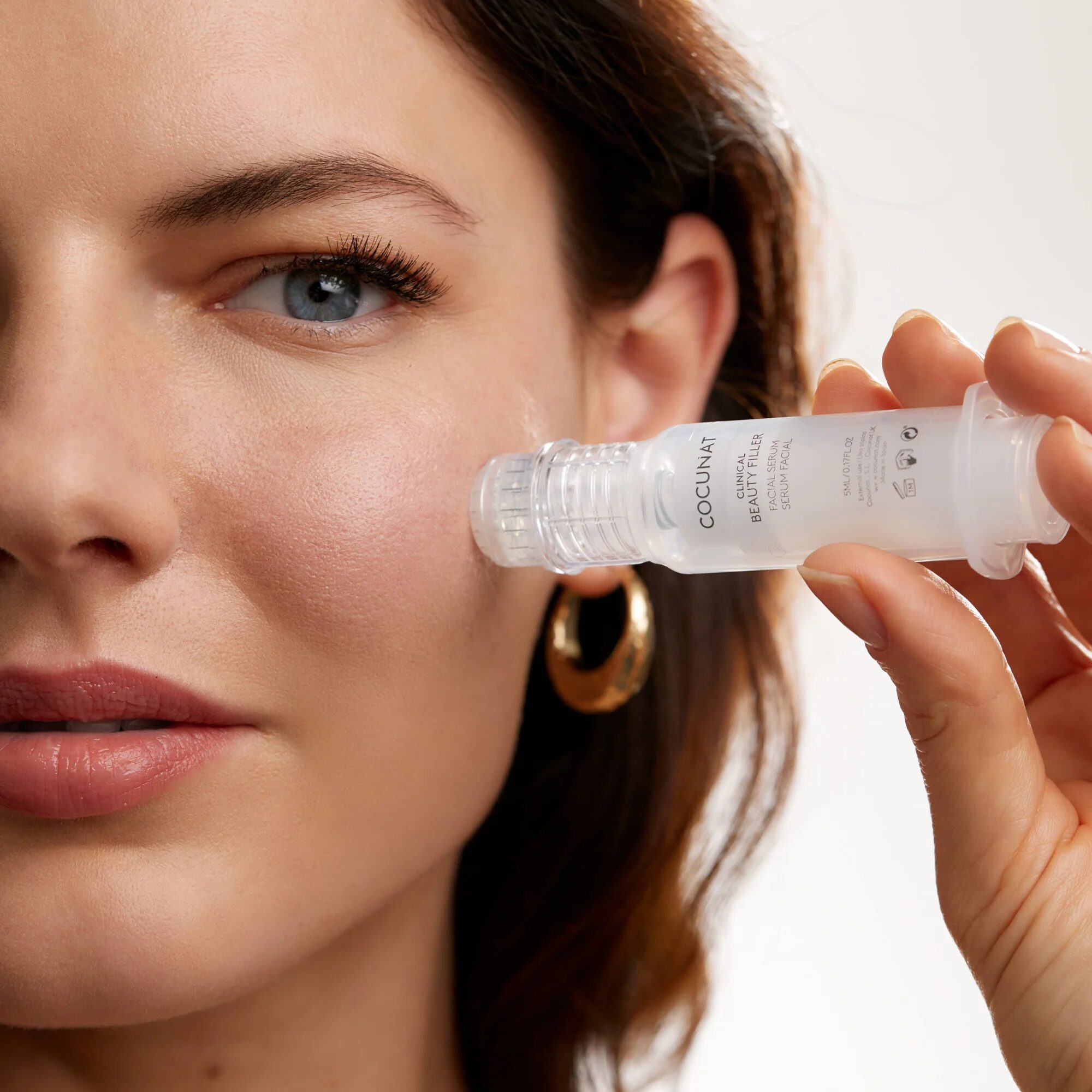
The product that built Cocunat’s international reputation. This at-home microneedling system combines dermaroller with concentrated serum. The roller features 540 titanium microneedles (0.25mm depth) that create micro-channels in skin. The serum contains argireline (hexapeptide-8), hyaluronic acid, collagen peptides, and vitamin complex. The process mimics professional microneedling at fraction of clinical cost (€400-800 per session).
Clinical testing results appear impressive: 25.1% wrinkle reduction at 3 hours post-application, 24.2% elasticity increase at 24 hours, 33.3% firmness improvement after 14 days of single application. Independent laboratory tested on 30 volunteers with no brand knowledge. These numbers suggest genuine efficacy—though one-time studies require perspective. Long-term results and broader population testing would strengthen claims further.
User reviews split noticeably. Enthusiasts report dramatic improvements—visibly plumper skin, reduced fine lines, improved texture within weeks. Skeptics see minimal difference despite consistent use. This variance likely reflects technique sensitivity. Microneedling requires proper pressure, consistent coverage, and adequate serum application. User error significantly impacts outcomes more than with simple serums or creams.
At €139 per treatment (€4.96 daily for 28-day duration), the pricing competes with professional sessions when calculated annually. Two yearly professional microneedling sessions cost €800-1600. Monthly Cocunat treatments total €1668 annually (12 × €139). However, professional treatments use deeper needles (0.5-2.5mm) producing more dramatic results. The comparison isn’t precisely equivalent—Cocunat offers maintenance-level microneedling versus professional-grade intervention.
The fear factor requires acknowledgment. Needles rolling across your face appears terrifying initially. Reviews consistently mention this psychological barrier. However, 0.25mm needles cause minimal discomfort—described as “tingling” or “slight prickling” rather than pain. The sensation passes quickly. After 2-3 uses, most customers report comfortable routine application.
WonderMask (€21.95 for 75ml)
Mediterranean clay-based detoxifying mask featuring prickly pear oil, ginger extract, and rosehip. The formula provides triple action: detoxification (clay absorbs impurities), brightening (vitamin C from rosehip), exfoliation (natural fruit enzymes). The texture feels creamy rather than gritty—pleasant application without harsh scrubbing.
Performance meets expectations without exceeding them. The mask cleanses pores effectively. Skin looks brighter and feels smoother post-use. The effect lasts 2-3 days before returning to baseline. At €21.95, this represents fair midrange pricing—more expensive than drugstore masks (€8-12) but cheaper than luxury alternatives (€50-80).
The included sponge for removal adds thoughtful touch. Some masks rinse messily or require vigorous scrubbing. WonderMask’s gentle sponge removal process feels spa-like. These small details enhance user experience beyond pure efficacy. You’re buying ritual alongside results—valid consideration for products used weekly rather than daily.
Compared to Drunk Elephant’s T.L.C. Sukari Babyfacial (€75 for 50ml), WonderMask delivers gentler exfoliation at significantly lower cost. Drunk Elephant provides more dramatic results but causes more irritation. Cocunat prioritizes comfort over intensity—appropriate for sensitive skin or weekly maintenance rather than monthly transformation.
Explore Cocunat’s complete range of clinically-tested, toxic-free beauty products at Cocunat where Spanish clean beauty innovation meets accessible luxury pricing.
V-Lifting Serum (€41.98 for 30ml)
Argireline-based serum marketed as “natural Botox alternative.” The hexapeptide-8 temporarily relaxes facial muscles, theoretically reducing expression lines. Research shows argireline can reduce wrinkle depth up to 48% after 4 weeks of twice-daily use. However, this requires high concentrations (10%+) applied consistently. Cocunat doesn’t disclose exact percentage—common industry practice but frustrating for ingredient-conscious consumers.
The serum absorbs quickly without tackiness. Skin feels smooth and slightly tightened immediately. This temporary effect creates pleasant sensation but doesn’t indicate long-term improvement. Continued use over 8-12 weeks shows modest reduction in forehead lines and crow’s feet for some users. Others report zero visible change despite religious application.
At €41.98 for 30ml, this costs €1.40 per milliliter—standard prestige serum pricing. The Ordinary’s Argireline Solution 10% costs £7 (approximately €8) for 30ml. That’s approximately €0.27 per milliliter—81% cheaper with higher disclosed concentration. Cocunat’s premium buys elegant formulation, additional supporting ingredients, and brand experience. Whether that justifies 5x pricing depends on your ingredient-vs-experience priorities.
Curl Defining Hair Care Line (€77.64 for complete set)
Surprising category extension for brand known for skincare. The curl line features co-wash cleanser, defining cream, and nourishing mask. Formulations emphasize moisture retention and frizz control without silicones or sulfates. Natural oils (argan, coconut, jojoba) provide hydration. Plant proteins strengthen curl structure.
The products work competently for wavy-to-curly hair (2B-3B curl patterns). Tighter curls (3C-4C) might need additional moisture. The defining cream provides good hold without crunchiness. Curls maintain definition through humidity. The co-wash cleanses gently without stripping—crucial for maintaining curl moisture.
Pricing at €77.64 for complete set represents solid value. Individual curl care products typically cost €15-25 each. Cocunat’s bundling strategy provides all essentials at modest premium over buying separately. Compare to DevaCurl (€90-120 for starter sets) or Ouidad (€100-140). Cocunat competes effectively on price while maintaining clean ingredient standards curl communities prioritize.
- Clinical Beauty Filler – Premium price justified by clinical results (€139)
- Curl defining set – Complete routine cheaper than competitors (€77.64)
- WonderMask – Fair midrange pricing for weekly treatment (€21.95)
- Skip: V-Lifting Serum – The Ordinary offers equivalent for 81% less (€41.98)
Cocunat vs Clean Beauty Competitors
Cocunat vs Drunk Elephant
Both champion “suspicious ingredient” avoidance. Drunk Elephant excludes “Suspicious 6” (essential oils, silicones, fragrances, drying alcohols, chemical sunscreens, SLS). Cocunat’s toxic-free philosophy targets similar compounds plus additional hormone disruptors and sensitizers. The overlap is substantial—both brands serve consumers seeking clean formulations with clinical backing.
Price comparison shows Cocunat undercutting Drunk Elephant modestly. Drunk Elephant’s Protini Polypeptide Cream costs €76 for 50ml (€1.52/ml). Cocunat’s comparable anti-aging cream costs €63.95 for 50ml (€1.28/ml). The 15-18% savings across product lines make Cocunat accessible-luxury alternative to American clean beauty premium pricing.
Formulation philosophy differs meaningfully. Drunk Elephant emphasizes biocompatibility—ingredients skin recognizes and processes naturally. Cocunat prioritizes clinical validation—independent testing proving specific outcome claims. Neither approach is superior objectively. Choose Drunk Elephant for established track record and wider North American availability. Choose Cocunat for European sourcing, slightly lower pricing, and clinical testing transparency.
Cocunat vs The Ordinary
This comparison feels almost unfair given radically different pricing strategies. The Ordinary strips skincare to pure actives at rock-bottom prices. Cocunat wraps effective ingredients in elegant formulations at moderate premiums. The Ordinary’s Argireline costs €8. Cocunat’s argireline-based serum costs €41.98. That 5x price difference buys superior texture, supporting ingredients, sustainable packaging, and brand experience.
For consumers who view skincare as clinical intervention, The Ordinary delivers better value. The ingredient concentrations are higher and disclosed. The results-per-euro calculation favors budget approach. But The Ordinary’s formulations often pill under moisturizers, feel tacky, or cause irritation from high-strength actives. Cocunat’s gentler approach suits sensitive skin and users prioritizing pleasant rituals alongside results.
Smart strategy: Use The Ordinary for powerful actives (retinol, vitamin C, acids) where concentration matters. Use Cocunat for treatments where experience matters (masks, serums, specialized products). This hybrid approach maximizes efficacy and pleasure while controlling costs.
Cocunat vs Caudalie
Both brands built identities around specific natural actives. Caudalie features grape-derived polyphenols, resveratrol, and viniferine from French vineyards. Cocunat emphasizes Mediterranean botanicals—olive extracts, rosehip, prickly pear—from Spanish terroir. The regional sourcing creates distinct brand personalities beyond ingredient differences.
Pricing shows near-parity in European markets. Caudalie’s Vinoperfect Radiance Serum costs €110 for 30ml. Cocunat’s Clinical Beauty Filler costs €139 but includes physical device alongside serum. Their comparable standalone serums (€42-64) actually undercut Caudalie modestly. For European consumers, Cocunat often delivers better value than French pharmacy prestige.
The sensory difference matters significantly. Caudalie emphasizes aromatherapy—rich herbal-floral scents permeating formulations. Cocunat uses minimal fragrance, relying on ingredient natural scents. Choose Caudalie if you love spa-like aromatic experiences. Choose Cocunat if you prefer fragrance-free or have scent sensitivities.
“My mother’s chemical sensitivity forced me to question every cosmetic ingredient. What started as personal necessity became mission to prove clean beauty could deliver clinical results without compromise.” — Sara Werner, Cocunat Co-Founder & CEO
The Clinical Testing Question: Marketing or Meaningful?
Cocunat prominently features “independent clinical testing” claims. The Clinical Beauty Filler’s 33.3% firmness improvement appears in every product description. But what do these studies actually prove? The testing occurred on 30 volunteers over 14 days with single product application. Independent laboratory conducted measurements—genuinely third-party rather than brand-conducted tests.
These parameters create both credibility and limitations. Thirty volunteers represents small sample size. Fourteen days shows short-term effects only. Single application doesn’t demonstrate continued efficacy over months. The independence of testing laboratory adds legitimacy. But brand-funded research inherently creates potential bias regardless of laboratory independence.
Comparing to pharmaceutical-grade testing standards reveals gaps. FDA-approved treatments require hundreds of participants across multiple studies spanning months or years. Cosmetics face no such requirements—essentially self-regulated industry with voluntary testing. Cocunat exceeds minimum standards significantly by conducting any third-party testing. But their testing doesn’t approach pharmaceutical rigor.
The practical implication: Cocunat’s clinical claims indicate probable efficacy based on limited evidence. They’re not fabricating results. But they’re also not proving definitive superiority over competitors. Use clinical testing as positive signal rather than absolute guarantee. Personal experience remains ultimate determination of whether products work for your specific skin.
Shopping Strategy and Value Optimization
When Cocunat Makes Financial Sense
Sensitive skin requiring gentle formulations justifies premiums over budget alternatives. If The Ordinary’s high-strength actives inflame your skin, Cocunat’s gentler approach provides better value despite higher upfront cost. Skin damage from harsh products negates any savings.
Chemical sensitivity or allergy concerns make clean ingredient credentials valuable. Cocunat’s rigorous ingredient screening provides peace of mind worth paying for if you’ve experienced allergic reactions to conventional cosmetics. Health isn’t negotiable for cost savings.
European consumers benefit from regional pricing and shipping. Cocunat often costs less in EU than importing American clean beauty brands. Add shipping costs and potential customs fees, and Cocunat delivers better total value for European addresses.
Gift purchases where presentation matters leverage Cocunat’s elegant packaging. The products photograph beautifully. The brand story provides conversation value. The moderate luxury positioning suits milestone gifts without seeming excessive. A €140 Clinical Beauty Filler makes impressive birthday present where €8 The Ordinary serum doesn’t.
When to Choose Alternatives
Maximum budget efficiency prioritizes pure ingredient concentration. The Ordinary, CeraVe, and other clinical-focus brands deliver higher active percentages at fraction of Cocunat’s cost. If you view skincare as medicine rather than ritual, cheaper alternatives perform equivalently.
You’re seeking dramatic transformation quickly. Prescription tretinoin, professional microneedling (1-2.5mm depth), or dermatologist-supervised treatments deliver more aggressive results than any over-the-counter brand. Cocunat excels at maintenance and prevention, not dramatic intervention.
Established routines with trusted products already work. Paying premiums for clean beauty when your current routine delivers satisfaction wastes money unnecessarily. If it isn’t broken, don’t pay extra to “clean” fix it.
North American consumers face import challenges. Cocunat’s US site exists but selection and availability lag behind European markets. Americans often find better value in domestic clean beauty brands with stronger local infrastructure.
Discover Cocunat’s innovative approach to toxic-free beauty with clinical validation at Cocunat where Barcelona’s clean beauty pioneer offers European-accessible luxury with genuine efficacy focus.
The Verdict: Who Should Invest in Cocunat?
Cocunat Works Best For:
European clean beauty enthusiasts seeking regional alternative to American brands. Cocunat’s Spanish sourcing, EU pricing, and European shipping logistics provide advantages imported brands can’t match. Supporting European clean beauty innovation appeals to consumers prioritizing local economies.
Sensitive skin requiring gentle but effective formulations. The toxic-free philosophy targets common irritants and allergens. If you’ve struggled with reactions to conventional cosmetics, Cocunat’s careful ingredient curation reduces risk while maintaining efficacy focus.
Consumers valuing clinical validation alongside clean credentials. Many clean beauty brands rely on natural ingredient tradition without scientific backing. Cocunat bridges clean beauty and clinical skincare—appealing to evidence-oriented consumers who won’t sacrifice efficacy for purity.
Gift-givers seeking impressive presentation without excessive luxury pricing. Cocunat occupies sweet spot between accessible and special. €60-140 price points feel generous without seeming extravagant. The clean beauty story provides meaningful gifting narrative.
People with chemical sensitivities or health conditions requiring ingredient vigilance. Founder Sara Werner’s mother still tests products. This lived experience with chemical sensitivity creates authentic commitment to safety that marketing-driven clean brands lack.
Skip Cocunat If:
Budget is absolute priority and you tolerate clinical-strength actives. The Ordinary, CeraVe, and pharmaceutical-grade products deliver higher concentrations at 70-80% lower costs. If your skin handles potent formulations without irritation, cheaper clinical alternatives perform equivalently or better.
You’re seeking dramatic rapid transformation. At-home cosmetics—regardless of brand—deliver modest improvements over months. Anyone expecting Botox-level results from topical serums will disappoint regardless of clinical testing claims. Save money for professional treatments if dramatic change is goal.
Fragrance and aromatherapy matter more than ingredient purity. Cocunat’s minimal-scent formulations won’t satisfy consumers who love rich spa aromas. Brands like Caudalie or ELEMIS provide superior sensory experiences if that’s priority.
You live outside Europe with access to superior local alternatives. North American consumers benefit from Drunk Elephant’s stronger US infrastructure. Asian consumers access K-beauty clean alternatives at better value. Cocunat’s advantages diminish outside European markets.
Cocunat succeeds by authentically combining medical necessity origin with commercial ambition. The brand’s foundation in founder’s mother’s illness creates genuine clean beauty commitment rather than trendy positioning. Clinical testing—while limited—demonstrates efficacy focus uncommon in natural beauty space. Pricing sits appropriately between budget clinical brands and excessive luxury.
Whether Cocunat suits your needs depends on weighting clinical validation, clean ingredients, and European accessibility against pure cost-efficiency. The brand won’t convert budget-focused consumers from The Ordinary’s pricing. But for European clean beauty enthusiasts seeking credible efficacy claims with elegant formulations, Cocunat delivers compelling value proposition.
Sara Werner’s personal mission transformed into commercial success proves markets exist for clean beauty with scientific rigor. The €100+ million revenue validates that enough consumers care about both ingredient safety and proven results to support premium pricing. That validation doesn’t mean everyone should buy Cocunat—but it proves significant demographic finds their approach worth investing in.
For clean beauty consumers, does Cocunat’s clinical testing and toxic-free philosophy justify pricing premiums over budget alternatives like The Ordinary, or is ingredient concentration always more important than formulation elegance and safety screening?