The luxury world has witnessed many upheavals, but nothing quite like Chanel’s extraordinary 2025 performance. The French house has not only survived a challenging market environment—it has thrived spectacularly, achieving a staggering 45% increase in brand value to reach $37.9 billion and officially overtaking Louis Vuitton as the world’s second most valuable luxury brand.
This achievement becomes even more remarkable when considering the context. Chanel executed this triumph while managing a major creative leadership transition, investing record amounts in infrastructure, and launching ambitious sustainability initiatives. The brand’s ability to maintain momentum during such fundamental changes reveals a level of strategic sophistication that sets new standards for luxury brand management.
The numbers tell only part of the story. Behind Chanel’s meteoric rise lies a carefully orchestrated strategy that balances heritage preservation with bold innovation, financial discipline with creative risk-taking, and global expansion with cultural authenticity.
The Valuation Revolution: Numbers That Redefined Luxury
Chanel’s $37.9 billion valuation represents more than financial success—it’s a paradigm shift. The 45% increase isn’t just impressive; it’s unprecedented for a luxury brand of Chanel’s size and maturity. This growth trajectory places Chanel ahead of Louis Vuitton’s $32.9 billion valuation, ending decades of competitive dynamics.
The Brand Finance 2025 ranking reveals the depth of Chanel’s achievement. The house scored a perfect 10 in France for awareness, customer satisfaction, and consideration, while maintaining strong performance across the US, Europe, and Asia. This global resonance demonstrates that Chanel’s appeal transcends geographical boundaries and cultural differences.
Chanel’s 2025 Brand Metrics:
Brand Value: $37.9 billion (+45% increase)
Global Ranking: 2nd most valuable luxury brand
Brand Strength Score: 89.6 out of 100 (4th position)
Market Position: Overtook Louis Vuitton for the first time
More significantly, Chanel’s Brand Strength Index rose from fifth to fourth position with a score of 89.6 out of 100. This metric measures resilience, customer loyalty, and market positioning—factors that indicate sustainable competitive advantage rather than temporary market fluctuations.
The Blazy Factor: Creative Transition as Strategic Opportunity
Matthieu Blazy’s appointment as artistic director represents the most significant creative leadership change since Karl Lagerfeld joined Chanel in 1983. The 40-year-old Franco-Belgian designer brings a reputation for innovation and craftsmanship that could define Chanel’s next chapter.
The timing of this appointment is strategically brilliant. Rather than allowing creative uncertainty to undermine brand value, Chanel has used the transition period to strengthen its foundation. The six-month gap between Virginie Viard’s departure and Blazy’s arrival allowed the in-house design team to create collections that honored Chanel’s heritage while preparing for evolution.
Blazy’s background at Bottega Veneta, where he transformed the brand into one of Milan’s most talked-about houses, suggests he understands how to balance creative vision with commercial success. His experience with luxury craftsmanship and contemporary aesthetics positions him perfectly to lead Chanel into its next phase.
The market’s response has been overwhelmingly positive. Industry analysts view Blazy’s appointment as a masterstroke that ensures creative continuity while introducing fresh perspectives. His relatively young age suggests Chanel is positioning him for a long tenure, potentially matching Lagerfeld’s 36-year legacy.
Investment Strategy: Building for the Next Century
Chanel’s 2024 financial results reveal a company that thinks in decades rather than quarters. Despite a 4.3% revenue decline to $18.7 billion—reflecting challenging macroeconomic conditions—the brand invested a record $1.755 billion in capital expenditure, representing a 43% increase from 2023.
This investment strategy demonstrates remarkable confidence and vision. While competitors cut costs and reduce expansion plans, Chanel has doubled down on infrastructure, boutique expansion, and supply chain enhancement. The $2.445 billion total investment in brand activities and client experiences shows a commitment to long-term relationship building.
The acquisition of a 35% stake in Italian silk manufacturer Mantero Seta exemplifies this strategic approach. The partnership, building on a collaboration dating back to 1973, secures supply chain reliability while maintaining quality standards. Such vertical integration provides competitive advantages that cannot be easily replicated.
Chanel’s Strategic Investments:
- 🏭 Capital Expenditure: $1.755 billion (+43% increase)
- 🎯 Brand Activities: $2.445 billion investment
- 🏪 Boutique Expansion: Global flagship store network enhancement
- 🤝 Supply Chain: 35% stake in Mantero Seta silk manufacturer
The Nevold Revolution: Sustainability as Competitive Advantage
Chanel’s launch of Nevold—a circular materials hub combining “never” and “old”—represents the most ambitious sustainability initiative in luxury fashion. The division will recirculate, recreate, and repurpose used textiles, addressing both environmental concerns and supply chain security.
The strategic implications extend far beyond environmental responsibility. With purchased goods causing nearly two-thirds of Chanel’s Scope 3 carbon emissions, Nevold addresses genuine business risks while creating new opportunities. By controlling recycling processes and inviting partners to participate, Chanel is positioning itself to dominate future markets for high-end sustainable materials.
The initiative also addresses quality concerns that have limited luxury brands’ adoption of sustainable materials. By maintaining control over the entire recycling process, Chanel can ensure that recycled materials meet the same standards as virgin materials.
🌱 Nevold Initiative Impact
Environmental Goal: Reduce Scope 3 emissions by targeting material sourcing
Supply Security: Reduce dependence on virgin material availability
Quality Control: Maintain luxury standards with recycled materials
Market Position: Establish leadership in sustainable luxury materials
Digital Evolution: Tradition Meets Technology
Chanel’s historically conservative approach to digital adoption has evolved dramatically in 2025. The brand has expanded its online presence while maintaining the exclusive atmosphere that defines luxury retail. Virtual consultations, exclusive online experiences, and enhanced omnichannel integration demonstrate sophisticated understanding of contemporary consumer expectations.
This digital transformation is carefully calibrated to enhance rather than replace traditional luxury experiences. Chanel recognizes that digital tools should facilitate human connections rather than substitute for them. The brand’s approach creates seamless transitions between online and offline experiences while preserving the personal touch that justifies premium pricing.
The strategy proves that luxury brands can embrace technology without compromising their positioning. Chanel’s digital initiatives enhance accessibility while maintaining exclusivity—a balance that few brands achieve successfully.
Pricing Philosophy: Moderation as Strategy
One of Chanel’s most significant strategic shifts involves pricing policy. After years of aggressive price increases—including a 59% surge between 2020 and 2023—the brand has adopted a more measured approach in 2025.
This pricing moderation reflects sophisticated market understanding. Rather than maximizing short-term profits through continued price escalation, Chanel is prioritizing long-term brand accessibility and customer relationships. The strategy acknowledges that pricing power has limits, even for the most desirable luxury brands.
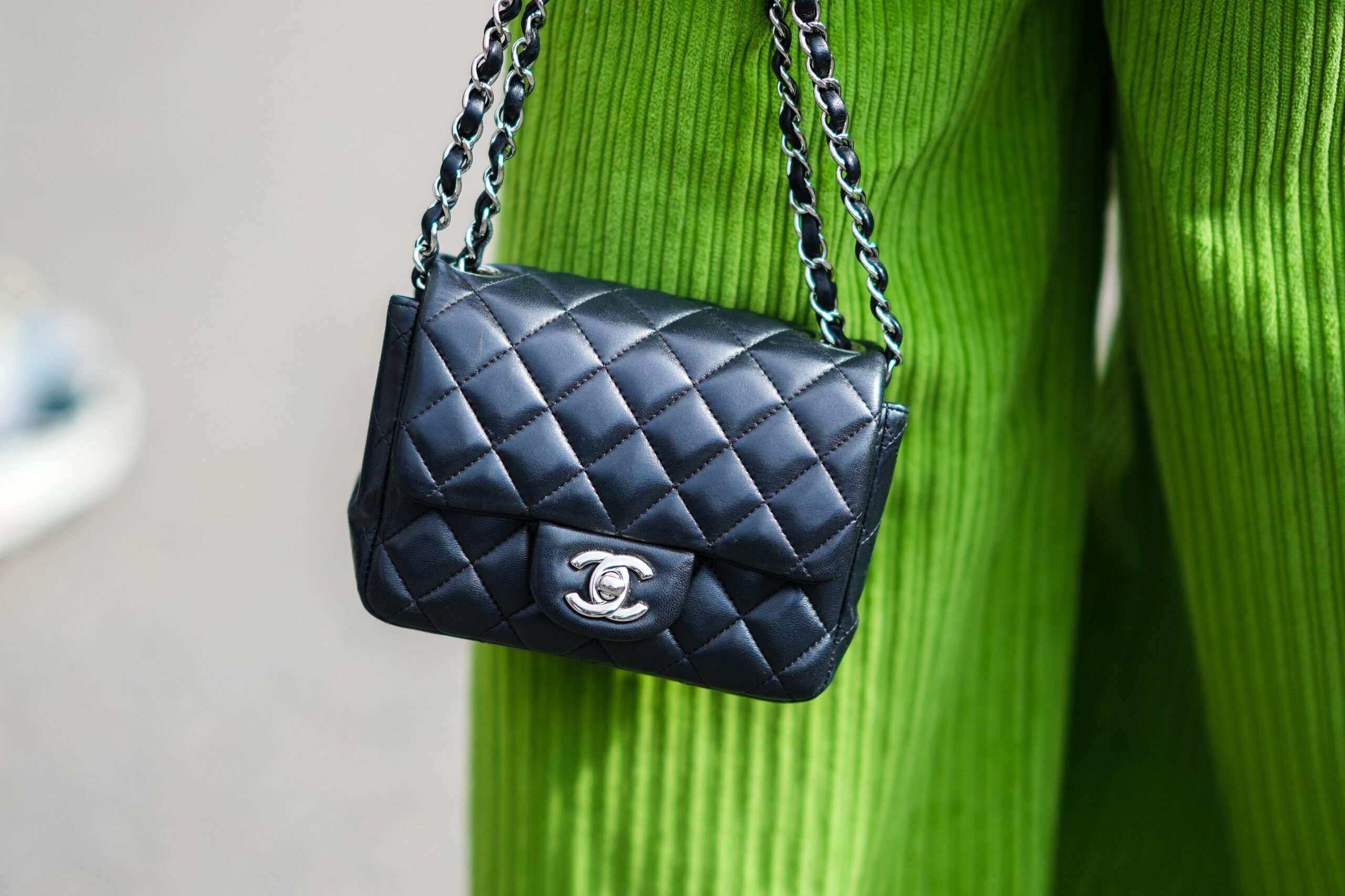
The approach also positions Chanel advantageously against competitors who continue aggressive price increases. By offering relative accessibility within the luxury segment, Chanel can attract customers who might otherwise choose alternative brands or delay purchases entirely.
Cultural Resonance: The Villa d’Este Moment
Chanel’s Cruise 2025/26 collection presentation at Villa d’Este on Lake Como exemplifies the brand’s approach to cultural engagement. The location choice wasn’t arbitrary—it represented a celebration of cinematic glamour and cultural heritage that reinforces Chanel’s positioning as a cultural institution.
These cultural partnerships create value that extends beyond immediate sales. They generate content, create experiences, and build brand narrative that resonates with consumers seeking authentic luxury connections. The strategy transforms Chanel from a product manufacturer into a cultural curator.
The Villa d’Este presentation also demonstrates Chanel’s understanding of luxury as experience rather than mere consumption. By creating memorable moments that customers can share and remember, the brand builds emotional connections that justify premium pricing and encourage loyalty.
The Integration Challenge: Managing Multiple Transformations
Perhaps Chanel’s most impressive achievement is managing simultaneous transformations without losing momentum. The brand has navigated creative leadership transition, financial investment, sustainability initiatives, and digital evolution while maintaining growth and market position.
This integration capability represents a core competitive advantage. Many luxury brands struggle to manage single major changes without disrupting operations or confusing customers. Chanel’s ability to orchestrate multiple strategic initiatives simultaneously demonstrates organizational maturity and strategic clarity.
Chanel’s Strategic Integration Success:
Creative Continuity: Smooth transition from Viard to Blazy while maintaining design excellence and brand identity.
Financial Discipline: Record investments during revenue decline, demonstrating long-term thinking over short-term optimization.
Sustainability Leadership: Nevold initiative addresses environmental concerns while creating competitive advantages.
Digital Evolution: Technology adoption that enhances rather than replaces traditional luxury experiences.
Looking Forward: The Chanel Model
Chanel’s 2025 performance offers valuable lessons for luxury brand management. The brand has proven that heritage houses can achieve dramatic growth while managing fundamental changes. More importantly, it has demonstrated that strategic thinking and long-term investment can overcome short-term market challenges.
The Chanel model emphasizes integration over optimization. Rather than pursuing single strategies in isolation, the brand coordinates multiple initiatives to create synergistic effects. This approach requires sophisticated management capabilities but generates results that isolated tactics cannot achieve.
For competitors, Chanel’s success raises the bar for luxury brand performance. The combination of creative excellence, strategic investment, sustainability leadership, and digital innovation creates a new standard that other brands must match or exceed.
The Verdict: Redefining Luxury Excellence
Chanel’s magnificent gamble has paid off spectacularly. The brand has achieved unprecedented growth while managing multiple strategic transformations, setting new standards for luxury brand performance and strategic thinking.
The implications extend beyond Chanel to the entire luxury industry. The brand has proven that heritage houses can be simultaneously traditional and innovative, financially disciplined and creatively bold, globally consistent and culturally sensitive.
For luxury consumers, Chanel’s evolution offers reassurance that investment in quality brands remains worthwhile. The brand’s commitment to craftsmanship, sustainability, and customer experience creates ownership experiences that justify premium pricing and generate long-term satisfaction.
Chanel’s 2025 success story isn’t just about numbers—it’s about vision. The brand has demonstrated that luxury companies can grow while maintaining their souls, innovate while respecting heritage, and profit while accepting responsibility. This balance may become the new requirement for luxury brand leadership in an increasingly conscious and competitive marketplace.
As Matthieu Blazy prepares for his debut collection in October 2025, Chanel stands at the pinnacle of luxury brand success. The strategic foundation built during this transitional period provides the perfect platform for the next chapter of innovation and growth. The magnificent gamble has succeeded—now comes the challenge of maintaining this momentum while writing the next chapter of Chanel’s extraordinary story.