The beauty industry has always promised transformation, but in 2025, the most profound changes are happening beneath the surface. As stress levels reach unprecedented heights and mental health awareness becomes mainstream, a revolutionary approach called psychodermatology is reshaping how we understand the relationship between our emotional state and skin health. This emerging field represents more than just another beauty trend—it’s a fundamental reimagining of skincare as emotional wellness.
The convergence of neuroscience, dermatology, and beauty technology has created an entirely new category of products designed to address the root causes of skin concerns rather than merely treating symptoms. This shift acknowledges what many have long suspected: our skin is not just a protective barrier but a complex organ that reflects our internal emotional landscape.
The Science Behind Emotional Beauty
The skin-brain connection operates through a complex network of nerve endings, hormones, and immune responses. When we experience stress, anxiety, or emotional turbulence, our skin responds with inflammation, breakouts, premature aging, and sensitivity. This biological reality has given birth to “emotional beauty”—a category that treats skincare as a form of therapeutic intervention.
Leading brands are now incorporating mood-boosting ingredients like adaptogens, neuropeptides, and aromatherapeutic compounds that work on both physiological and psychological levels. These formulations don’t just promise clearer skin; they aim to create a sense of calm, confidence, and emotional balance through the ritual of application.
The Emotional Skincare Equation
“Healthy skin = Balanced emotions + Targeted ingredients + Mindful application rituals”
The Rise of Solid Beauty: Sustainability Meets Sensuality
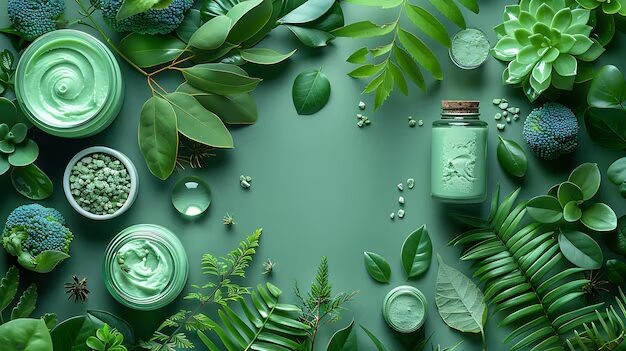
One of the most tactile trends emerging in 2025 is the shift from liquid formulations to solid and powder formats. This movement represents both environmental consciousness and a return to sensory beauty experiences. Solid cleansers, powder foundations, and concentrated serums offer longer shelf lives, reduced packaging waste, and a more intimate connection with the product.
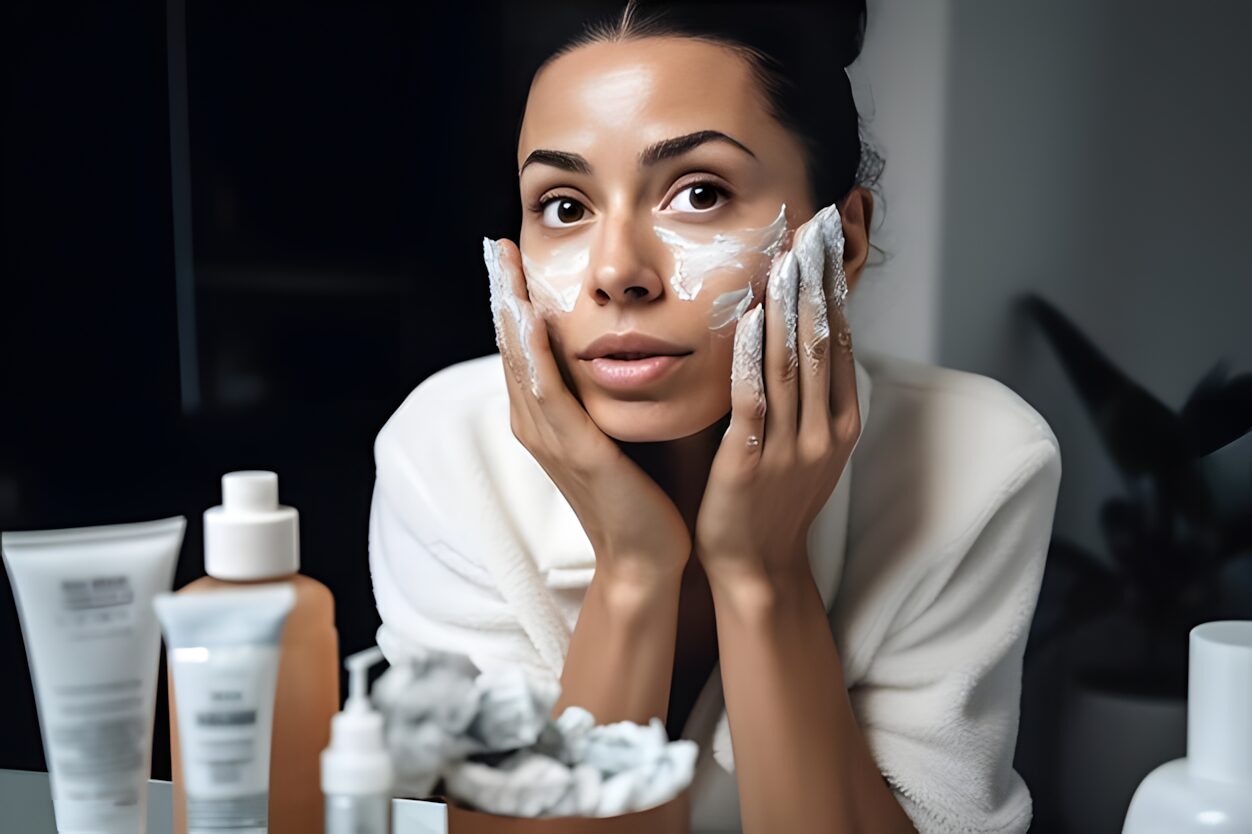
The ritual of activating a solid cleanser with warm water, feeling it transform into a creamy lather, or watching a powder foundation bloom into coverage creates a meditative moment that liquid products simply cannot replicate. This tactile engagement serves the dual purpose of environmental responsibility and emotional grounding.
The Sensory Revolution
The beauty industry is embracing multi-sensory design that engages all five senses. Products now feature carefully crafted textures that provide tactile pleasure, sophisticated scent profiles that influence mood, and even packaging that creates satisfying sounds when opened. This holistic approach recognizes that beauty routines are emotional experiences, not just functional tasks.
AI-Powered Personalization: The Future of Custom Beauty
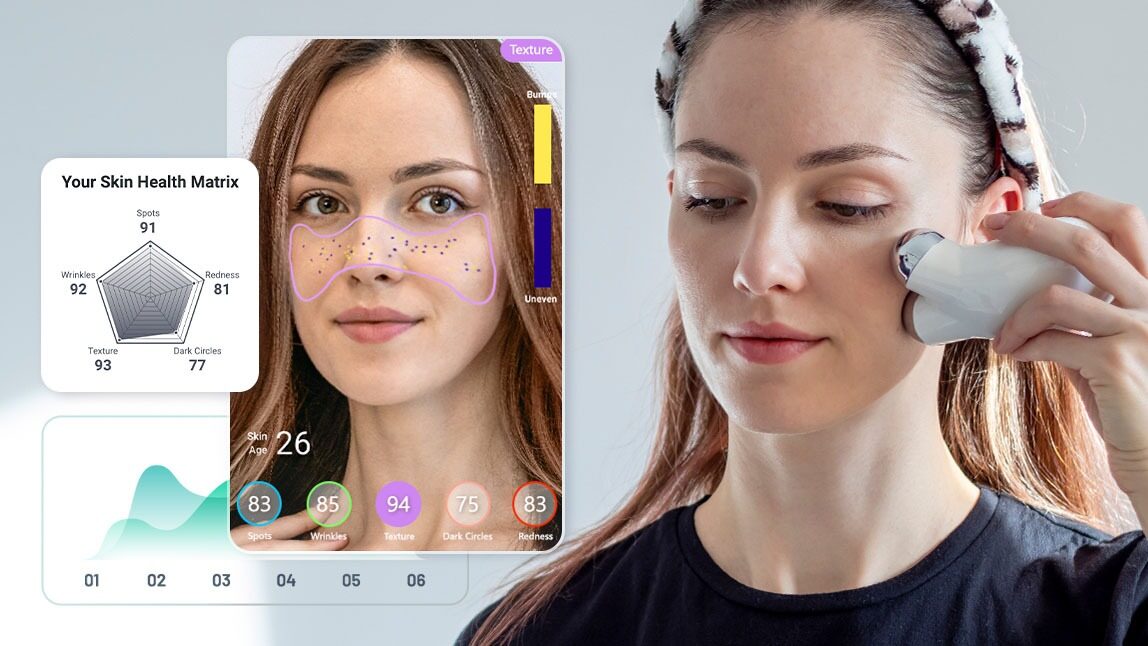
Artificial intelligence has evolved beyond simple skin analysis to become a sophisticated beauty advisor capable of understanding individual emotional and physiological needs. Hyper-personalization through AI now considers factors like stress levels, sleep patterns, hormonal cycles, and even local environmental conditions to create truly customized beauty regimens.
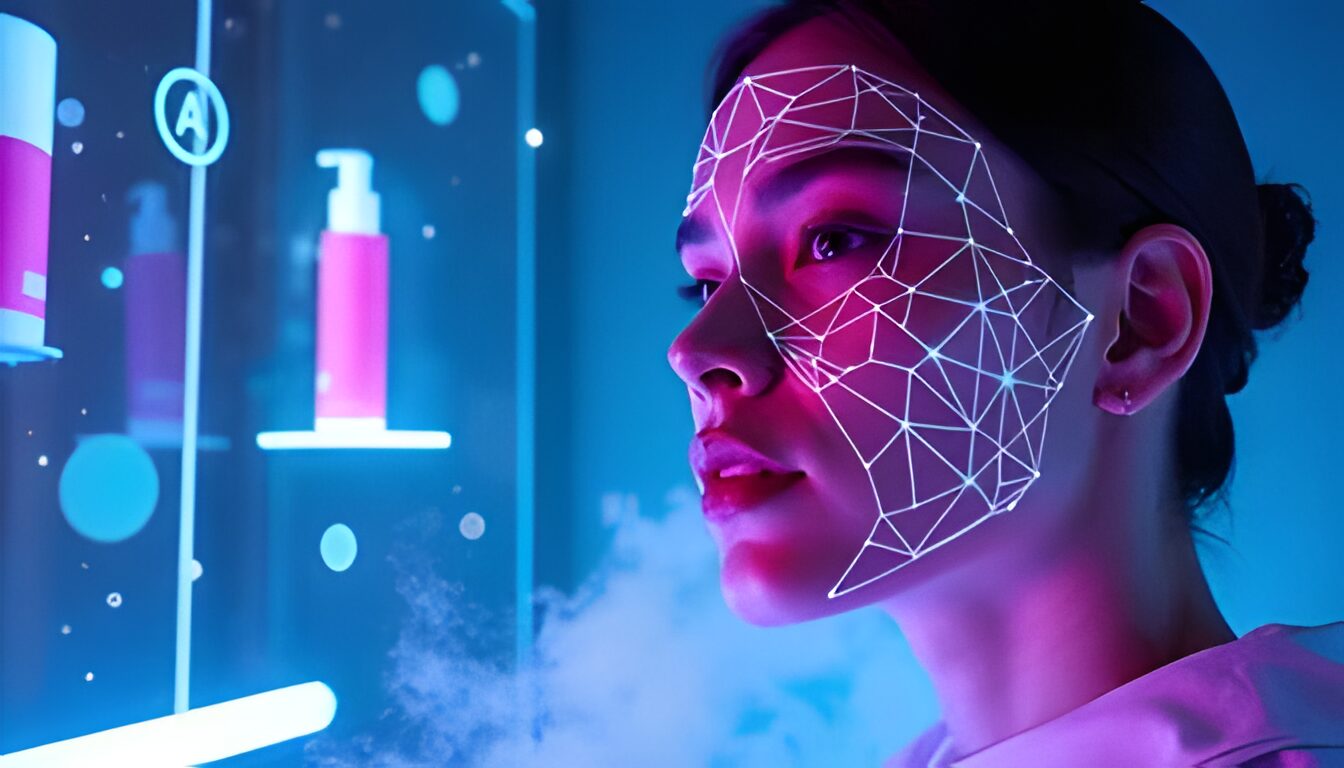
Advanced platforms can now analyze micro-expressions during skincare routines to determine which products genuinely make users feel confident and which might be causing stress or dissatisfaction. This emotional data is then used to refine product recommendations, creating a feedback loop that continuously improves the beauty experience.
Personalization in Practice
- 🧠 Emotional State Analysis: Apps that read facial micro-expressions
- 🌡️ Environmental Adaptation: Formulas that adjust to climate and pollution
- ⏰ Circadian Rhythm Sync: Products timed to your body’s natural cycles
- 💡 Predictive Recommendations: AI that anticipates skin needs before problems arise
The Inclusive Beauty Awakening
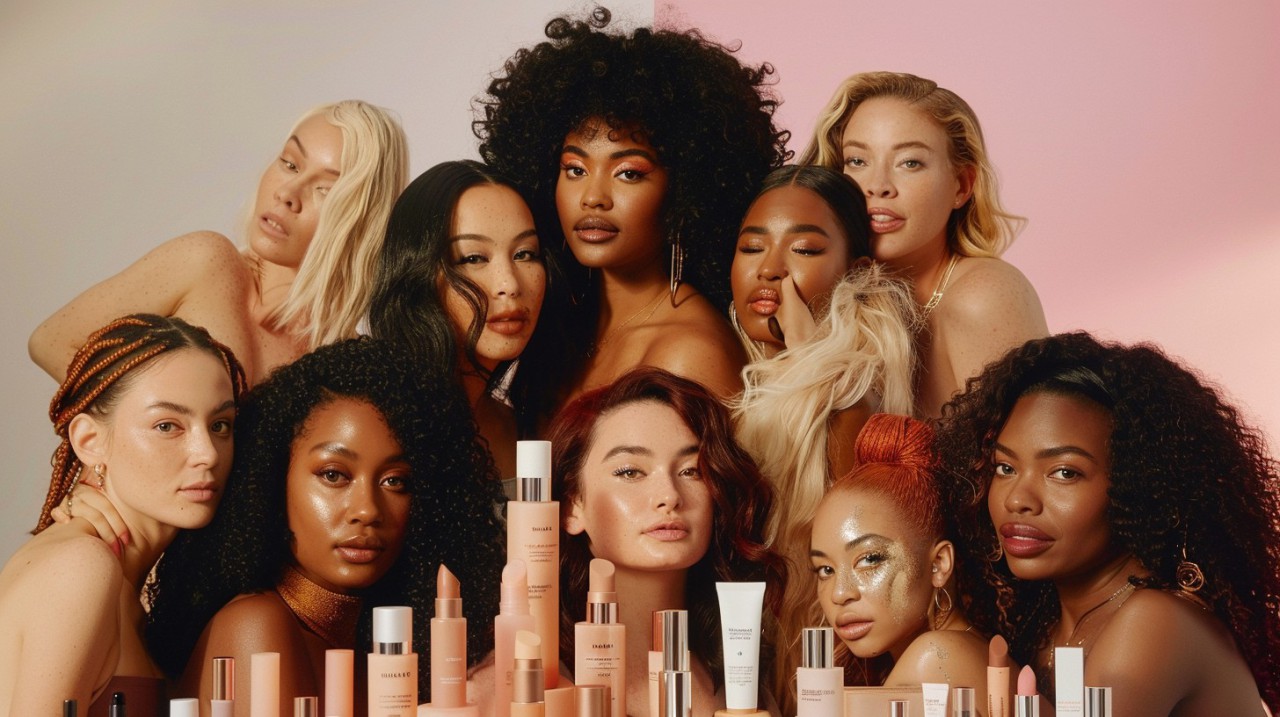
The beauty industry’s approach to inclusivity has matured beyond surface-level representation to embrace authentic diversity in formulation, marketing, and product development. This shift recognizes that different skin tones, types, and cultural backgrounds require fundamentally different approaches to beauty.
Multicultural beauty influencers are driving innovation by introducing global beauty rituals and ingredients to mainstream audiences. From K-beauty’s fermented ingredients to African shea butter traditions and Latin American botanical extracts, the industry is becoming a melting pot of cultural beauty wisdom.
The Biotech Beauty Frontier
Laboratory-grown ingredients are revolutionizing beauty formulations, offering sustainable alternatives to rare natural extracts while maintaining or even exceeding their efficacy. Biotech beauty represents the perfect marriage of scientific innovation and environmental responsibility.
Companies are now producing everything from lab-grown collagen to synthetic alternatives to endangered plant extracts. These ingredients often prove more potent and consistent than their natural counterparts while eliminating the environmental impact of harvesting rare botanicals.
The Minimalist Paradox: Less Products, More Impact
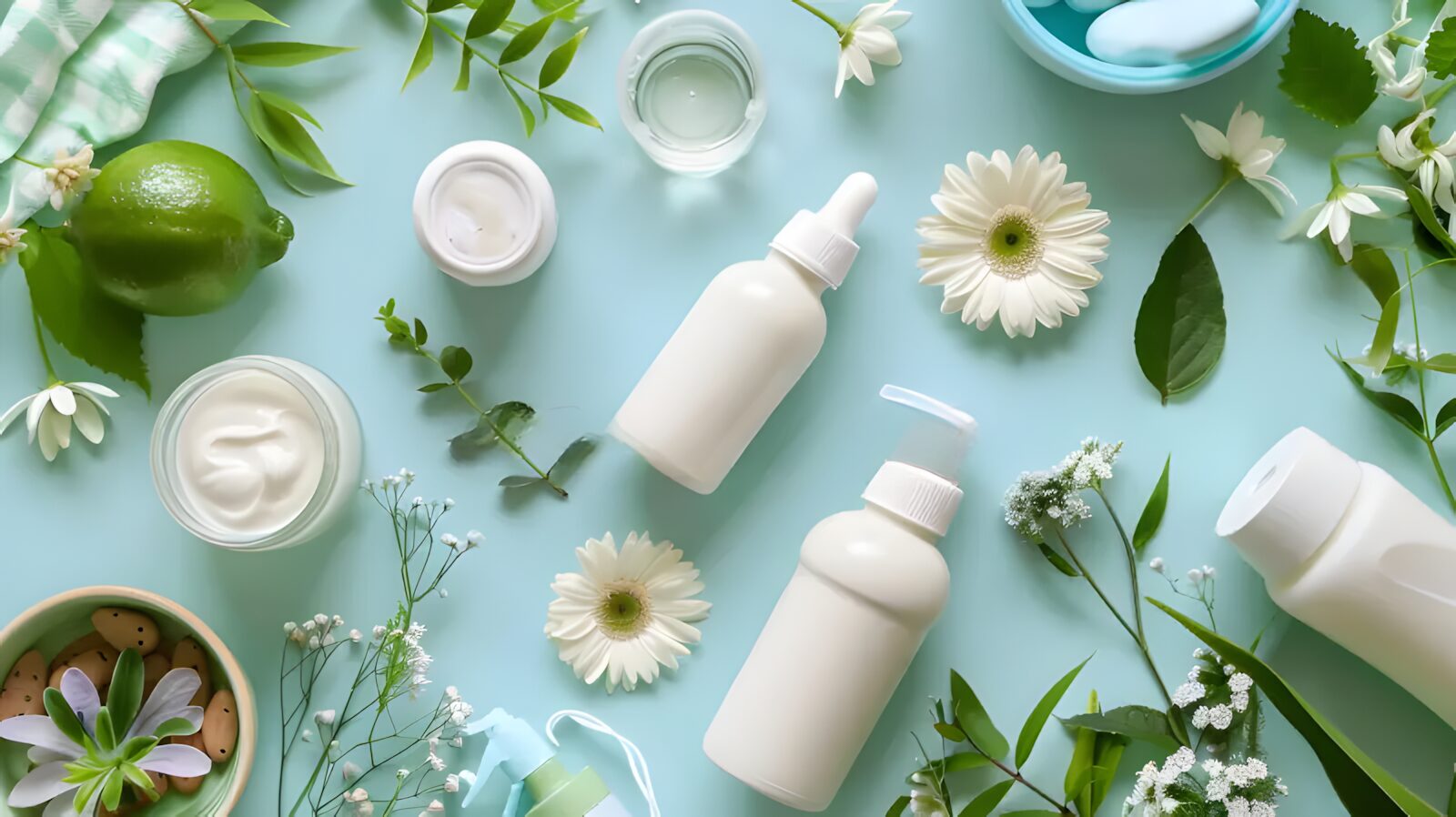
The “less is more” philosophy has evolved into a sophisticated approach to beauty that prioritizes product quality over quantity. This minimalist movement isn’t about deprivation—it’s about curating a highly effective routine with fewer, better products that deliver multiple benefits.
The modern minimalist beauty routine focuses on multi-functional products that serve several purposes: a tinted moisturizer with SPF and anti-aging benefits, a lip and cheek tint that provides color and hydration, or a cleanser that also serves as a treatment mask.
The Minimalist Beauty Formula
Quality × Functionality × Sustainability = Modern Beauty Efficiency
Practical Application: Building Your Psychodermatology Routine
Creating an emotionally intelligent beauty routine requires understanding your skin’s stress signals and responding with targeted interventions. Start by identifying your emotional triggers—whether it’s work stress, relationship anxiety, or seasonal changes—and select products that address both the physical and emotional aspects of these challenges.
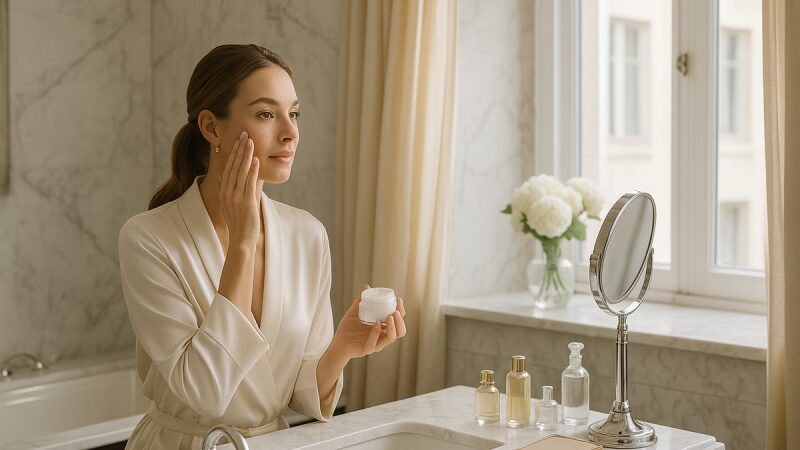
Morning Ritual: Begin with a solid cleanser that requires mindful activation, follow with a mood-boosting serum containing adaptogens, and finish with a multi-tasking tinted moisturizer that provides coverage, protection, and confidence.
Evening Practice: Use this time for deeper emotional reset with aromatherapeutic oils, gentle massage techniques, and overnight treatments that work while you sleep to repair both skin and psyche.
The Future of Emotional Beauty
As we progress through 2025, the beauty industry continues to evolve toward a more holistic understanding of wellness. The integration of mental health awareness, environmental consciousness, and technological innovation is creating products that don’t just make us look better—they make us feel better about ourselves and our impact on the world.
This transformation represents a maturation of the beauty industry from superficial enhancement to genuine wellness support. The most successful brands will be those that understand beauty as a form of self-care, emotional expression, and personal empowerment rather than simply aesthetic improvement.
The psychodermatology revolution is more than a trend—it’s a fundamental shift toward treating beauty as a pathway to emotional wellness and self-discovery. As consumers become more sophisticated in their understanding of the mind-skin connection, the industry must continue to innovate not just in formulation but in creating meaningful, transformative experiences that honor the complex relationship between how we look and how we feel.